
Chemical Peels
What are they exactly
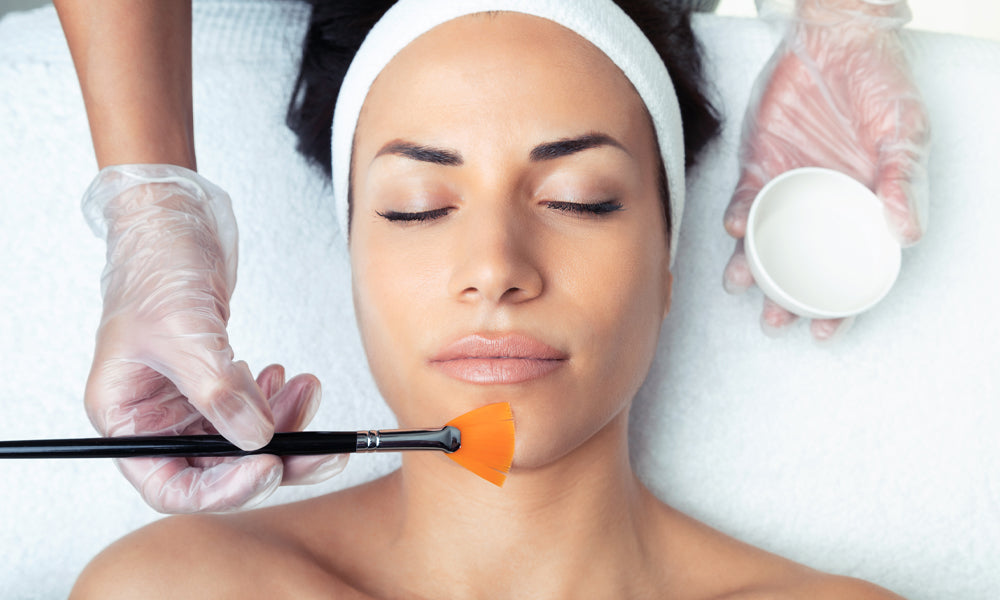
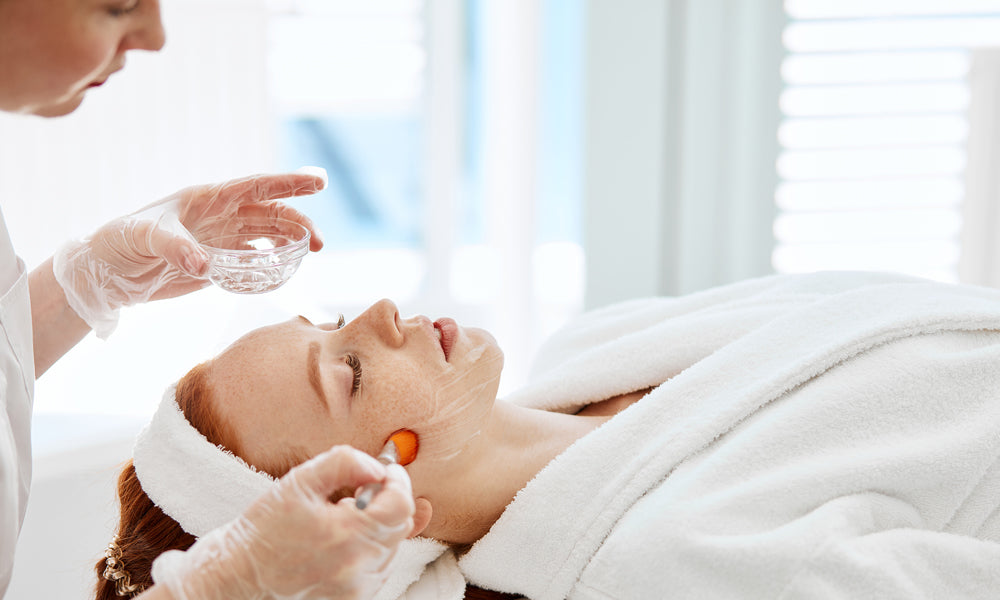
Chemical peels, regardless of type, are rejuvenating treatments. Acting as exfoliators, they remove the layer of dead cells that sit on the skin’s surface and stimulate the production of new healthy epidermal cells beneath. They work by introducing controlled injury to the skin to a specific depth.
THE DIFFERENCE BETWEEN THEM
Peels – better described as resurfacers – are divided into three categories: superficial, medium and deep peels – which defines the penetration depth when applied to the skin. While each type of chemical peel affects clinical outcomes differently, the depth of the peel also describes the level of injury caused to the skin.
Superficial Peels
Superficial peels are the ‘lightest’ with no downtime expected. They penetrate into the epidermis and provide instant brightening and smoothing of the skin. Suitable for those with mild to moderate photodamage, pigmentation, mild acne scarring, dehydrated skin, post inflammatory pigmentation, fine line and wrinkles, and ‘dull’ skin, they have significant scientific research to support their efficacy.
Medium-Depth Peels
Medium-depth peels are favored for moderate skin damage as a stand-alone treatment or as part of a combined or blended peel. Blended peels – the newest to the category - tend to be less aggressive with less recovery time or shedding of the skin.TCA peels are a medium-depth peel that penetrates deeper than the glycolic or salicylic acid peels, making them highly efficient in reducing scarring, minimizing fine lines and pigmentation issues.
Deep Peels
Deep peels, uncommon today because of the continuous development of superficial and medium peels, and the acceptance of a series of them, mean results are produced with little or no downtime. Deep peels must be performed within a typical aesthetic clinic environment and require sedation.
DIFFERENT ACIDS. DIFFERENT SOLUTIONS.
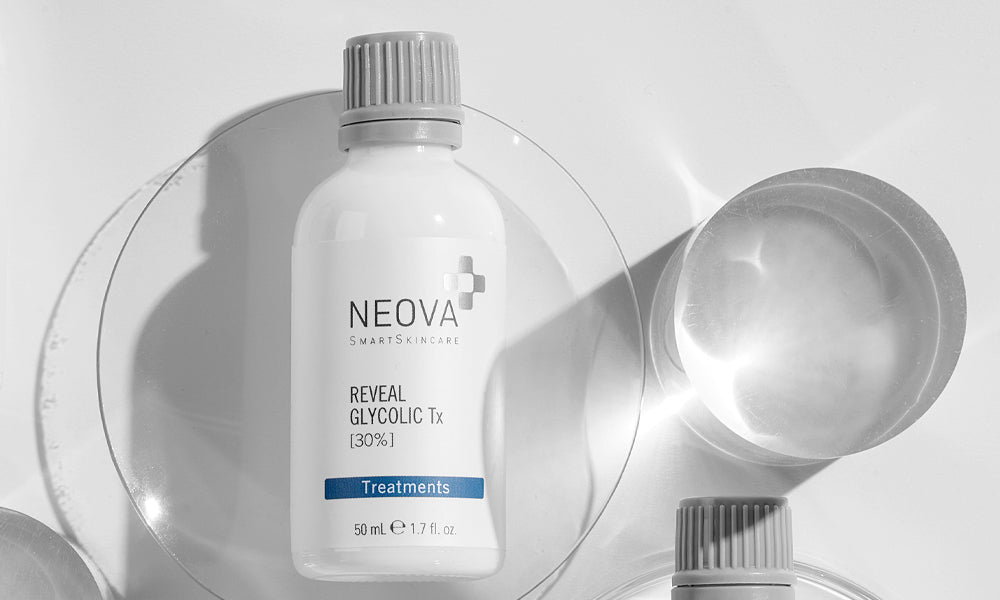
Glycolic and other alpha hydroxy acid [AHA] peels work brilliantly on sun-related dullness and restore brightness. AHAs exfoliate the outer layer of the skin and are particularly helpful dealing with hyperpigmentation, sun damage and even mild acne.
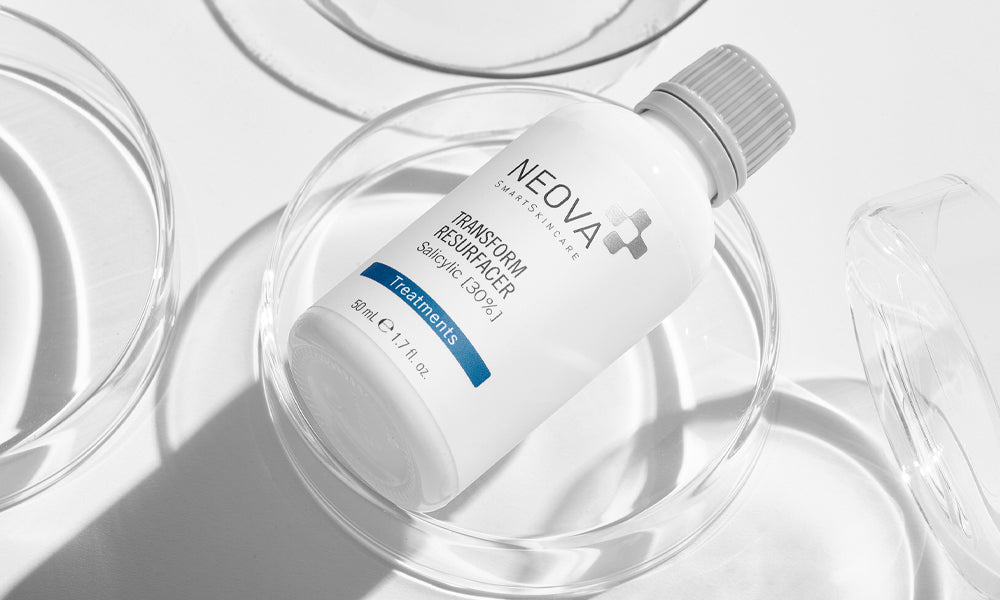
Salicylic, a beta hydroxy acid, targets the oil production and clears congested pores. Highly effective, salicylic acid penetrates deeply and has anti-inflammatory properties that can offer relief to inflamed breakouts.
Why resurfacing is important
Regular resurfacing makes skin—and skin-care products—work better. It lifts away dead cells and triggers a chain reaction starting as the topmost layer is shed and moving on to signal living cells below the surface to multiply and move up. As that happens, collagen production is awakened, hyaluronic acid is produced and skin looks and feels better.
NEOVA PROFESSIONAL PEEL SYSTEMS
Our professional chemical peels are available exclusively to qualified providers, offering advanced formulas and protocol-driven solutions designed to deliver safe, consistent, and effective results.
![Reveal 3 [10%] - NEOVA](http://www.neova.com/cdn/shop/products/Reveal-3-professional-peels-2_36e643e8-4152-4f8f-965b-c9c4df506bb6.jpg?v=1597173767&width=1800)
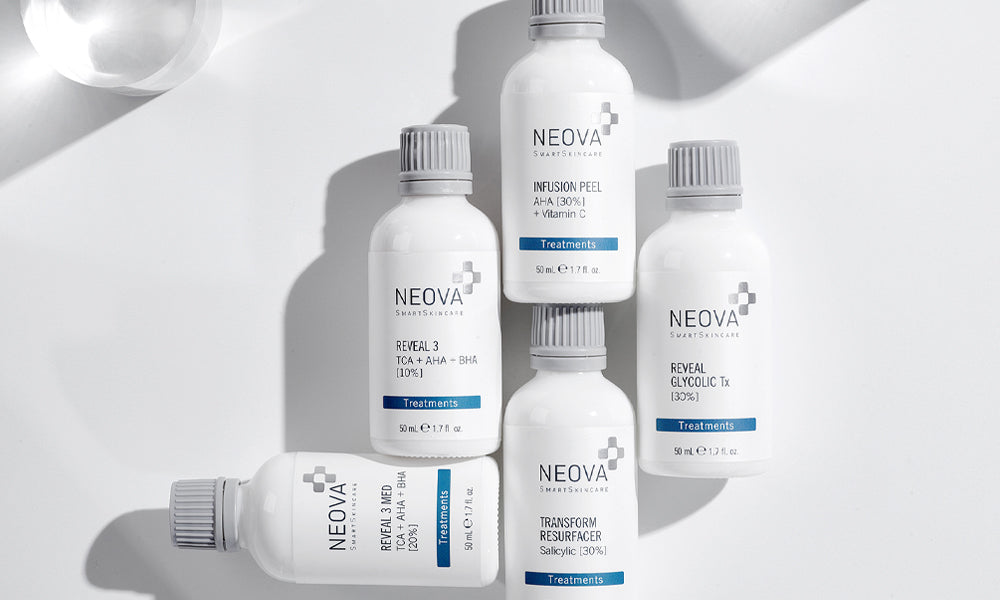
Reveal 3 [10%]
TCA + AHA + BHA [10%]
Superficial Blend Peel
For: Mild concerns, dull/uneven skin, first-time peel patients
![Reveal 3 Med [20%] - NEOVA](http://www.neova.com/cdn/shop/products/Reveal-3-Med-professional-peels-2_a37a4804-2839-4c67-a3e7-bdec4bb26bc5.jpg?v=1597173767&width=1800)
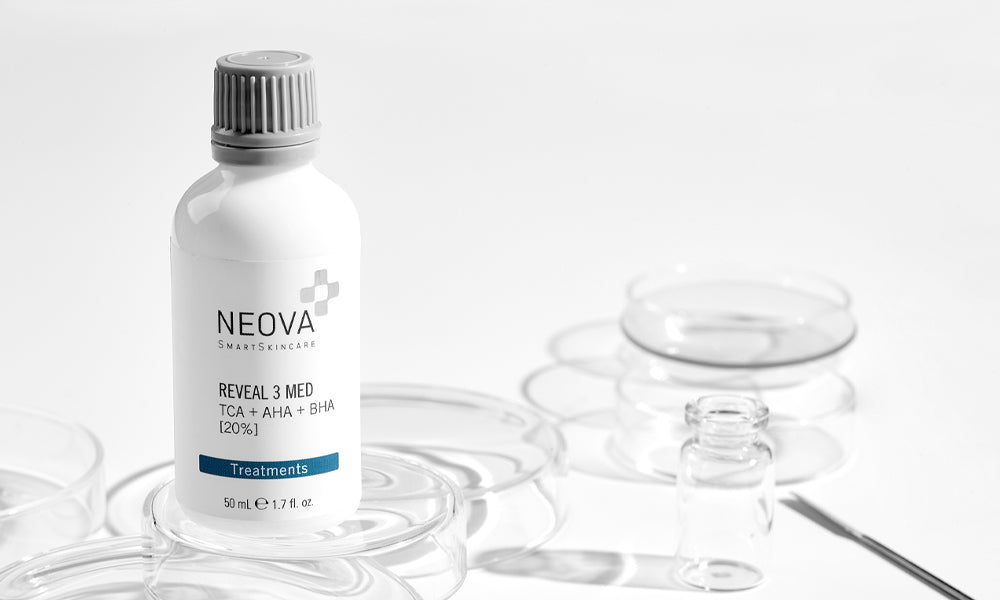
Reveal 3 Med [20%]
TCA + AHA + BHA [20%]
Medium-Depth Blend Peel
For: Moderate pigmentation, acne, and early scarring
![Transform Resurfacer [30%] - NEOVA](http://www.neova.com/cdn/shop/products/Transform-Resurfacer-professional-peels-2_49577341-49d6-47e5-bed9-6a5a87bbef60.jpg?v=1597173772&width=1800)
Transform Resurfacer [30%]
Salicylic [30%]
Superficial BHA Peel
For: Oily, acne-prone, and congested skin
![Infusion Peel AHA [30%] - NEOVA](http://www.neova.com/cdn/shop/products/Infusion-Peel-professional-2_85ce011c-e819-4ea1-a816-a77e149b4171.jpg?v=1597173762&width=1800)
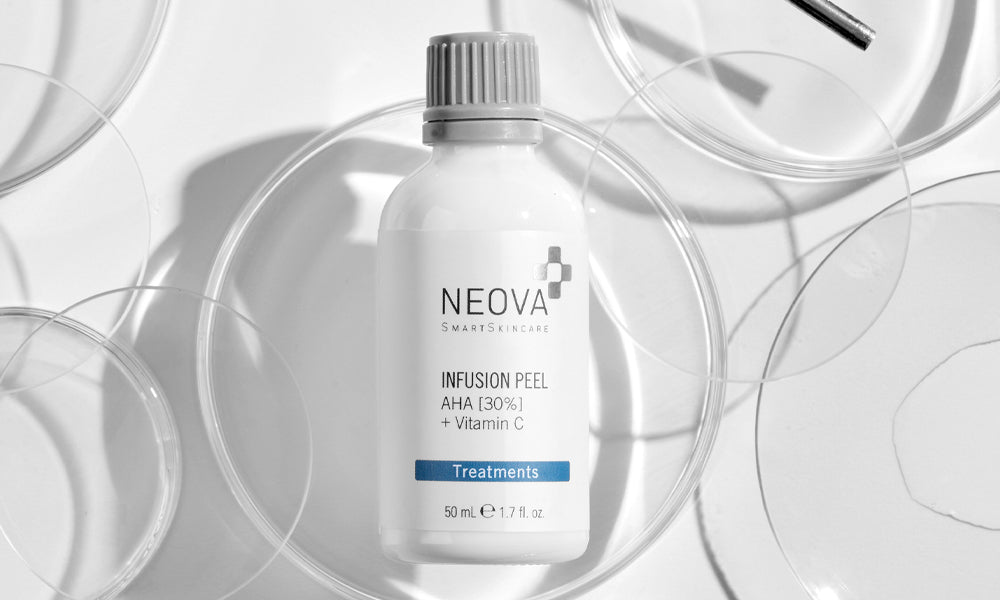
Infusion Peel AHA [30%]
AHA [30%] + Vitamin C
Superficial AHA Peel
For: Dull, uneven tone, and sun-damaged skin
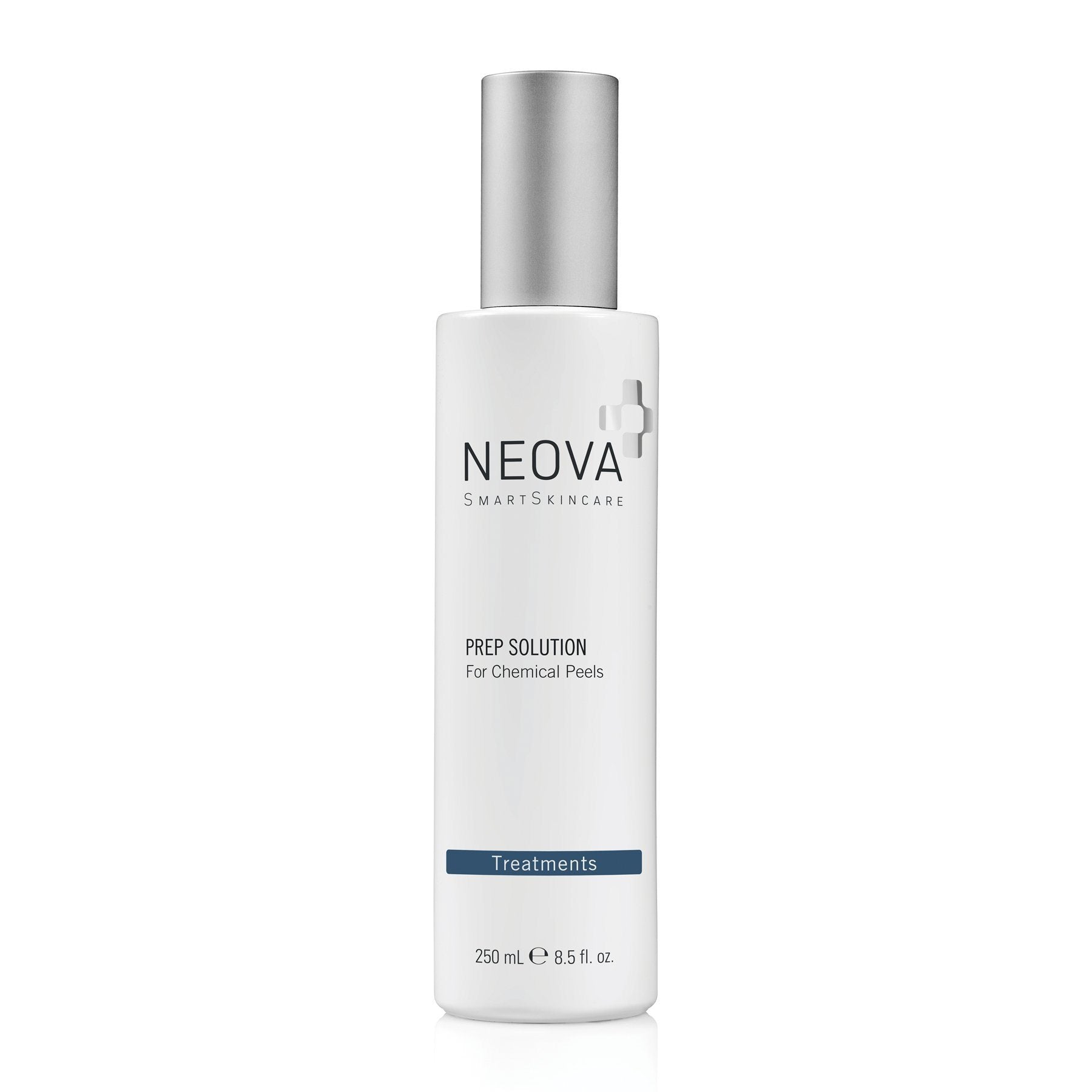
Prep Solution
Pre-Treatment Solution
Degreases and optimizes skin for even peel penetration.
For: all patients prior to peel application
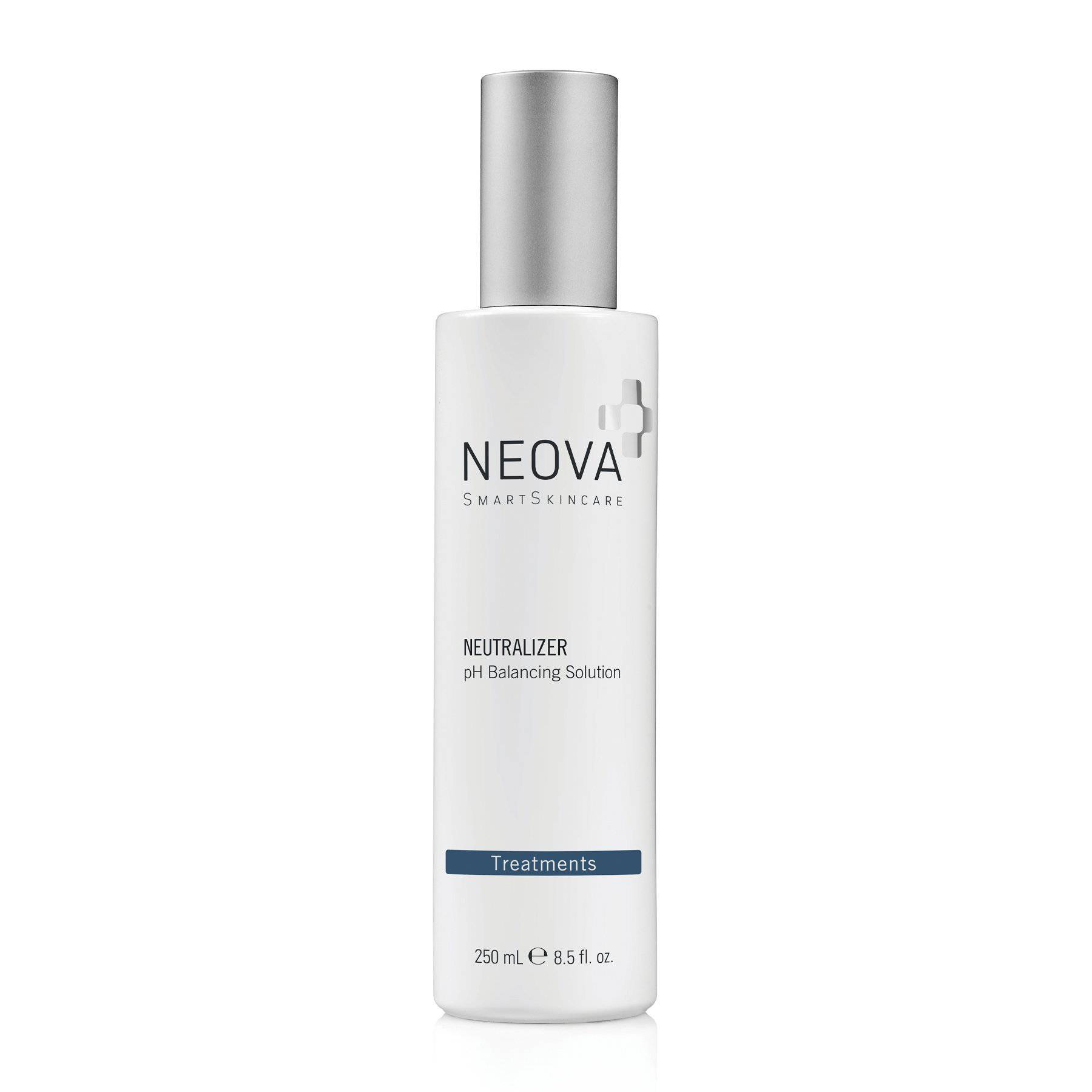
Neutralizer
Post-Treatment Solution
Stops acid activity and restores skin pH-balance.
For: all patients post-peel, as needed
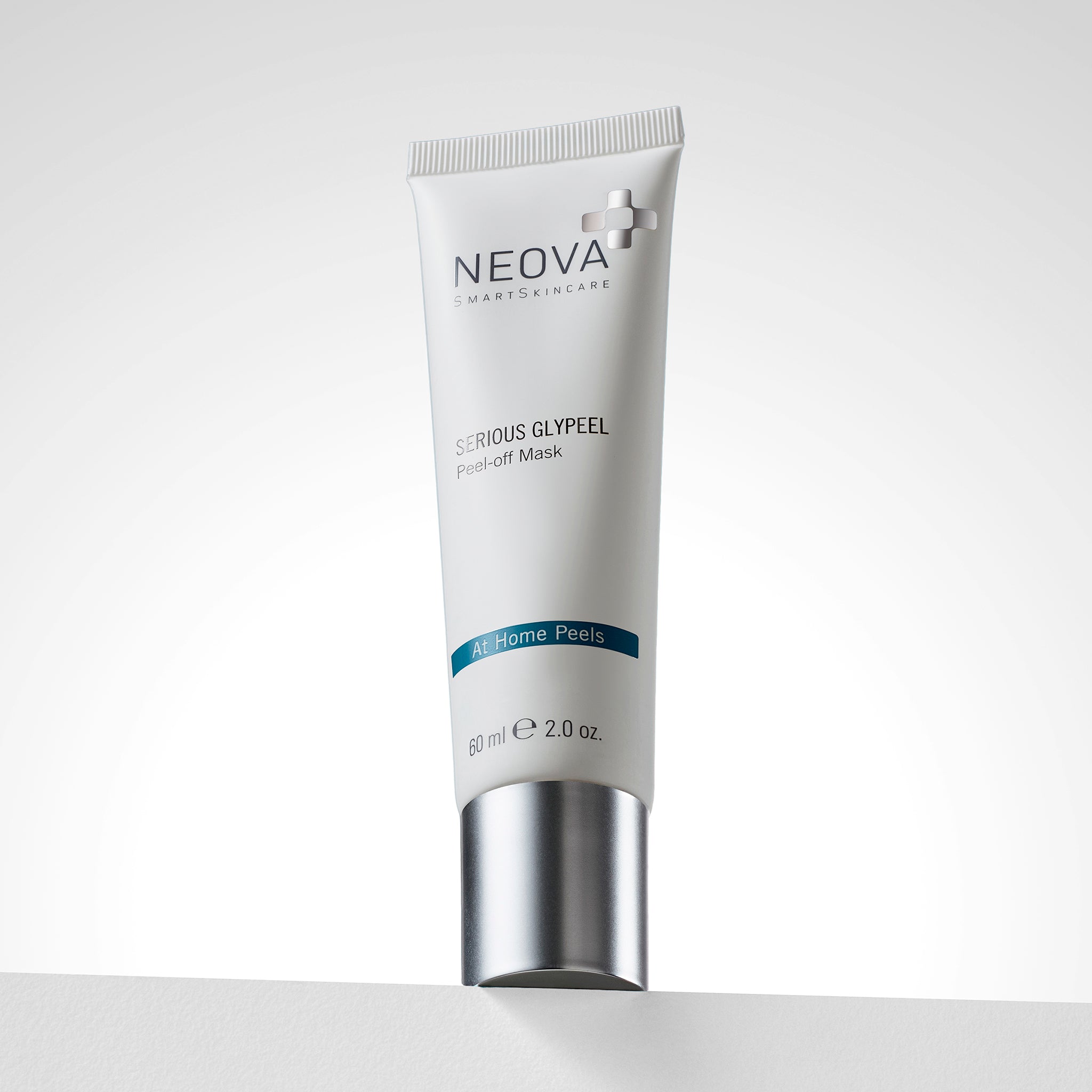
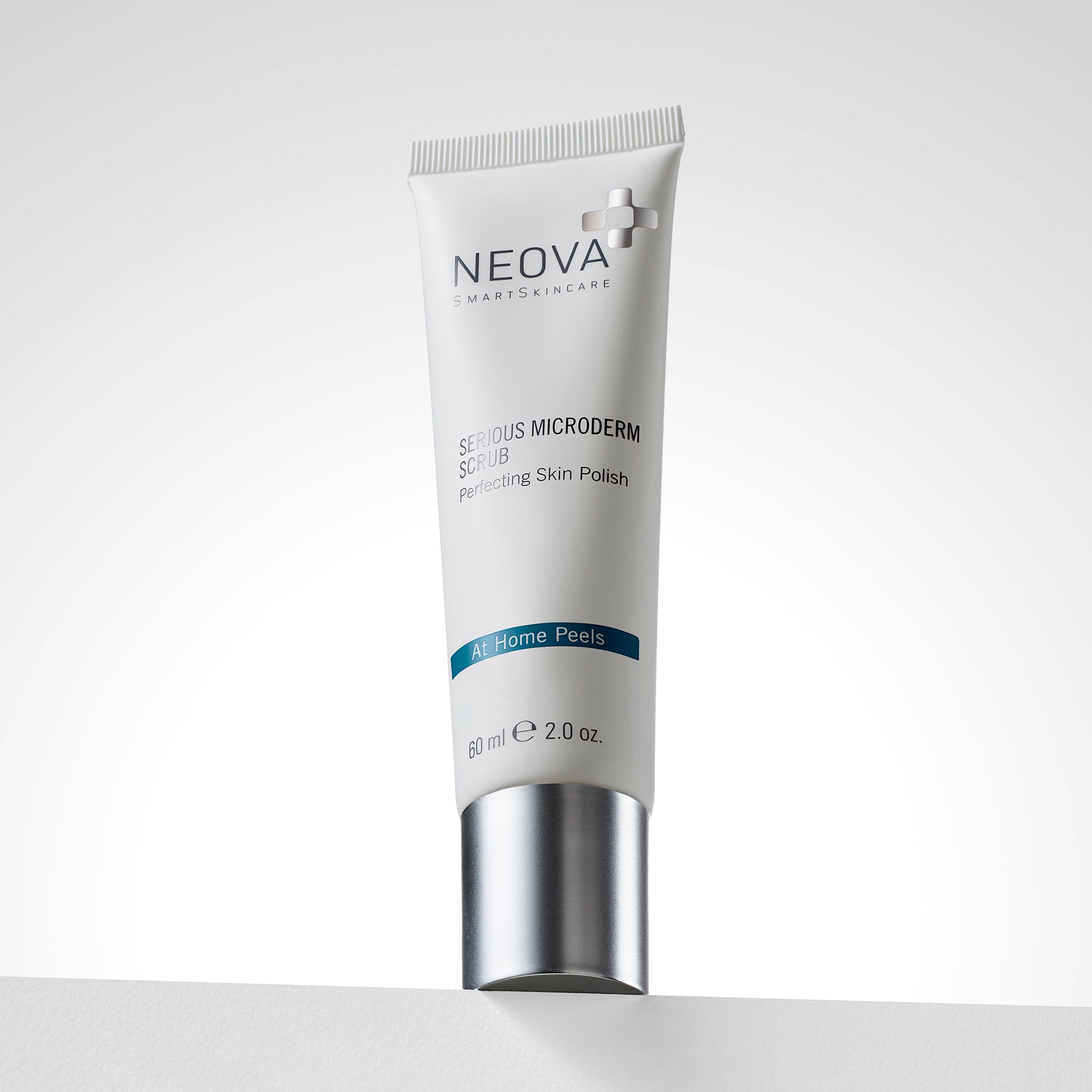
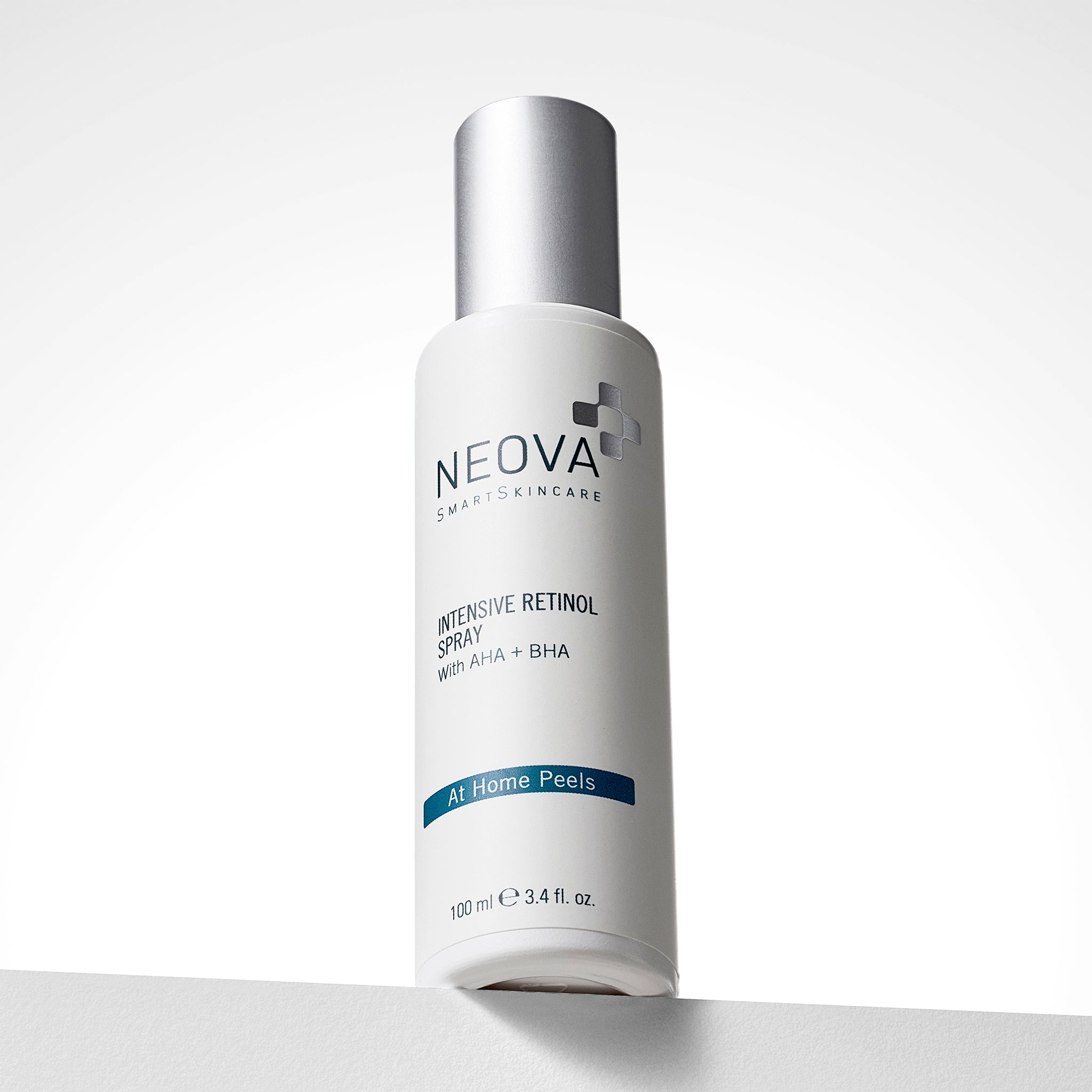
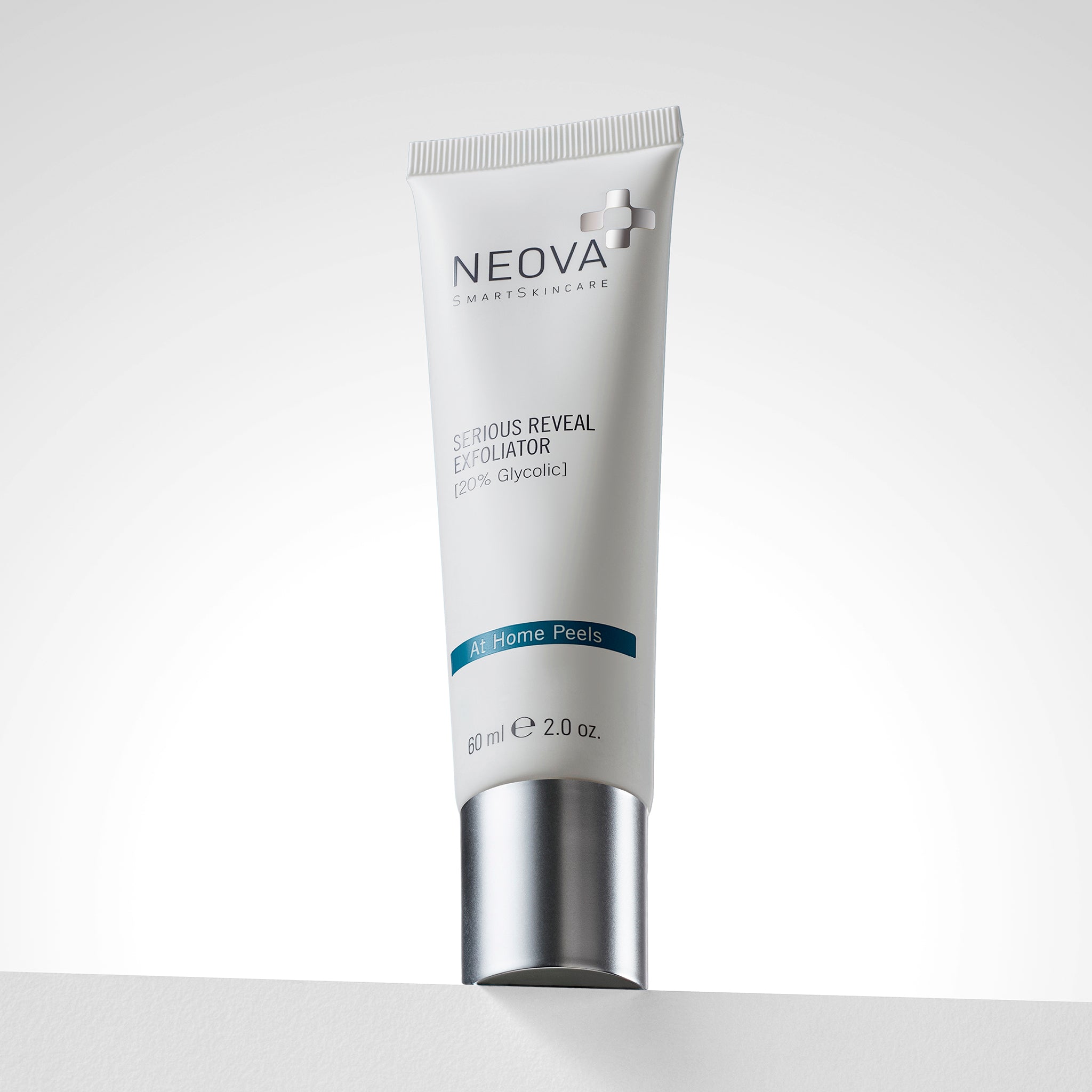
At Home Peels
FAQs About Chemical Peels
Yes, chemical peels are highly effective for acne and acne scars. Ingredients like salicylic acid help clear pores and reduce inflammation, while deeper peels can improve the appearance of post-acne scarring over time.
Chemical peels are commonly used to treat hyperpigmentation and dark spots. By accelerating exfoliation and cell turnover, they help fade discoloration and promote a more even skin tone.
Chemical peel frequency varies based on the type of peel and individual skin goals. A superficial peel may be performed more regularly, while medium-depth treatments are spaced further apart as part of a professional treatment plan.
Proper chemical peel aftercare includes keeping the skin hydrated, avoiding sun exposure, and using gentle, non-irritating skincare products. Following professional guidance is essential to support healing and optimize results.
Chemical peels and laser treatments both resurface the skin but use different methods. Peels rely on chemical exfoliation, while lasers use light energy. The best option depends on skin type, concerns, and desired downtime, and is typically determined through professional consultation.
Many patients notice improved brightness and texture within a few days, with continued improvement over time as cell turnover increases. The timeline and results will vary depending on the type and depth of the peel.