
Can You Use Retinol After Summer in the Sun? What to Know Before Restarting
Retinol after summer can be part of a thoughtful post-summer skincare routine, but the right time to restart depends less on the calendar and more on how your skin looks and feels. After months of increased outdoor activity and UV exposure, your skin may need a little more attention before you return to your usual routine.
Summer does not automatically mean you need to stop retinol. If your skin tolerates it well and you consistently protect your skin from UV exposure, you may be able to continue using it. However, heat, sun exposure, swimming, dryness, and changes in your routine can leave some skin more reactive.
For those ready to reintroduce a renewing routine, start with the basics. Explore NEOVA's retinol skincare alongside gentle cleansing, hydration, moisturization, and daily broad-spectrum sunscreen to gradually build back a routine your skin can comfortably maintain.

Should You Stop Retinol During the Summer?
You do not automatically need to stop retinol during summer.
Retinol is a form of retinoid used in skincare to support skin renewal and improve the appearance of concerns such as uneven tone, texture, fine lines, and blemishes. Retinoids can increase sensitivity to sunlight, which is why nighttime application and consistent daytime sun protection are important.
The decision to continue or pause retinol should be based on your skin rather than the season alone.
If you are using retinol consistently, your skin is comfortable, and you are diligent about broad-spectrum sunscreen, there may be no reason to stop simply because summer has arrived. On the other hand, increased outdoor activity, prolonged sun exposure, heat, sweating, swimming, and dryness can make retinol harder to tolerate.
If you did pause retinol during the summer, do not feel that you need to "catch up" by immediately returning to your previous frequency. Applying retinol more often or combining it with additional exfoliating products is not a shortcut to better results. It may simply increase the likelihood of irritation.
Instead, assess your skin first:
Are You Ready to Restart Retinol?


Signs Your Skin Needs More Recovery Before Retinol
Before restarting retinol after summer, pay attention to how your skin behaves during basic skincare. A healthy-feeling skin barrier does not have to look perfect, but your skin should generally tolerate cleansing, moisturizing, and sunscreen without persistent discomfort.
Signs that your skin may need more recovery include:
- Persistent dryness or roughness
- A tight or uncomfortable feeling after cleansing
- Stinging or burning when applying familiar products
- Increased sensitivity
- Flaking or peeling
- Persistent redness
- A rough or uncomfortable texture
These symptoms can indicate that your skin barrier is stressed and that your routine needs to become simpler for a while.
A useful approach is to temporarily simplify your routine. Use a gentle cleanser, a treatment serum if desired, a moisturizing cream, like Multi-Active Day Cream, and broad-spectrum sun protection with SPF 30 or higher. If those basic products still sting or your skin remains persistently uncomfortable, it may not be ready for a return to stronger actives.
NEOVA's Recovery collection can provide a simpler foundation while you assess your skin's tolerance before adding retinol back into the routine.
If redness, burning, swelling, significant peeling, or discomfort persists or worsens, consider speaking with a dermatologist rather than trying to correct the problem by adding more products.

How to Restart Retinol After Summer
What Not to Do When Restarting
Avoid:
- Immediately returning to your most frequent retinol schedule
- Applying more product because you took a break
- Adding glycolic acid, salicylic acid, and other exfoliants at the same time
- Scrubbing or aggressively exfoliating peeling skin
- Skipping moisturizer because you are using an active
- Assuming irritation means the product is working better
A consistent retinol routine that your skin tolerates is more sustainable than repeatedly using an aggressive routine and stopping because of discomfort.

Restarting NEOVA ABR After Summer
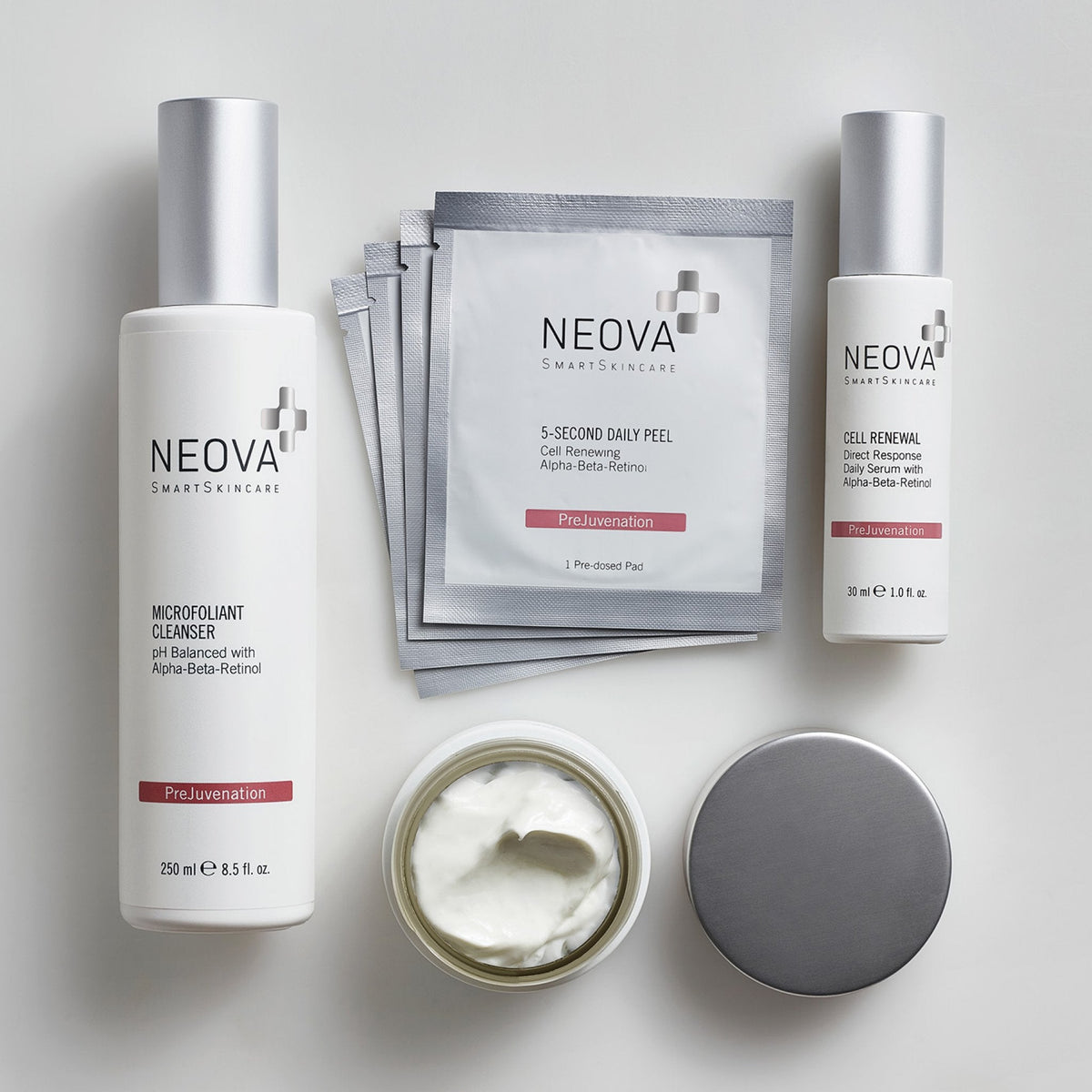
For those returning to a retinoid routine with NEOVA, the Prejuvenation line offers a multi-active approach. These Alpha-Beta-Retinol (ABR) formulas combine retinoid technology with alpha hydroxy acids and beta hydroxy acids to address the appearance of visible signs of aging, uneven texture, and tone.
Because ABR combines multiple renewing technologies, these formulas should not be treated like a basic moisturizer that can simply be layered with every other active in your cabinet. Follow the directions for your specific ABR product and consider the total amount of exfoliating and renewing activity in your routine.
If your skin is still recovering from summer dryness or irritation, establish a comfortable baseline first. Then introduce ABR according to your skin's tolerance.

What Can You Use with Retinol?
A retinol routine does not need to contain only retinol. A well-designed retinol routine usually includes hydrating and moisturizing products around the active ingredient. The main consideration is cumulative irritation.
Ingredients That Can Complement Retinol
Hyaluronic Acid: A hydrating ingredient that can complement a renewing routine. NEOVA Advanced HA combines hyaluronic acid with ceramides and DNA Repair Enzymes.
Peptides: Peptide-based skincare, including products with copper peptides, can generally be incorporated into a retinol routine without adding another exfoliating active.
Antioxidants: Antioxidants, such as Vitamin E and Ferulic Acid, can complement a photoprotective routine by helping address oxidative stress associated with environmental exposure.
What About Vitamin C?
Retinol and vitamin C can both have a place in a skincare routine. However, using multiple active ingredients can increase the potential for irritation, particularly when you are restarting retinol after a period of increased sun exposure.
Many people prefer using vitamin C, like NEOVA’s C 20+ serum, in the morning and retinol at night. This approach can also make a routine easier to manage, particularly when you are restarting several products after summer.

What About Exfoliating Acids?
Glycolic acid, other AHAs, and salicylic acid can be useful skincare ingredients, but they also contribute to the overall activity of your routine.
Using exfoliating acids at the same time as retinol may increase irritation. Consider using them at different times or on different days and adjusting frequency based on your skin's response.
Pair Retinol with Recovery-Focused Skincare
A post-summer skincare routine does not have to choose between active ingredients and skin recovery. The two can work together when each has a clear role.
Start with the basics: gentle cleansing, hydration, moisturization, and sun protection. Once skin is comfortable, renewing ingredients, like retinol, can be reintroduced gradually.
NEOVA's approach includes recovery-focused formulas featuring technologies such as Copper Peptide Complex®, which supports skin recovery and resilience.
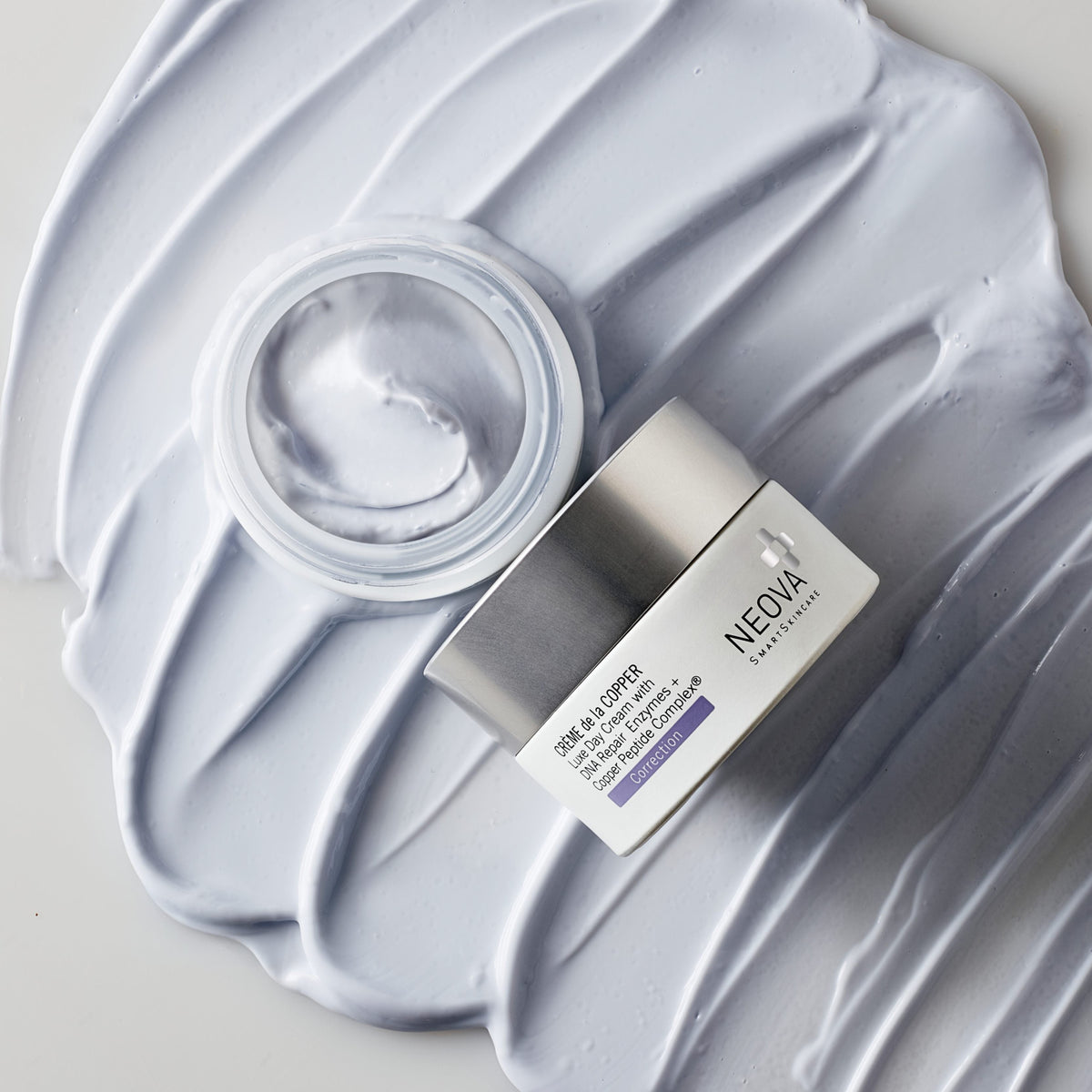
For example, Cu3 Gentle Cleanser provides a gentle cleansing step without making the routine unnecessarily complicated. Cu3 Recovery Spray provides lightweight hydration and Copper Peptide Complex, while Cu3 Recovery Lotion provides a moisturizing step for skin that feels dry or stressed.
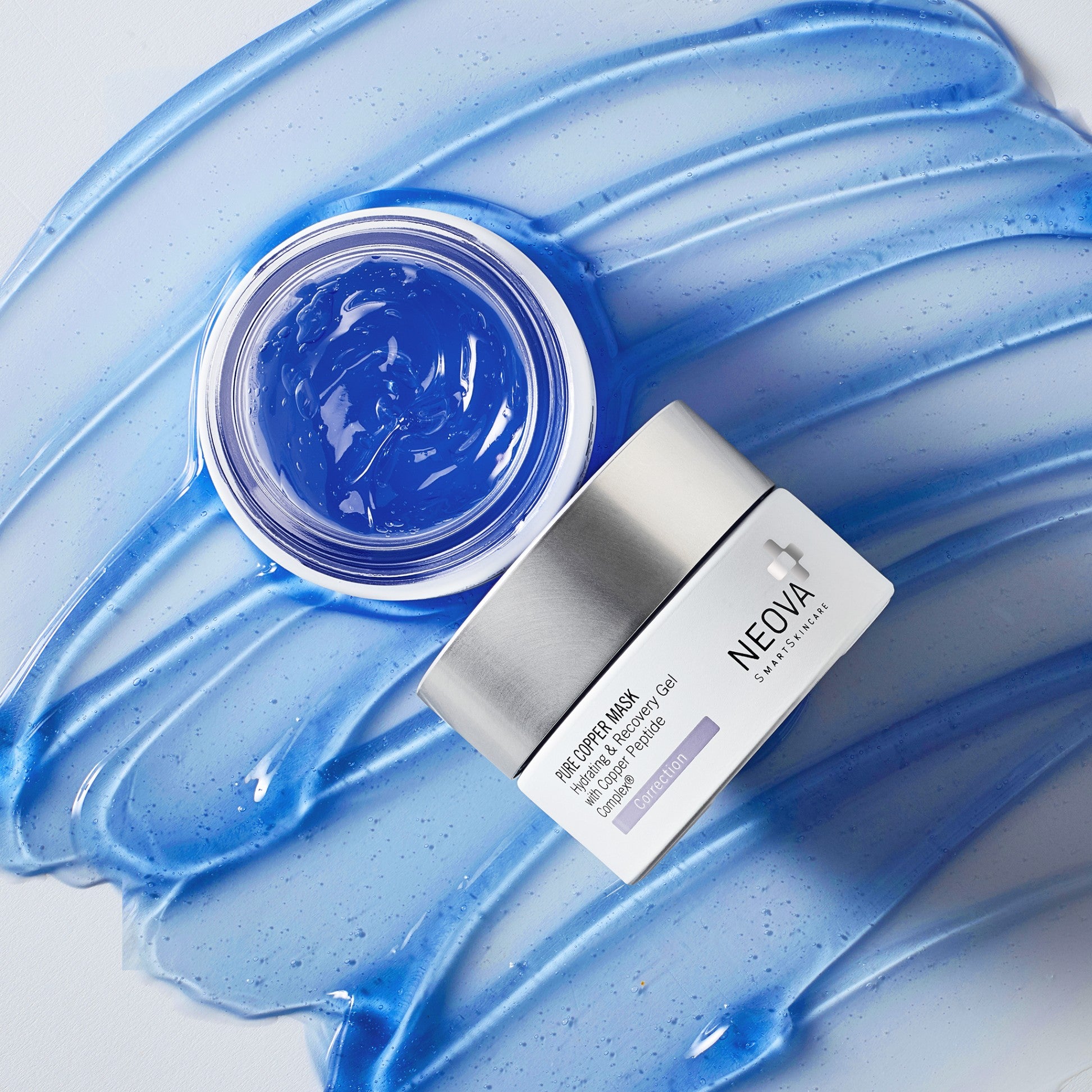
Cu3 Tissue Repair and the Pure Copper Mask offer additional recovery-focused options. These products can be useful when building a routine around comfort and hydration rather than layering multiple renewing actives.

A Simple Post-Summer Routine Framework (with Retinol)
Morning
-
Gentle cleanse or rinse
-
Hydrating serum, if desired
-
Broad-spectrum sunscreen
Retinoid Night
-
Alpha-Beta-Retinol treatment, like Cell Renewal Serum
- Nighttime moisturizer, such as Overnight Repair
Recovery Night
The broader principle is simple: recovery-focused skincare should support your active routine, not encourage you to tolerate ongoing irritation. If your skin is uncomfortable, simplify first.

Sun Protection Still Matters When You Restart Retinol
Restarting retinol after summer does not mean the sun protection portion of your routine can be relaxed. Consistent UV protection remains an essential part of a retinol routine.
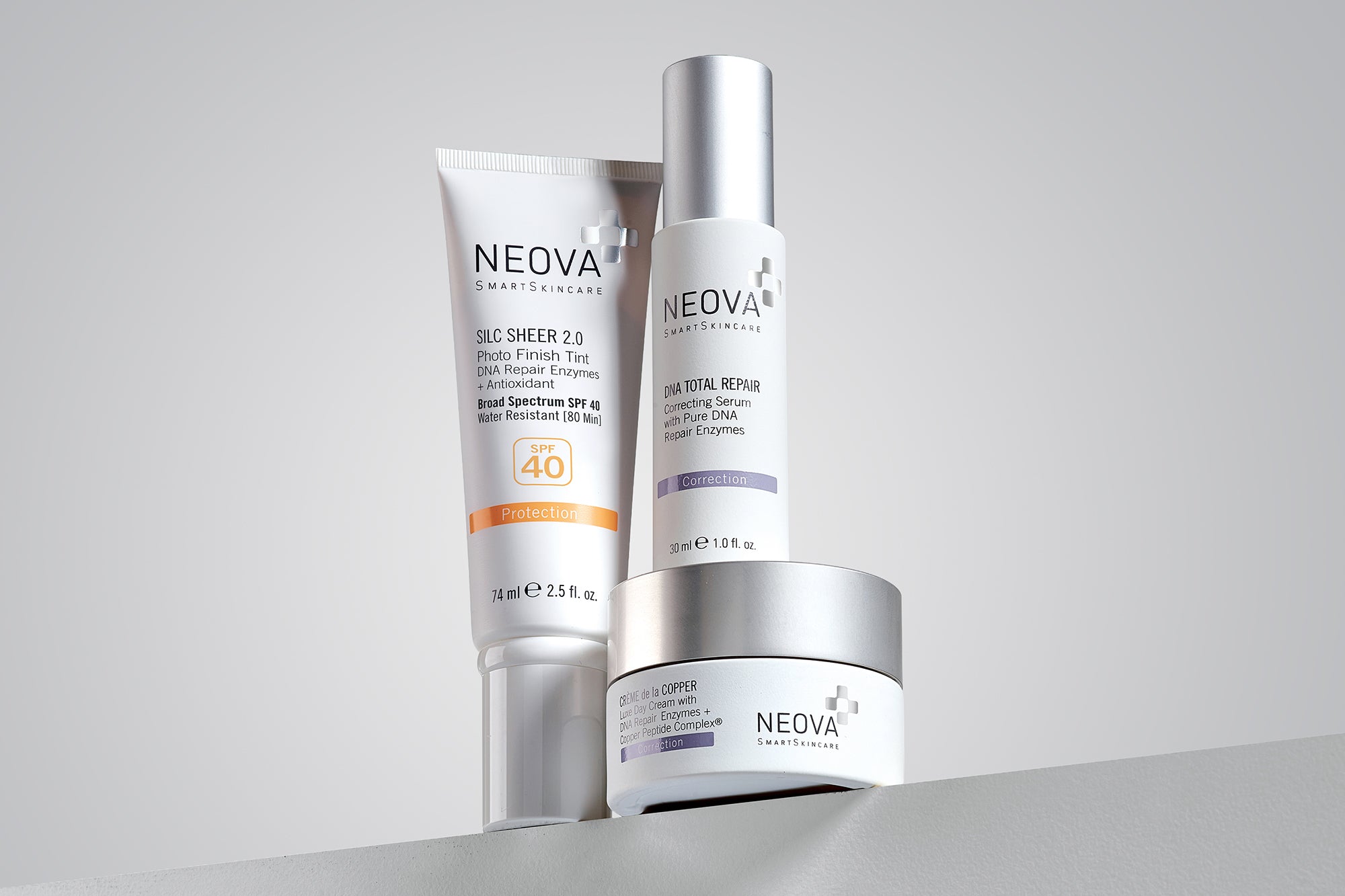
Use a broad-spectrum sunscreen with SPF 30 or higher, like Silc Sheer 2.0, every day. If you are outdoors for extended periods, reapply according to the sunscreen directions, including after swimming, sweating, or toweling off. Sunscreen can also be supplemented with shade, protective clothing, hats, and sunglasses.
Your post-summer routine should look forward as well as back.

FAQ: Retinol After Summer
Can you use retinol after being in the sun?
Yes, provided your skin is comfortable and tolerates active ingredients. Sun exposure does not automatically mean you must stop retinol. If your skin is dry, peeling, red, stinging, or unusually sensitive, focus on recovery-focused skincare before restarting a renewing routine.
How long should you wait to restart retinol after summer?
There is no universal waiting period. Restart when your skin is comfortable with basic skincare and no longer showing significant irritation. Your individual skin condition and tolerance matter more than a specific number of days. If you're ready to reintroduce a retinoid, explore NEOVA's retinol collection or try 5-Second Daily Peel as an easy way to incorporate the active into your routine.

What are the signs your skin is not ready for retinol?
Persistent dryness, tightness, flaking, redness, stinging, burning, or increased sensitivity suggest your routine may currently be too active. Simplify your skincare and allow your skin to recover before adding retinol. A gentle cleanser such as Cu3 Gentle Cleanser and a recovery-focused moisturizer such as Cu3 Recovery Lotion can help create a simpler routine while your skin settles.
What skincare products can you use with retinol?
Hydrating ingredients such as hyaluronic acid and peptides can generally complement a retinol routine, while moisturizers can help support skin comfort. Vitamin C, AHAs, and BHAs can also have a place in a broader skincare routine, but using several potentially irritating actives together may increase sensitivity. NEOVA's Alpha-Beta-Retinol formulas already combine retinoid technology with alpha and beta hydroxy acids, so consider the overall activity of your routine when adding other exfoliating products.
Should you use sunscreen when using retinol?
Yes. Daily broad-spectrum SPF 30 or higher remains essential. Reapply as directed when outdoors and supplement sunscreen with shade, hats, protective clothing, and sunglasses. NEOVA's Silc Sheer 2.0 provides broad-spectrum SPF 40 protection and can be incorporated into your daily morning routine.

A Smarter Way to Restart Your Routine
Retinol after summer does not require a one-size-fits-all reset. If your skin feels comfortable, you may be able to return to a retinoid routine without a prolonged pause. If your skin feels dry, tight, irritated, or unusually sensitive, give it more recovery time before reintroducing stronger actives.
The best approach is to assess your skin first, simplify when needed, introduce active ingredients gradually, and let tolerance guide how often you use them.