
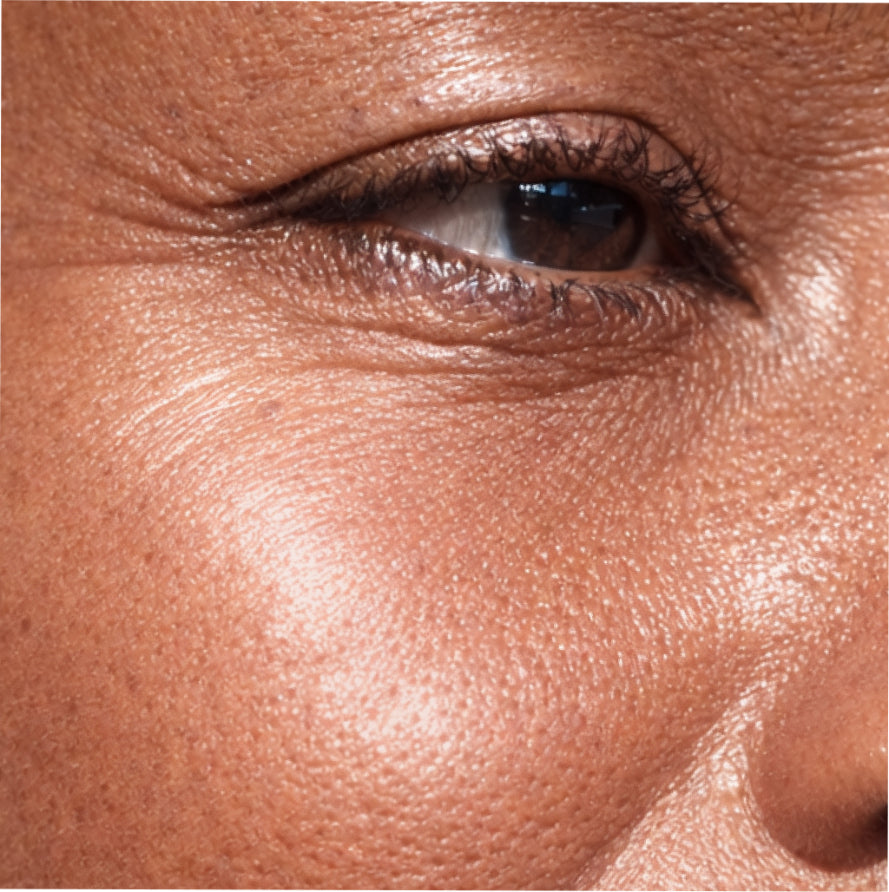
Crow's Feet Wrinkles: What Causes Them and What Actually Helps
Crow’s feet wrinkles are often the first lines people notice. Yet, they are also the most misunderstood.
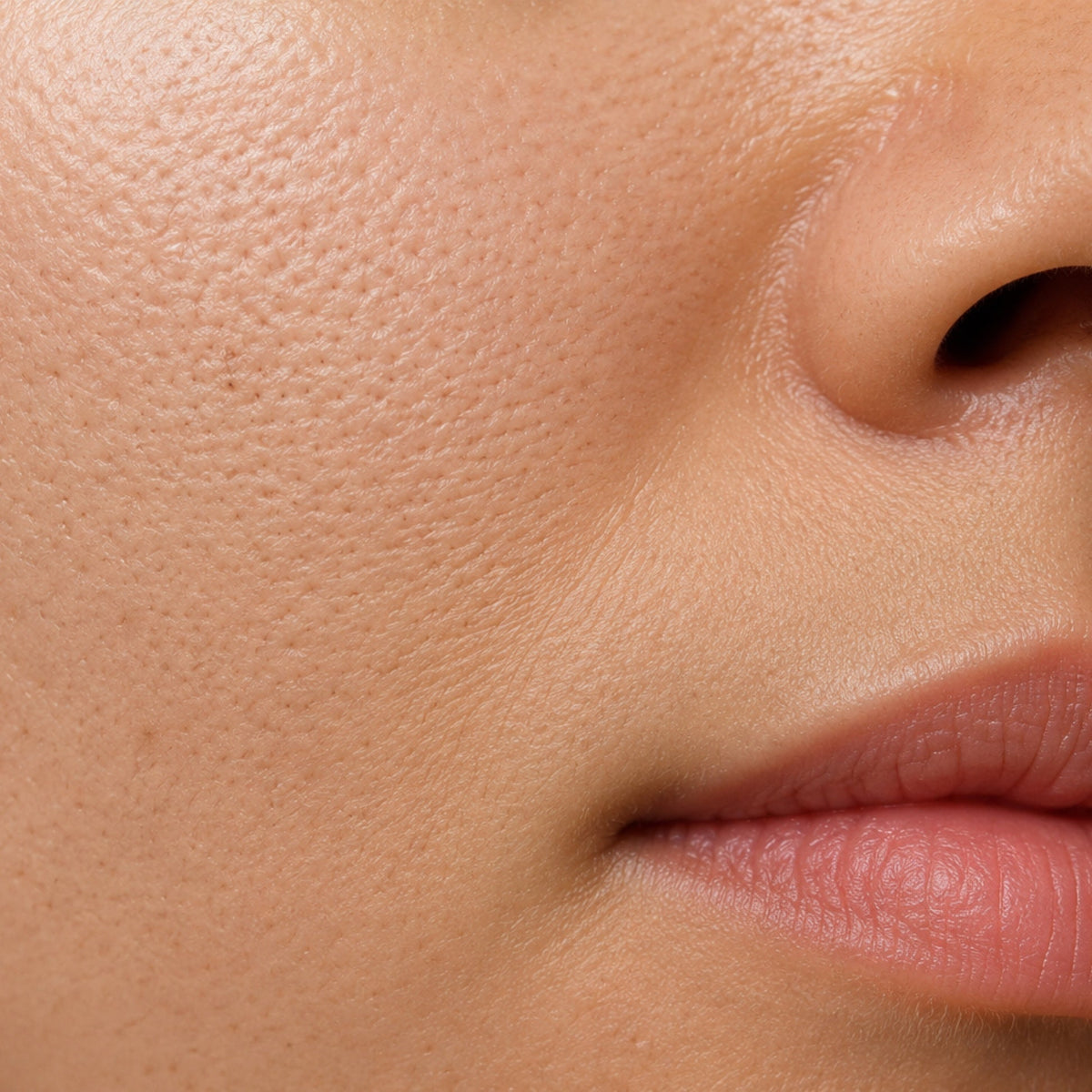
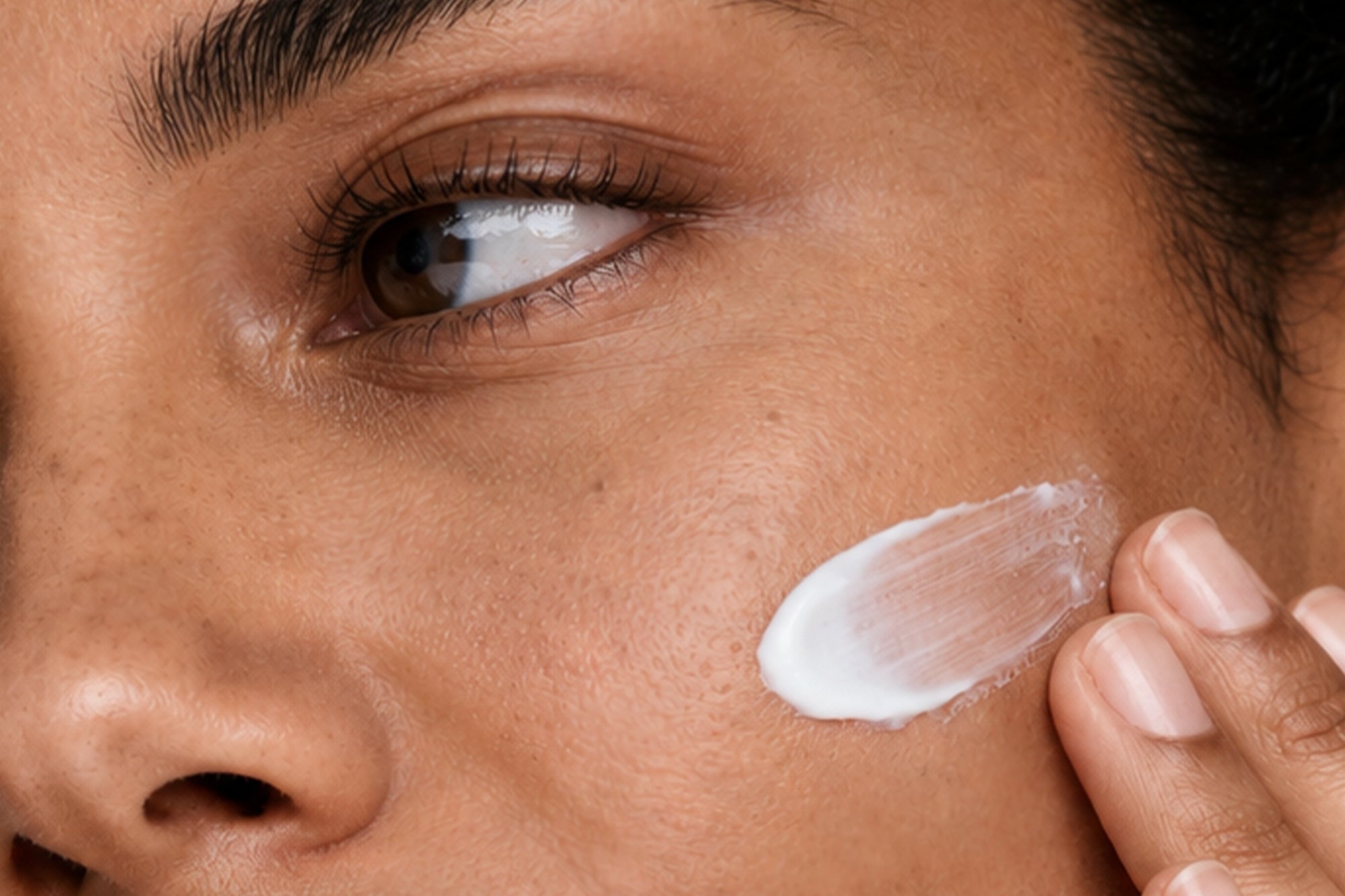
The skin around the eyes is structurally distinct: thinner, more mobile, and exposed to significantly more cumulative environmental stress than most facial regions. That combination means signs of aging not only appear earlier here but behave differently to treatment at a biological level.
Understanding what's happening in the tissue around the eye is the first step toward addressing it effectively.

If you're ready to start, browse NEOVA Eye treatments. These formulations are designed specifically for the periocular zone.
Why Crow's Feet Form Differently Than Other Wrinkles
Not all wrinkles have the same origin.
Lines on your forehead or between your brows form from muscle contractions pulling on skin that's lost elasticity. Crow's feet involve the same dynamic. The orbicularis oculi muscle contracts every time you smile, squint, or blink, but periocular skin has structural differences that accelerate damage.
Key structural features of periocular skin:
- Fewer oil glands than the cheeks or forehead, meaning less natural lipid protection and greater vulnerability to moisture loss.
- Thinner dermis, roughly 0.5mm compared to 2mm elsewhere, so collagen and elastin degrade more visibly.
- Higher movement frequency. Blinking along accounts for thousands of daily micro-contractions.
By your mid-twenties, collagen synthesis declines at approximately 1% per year. In thinner skin, that loss shows earlier.

The Role of UV Damage in Eye-Area Aging![]()
If repetitive movement sets the stage for crow's feet, UV radiation accelerates the process.
How UV targets the eye area specifically:
UVB rays cause direct DNA damage in skin cells. This includes cyclobutane pyrimidine dimers (CPDs). These mutations accumulate in keratinocytes and fibroblasts, impairing their ability to produce collagen and maintain the extracellular matrix.
UVA rays penetrate deeper, generating reactive oxygen species that degrade collagen and elastin through oxidative stress.
The eye socket also creates a natural reflective well. Ambient light bounces upward from below, meaning the lower orbital area receives more cumulative UV exposure than most people realize.
Here, sunscreen prevents sunburn and interrupts the photoaging cascade before it compounds further. NEOVA's Sunscreen collection includes periocular-safe SPF formulas designed for sensitive skin around the eyes.
UV Damage: The Primary Accelerator
If movement creates the pattern, UV exposure accelerates the damage.
UV radiation is responsible for an estimated 80–90% of visible skin aging. Around the eyes, its impact is amplified.
Mechanisms include:
-
UVB: Direct DNA damage (CPDs) that impair fibroblast function
-
UVA: Oxidative stress that degrades collagen and elastin
-
Anatomical reflection: Light bounces into the orbital area, increasing cumulative exposure
This is why we stress sunscreen around the eye area is not optional. It is structural preservation.

SHOP SKINCARE FOR FINE LINES & WRINKLES
Why Topical Copper Peptides Are Effective for Crow's Feet
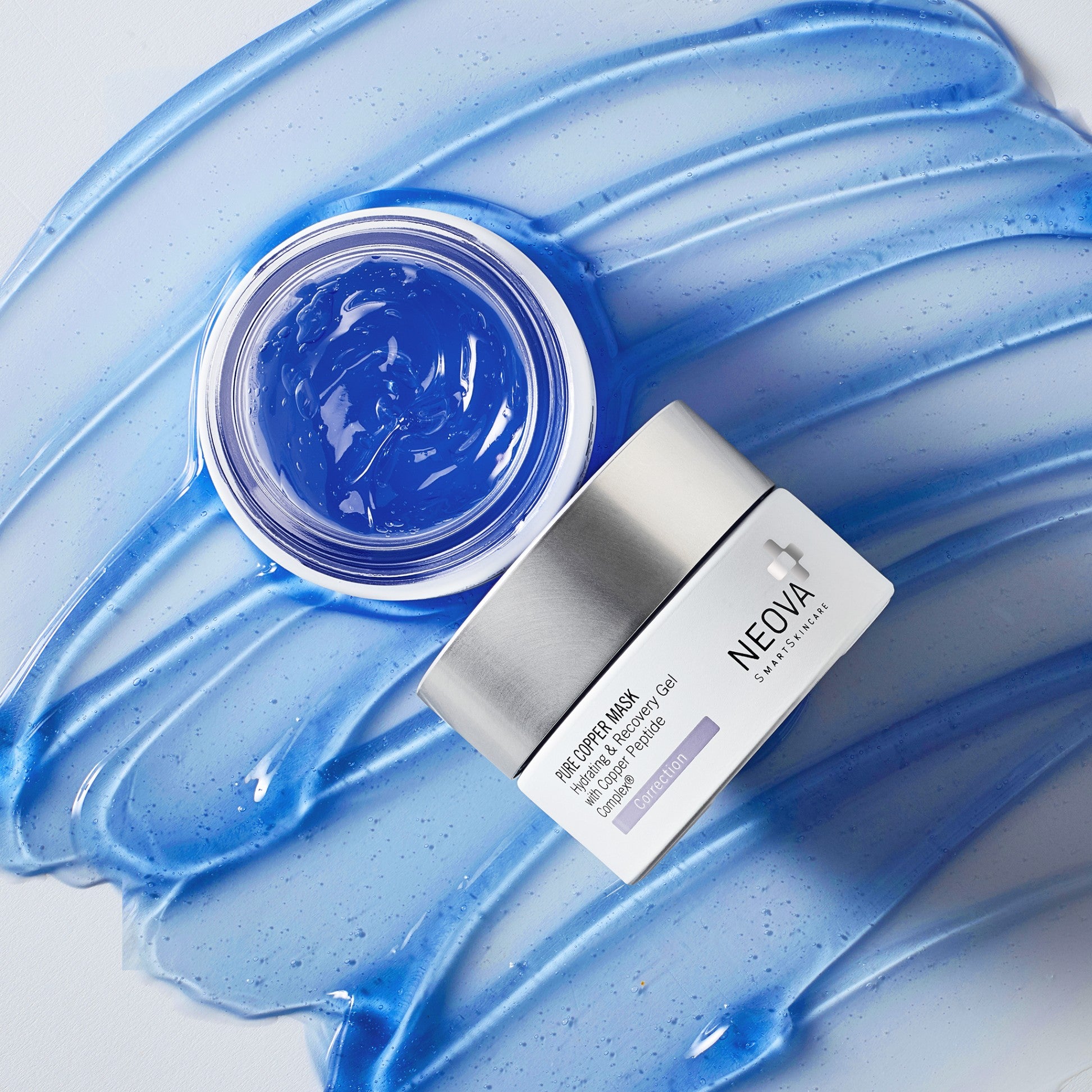
Copper peptides have been studied in dermatology for decades. Their relevance to eye-area aging is particularly strong because they work through multiple mechanisms. This matters because copper peptides do not carry the irritation risk that limits other actives in this zone.
How GHK-Cu works in periocular skin:
Collagen stimulation. Copper peptides activate fibroblasts, the cells that produce collagen and elastin. GHK-Cu regulates structural protein output, improving both quantity and quality in the dermis.
Antioxidant activity. By quenching reactive oxygen species, copper peptides reduce the oxidative damage that breaks down the extracellular matrix and deepens wrinkles.
Tissue remodeling without irritation. Retinoids and strong AHAs are frequently too harsh for the periocular zone, causing redness, stinging, or scaling. Copper peptides support the same remodeling process without disrupting the skin barrier.
Clinical studies on copper peptide formulations show measurable improvements in fine line depth, elasticity, and firmness with consistent use.

NEOVA Super Eye Lift Serum is formulated with GHK-Cu specifically for the periocular area. It addresses the structural causes of crow's feet without irritation.
How DNA Repair Enzymes Reverse Photoaging Around the Eyes
Preventing future UV damage matters. But addressing existing photoaging requires a different strategy.
The core concept: UV-induced DNA mutations. Particularly CPDs impair fibroblasts and keratinocytes from functioning normally. Repairing those mutations restores the cells' ability to produce collagen and maintain healthy tissue.
Photolyases are enzymes that evolved specifically to repair UV-induced DNA damage. When delivered topically in stabilized form and activated by visible light, they recognize and cleave damaged DNA sequences in skin cells. They restore function rather than masking surface appearance.
Clinical studies following topical photolyase application have documented reductions in actinic keratoses, improvements in skin texture and tone, and decreased markers of DNA damage in biopsied tissue.
For crow's feet wrinkles, this is especially relevant. UV damage around the eyes accumulates over years before it becomes visible. A topical that repairs underlying cellular damage works at a more foundational level than most cosmetic treatments.

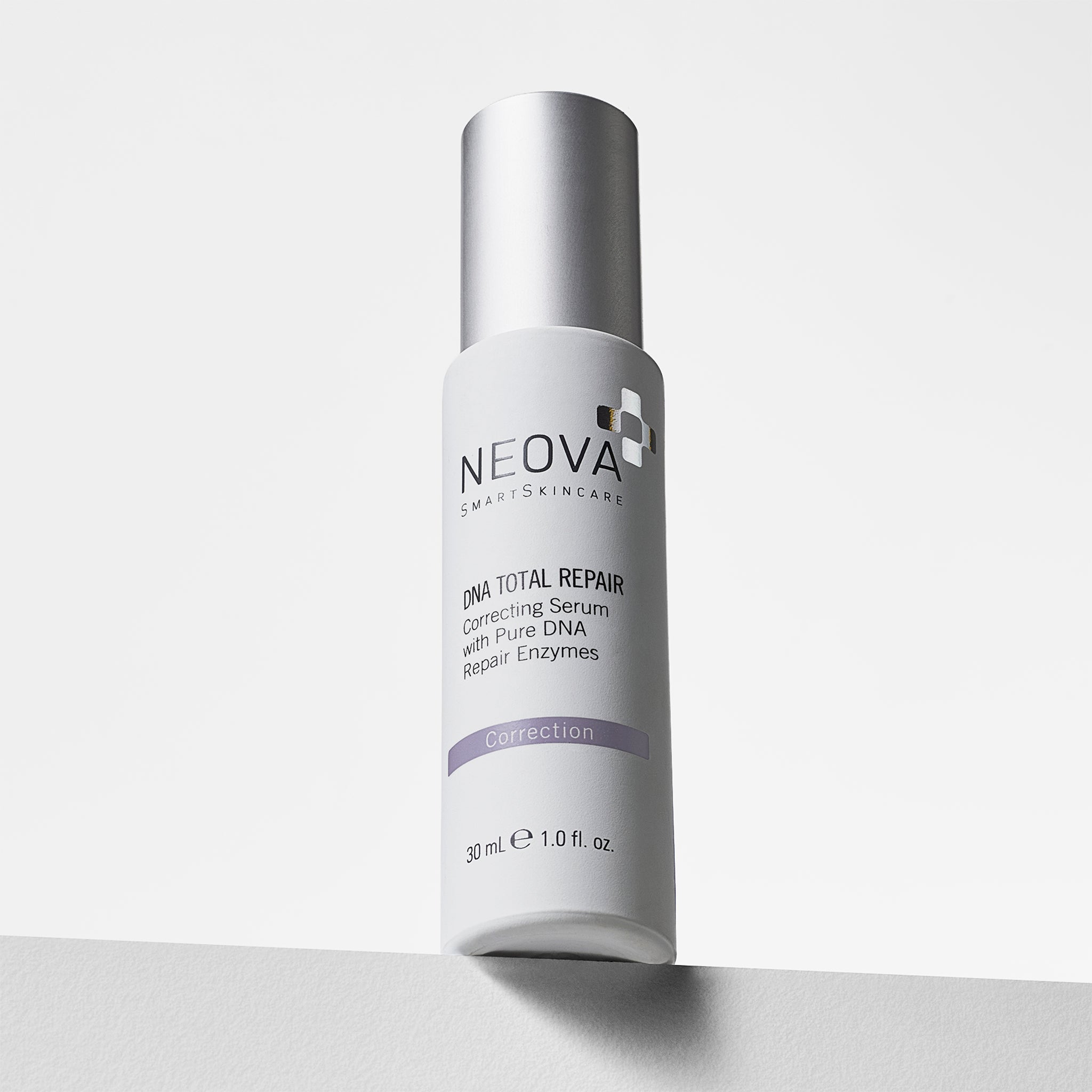
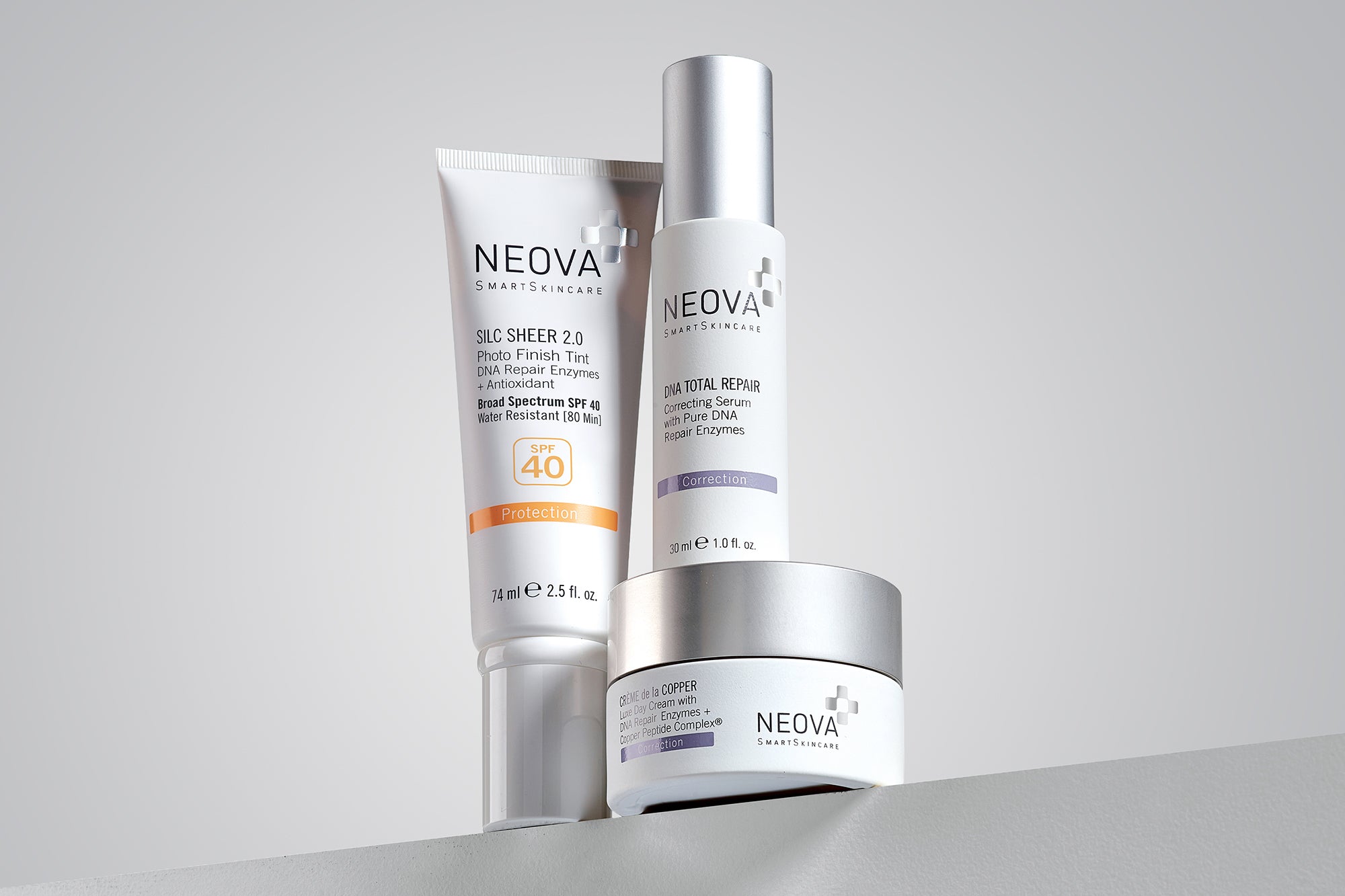
NEOVA DNA Total Repair combines photolyase technology with complementary repair-supporting actives to address photoaging at its source.
The Clinical Routine for Crow's Feet
An effective approach to crow's feet targets four priorities in sequence:
- Cleanse the skin around the eye.
- Repair existing UV-induced cellular damage.
- Rebuild structural collagen and elastin.
- Protect against ongoing UV exposure.
Morning routine:
-
Cleanse the skin around the eye with a gentle skin cleanser.
-
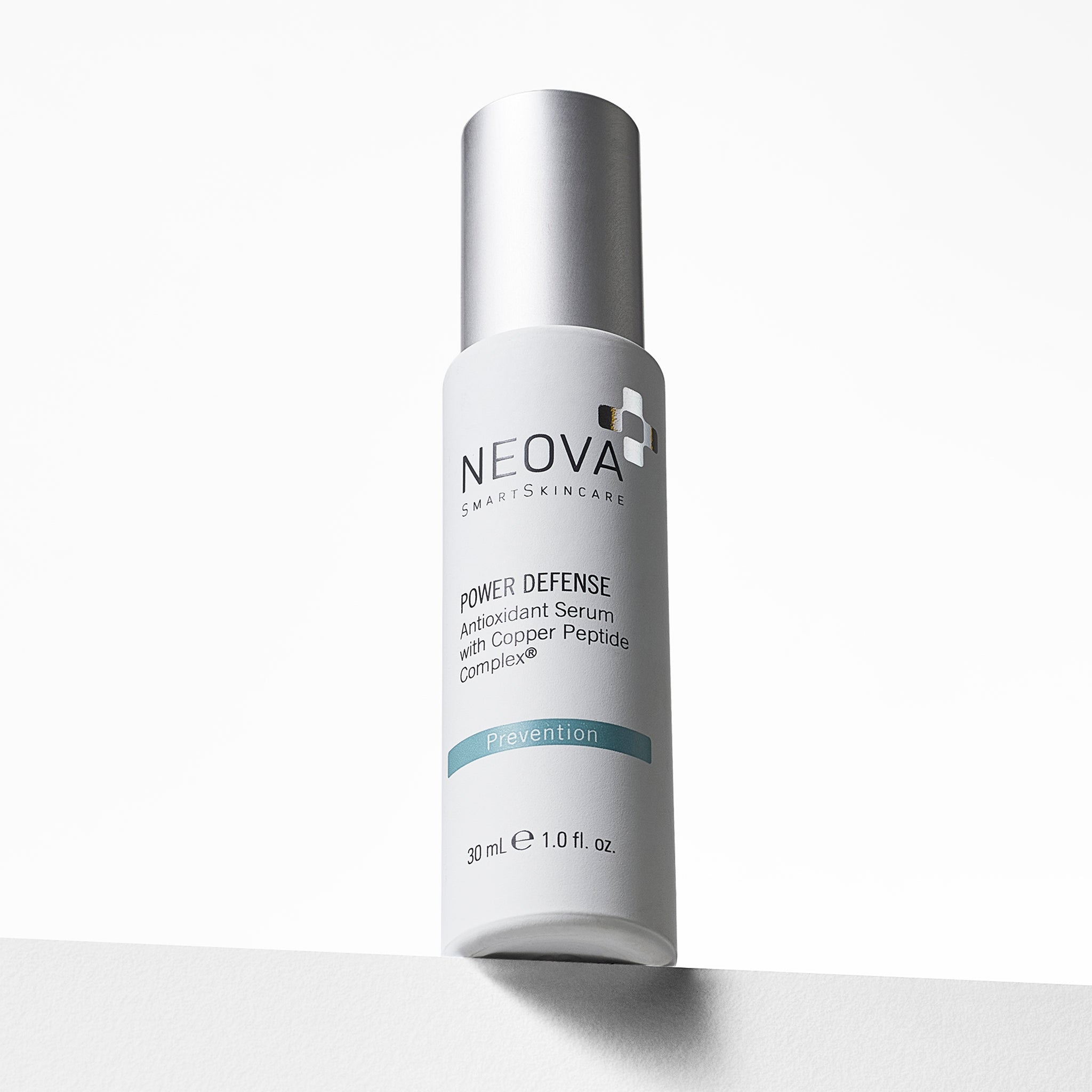
Apply a serum with DNA repair enzymes to address accumulated photoaging and prime cells for healthy function.
-
Follow with NEOVA Super Eye Lift Serum to support collagen synthesis with copper peptides throughout the day.
-
Finish with a periocular-safe SPF sunscreen. This step is non-negotiable.
Evening routine:
-
Cleanse gently. No pulling or rubbing around the eye area.
-
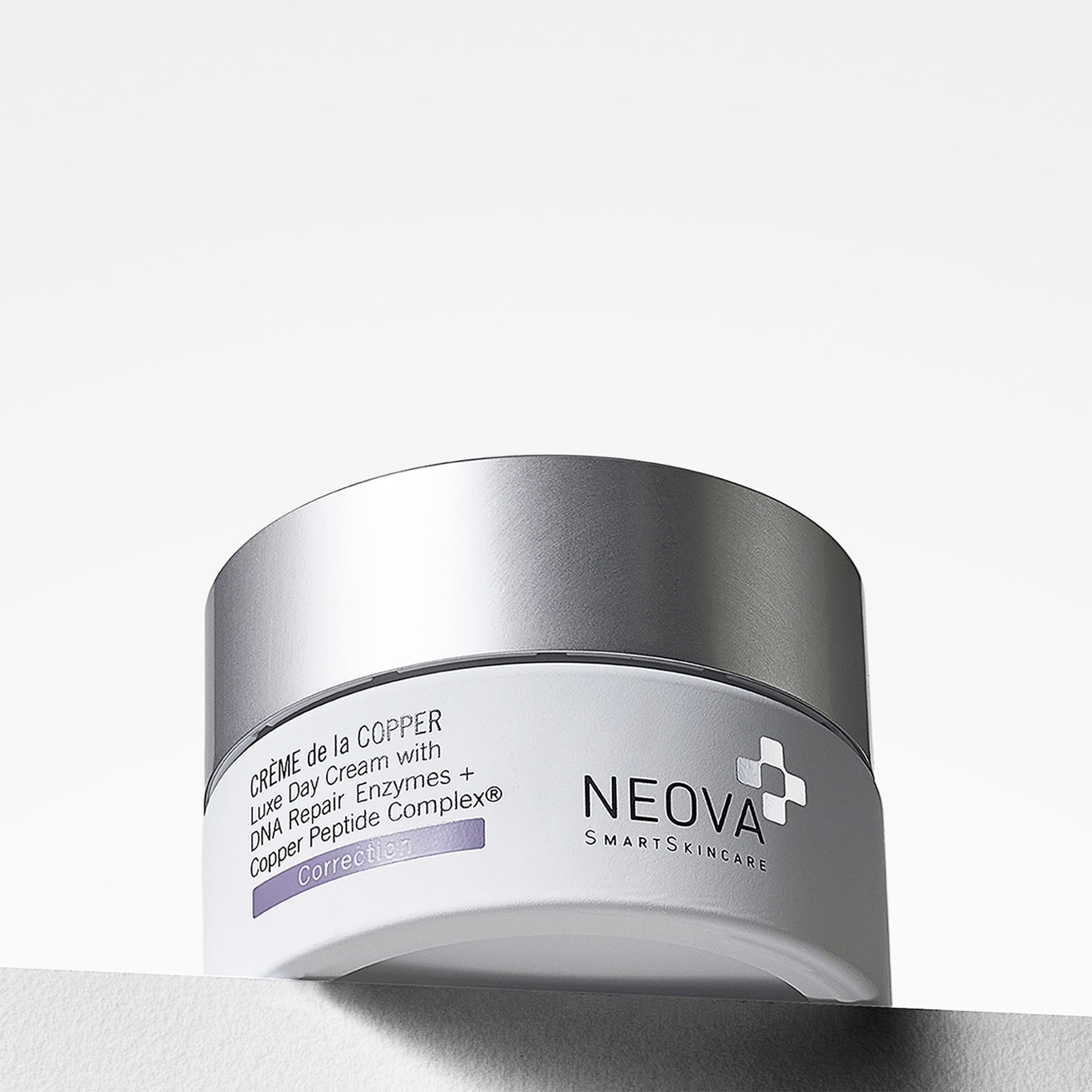
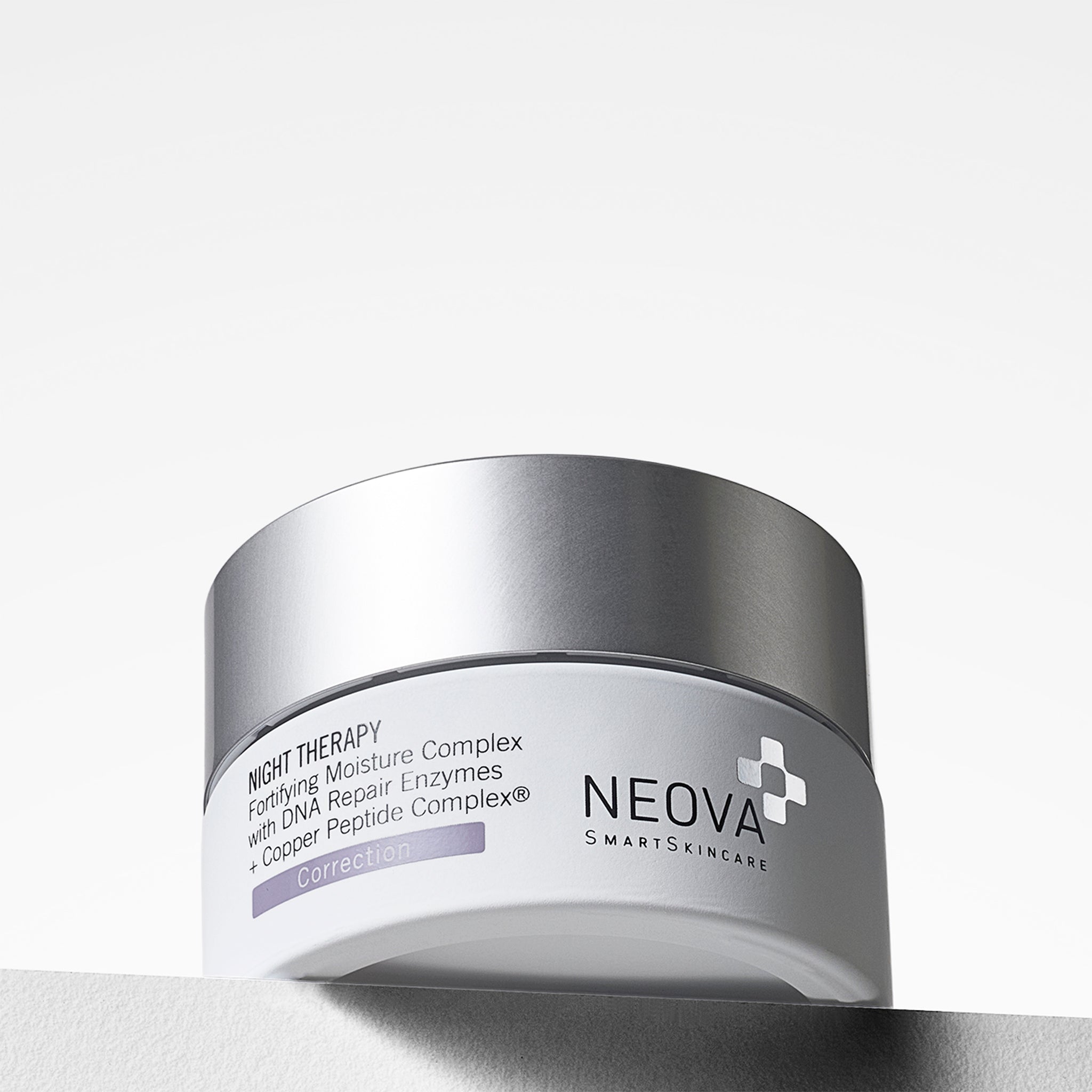
Apply a copper peptide eye cream; nighttime is when the skin enters its most active repair cycle.
What to avoid:
High-potency exfoliants and prescription-strength retinoids, like glycolic acid peels, products with salicylic acid, and Tretinoin, are not appropriate for the periocular zone unless specifically formulated for it. Irritation impairs the barrier function of already-thin skin, worsening photoaging over time. If incorporating a retinoid, use only low-concentration, eye-specific formulations and introduce them gradually.
On consistency:
Crow's feet wrinkles develop over years of cumulative movement, UV exposure, and cellular damage. Clinical improvement in fine line depth and skin texture is realistic within 8–12 weeks of consistent use. The process of treating the eye area requires patience.

FAQs about Treating Crow’s Feet Wrinkles
Can eye serums really reduce crow’s feet wrinkles?
Eye serums and creams can help improve the appearance of crow’s feet by hydrating the skin and supporting elasticity. While they won’t erase deep lines, consistent use can soften their appearance over time.
When should I start treating crow’s feet wrinkles?
It’s best to start early, ideally when fine lines first become noticeable with facial expressions. Early intervention helps slow progression and supports long-term skin firmness around the eyes.
What ingredients help with crow’s feet wrinkles?
Ingredients like peptides, antioxidants, and gentle retinoid alternatives can help support collagen and improve skin texture. Hydrating ingredients also play a key role in minimizing the appearance of fine lines.
Is your Illuminating Eye Serum ok to use on crow’s feet wrinkles?
Yes, Illuminating Eye Serum can be used on the crow’s feet area to help hydrate and brighten the skin. However, it is primarily designed for under-eye radiance and dark circles, so it may not deliver the same targeted wrinkle-smoothing benefits as more advanced treatment formulas like, Super Eye Lift Serum.

Ready to Build Your Eye-Area Protocol?
The skin around your eyes requires a targeted approach. It must be built on the clinical realities of thin, mobile, UV-exposed tissue.
The right protocol combines:
- DNA repair to address photoaging at the cellular level with NEOVA DNA Total Repair
- Copper peptide support to rebuild collagen and elastin with NEOVA Super Eye Lift Serum
- Daily photoprotection to stop further accumulation with NEOVA SPF formulas
Start with the right ingredients, protect against ongoing damage, and give the process time to work.
Explore the full NEOVA clinical skincare range at neova.com.