GHK-Cu vs AHK-Cu: Which Copper Peptide Is More Effective?
When it comes to GHK-Cu vs AHK-Cu, the debate is less about which peptide is better and more so about understanding what each one does and why your skin may need both. These two copper peptides share the same essential mineral co-factor, yet they operate through distinct biological pathways to deliver measurably different results.
At NEOVA SmartSkincare, copper peptides science is the foundation our entire clinical line was built upon. For over two decades, our formulations have leveraged the unique regenerative power of copper-binding tripeptides to address aging, photodamage, and compromised barrier function at the cellular level.
This guide breaks down how each type of copper peptide works, how they differ, and how to choose the right option for your skin goals.

What Is GHK-Cu and How Does It Work?
GHK-Cu, or glycyl-L-histidyl-L-lysine copper, is a naturally occurring tripeptide first found in human plasma. It has a strong affinity for copper ions, which are essential cofactors in enzyme processes related to tissue maintenance and repair.
Concentrations of GHK-Cu in the body decline significantly with age, from approximately 200 ng/mL in young adults to under 80 ng/mL by age 60, making topical replenishment meaningful.
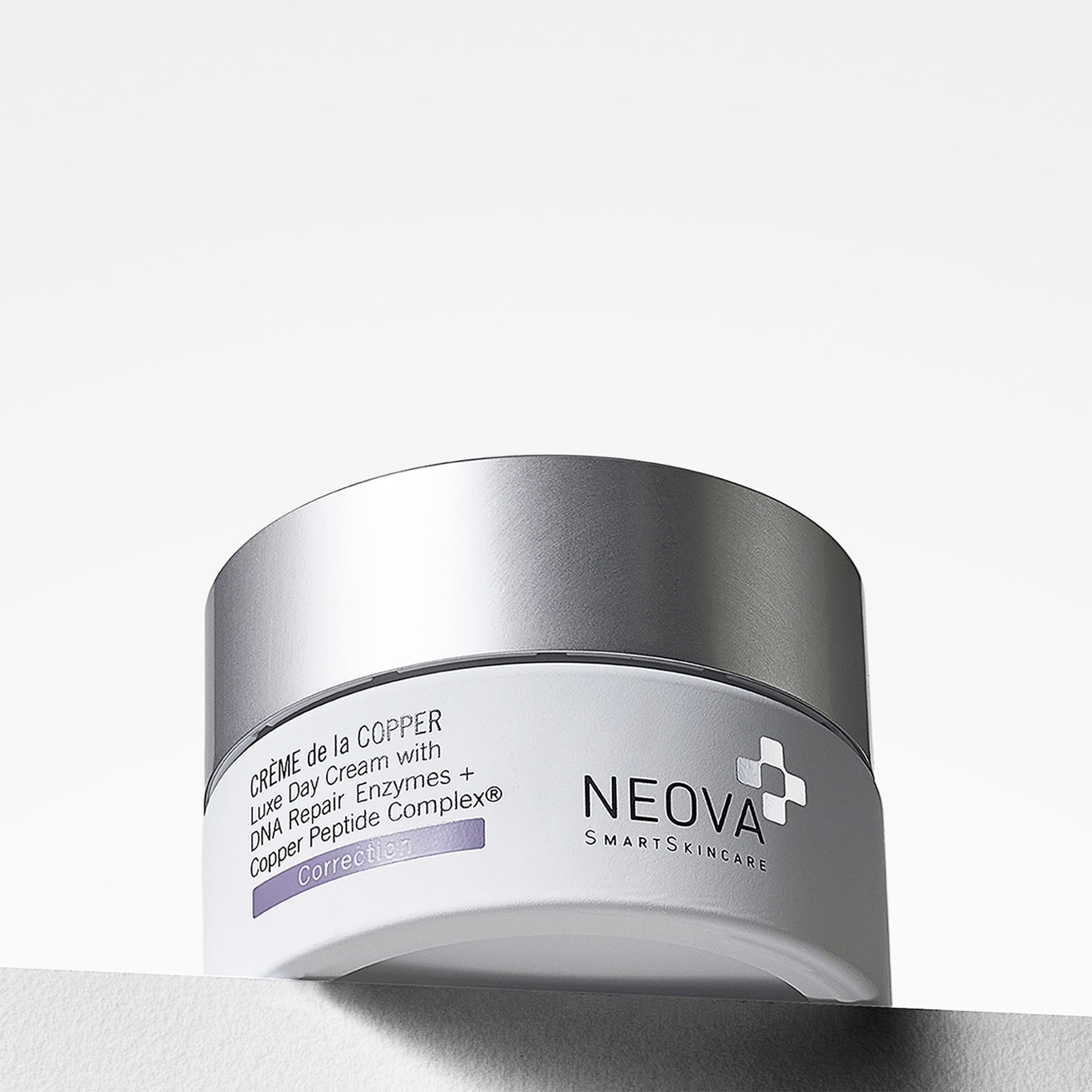
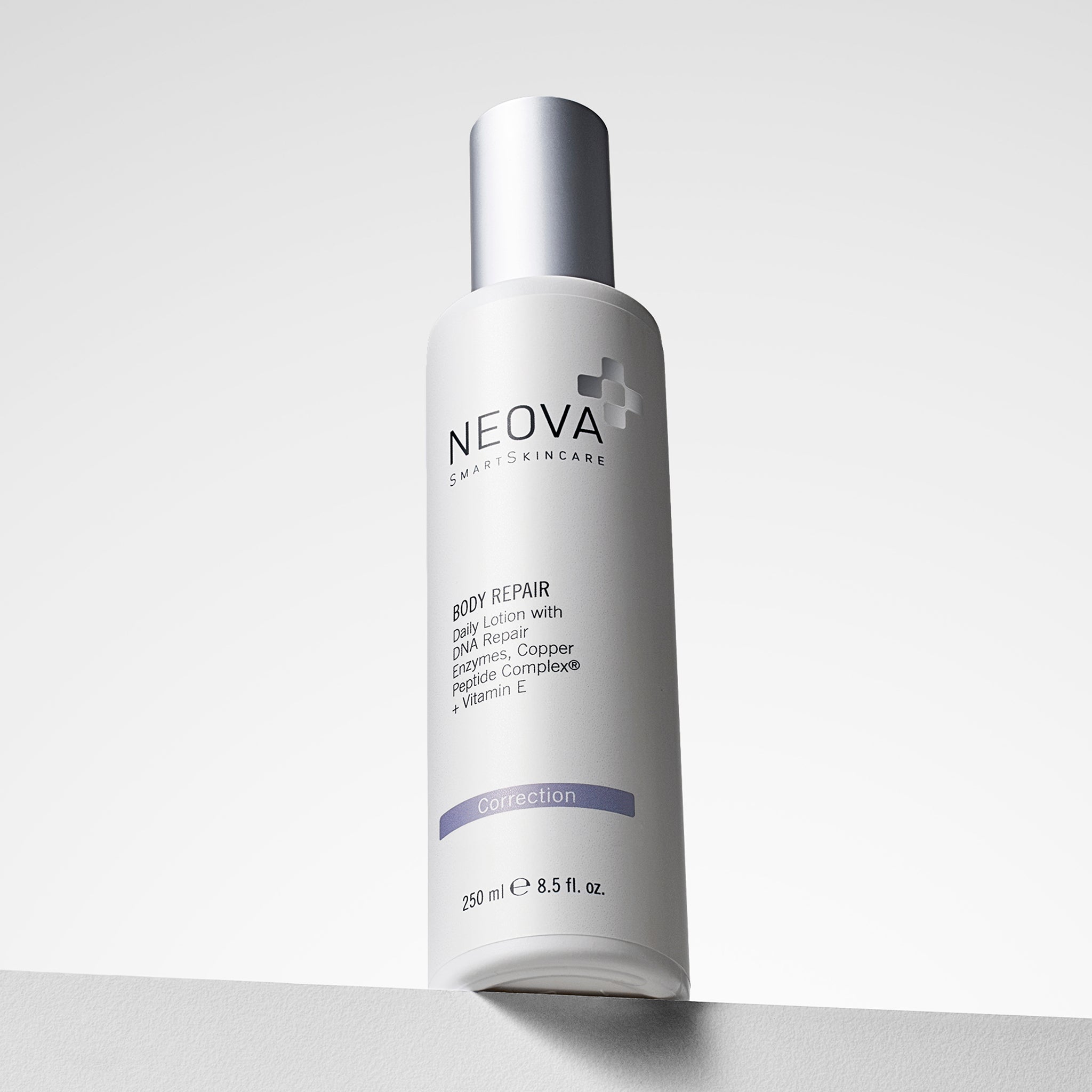
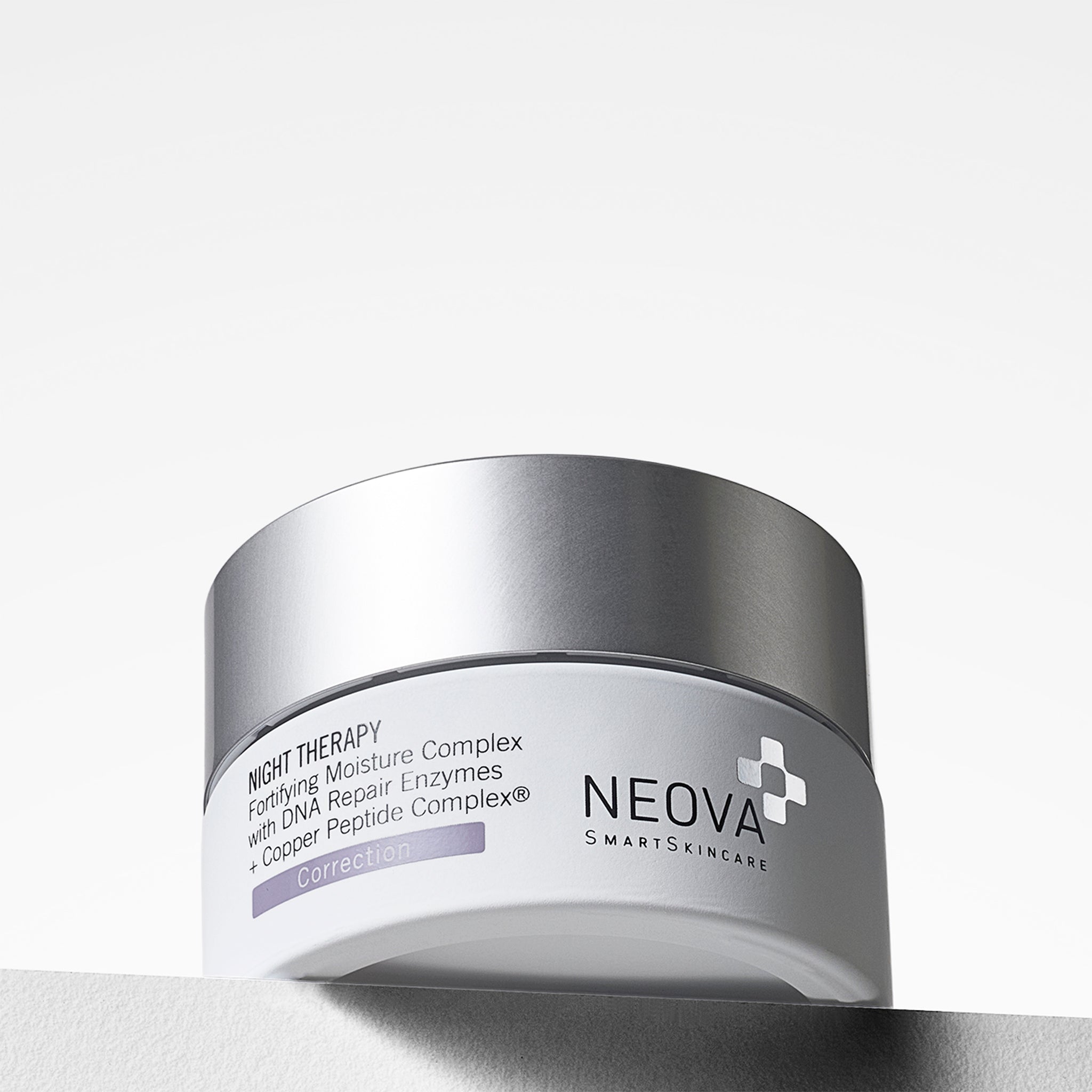
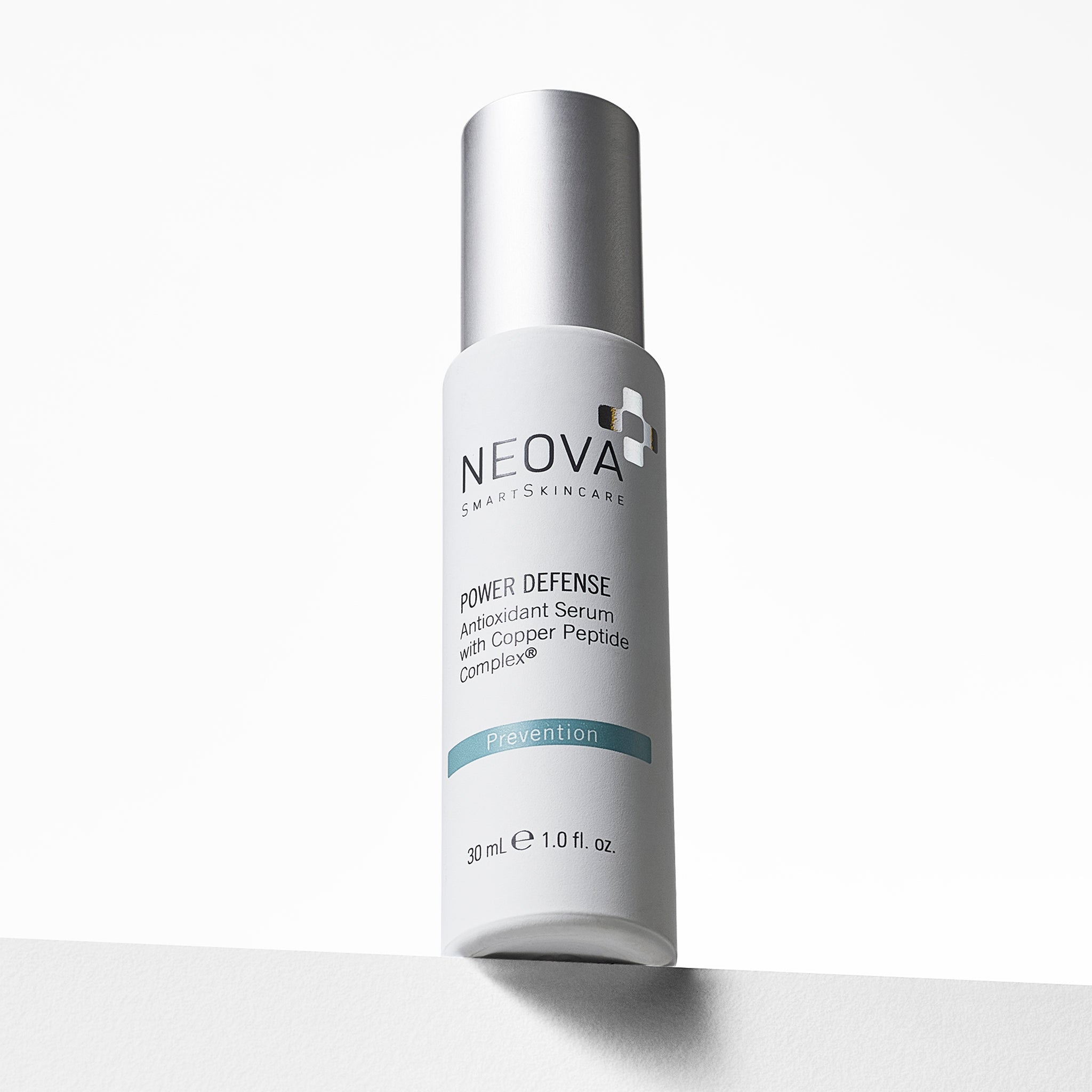
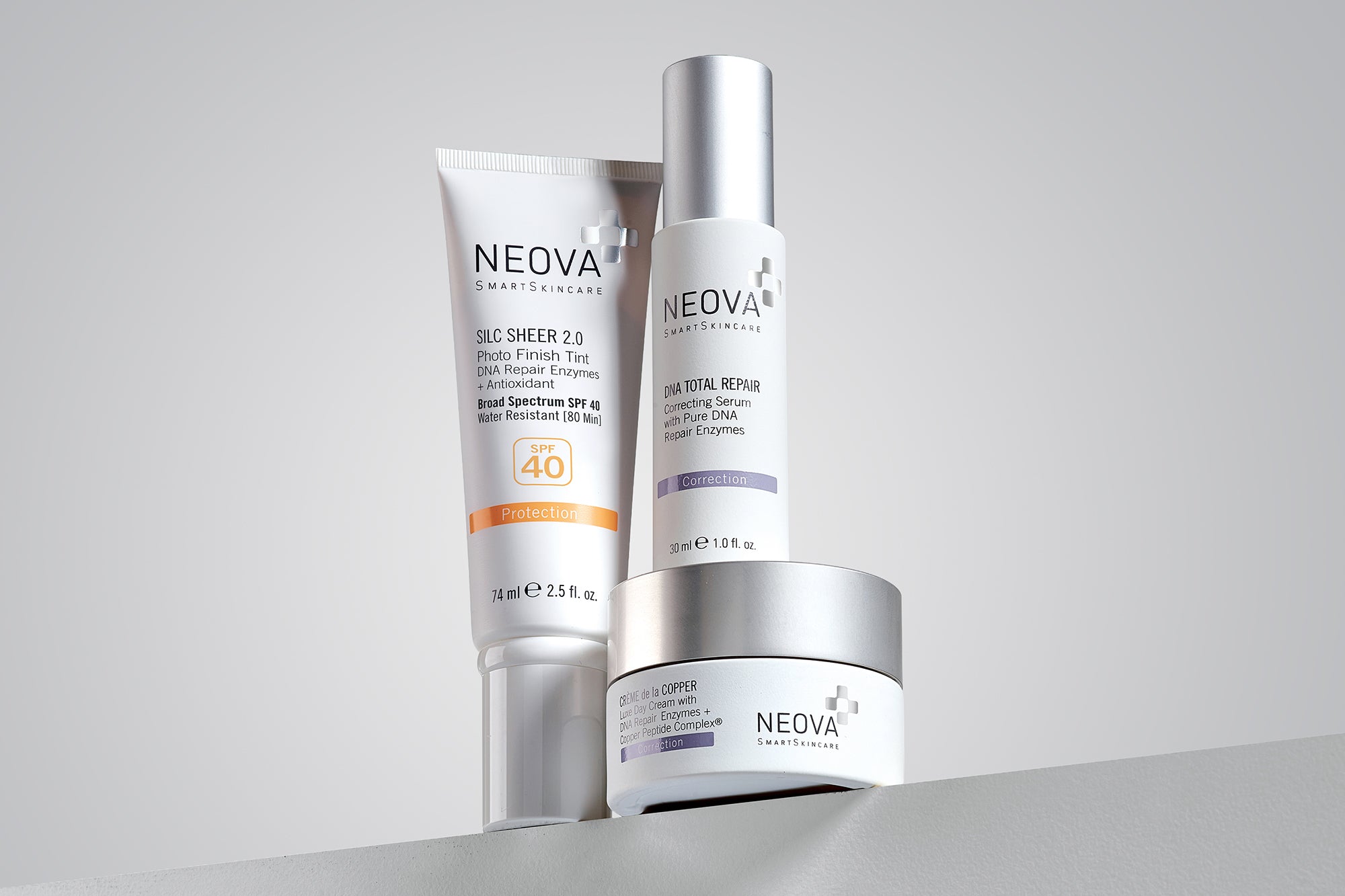
But, not all copper peptide formulations deliver equally. NEOVA's patented Copper Peptide Complex® was developed specifically to close the gap between what GHK-Cu can do in research and what it actually does on skin. By stabilizing the copper-peptide bond and optimizing bioavailability at the dermal level, the Complex ensures the active doesn't degrade before it can act (a common limitation in standard formulations).
When applied to skin through NEOVA's Copper Peptide Complex, GHK-Cu acts as a multi-functional signaling molecule. It:
- Stimulates collagen and elastin synthesis
- Supports extracellular matrix remodeling
- Helps regulate inflammation pathways
- Encourages antioxidant defense activity
In practical terms, this translates to improved skin density, reduced fine lines, accelerated recovery from UV damage, and a measurable increase in skin firmness over 8–12 weeks of consistent use.

What Is AHK-Cu and How Is It Different?
On the other hand, AHK-Cu, or alanine-histidyl-lysine copper, is a synthetic tripeptide engineered to replicate and amplify specific mechanisms found in naturally occurring copper peptides. While GHK-Cu is recognized for its broad regenerative capabilities, AHK-Cu is more selectively targeted, acting primarily on the microenvironment of the scalp.
AHK-Cu significantly stimulates vascular endothelial growth factor (VEGF), a key driver of angiogenesis, or the formation of new capillaries that deliver oxygen and nutrients to dermal tissue.
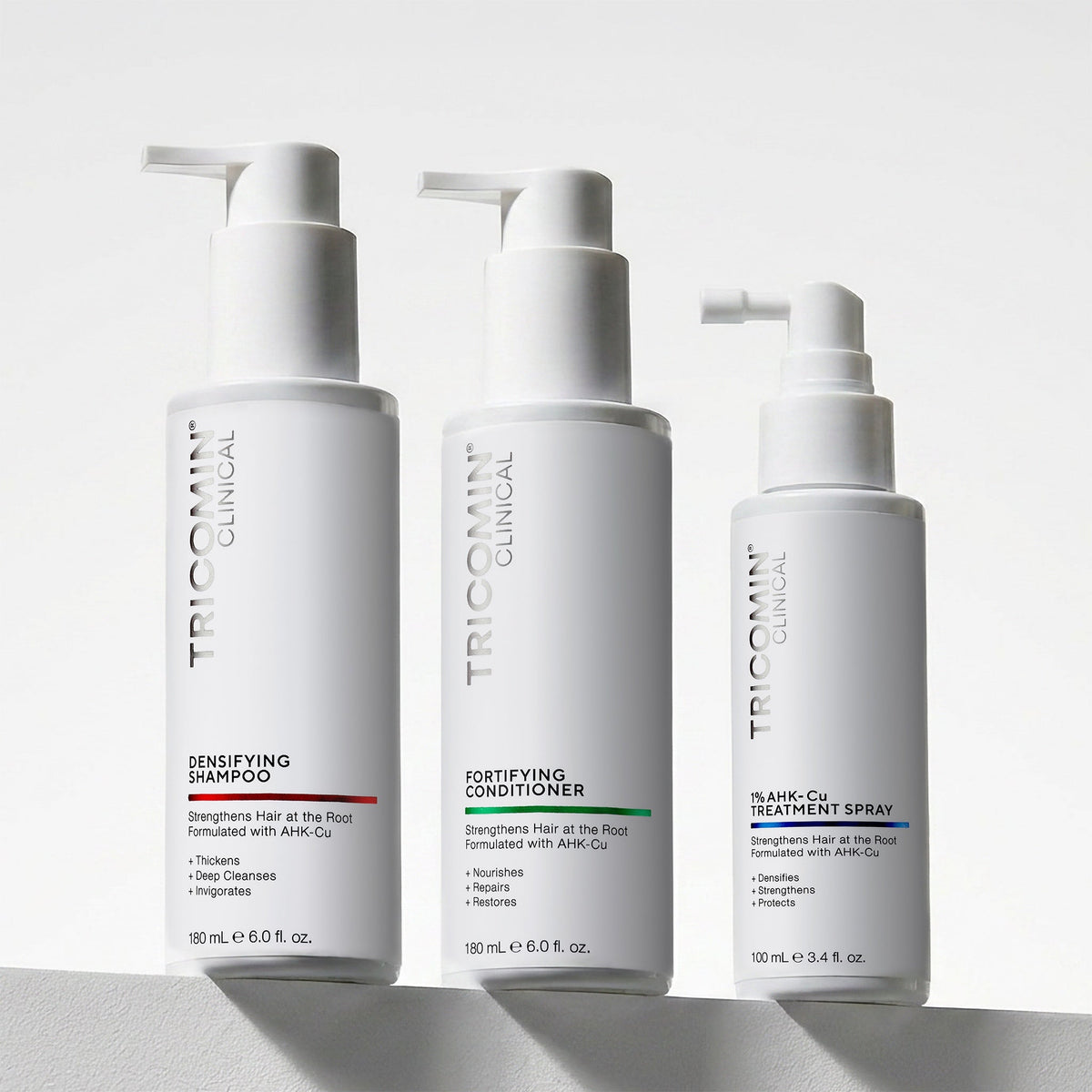
In NEOVA formulations, AHK-Cu is used exclusively in the Tricomin clinical hair care system.
NEOVA’s Tricomin line leverages AHK-Cu to support:
- Scalp vitality and microenvironment balance
- Follicle function and anchoring strength
- Hair shaft resilience and appearance of density
- Improved scalp circulation and nourishment delivery
This targeted use reflects its design purpose, which is more aligned with scalp biology than facial skin regeneration.

GHK-Cu vs AHK-Cu: A Side-by-Side Comparison
Understanding the distinctions between these two actives is essential for building an effective skincare routine. The table below summarizes the core functional differences of these two copper peptides.

Why NEOVA Formulates with Both Copper Peptides
Most brands that use copper peptides choose one and build around it. NEOVA’s clinical approach is fundamentally different: our formulations are designed around the principle of copper peptide synergy. When GHK-Cu and AHK-Cu are used in coordinated protocols, their distinct mechanisms reinforce each other and allow for more precise and effective outcomes.
GHK-Cu rebuilds the structural architecture of the dermis, increasing collagen density and improving the skin's capacity to retain moisture and resist mechanical stress. Simultaneously, AHK-Cu improves the vascular environment that feeds dermal scalp tissue, ensuring that the raw materials for repair are efficiently delivered at the cellular level.
By keeping these two copper peptides separate, NEOVA can tailor formulations, delivery systems, and supporting ingredients to maximize performance in each specific use case.

How to Use GHK-Cu and AHK-Cu in Your Routine
We recommend a layered approach: apply lighter copper peptide formulations before richer, film-forming ones to maximize penetration and avoid competitive binding at the receptor level.
Recommended NEOVA Clinical Protocol with Copper Peptides
To support both scalp vitality and skin renewal, the following NEOVA copper peptide protocols are designed as a complete head-to-face regimen that works synergistically to optimize repair, hydration, and long-term cellular health.
Hair + Scalp Optimization
-
Step 1 – Cleanse & Prep
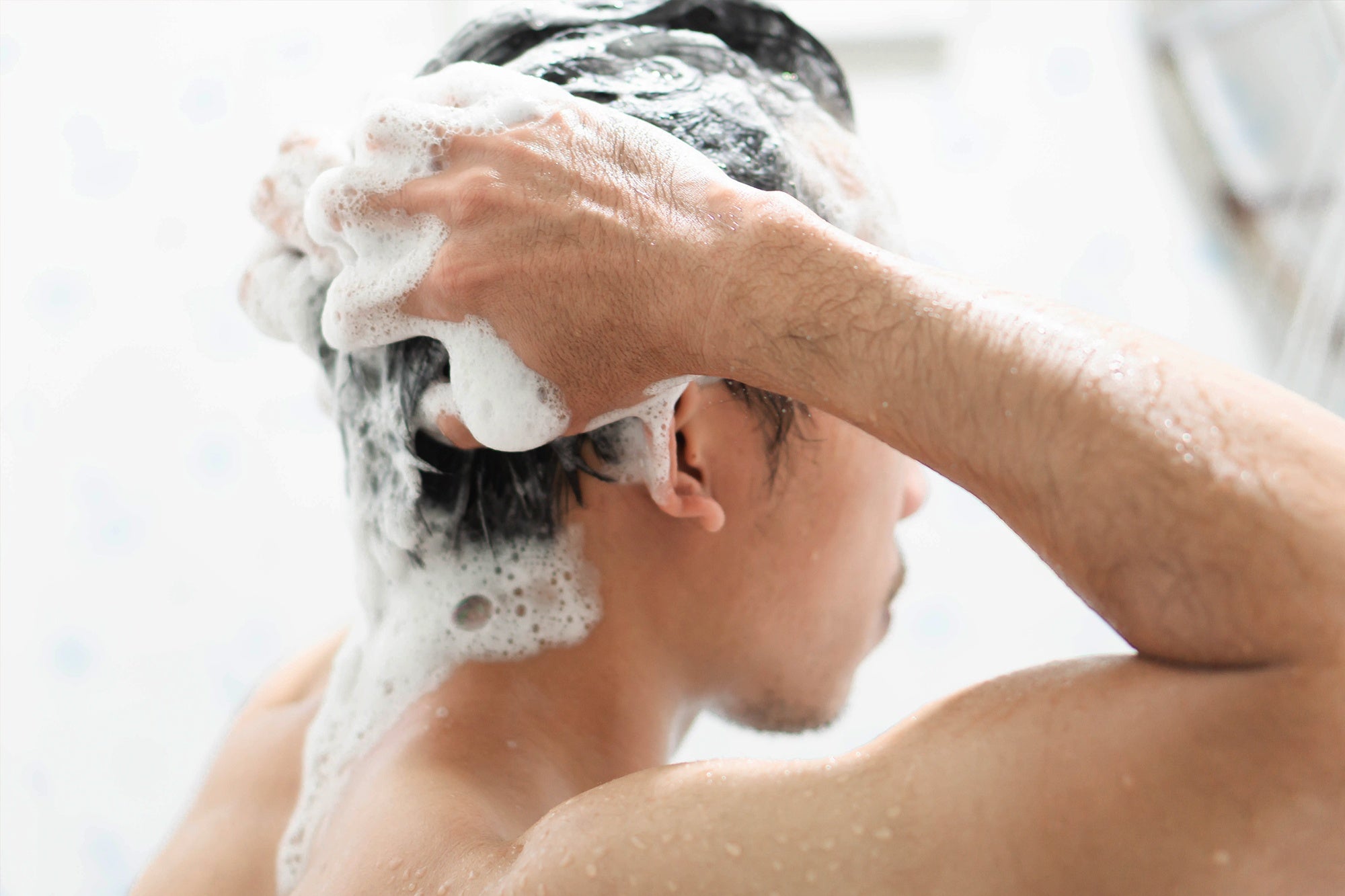
Begin with a gentle, sulfate-free densifying shampoo to remove buildup, excess oil, and environmental residue while preserving the scalp’s natural balance and integrity. -
Step 2 – Condition & Fortify
Follow with the Tricomin Fortifying Conditioner to restore moisture, improve manageability, and strengthen the hair fiber, helping create an optimal foundation for scalp-focused actives. -
Step 3 – Activate & Treat
Apply the 1% AHK-Cu Treatment Spray directly to the scalp. This lightweight mist delivers copper peptides efficiently to the dermal-epidermal junction, helping support scalp circulation and maintain a healthier follicular environment.

Facial Rejuvenation Protocol
-
Step 1 – Cleanse
Begin with Cu3 Gentle Cleanser to remove impurities while maintaining skin integrity and preparing the complexion for optimal absorption of active ingredients. -
Step 2 – Soothe & Restore
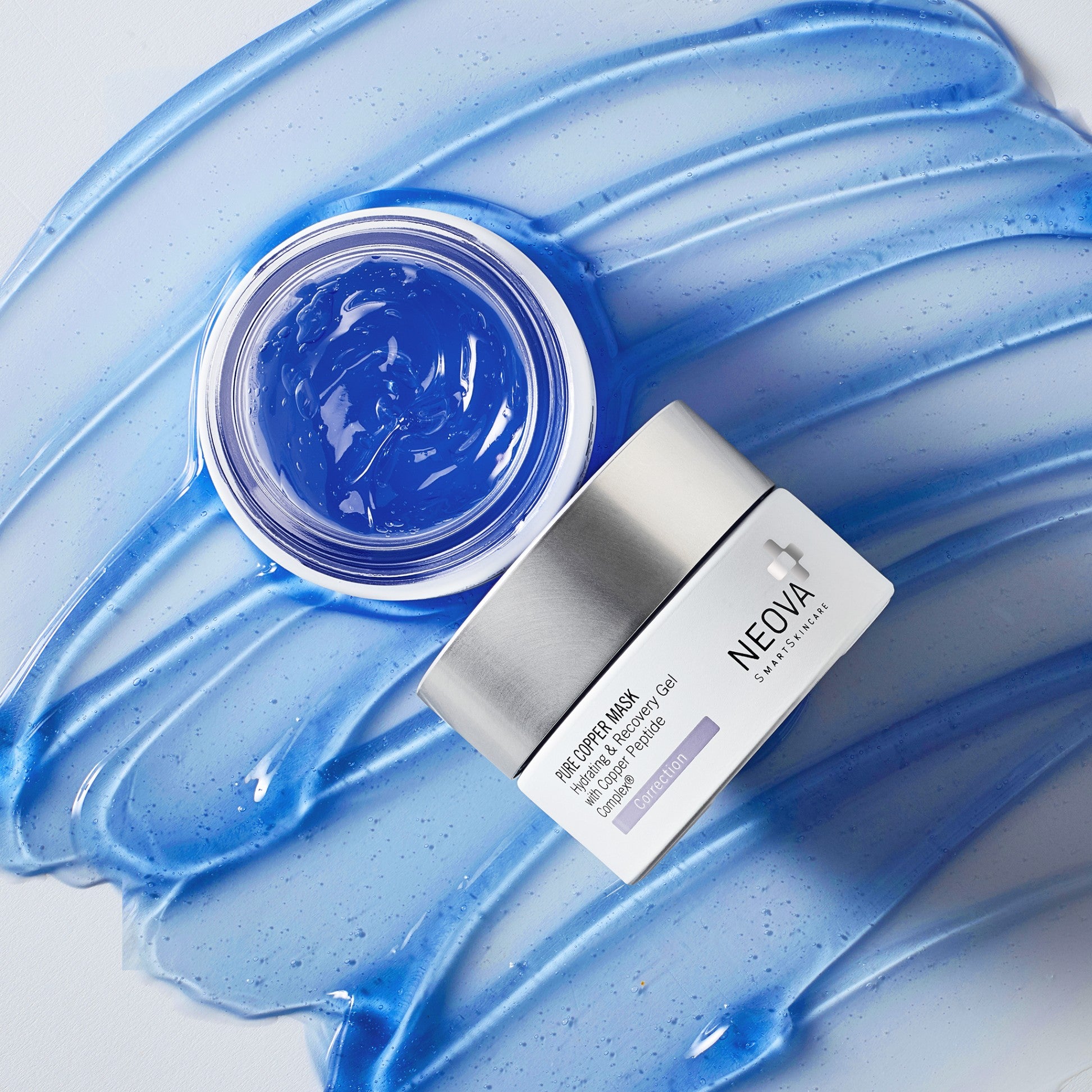
Apply Pure Copper Mask with Copper Peptide Complex® to calm the skin and deliver a concentrated dose of copper peptides, helping to support barrier function and visibly improve overall skin resilience. -
Step 3 – Treat & Repair
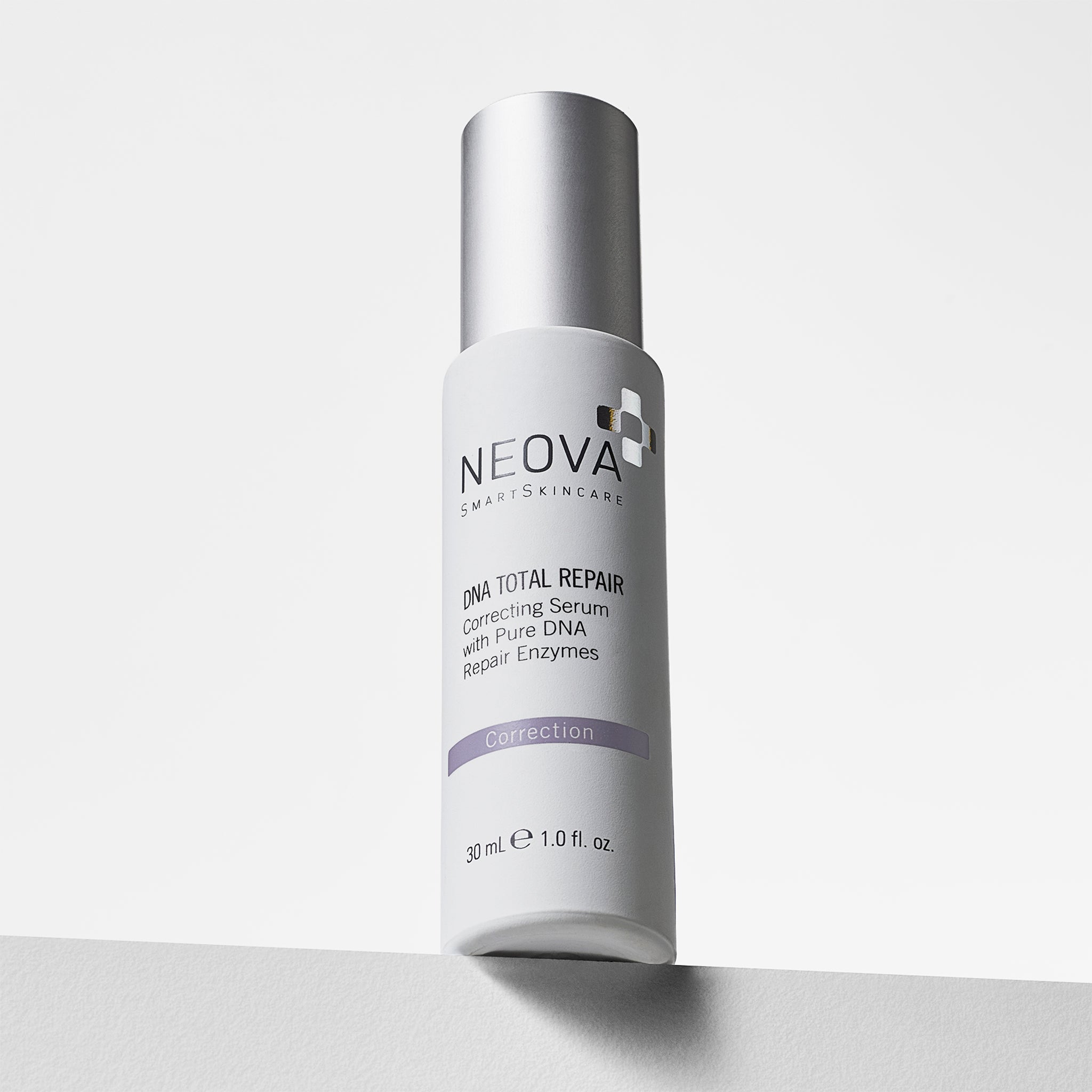
Follow with DNA Total Repair to target signs of UV damage, pigmentation irregularities, and visible aging at the cellular level, supporting natural repair processes. -
Step 4 – Hydrate & Moisturize
Apply Daily Moisture cream to replenish hydration, reinforce the lipid barrier, and maintain long-lasting skin comfort and balance. -
Step 5 – Protect
Finish with Active sunscreen to defend against UVA/UVB exposure and prevent future environmental damage, preserving results achieved through treatment.

Who Should Prioritize GHK-Cu vs AHK-Cu?
Both peptides are appropriate for adults experiencing age-related skin changes, but your primary concern can guide which formulation to emphasize in your protocol.
Prioritize GHK-Cu if: You're primarily concerned with visible wrinkles, skin laxity, photodamage, post-procedure recovery, or compromised barrier function. GHK-Cu's broad collagen-stimulating and antioxidant signaling makes it the cornerstone active for structural anti-aging.
Prioritize AHK-Cu if: Thinning hair, reduced scalp density, or poor follicular circulation are your primary concerns. AHK-Cu's vascular mechanism delivers results that pure structural peptides cannot replicate.
For most NEOVA users, the answer is a sequenced protocol that puts both copper peptides to work at the right moment in your routine.

FAQs About GHK-Cu vs AHK-Cu
Can you use GHK-Cu and AHK-Cu together?
Yes. Because they operate through distinct pathways, GHK-Cu and AHK-Cu are complementary rather than redundant. Using them in sequence (lighter AHK-Cu spray first, followed by GHK-Cu–rich creams or serums) allows each peptide to optimize a different aspect of skin biology. NEOVA's multi-step copper peptide protocols are designed around this synergistic principle.
Are copper peptides safe for sensitive skin?
Copper peptides, including both GHK-Cu and AHK-Cu, have a well-established safety profile and are generally well-tolerated by sensitive skin types. Unlike retinoids or exfoliating acids, they do not typically cause irritation, peeling, or photosensitivity. However, copper peptides should not be mixed directly with high-dose vitamin C or strong AHA/BHA formulations in the same application step, as these can chelate copper ions and reduce efficacy. NEOVA's formulations are pH-optimized to maintain peptide stability and tolerability.
Does NEOVA use AHK-Cu in skincare products?
No. AHK-Cu is used exclusively in NEOVA's Tricomin hair care system and does not appear in any NEOVA skincare formulations at this time.
Is GHK-Cu used in Tricomin Shampoo and other Tricomin haircare products?
No. Tricomin formulations are anchored by AHK-Cu alongside supporting scalp actives. At the moment, GHK-Cu is not part of the Tricomin system.

Experience the Copper Peptide Difference
Explore NEOVA's range to find the GHK-Cu and AHK-Cu formulas right for you.