
What is Medical-Grade Skincare?
Medical-grade skincare is a term that sounds authoritative the moment you hear it, and that's exactly why the beauty industry has latched onto it. You'll find it on $18 serums at the drugstore checkout and on $300 formulations sold through a board-certified dermatologist's office. Same words. Very different realities.
If you've ever stood in a clinic or a medical spa, holding a product you genuinely couldn't evaluate, wondering whether you were about to spend real money on something real, this is for you. Let's sort out what the term actually means, what it demands of a product, and how to tell the difference when it counts.

The Definition of Medical-Grade Skincare
Here's the honest truth: "medical grade" isn't a legally protected term. There's no FDA checklist a brand ticks to earn it. But that doesn't make it meaningless. It makes it something you have to know how to read.
In clinical practice, medical grade skincare describes products formulated with active ingredients at concentrations high enough to produce measurable, biological changes in the skin. Not just at the surface, but at the cellular level. We're talking about real effects– collagen synthesis, melanin regulation, DNA repair, barrier restoration– with real physiological outcomes.
The standard also includes how a formula is built. Active ingredients have to actually reach their target tissue, which means the delivery system (the emulsion, the pH, the encapsulation technology) has to be engineered to get them there. A retinol that breaks down before it crosses the stratum corneum isn't medical grade. It's just a moisturizer with a label.
Genuine medical grade products are validated by data, by dermatologists, and by controlled studies measuring real outcomes, not focus groups rating how much their skin feels "refreshed".
The distribution model also matters. Authentic medical grade formulations are sold through licensed professionals who can assess your skin, match the product to your biology, and monitor what happens when you use it.
At its core, the definition of medical grade skincare is a commitment: every ingredient, at every concentration, has a documented reason to be there.

How "Medical Grade" is Different from "Over-the-Counter"
Think about the last time you bought a retinol from a drugstore shelf. Did it tell you what percentage of retinol was in it? Probably not. Under U.S. law, it didn't have to.
Over-the-counter (OTC) products are regulated as cosmetics under the FDA’s Federal Food, Drug, and Cosmetic Act, which means they can only legally claim to temporarily alter the appearance of skin, not to change its structure or function. That's a significant constraint. It's also why OTC manufacturers can put 0.01% retinol and 0.5% retinol in near-identical packaging, charge similar prices, and get away with it. You have no way of knowing what you're actually buying.
Medical grade formulations operate differently. Prescription-strength actives, like tretinoin, require physician oversight by law. Professional-grade actives such as high-concentration niacinamide and stabilized vitamin C at 15-20% sit in a clinical category where the professional prescribing or recommending the product is accountable for matching concentration to the patient.
The delivery vehicle matters too, and this is where a lot of people get caught off guard. A poorly engineered emulsion can degrade active ingredients before they ever penetrate the skin. Medical grade formulations invest in stability science, including encapsulation, pH-optimization, and time-release matrices, because the point is for the actives to work, not just to exist on the ingredient list.
OTC products are formulated to what's marketable. Medical grade skincare is formulated to what's measurable.

How to Identify Genuine Medical Grade Products
With "medical grade" now appearing on products sold far outside clinical settings, you need a clear framework for separating well-formulated products from those borrowing the language. Here's what to actually look for:
Disclosed active concentrations. If a product markets vitamin C but doesn't tell you whether it's L-ascorbic acid, ascorbyl glucoside, or tetrahexyldecyl ascorbate, and at what percentage, that's not transparency. Genuine medical grade brands disclose what's in the bottle because the concentration is clinically justified and worth stating.
Published clinical data. Look for specific outcome numbers: percentage improvements in hyperpigmentation, measurable reductions in transepidermal water loss (TEWL), quantified changes in collagen density measured via ultrasound or biopsy. A badge that says "clinically tested" with no data behind it is a marketing phrase. A study reporting "72% of subjects saw measurable reduction in solar lentigines at 12 weeks" is evidence.
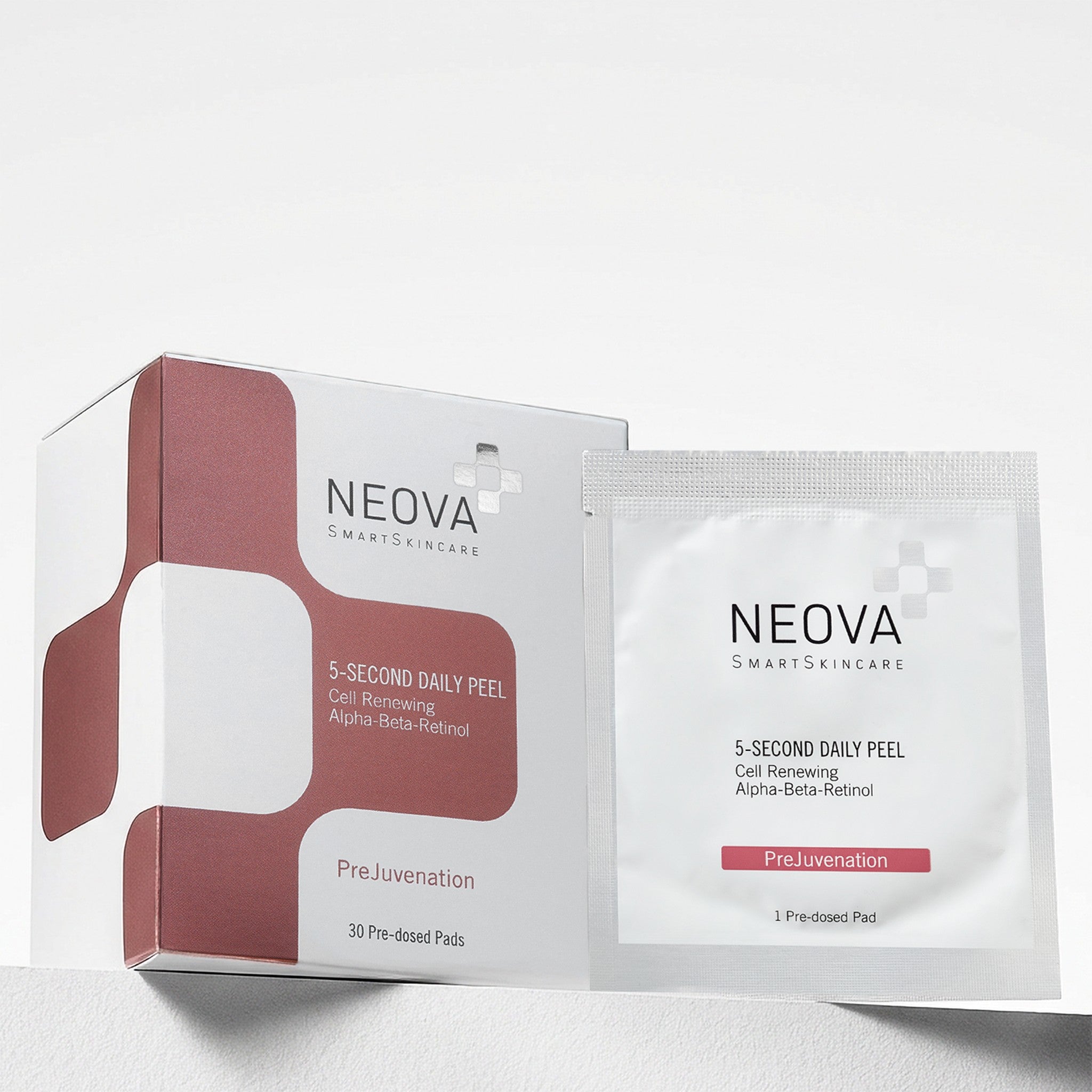
Professional distribution. When a product is sold only through dermatologists, plastic surgeons, and licensed aesthetic providers, there's a built-in accountability layer. The professional recommending it has a reputation attached to that recommendation. Use NEOVA's physician locator tool to find a qualified provider and access professional skincare guidance.
Sophisticated delivery technology. Encapsulation, liposomal carriers, pH-calibrated vehicles, and time-release systems exist because getting an active to its target tissue depth is a real formulation challenge. These are what separates a working product from one that sits on top of the skin.

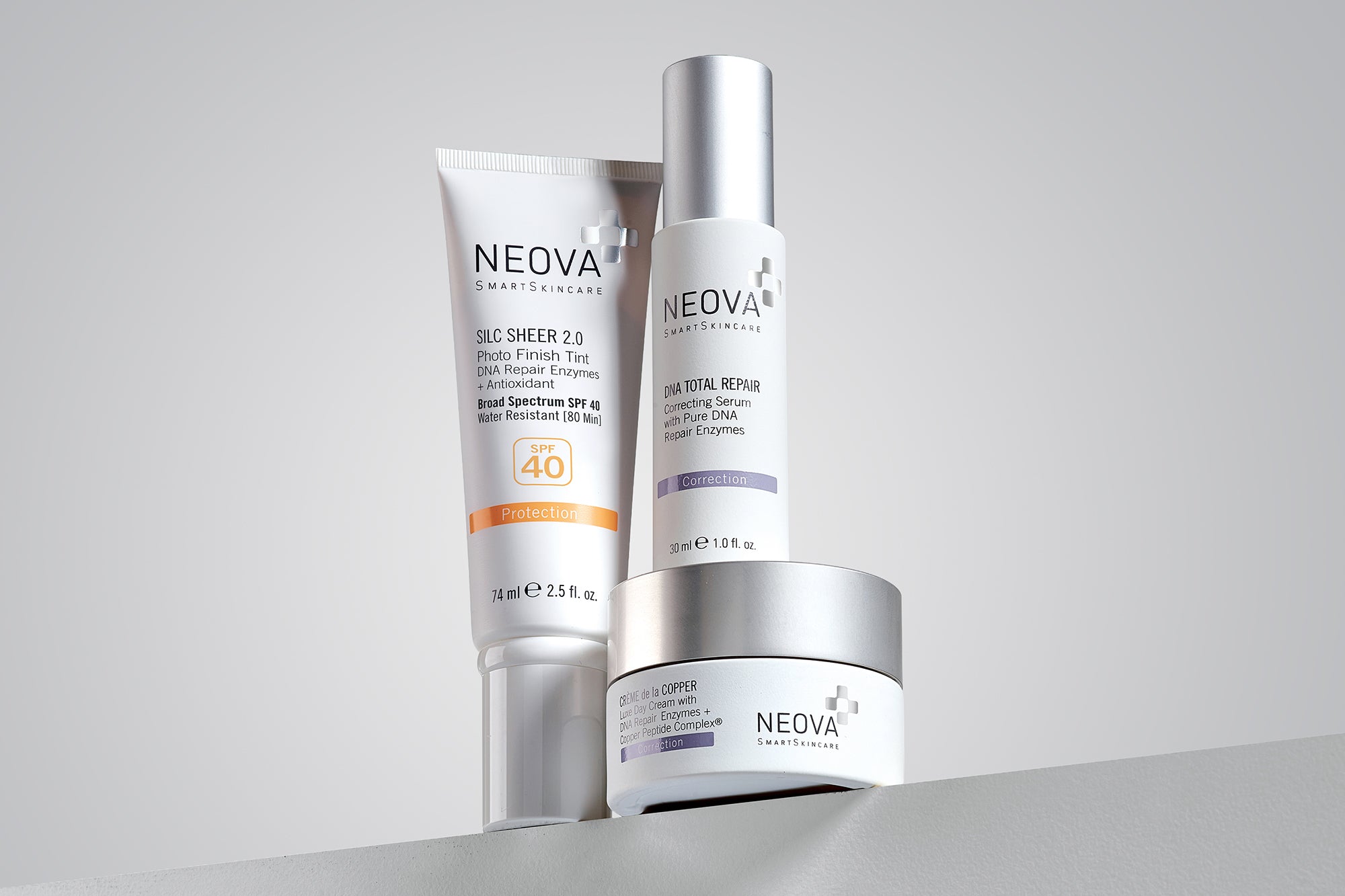
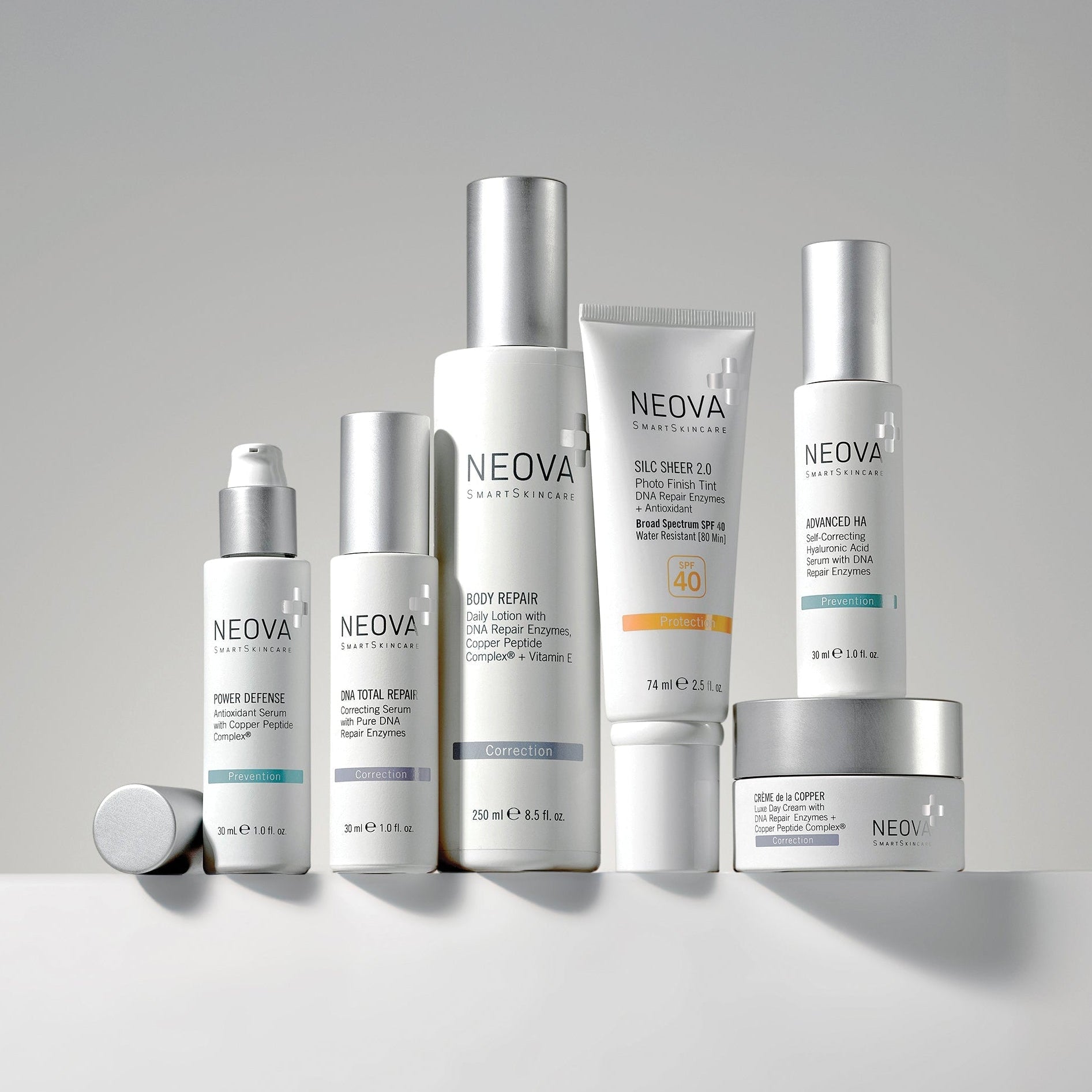
NEOVA's Clinical Credentials and Certifications
NEOVA didn't begin as a conventional skincare brand. It began as a solution to a clinical problem, and that history shapes how its products are made.
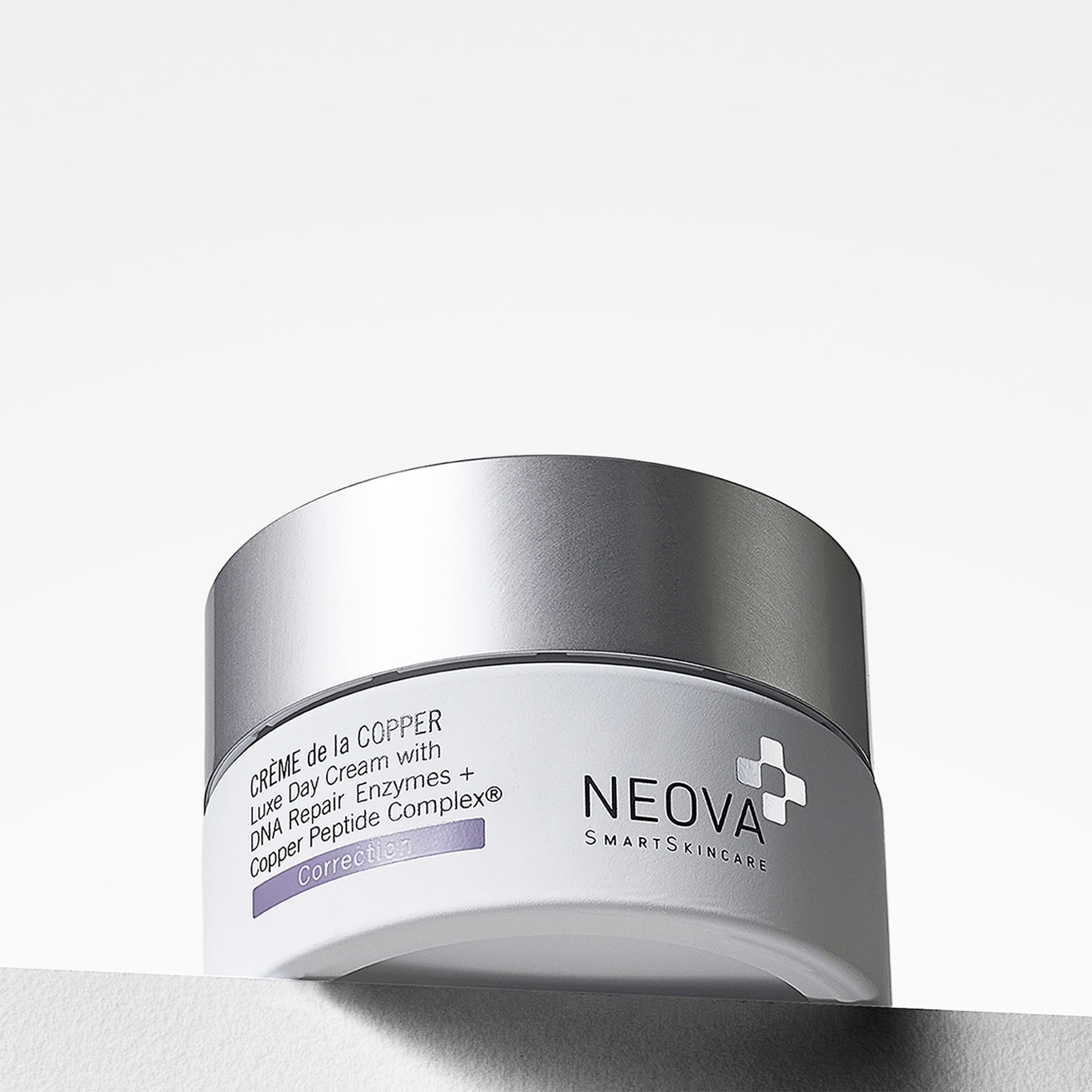
The foundation is copper peptide science. The tripeptide GHK-Cu has been studied for decades, with published research documenting its role in wound healing, collagen biosynthesis, antioxidant defense, and dermal remodeling. It's established biochemistry that dermatologists and plastic surgeons have relied on for years, well before copper peptides became a popular skincare topic.
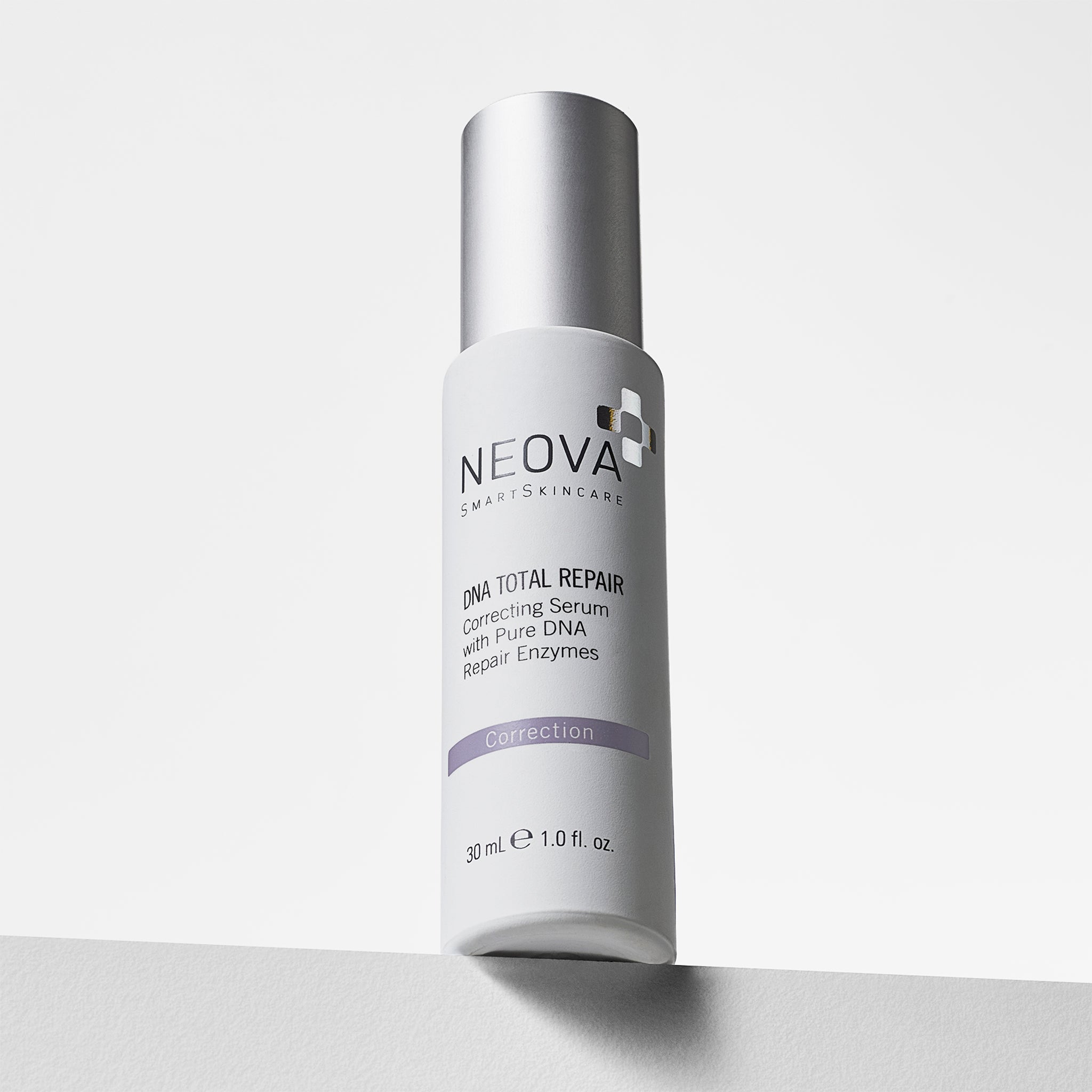
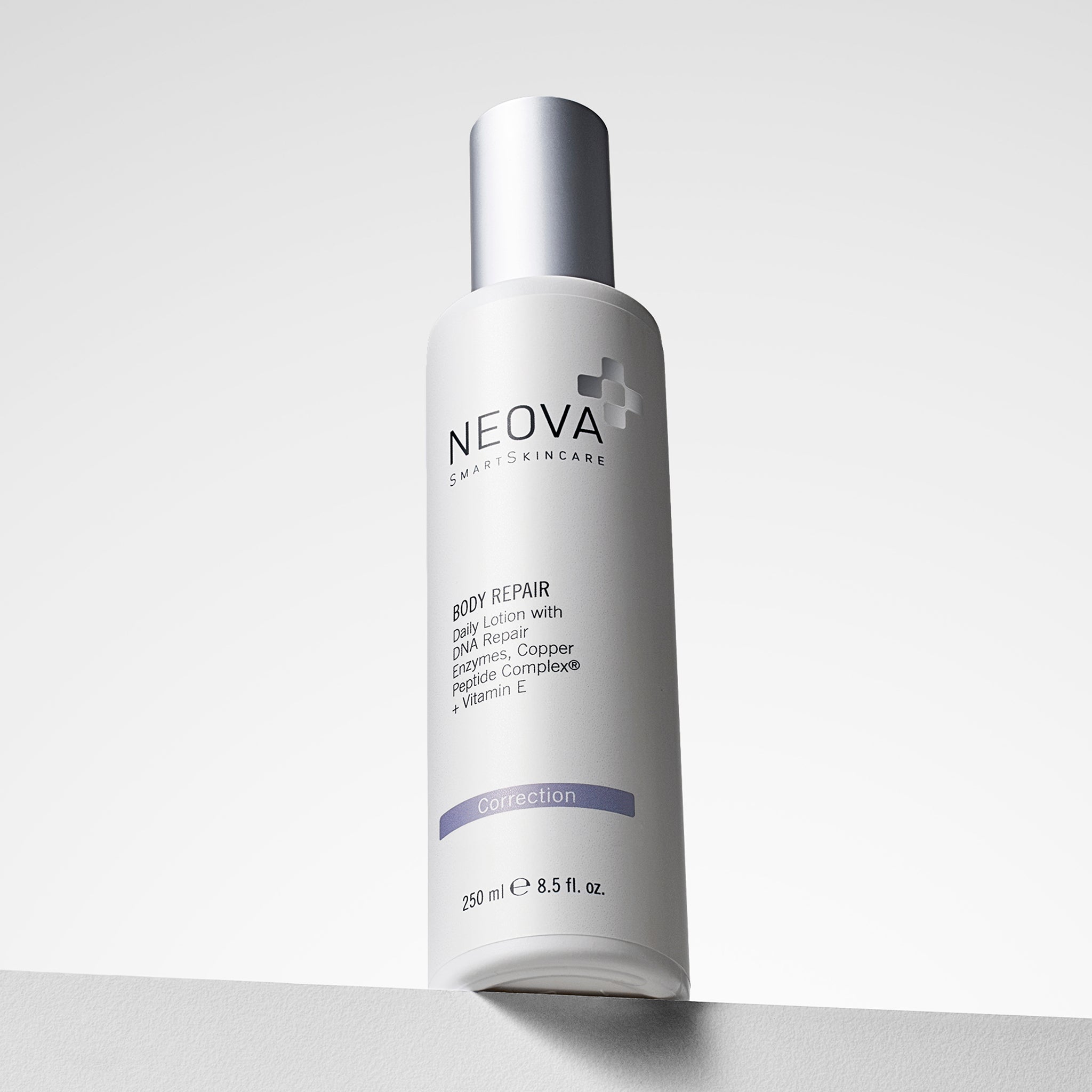
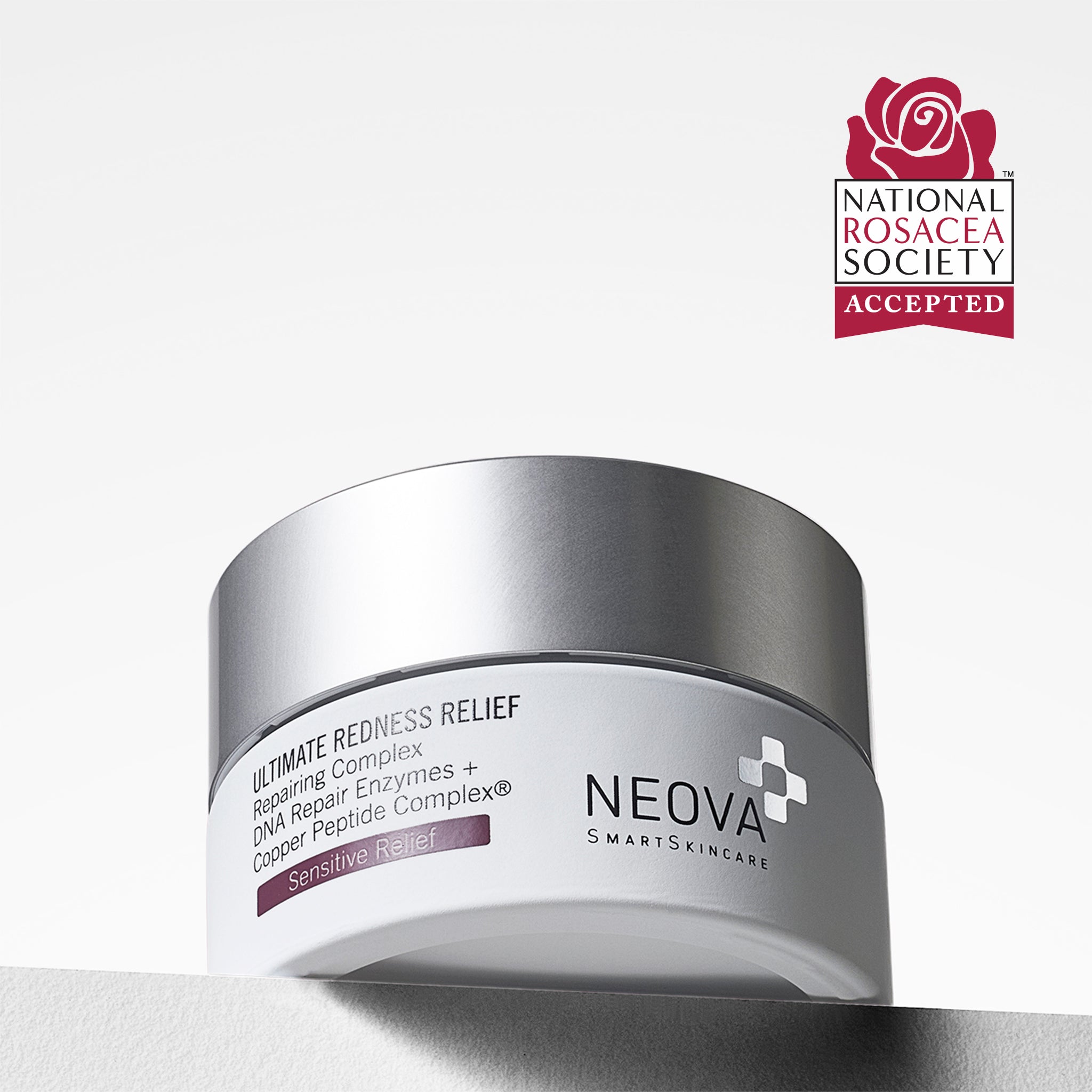
What distinguishes NEOVA is its proprietary DNA Damage Control technology. Using DNA repair enzymes, specifically photolyase and endonuclease, NEOVA's patented formulations actively reverse UV-induced DNA lesions at the keratinocyte level. This addresses the underlying cause of photodamage rather than its surface appearance, and it's backed by peer-reviewed research. Explore the DNA Repair collection to see where that technology is applied across the line.
NEOVA's formulations are developed alongside dermatologists and plastic surgeons and distributed through licensed medical and aesthetic providers. Every product goes through stability testing, preservative efficacy testing, and clinical testing before it reaches anyone's skin. The brand qualifies as medical grade because it was built to those standards from the start.

Building a Medical-Grade Routine
Here's where people tend to go wrong: they invest in genuine medical grade products, layer them all at once, overwhelm their skin barrier, develop irritation, and conclude that the products don't work. The products didn't fail. The approach did.
Medical-grade actives are formulated to work at a cellular level. That's by design. But skin that's inflamed, sensitized, or barrier-compromised won't absorb anything effectively, so building a clinical routine takes a paced approach, not an aggressive one.
A well-structured medical-grade routine follows this general framework:
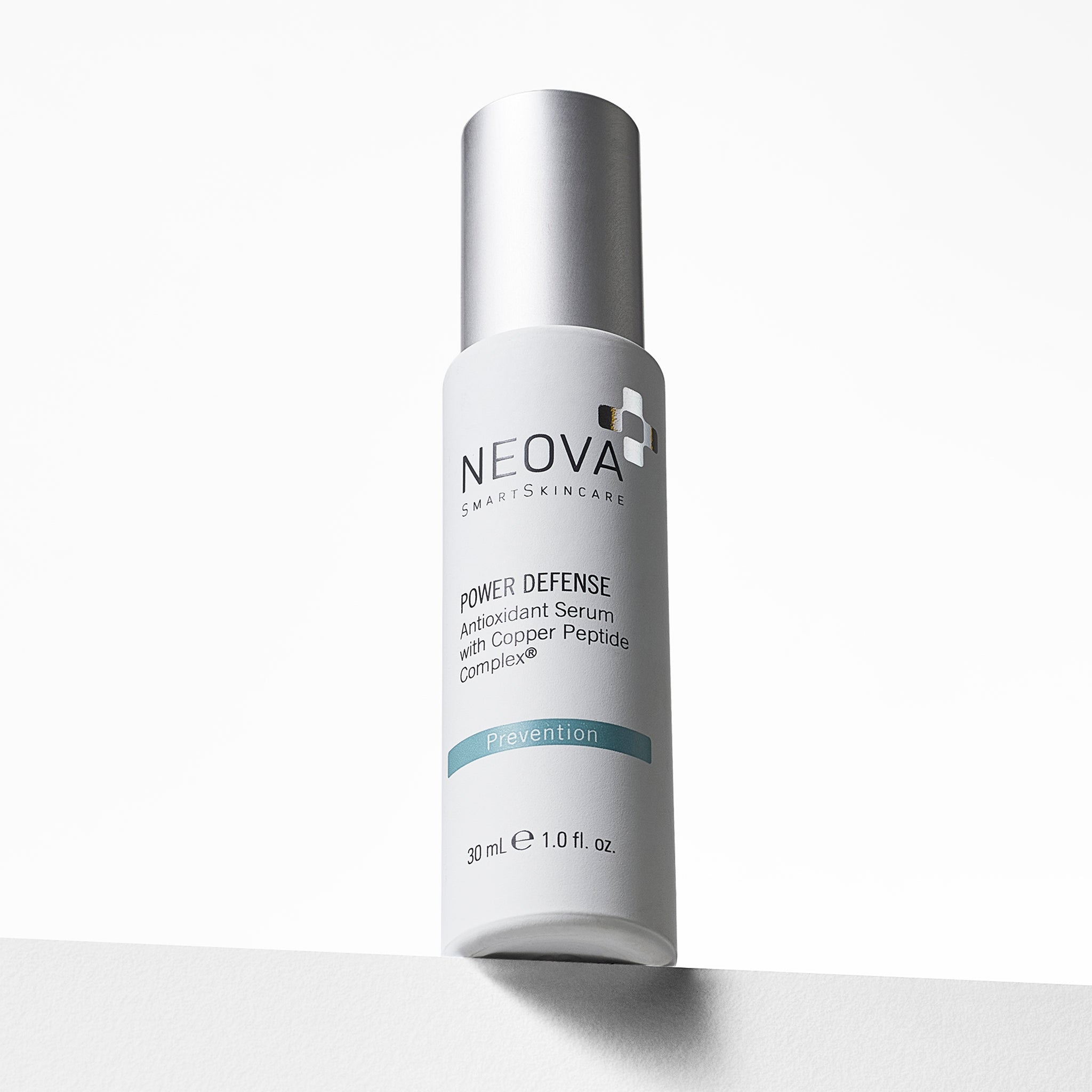
Morning: protect what you're building. The clinical priority in the morning is antioxidant defense. A stabilized vitamin c serum applied before SPF neutralizes free radicals before UV exposure can initiate oxidative DNA damage. follow with a minimum SPF 30 or SPF 40 if you're using a retinoid or following a post-procedure protocol.
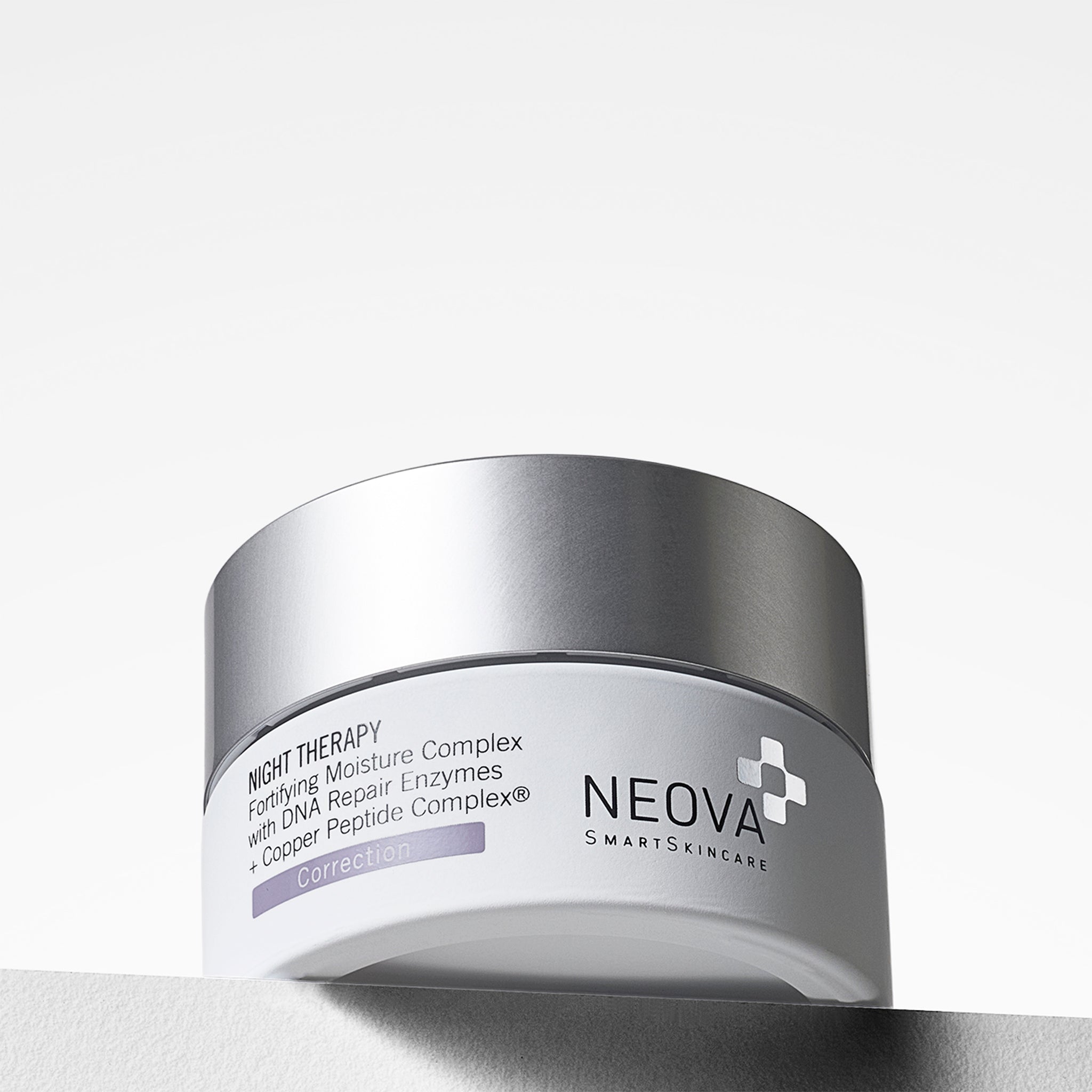
Evening: the repair window. Nighttime is when skin does its most active repair and remodeling. Retinoids, copper peptide complexes, and DNA repair enzyme treatments are most effective in the PM, when skin isn't managing environmental stressors at the same time. If you're new to retinoids, start at 0.025-0.05% tretinoin equivalent, apply every other night, and increase frequency over 8-12 weeks based on how your skin responds.
Barrier support: not optional. Clinical actives work by interacting with skin biology directly. That process is more effective when the barrier is intact. A ceramide-rich moisturizer used between active steps reduces trans-epidermal water loss without blocking penetration. Skipping it because you want to "feel" the actives working tends to backfire. A compromised skin barrier reacts to actives rather than absorbing them.
SPF: daily, without exception. Every clinical outcome you're working toward, whether pigmentation improvement, collagen support, or DNA repair, is undermined by unprotected UV exposure. Broad-spectrum sun protection is not an optional finishing step. It is necessary to protect the progress that everything else in your routine is building.
Start with one active, establish tolerance, see results, then add. A routine you can maintain consistently will deliver better outcomes than one your skin can't tolerate.

Frequently Asked Questions about Medical-Grade Skincare
What makes skincare ‘medical grade’?
Medical grade skincare is defined by three core criteria: 1. active ingredients at clinically validated concentrations, 2. delivery systems engineered to transport those actives to their target tissue depth, and 3. clinical evidence (typically peer-reviewed studies or controlled trials) demonstrating measurable outcomes in skin biology. Products are distributed through licensed medical or aesthetic professionals rather than general retail, which adds a layer of professional accountability.
Is medical grade skincare safe for sensitive skin?
Yes, when introduced correctly. Higher active concentrations mean a paced approach is important. Start with the lowest effective concentration, apply every other day initially, and increase frequency and strength over 8-12 weeks as your skin builds tolerance. A licensed skincare professional can design a protocol calibrated to your specific barrier status and skin biology.
Do I need a prescription for medical grade skincare?
Not always. Prescription-strength actives like tretinoin require a physician. Many medical grade products, including most of NEOVA's range, are available through dermatologists, plastic surgeons, and licensed medical spas without a formal prescription. Professional consultation is recommended to match the right products and concentrations to your skin's specific needs.
How long does it take to see results from medical-grade skincare?
Surface improvements in pigmentation and texture are typically visible within 4-8 weeks of consistent use. Structural changes, including measurable improvements in collagen density, dermal thickness, and wrinkle reduction, generally require a minimum of 12 weeks and up to 6 months. Daily broad-spectrum SPF protection is essential throughout to protect and sustain results.
What makes NEOVA products qualify as medical grade skin care?
NEOVA's professional skincare products are grounded in two technologies with peer-reviewed support: its Copper Peptide Complex® (GHK-Cu), which supports collagen biosynthesis and wound healing; and its DNA Repair skincare technology, which uses photolyase and endonuclease enzymes to actively reverse UV-induced DNA damage at the cellular level. NEOVA is distributed through licensed medical and aesthetic professionals, and each formulation undergoes clinical evaluation before use.
What’s the difference between "medical grade skincare" and "clinical skincare"?
Medical-grade or professional skincare is typically sold through dermatologists or licensed professionals and often contains higher levels of active ingredients. Clinical skincare refers to products backed by clinical testing or science-driven results. While the terms are often used interchangeably, neither is officially regulated, so formulations and standards can vary by brand.

Ready to see what medical-grade skin care looks like?
Shop NEOVA skincare products and work with your provider to build a routine suited to your skin.