
Why Spring Is the Best Time to Use Vitamin C
Discover the vitamin C benefits in spring for brighter skin, stronger immunity, and more energy. Learn how to use vitamin C in your routine.
Spring brings a sense of renewal, with longer days and rising temperatures encouraging more time outdoors. At the same time, the season introduces new stressors that can affect both your skin and overall health. Increased sun exposure, seasonal allergies, and lingering fatigue from winter can leave you feeling less balanced than expected.
This is where vitamin C becomes especially valuable. Known for its antioxidant and immune-supporting properties, it plays a key role in helping the body adjust to seasonal transitions. The vitamin C benefits in spring extend beyond skincare, supporting energy levels, immune function, and skin protection. As your body responds to vitamin c and seasonal changes, incorporating this nutrient into your routine can help maintain a healthy, resilient system from the inside out.

How Spring Changes Your Body & Skin
Seasonal transitions place new demands on the body. During spring, increased ultraviolet exposure becomes a major factor. After months of lower sun intensity, skin is often more vulnerable to environmental stress, including oxidative damage and uneven pigmentation. This is why incorporating protective products, such as those in the NEOVA Sun Protection collection, becomes more important during this time.
At the same time, many people experience lingering colds or seasonal allergies. The immune system becomes more reactive as it responds to pollen and airborne irritants. The connection between spring allergies and vitamin c is significant, as vitamin C supports immune function and helps regulate inflammatory responses.
Skin can also appear dull or uneven after winter due to dryness and a weakened barrier. Transitioning into spring often requires a shift toward barrier-supportive care, such as products within NEOVA Barrier Defense. These seasonal changes highlight the importance of vitamin c and immunity in spring, supporting visible skin quality.

Key Benefits of Vitamin C in Spring
As seasonal UV exposure and environmental stressors increase, topical vitamin C plays a key role in protecting skin from oxidative damage while supporting overall skin health and resilience.
Protects Against Increased UV + Environmental Stress
As UV exposure rises in spring, oxidative stress increases, accelerating visible skin damage. Topical vitamin C helps neutralize free radicals, supporting skin defense when paired with daily SPF.
Brightens and Evens Post-Winter Skin Tone
After months of dryness and limited cell turnover, skin can appear dull and uneven. The best vitamin C skincare supports collagen production and helps reduce the appearance of discoloration, restoring clarity and radiance.
Supports Barrier Function During Seasonal Transition
Spring can trigger sensitivity due to fluctuating temperatures and allergens. Vitamin C, especially when combined with antioxidants like vitamin E and ferulic acid, helps reinforce the skin barrier and improve resilience.
Enhances Overall Skin Recovery + Prevention
By supporting repair at the cellular level, vitamin C helps mitigate accumulated environmental damage from winter while strengthening the skin against upcoming seasonal stressors.

NEOVA and Vitamin C
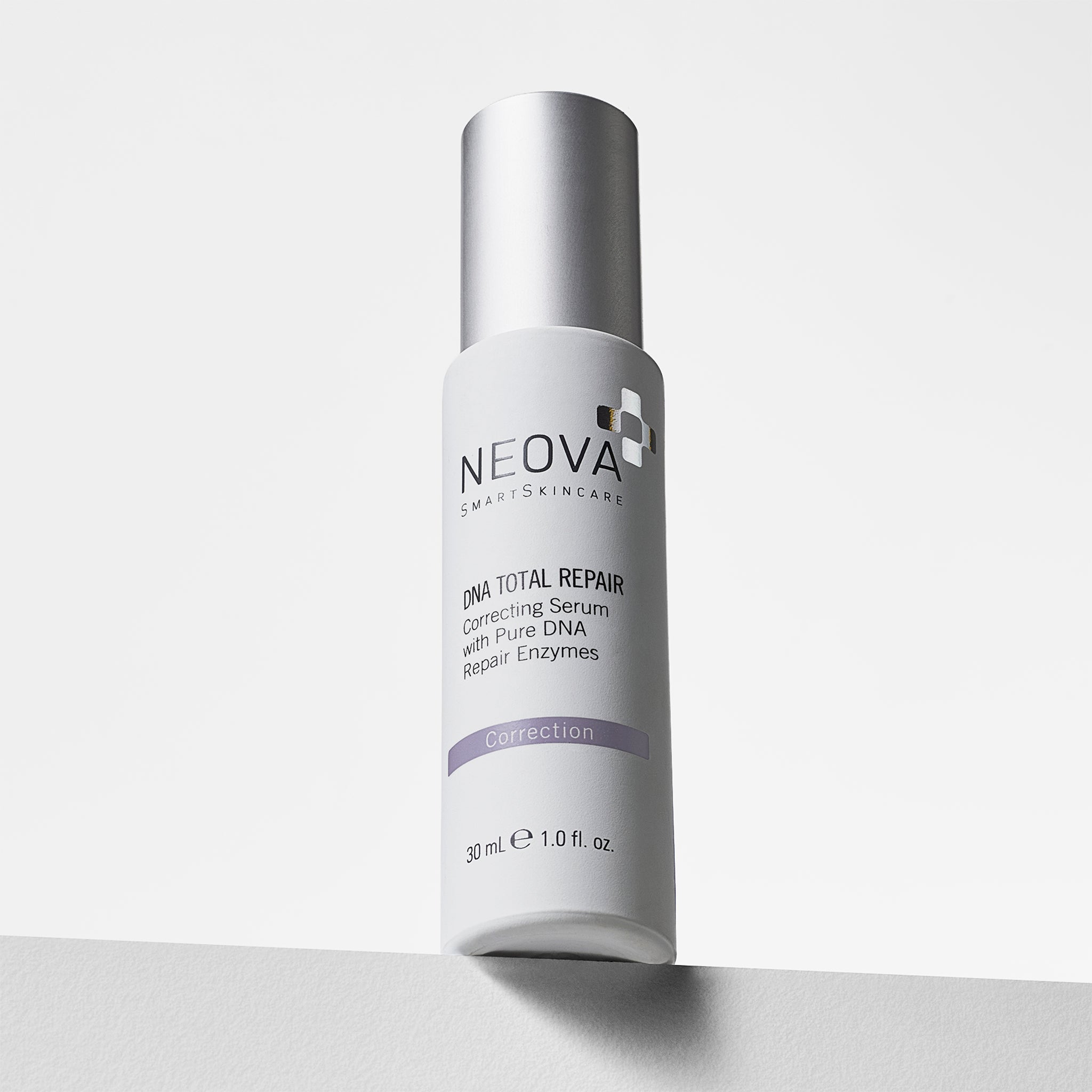
NEOVA® formulations are grounded in research that focuses on skin health at the cellular level, particularly in response to environmental stress. A core component of this approach is DNA Repair, which helps support the skin’s ability to recover from UV-induced damage that increases during spring.
Vitamin C plays a complementary role by providing antioxidant protection. Stable forms such as Ascorbyl Palmitate are used to help neutralize free radicals and support overall skin resilience.
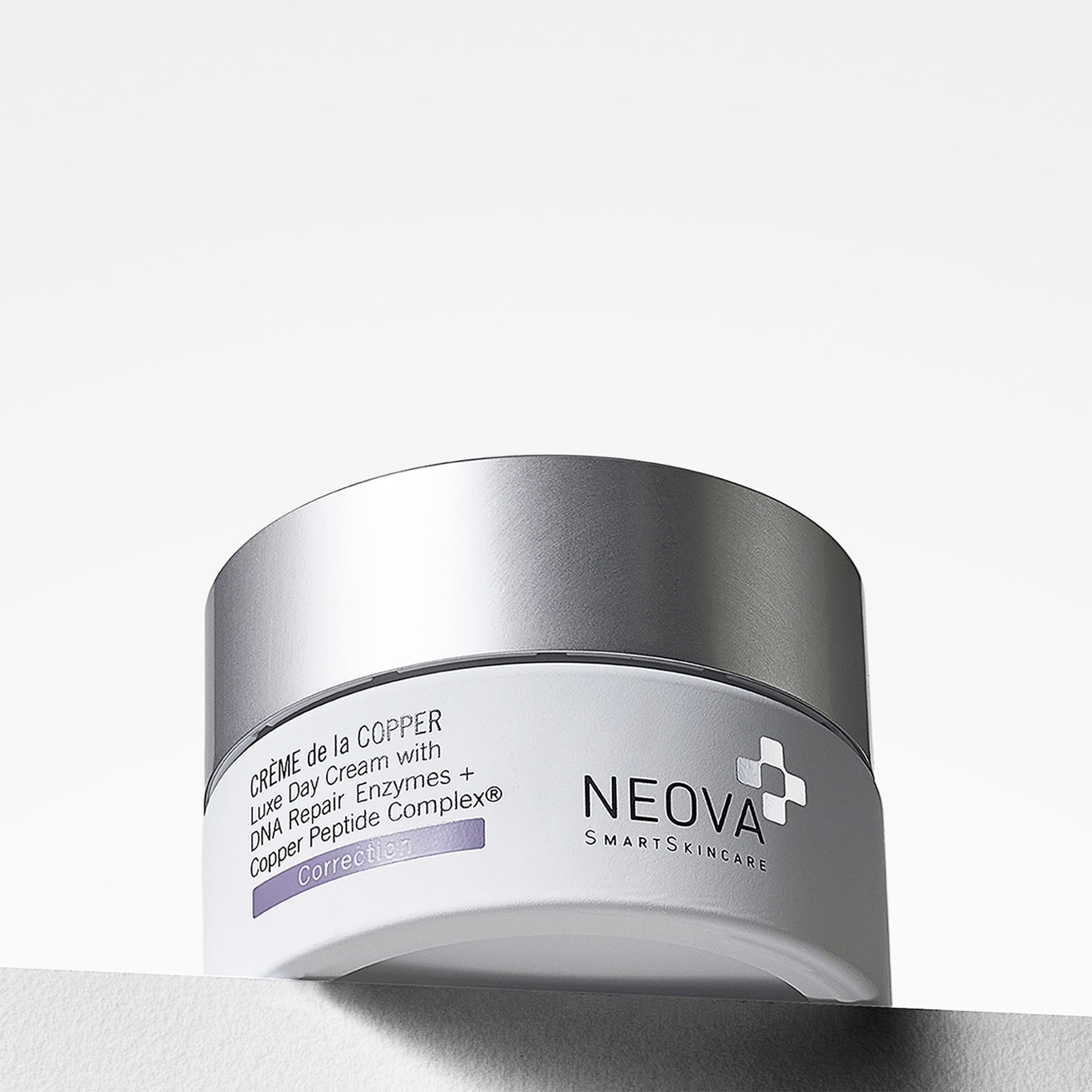
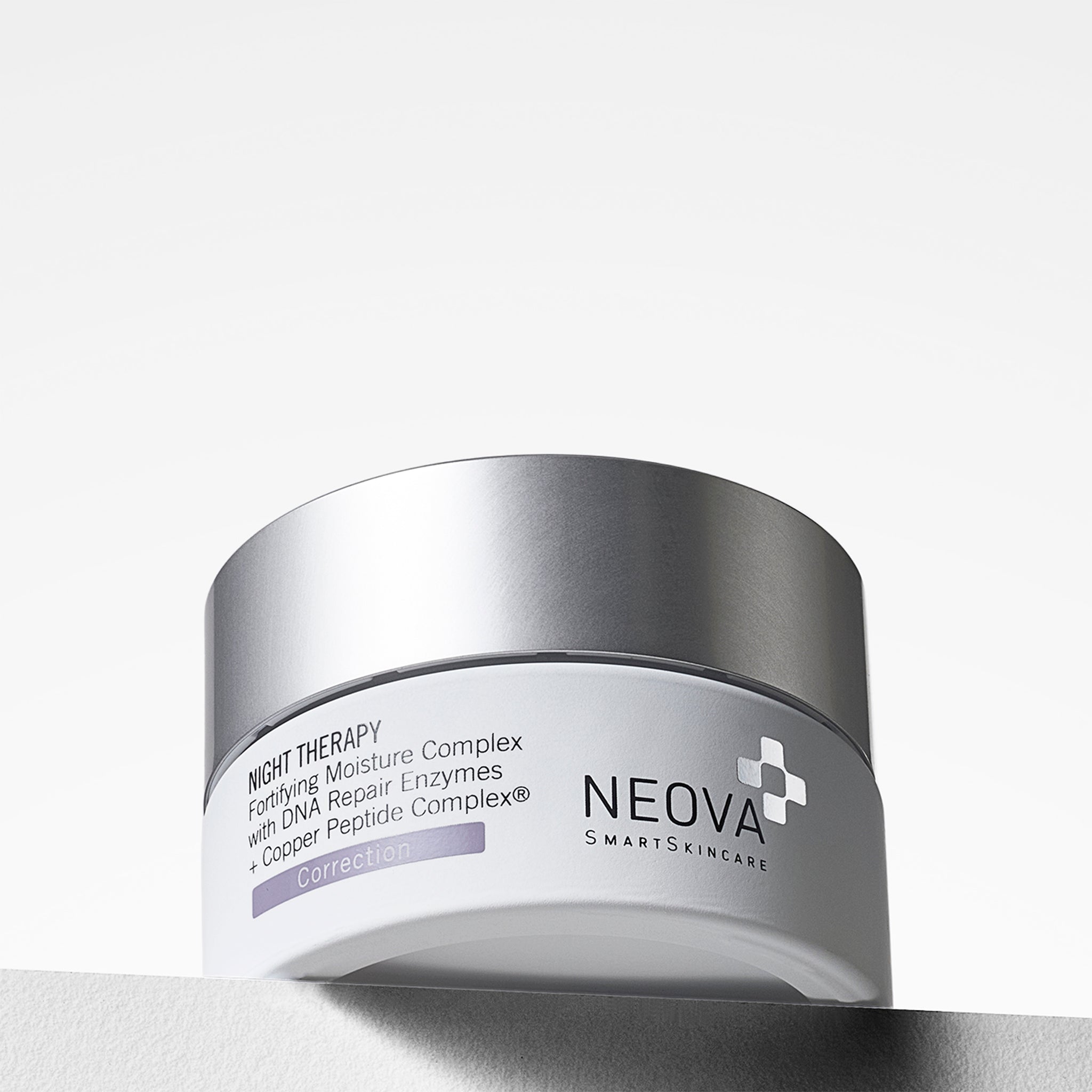
In addition, technologies like the Copper Peptide Complex® are incorporated to promote recovery and improve the appearance of stressed skin.
Together, these science-driven elements support a more comprehensive approach to spring skincare, addressing both protection and repair as environmental exposure increases.

How to Use Vitamin C in a Spring Skincare Routine
Spring is an appropriate time to reassess your skincare routine. Heavier creams used during winter may no longer be necessary as humidity increases. Lighter formulations that support hydration and protection are often more suitable for this season.
A Simple Springtime Vitamin C Skincare Routine
A consistent routine helps maximize results. A morning springtime vitamin c skincare routine may include:
- Gentle facial cleanser to remove impurities.
-
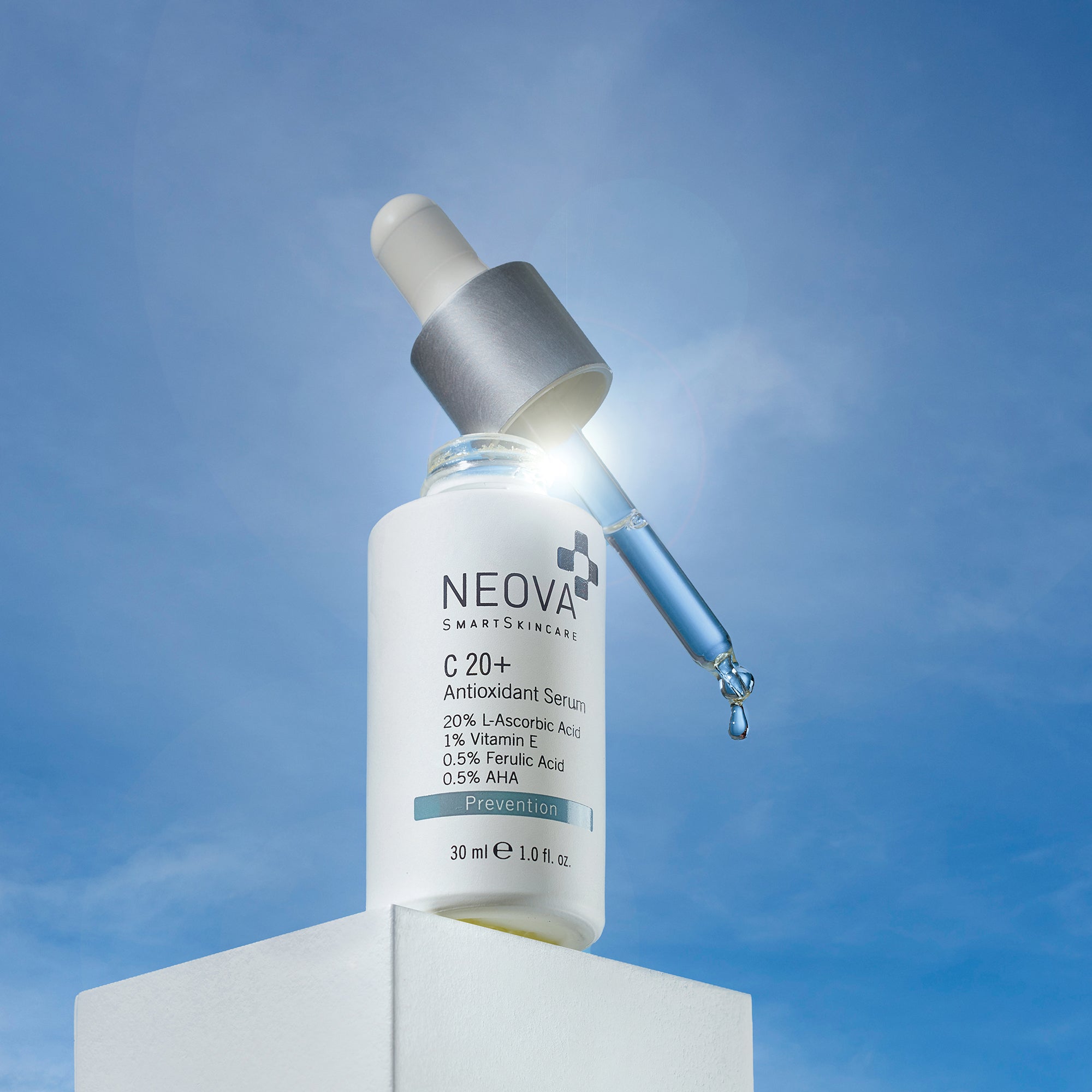
Vitamin C facial serum applied to dry skin to provide antioxidant support throughout the day.
- Lightweight day cream to maintain hydration.
-
Broad-spectrum sunscreen for daily sun protection.
Vitamin C can also be used in the evening if tolerated, though morning application is often preferred due to its protective benefits during daytime exposure.

Ingredient Pairing + What to Avoid
Vitamin C is most effective when paired with complementary antioxidants. Vitamin B5 and vitamin E help nourish and stabilize the skin barrier, while pairing vitamin C with ferulic acid enhances antioxidant performance and improves overall formula stability. Together, these ingredients create a more resilient defense against environmental stress and support better visible results.
On the other hand, certain actives can increase the risk of irritation when used alongside vitamin C. Use vitamin C cautiously with:
-
Retinoids may heighten sensitivity, especially with increased spring sun exposure.
-
Exfoliating acids (AHAs/BHAs) can lead to over-exfoliation if layered, so alternating use is recommended.
-
Benzoyl peroxide may also reduce the effectiveness of vitamin C through oxidation and should not be applied in the same routine.

Spring Skin Protection Strategy
Antioxidant protection becomes increasingly important in spring due to higher UV exposure and environmental stress. Vitamin C helps reduce oxidative damage caused by sunlight, pollution, and airborne allergens.
Using vitamin C alongside a daily sunscreen enhances protection at multiple levels. Sunscreen helps block UV radiation, while vitamin C works within the skin to neutralize free radicals. This layered approach provides a more comprehensive defense.
Environmental factors such as pollen and pollution can also contribute to skin sensitivity. Incorporating vitamin c and skin protection in spring into a routine that includes barrier-supportive skincare, such as NEOVA’s Barrier Defense products, can help maintain skin resilience.
Selecting the best vitamin c skincare for spring and applying it consistently supports both short-term and long-term skin health.

Should You Use Vitamin C Topically, Internally, or Both?
Vitamin C can be used in multiple ways, each offering distinct benefits. Topical vitamin C application through skincare products supports skin brightness, texture, and environmental protection. This approach is particularly useful for addressing visible concerns such as uneven tone and dullness.
Internal intake through diet or vitamin C supplements supports immune function, energy levels, and overall health. It plays a role in collagen production and metabolic processes throughout the body.
Combining both methods allows for a more comprehensive approach. This “inside and outside” strategy supports both appearance and internal function. Prioritizing the importance of vitamin c in your diet alongside topical use can help maximize results in a practical and sustainable way.

How to Get the Most Out of Your Vitamin C Routine
Using vitamin C effectively comes down to a few simple best practices that can make a noticeable difference in your results. Start by choosing a concentration that works for your skin and build up gradually over time, especially if your skin is on the sensitive side. This helps ensure your routine remains comfortable and sustainable while still delivering visible benefits.
Pairing vitamin C with NEOVA sunscreen is one of the most effective ways to support your skin. While vitamin C helps defend against free radicals, SPF provides essential protection from UV exposure, and together they create a stronger, more complete approach to daily skin defense.
Consistency is key when it comes to vitamin C. Using it regularly allows your skin to maintain its antioxidant support and gradually improve in clarity, brightness, and overall resilience.
When layering products, apply vitamin C at the right stage of your routine to maximize its effectiveness. Typically, this means applying it to clean, dry skin before heavier creams or oils. Thoughtful layering helps ensure each product can perform at its best.
Pay attention to timing as well, since vitamin C is most beneficial when used as part of a consistent daily routine, often in the morning to complement your sunscreen. This helps reinforce protection throughout the day.
Finally, always check the freshness of your vitamin C products. A formula that is properly stored and still within its optimal shelf life will deliver the best results, helping your skin receive the full benefits of this powerful ingredient.
![Infusion Peel AHA [30%] - NEOVA](https://cdn.shopify.com/s/files/1/1534/4263/products/Infusion-Peel-professional-1_fc99c721-0fb9-48b3-b1ca-d5dedd0cbcfb.jpg?v=1597173762)
FAQs About Springtime Vitamin C Skincare
Is vitamin C good for sensitive skin during spring?
Vitamin C can be suitable for sensitive skin when introduced gradually and used at a comfortable concentration. It helps support the skin’s antioxidant defenses, which can be especially helpful during seasonal changes when skin may feel more reactive.
Can I use vitamin C serum every day in spring?
Yes, daily use is generally recommended. Applying vitamin C in the morning helps support the skin throughout the day and works well alongside your sunscreen as part of a consistent routine.
How should I layer vitamin C in my skincare routine?
Apply vitamin C after cleansing and before heavier products like moisturizers or oils. This allows it to absorb properly and deliver its benefits more effectively. Follow with sunscreen in the morning to complete your routine.
Does vitamin C help with sun damage in spring?
NEOVA vitamin C skincare helps support the skin by neutralizing free radicals created by UV exposure. It does not replace sunscreen, but it works alongside SPF to enhance overall protection and support healthier-looking skin.
Can vitamin C help during seasonal skin changes?
Yes, vitamin C supports the skin’s natural defenses and helps maintain a more even, balanced appearance. Consistent use can support the skin as it adjusts to shifts in temperature, humidity, and environmental exposure.

Experience the Benefits of Vitamin C in Spring
Spring brings a range of environmental and physiological changes that can impact the skin. Increased sun exposure, shifting weather conditions, and heightened environmental stress all make targeted support more important during this season.
Adding vitamin C to your skincare routine helps address these factors by supporting the skin’s natural defense system and promoting a more balanced, healthy-looking complexion.
With benefits that include antioxidant protection and support for overall skin clarity, vitamin C is especially valuable during seasonal transitions. When used consistently alongside daily SPF and a well-rounded routine, it helps maintain skin resilience and supports long-term skin health throughout the spring months.
Explore NEOVA vitamin C skincare to find the right formula for your routine.