What Does Glycolic Acid Do for Your Skin?
What does glycolic acid do? Learn how this powerful exfoliating acid improves skin texture, tone, and fine lines for smoother, brighter skin.
What Does Glycolic Acid Do for Your Skin?
If you’ve been exploring skincare ingredients, you’ve likely come across glycolic acid and probably asked yourself, what does glycolic acid do, exactly? It’s one of the most talked-about ingredients in modern skincare, and for good reason.
At its core, glycolic acid helps your skin shed old, dull cells and replace them with fresh, healthier ones. But its benefits go far beyond basic exfoliation. With consistent use, glycolic acid can improve your skin’s texture, boost radiance, fade discoloration, and even soften the appearance of fine lines over time.
What makes it especially effective is how deeply and efficiently it works compared to other exfoliating ingredients. It helps your skin function better over time, which is why it continues to be a staple in both dermatologist offices and at-home routines.
![Infusion Peel AHA [30%] - NEOVA](https://cdn.shopify.com/s/files/1/1534/4263/products/Infusion-Peel-professional-2_85ce011c-e819-4ea1-a816-a77e149b4171.jpg?v=1597173762)
SHOP THE GLYCOLIC ACID COLLECTION
What Does Glycolic Acid Do? A Clear Overview
Glycolic acid is part of a group of ingredients known as alpha-hydroxy acids (AHAs), which are commonly used to exfoliate and renew the skin. Derived from sugarcane, it has the smallest molecular size of all AHAs, allowing it to penetrate the skin more easily and work more effectively than many alternatives.
So, what does glycolic acid do in practical terms? It exfoliates dead skin cells from the surface while also encouraging your skin to produce new ones more efficiently. This dual action is what makes it so powerful.
With regular use, glycolic acid can:
- Smooth uneven skin texture
- Brighten dull, tired-looking skin
- Fade dark spots and discoloration
- Improve clarity and reduce congestion
- Soften the appearance of fine lines
Because it targets multiple concerns at once, glycolic acid is often considered a “multitasking” ingredient that can benefit a wide range of skin types.

How Glycolic Acid Works on Your Skin
To fully understand what glycolic acid does, it helps to look at how your skin naturally renews itself. Your skin is constantly producing new cells in its deeper layers. These cells gradually move upward, eventually becoming part of the outermost layer before shedding off.
However, this process slows down with age, sun exposure, and environmental stress. When dead skin cells don’t shed efficiently, they can build up on the surface, leading to dullness, rough texture, clogged pores, and uneven tone.
Glycolic acid helps correct this slowdown in a few important ways:
Dissolves Dead Skin Cells
Unlike physical exfoliants that scrub the skin, glycolic acid works chemically. It breaks down the bonds that hold dead skin cells together, allowing them to shed more evenly and gently. This results in smoother, softer skin without the risk of micro-tears that harsh scrubs can cause.
As this buildup is removed, your skin instantly looks more refined and feels noticeably smoother to the touch.
Speeds Up Skin Renewal
Beyond surface exfoliation, glycolic acid encourages your skin to cycle through new cells more quickly. This means fresher, healthier cells reach the surface sooner, improving overall skin quality and appearance.
Products like the NEOVA 5-Second Daily Peel are designed to support this daily renewal process in a quick, easy step, making consistent exfoliation more accessible.

Supports Long-Term Skin Health
One of the reasons glycolic acid stands out is that its benefits are cumulative. With consistent use, it helps your skin behave more efficiently, leading to fewer clogged pores, more even pigmentation, and a smoother overall texture that improves month after month.
More intensive treatments, such as Reveal Peel AHA [30%], are often used to amplify these long-term results by delivering more concentrated exfoliation.
Benefits of Glycolic Acid
Understanding what glycolic acid does becomes even clearer when you look at the specific, visible benefits it delivers to your skin over time.
1. Smoother Skin Texture
One of the most immediate benefits of glycolic acid is smoother skin. If your skin feels rough, uneven, or bumpy, this ingredient can make a noticeable difference within just a few weeks of consistent use.
By removing the layer of dead skin cells that sit on the surface, glycolic acid helps refine your skin’s texture and create a softer, more polished feel. This also allows makeup to apply more evenly and skincare products to absorb more effectively.
2. Brighter, More Radiant Skin
Dullness is often caused by a buildup of dead or dehydrated skin that prevents light from reflecting evenly off the surface. Glycolic acid removes this barrier, revealing fresher skin underneath that naturally looks brighter and more radiant.
Over time, this leads to a more luminous complexion that doesn’t rely on temporary glow-enhancing products. Instead, your skin develops a healthier, more consistent radiance on its own.
3. Fades Dark Spots and Hyperpigmentation
If uneven skin tone or discoloration is a concern, glycolic acid can be particularly effective. It helps fade discoloration by speeding up the removal of pigment-heavy cells while encouraging new, evenly pigmented skin to take their place.
This makes it helpful for treating:
- Post-acne marks
- Sun damage
- Melasma
- General uneven tone
With consistent use, skin should appear clearer, balanced, and more uniform in color.

4. Reduces the Appearance of Fine Lines
As your skin ages, natural cell turnover slows and collagen production decreases, leading to fine lines and wrinkles. Glycolic acid helps address both of these factors.
By promoting faster skin renewal and supporting collagen over time, it helps soften the appearance of fine lines and improve overall skin smoothness. While results are gradual, they become more noticeable with continued use.
5. Helps Keep Pores Clear
Clogged pores are often caused by a buildup of dead skin cells mixing with oil. Glycolic acid helps prevent this by keeping the surface clear and reducing the likelihood of congestion.
This can lead to:
- Fewer breakouts
- Less visible blackheads
- Clearer-looking pores
For those with mild acne or congestion, it can be a helpful addition to a balanced routine.
 Can You Use Glycolic Acid Every Day?
Glycolic acid can be used daily, but how often you should apply it depends on your skin type, sensitivity, and the strength of the product you’re using.
If you’re new to glycolic acid, it’s best to start slowly. Use a low-acidity formula two-to-three times per week, gradually increasing frequency as your skin builds tolerance to the formula. Many people eventually work up to daily use, especially when using formulations in the moderate strength range.
Most routines benefit from applying glycolic acid in the evening, since it can increase your skin’s sensitivity to sunlight. Giving your skin overnight to renew also helps maximize its effects.
Who Should Use Glycolic Acid?
Glycolic acid is one of the most versatile skincare ingredients and can benefit a wide range of people.
It’s especially helpful for those dealing with:
- Dull or uneven skin tone
- Rough or textured skin
- Dark spots or discoloration
- Early signs of aging
- Mild congestion or breakouts
However, those with very sensitive skin or conditions like rosacea or eczema should introduce it carefully or consult a professional before use.
Understanding the Strengths of Glycolic Acid
Glycolic acid products vary widely in acidity strength, and choosing the right concentration can make a significant difference in both results and comfort.
Products typically fall into these ranges:
- 5–8%: Gentle and ideal for beginners or sensitive skin
- 8–12%: A balanced range that delivers visible results
- 15% and above: Stronger treatments, often used professionally
Starting with a lower concentration and gradually increasing allows your skin to adapt without irritation, which leads to better long-term outcomes.
When You Can Expect to See Results
Glycolic acid delivers both short-term and long-term benefits, but consistency is essential for the best results.
Most people notice:
- 2–4 weeks: Smoother texture and a brighter appearance
- 4–8 weeks: More even tone and improved clarity
- 8–12 weeks: Visible improvement in fine lines and overall skin quality
Because glycolic acid works by gradually improving how your skin renews itself, results build over time rather than appearing overnight.
Sunscreen Is Essential
One of the most important things to understand about what glycolic acid does is that it makes your skin more sensitive to UV exposure. By removing the outer layer of dead skin cells, it reveals newer skin that is more vulnerable to environmental damage.
Without proper sun protection, this can lead to:
- Increased risk of sunburn
- Worsening pigmentation
- Loss of progress in your skincare routine
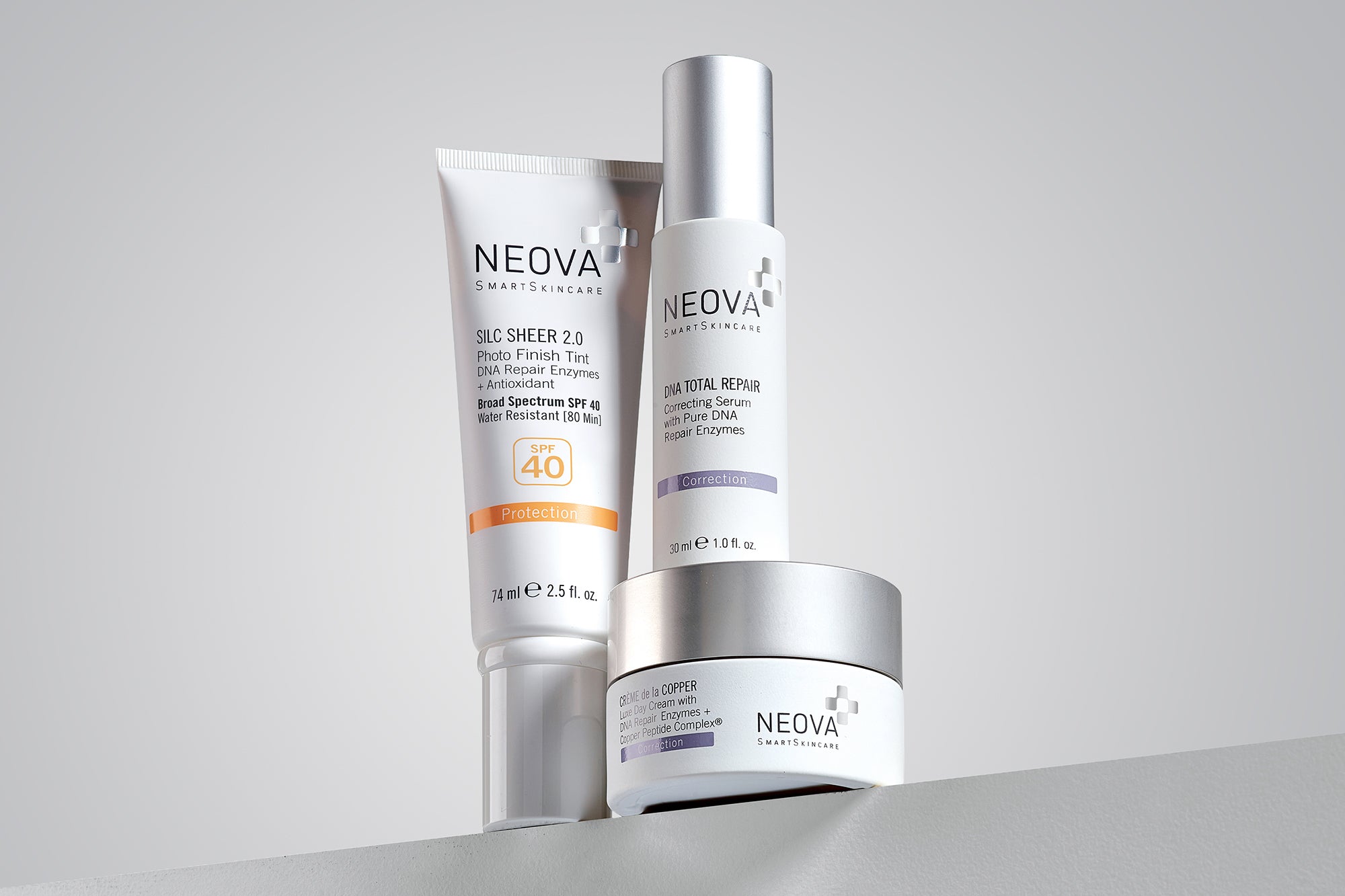
Using a broad-spectrum sunscreen, like NEOVA's Everyday Broad Spectrum SPF 44 every morning is essential. It protects your skin, preserves your results, and prevents new damage from forming.

How to Add Glycolic Acid to Your Routine
Adding glycolic acid to your routine doesn’t need to be complicated. A simple, consistent approach is often the most effective.
Evening Routine:
- Use a gentle face cleanser to remove dirt and oil.
- Apply glycolic acid skincare treatment (toner or serum).
- Moisturize with a cream moisturizer to support hydration.
Morning Routine:
- Cleanse.
- Moisturize.
- Follow with a lightweight sunscreen (SPF 30 or higher).
Keeping your routine simple helps your skin adjust and reduces the risk of irritation.
Ingredients to Pair with Glycolic Acid
Pairing glycolic acid with the right skincare ingredients can enhance results while keeping your skin balanced.
Ingredients That Combine Well
- Hyaluronic Acid - provides hydration and prevents dryness
- Copper Peptides - support firmness and elasticity over time
- Ceramide Blend - strengthens skin structure so it retains moisture
Ingredients to Use Carefully
Some active ingredients can be too strong when used alongside glycolic acid, especially in the same skin care routine.
Use caution with:
- Retinoids (best used on alternate nights)
- Other exfoliating acids
- Strong treatment products
Balancing actives with soothing and hydrating ingredients is essential to a balanced skincare routine.

Final Takeaway: What Does Glycolic Acid Do?
So, what does glycolic acid do?
Glycolic acid exfoliates your skin, speeds up renewal, brightens your complexion, and improves texture over time. More importantly, it helps your skin function more efficiently, leading to long-term improvements rather than temporary results.
With consistent use and proper sun protection, glycolic acid can be one of the most effective additions to your skincare routine, helping you achieve smoother, clearer, and more radiant skin.
Frequently Asked Questions about Glycolic Acid
What does glycolic acid actually do for your skin?
Glycolic acid dissolves the bonds holding dead skin cells together, accelerating surface shedding and stimulating the production of new skin. It also activates dermal fibroblasts to increase collagen and elastin synthesis, producing improvements in texture, tone, and firmness beyond simple exfoliation.
How long does it take to see results from glycolic acid?
Surface texture improvements are typically visible within two to four weeks of consistent use. Meaningful improvements in hyperpigmentation and fine lines generally require eight to twelve weeks, reflecting the time for cellular turnover and collagen remodeling to produce visible structural change
Can glycolic acid be used every day?
Yes, daily use is appropriate for most skin types when using a well-formulated product at 5–10% concentration. An initial two-to-four-week acclimation period with every-other-day use is advised. Daily broad-spectrum SPF application is essential as glycolic acid increases photosensitivity.
What makes NEOVA's glycolic acid formulas different?
NEOVA combines glycolic acid at clinically active pH levels with proprietary DNA Repair Enzyme technology that addresses UV-induced DNA damage at the cellular level. This dual-action approach drives skin renewal and protects against oxidative damage that accelerates aging
Is glycolic acid safe for sensitive skin?
Glycolic acid can be used on sensitive skin by starting at lower concentrations (5–8%), using a buffered formulation, and applying every other evening initially. Combining it with barrier-supporting actives such as niacinamide helps reactive skin types acclimate. Those with active rosacea or eczema should seek dermatological guidance.

Upgrade Your Routine
Discover NEOVA’s skincare with Glycolic Acid and experience clinically backed exfoliation for results that go beyond the surface.
This article is intended for informational purposes only and does not constitute medical advice. Before changing your skincare routine, consult a board-certified dermatologist.