You Got a Treatment. Now What?
Post-Procedure Skin Care Tips for Faster Recovery and Glowing Skin
Professional aesthetic treatments, from laser resurfacing to microneedling and chemical peels can dramatically improve skin tone, texture, and overall skin health. But what happens after the treatment is just as important as the procedure itself. Post-procedure skin care plays a critical role in healing, minimizing downtime, and maximizing results.
Whether you’ve undergone an ablative or non-ablative procedure, the skin enters a vulnerable, regenerative state. Understanding how to properly support your skin during recovery can help reduce inflammation, protect the skin barrier, and promote optimal healing.
Why Post-Procedure Skin Care Matters
Professional skincare treatments intentionally stimulate the skin to trigger renewal. While this controlled injury is beneficial, it temporarily compromises the skin barrier. During this time, the skin is more susceptible to irritation, dehydration, infection, and environmental damage.
Proper post-treatment care helps:
- Accelerate wound healing.
- Reduce redness and inflammation.
- Support collagen production.
- Prevent complications such as hyperpigmentation or prolonged sensitivity.
- Enhance and preserve treatment results.
In professional skincare, recovery is not passive, it’s an active, science-driven process.
Listen to Your Skin After Any Procedure
No two recoveries are exactly the same. Whether the treatment is ablative or non-ablative, your skin will communicate its needs clearly if you know what to watch for.
Common Post-Procedure Responses
After aesthetic treatments, it’s normal to experience:
- Mild to moderate redness.
- Sensitivity or warmth.
- Peeling or flaking.
- Tightness or dryness.
These symptoms are part of the skin’s healing response. However, improper care, such as picking, scratching, or using the wrong products can interfere with recovery and compromise results.
Essential Post-Treatment Guidelines
- Avoid picking or scratching, even if peeling occurs
- Follow all post-care instructions provided by your skincare professional
- Avoid introducing new or active products not approved for post-procedure use
- Contact your provider if irritation, redness, or discomfort persists beyond expected recovery timelines
Professional guidance is essential, your provider understands the depth and type of treatment performed and can recommend appropriate post-procedure skincare.
Use the Correct Products for the Type of Treatment
One of the most critical aspects of post-procedure care is using products specifically formulated for the type of procedure performed. Not all treatments affect the skin in the same way, and post-care must be tailored accordingly.
Ablative Treatments: Intensive Recovery Support
Ablative procedures intentionally remove or deeply disrupt layers of the skin, requiring advanced healing support.
Common ablative treatments include:
- CO₂ Laser.
- Erbium Laser.
- Fractional CO₂ Laser.
- Deep Microneedling.
- Microneedling with PRP.
- Dermabrasion.
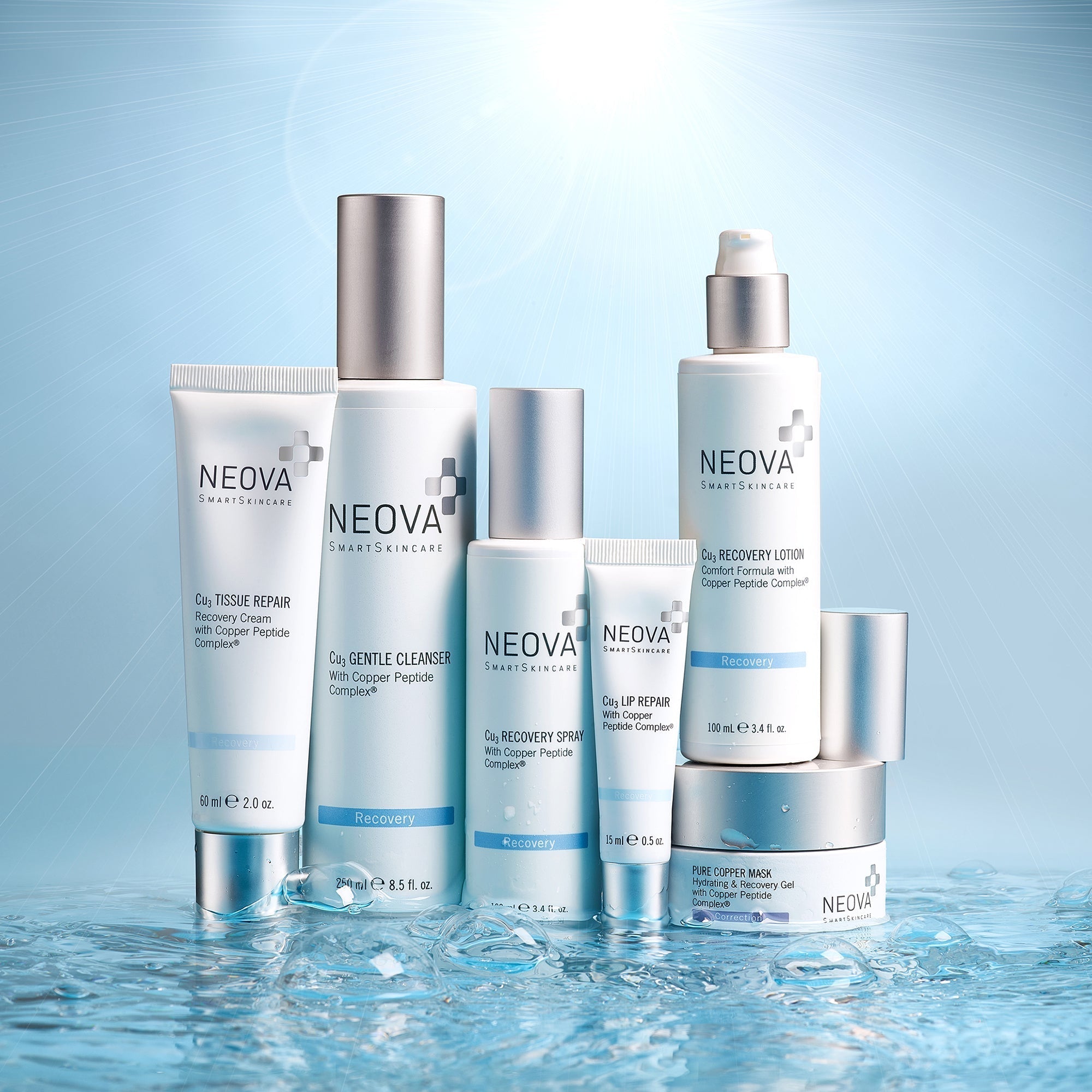
For these procedures, NEOVA recommends the Post Ablative Treatment System, which is designed to:
- Support wound healing.
- Calm inflammation.
- Strengthen compromised skin barriers.
- Reduce downtime and discomfort.
Ablative recovery demands advanced professional skincare products must be sterile, gentle, and biologically compatible with healing skin.
Non-Ablative Treatments: Barrier Support and Protection
Non-ablative procedures stimulate the skin without removing layers, but they still temporarily disrupt the barrier and increase sensitivity.
Common non-ablative treatments include:
- Microdermabrasion.
- Dermaplaning.
- Superficial chemical peels.
- IPL and BBL.
- Non-ablative laser treatments.
- Laser hair removal.
- Thermage.
- Radiofrequency (RF) procedures.
- Light RF microneedling.
- LED and infrared therapies.
For these treatments, the Non-Ablative Treatment System helps:
- Calm post-treatment inflammation.
- Restore hydration.
- Protect the skin barrier.
- Enhance treatment outcomes.
Using the correct post-procedure system is essential to avoid irritation and ensure consistent, predictable healing.
Why Copper Peptides Are Essential in Post-Procedure Skin Care
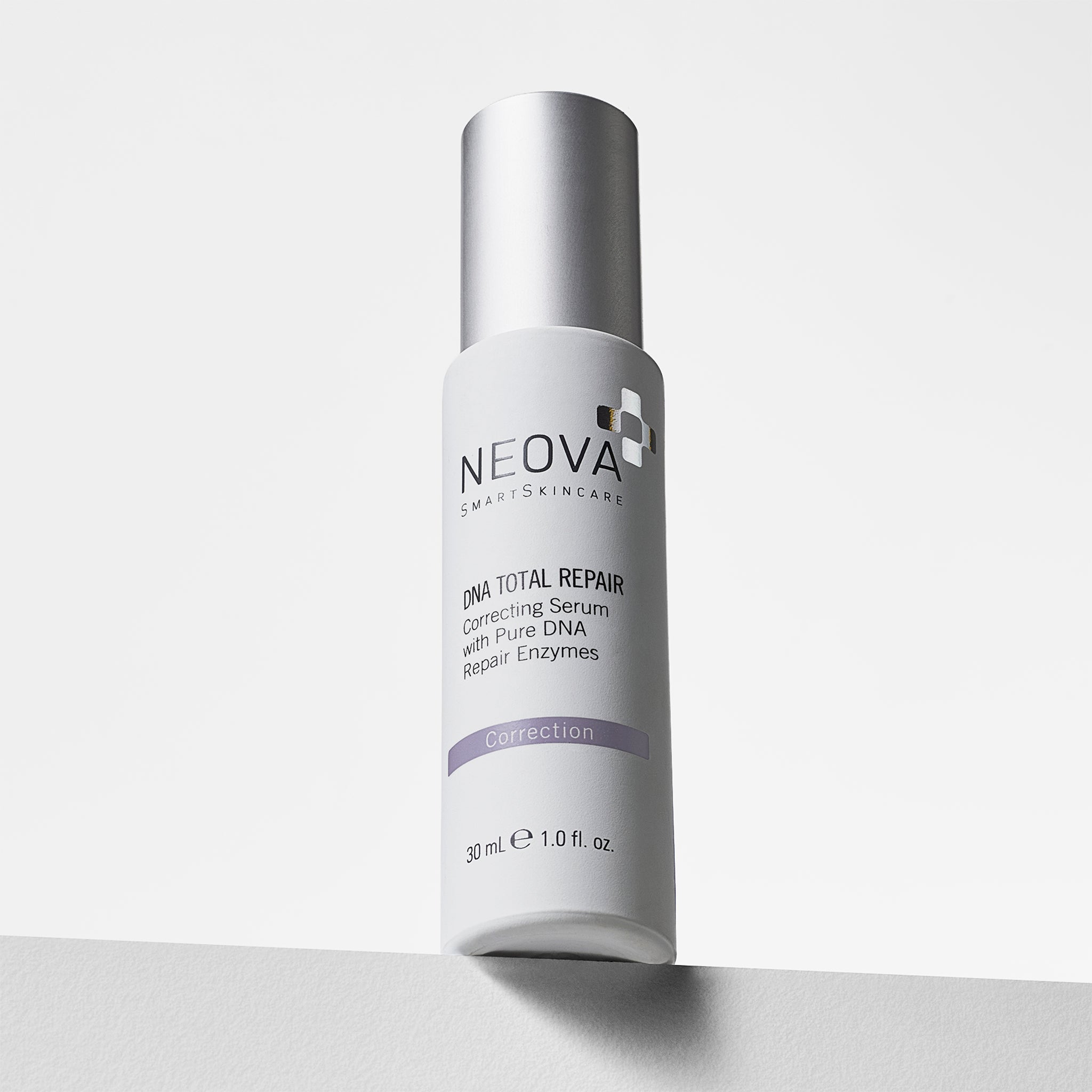
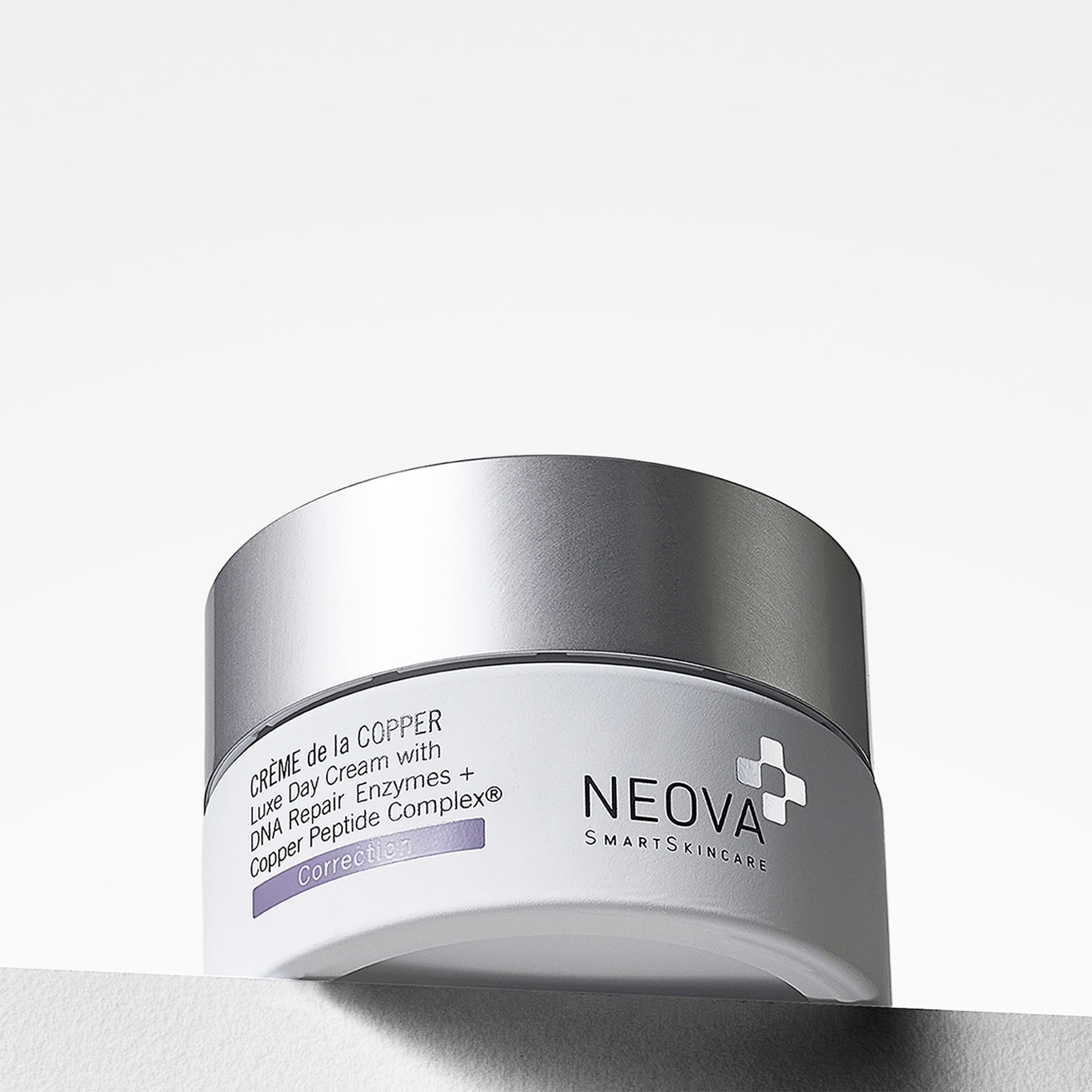
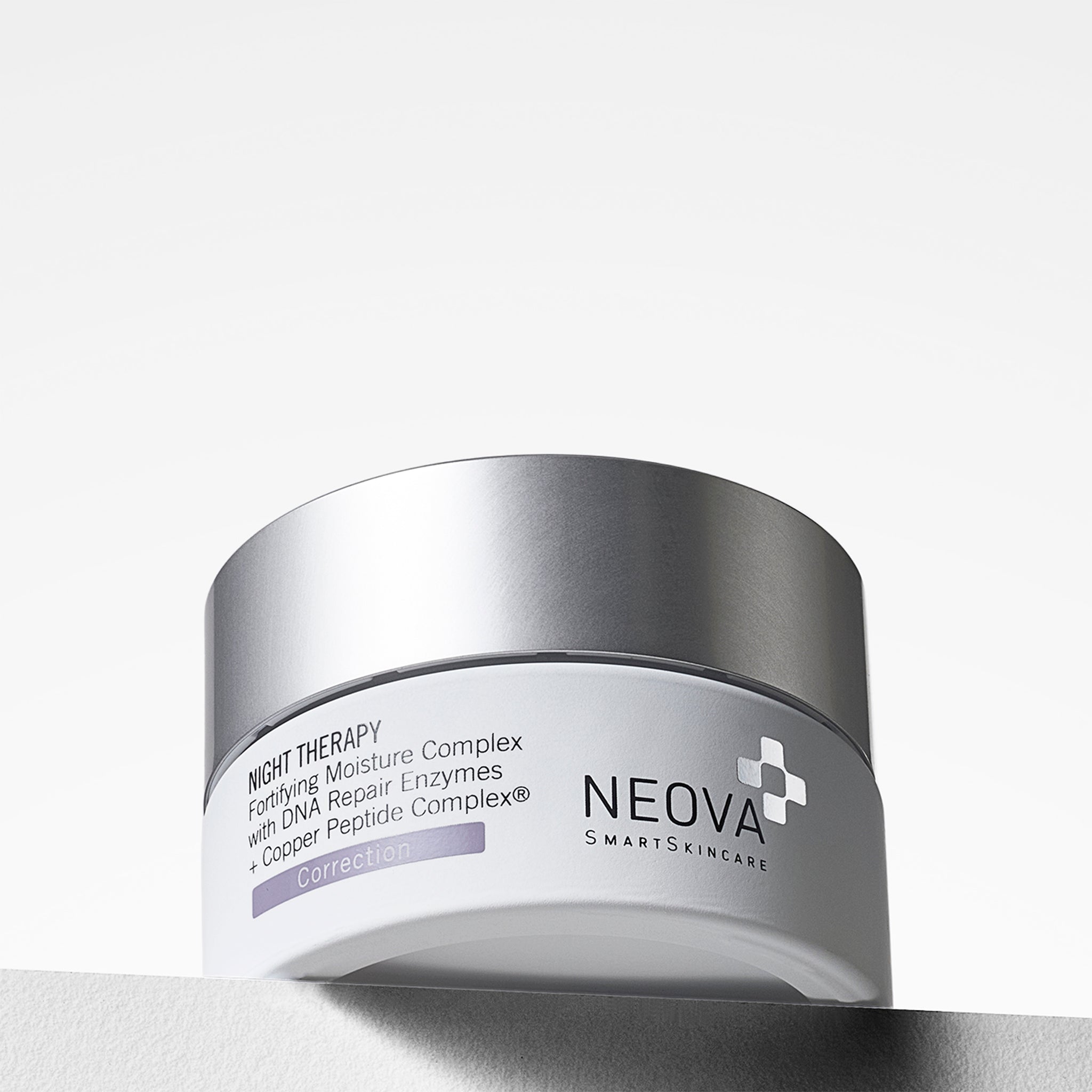
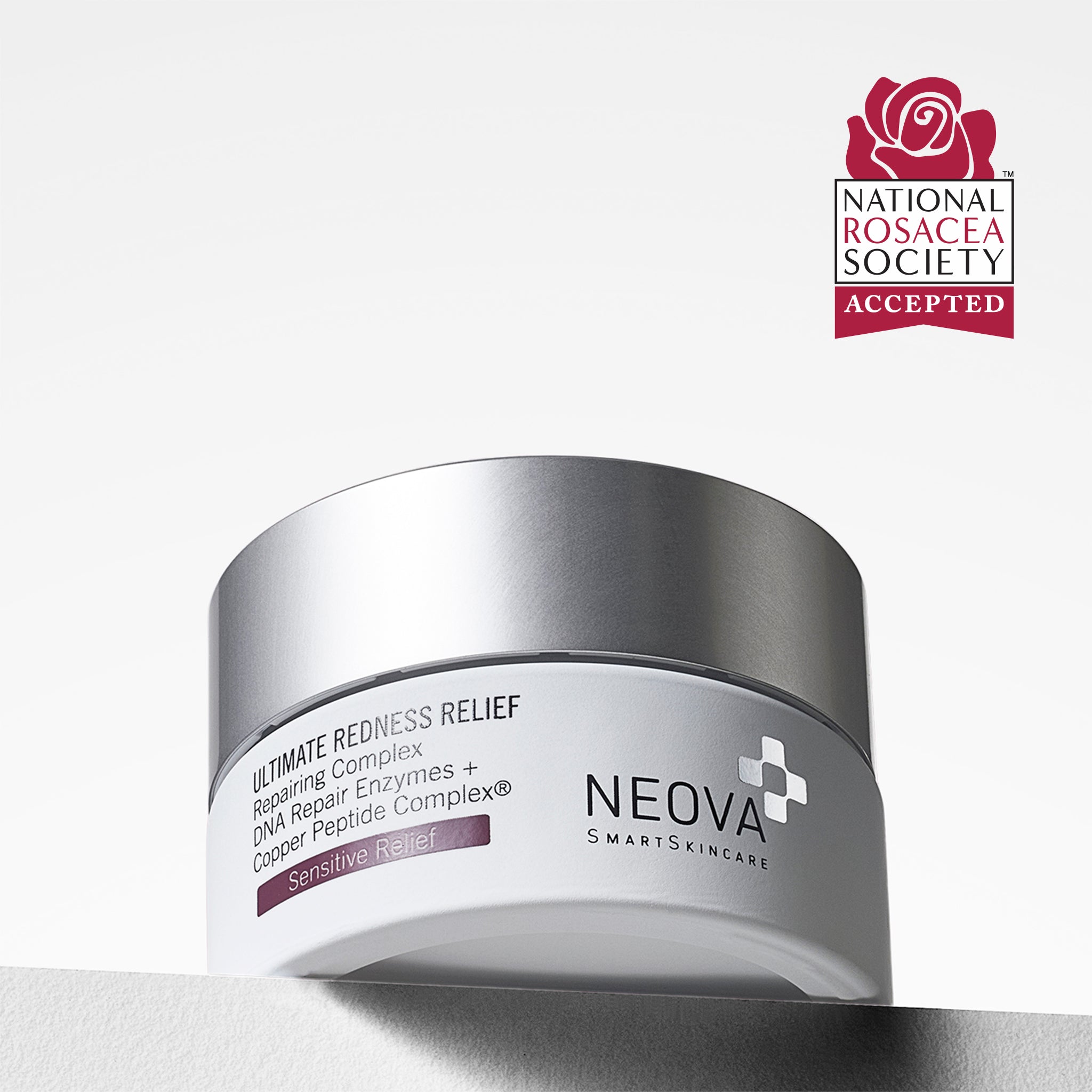
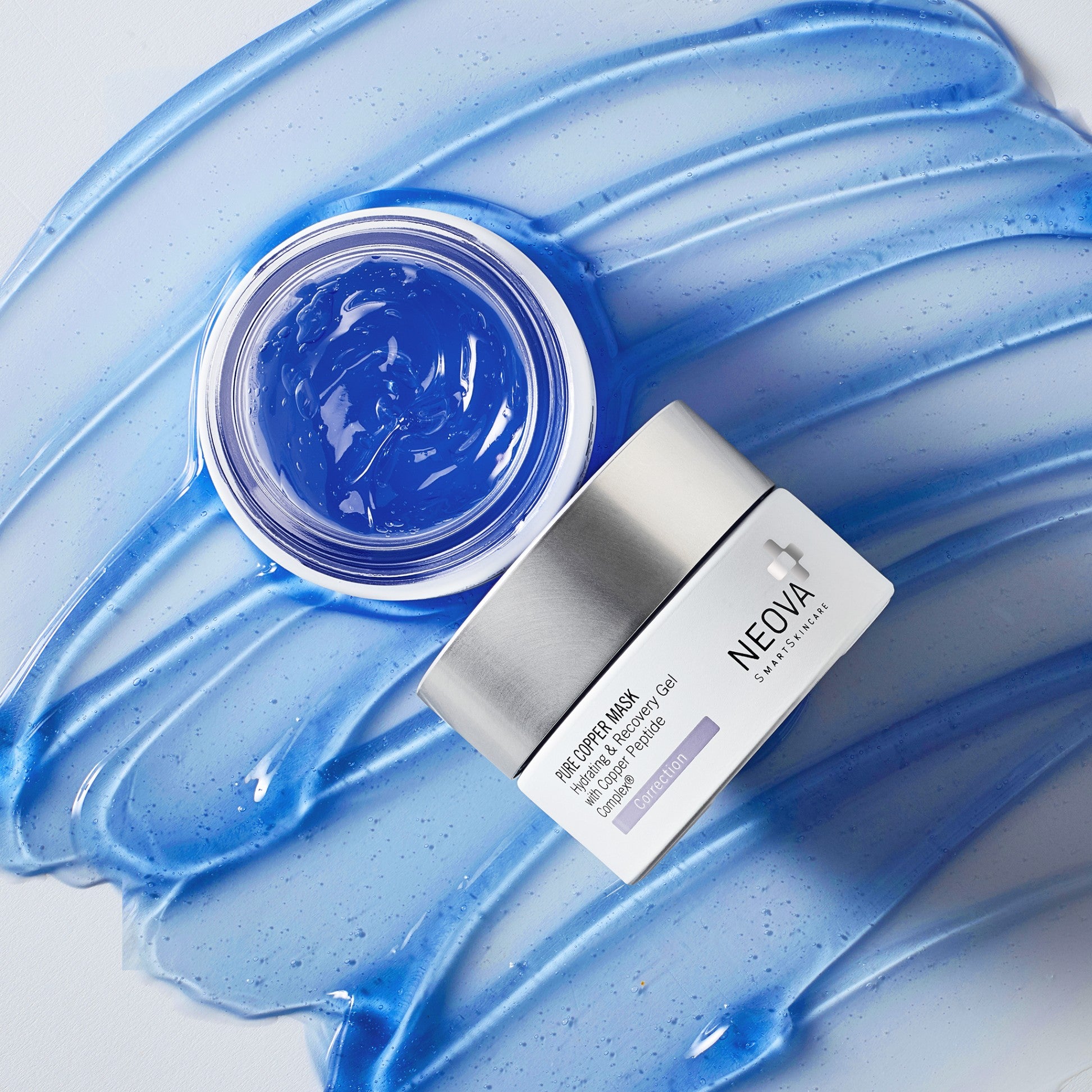
Copper peptides are a cornerstone of NEOVA SmartSkincare and play a vital role in professional post-procedure recovery. Backed by decades of research, copper peptides support the skin’s natural healing processes at the cellular level.
Key Benefits of Copper Peptides in Recovery
Copper peptides help:
- Reduce post-procedure downtime.
- Provide antioxidant protection.
- Deliver anti-inflammatory benefits.
- Promote wound healing.
- Stimulate cell migration.
- Support collagen and elastin production.
After aesthetic treatments, the skin enters a regenerative phase. Copper peptides help guide this process efficiently, supporting healthier, stronger skin as it heals.
Unlike harsh actives, copper peptides are well-tolerated by compromised skin, making them ideal for use immediately following professional procedures.
Protecting Fresh, Vulnerable Skin Is Non-Negotiable
Post-procedure skin is especially sensitive to ultraviolet radiation and environmental aggressors. Even minimal sun exposure can lead to pigmentation issues, prolonged redness, or delayed healing.
Essential Sun Protection Guidelines
- Never skip sunscreen, even on cloudy days.
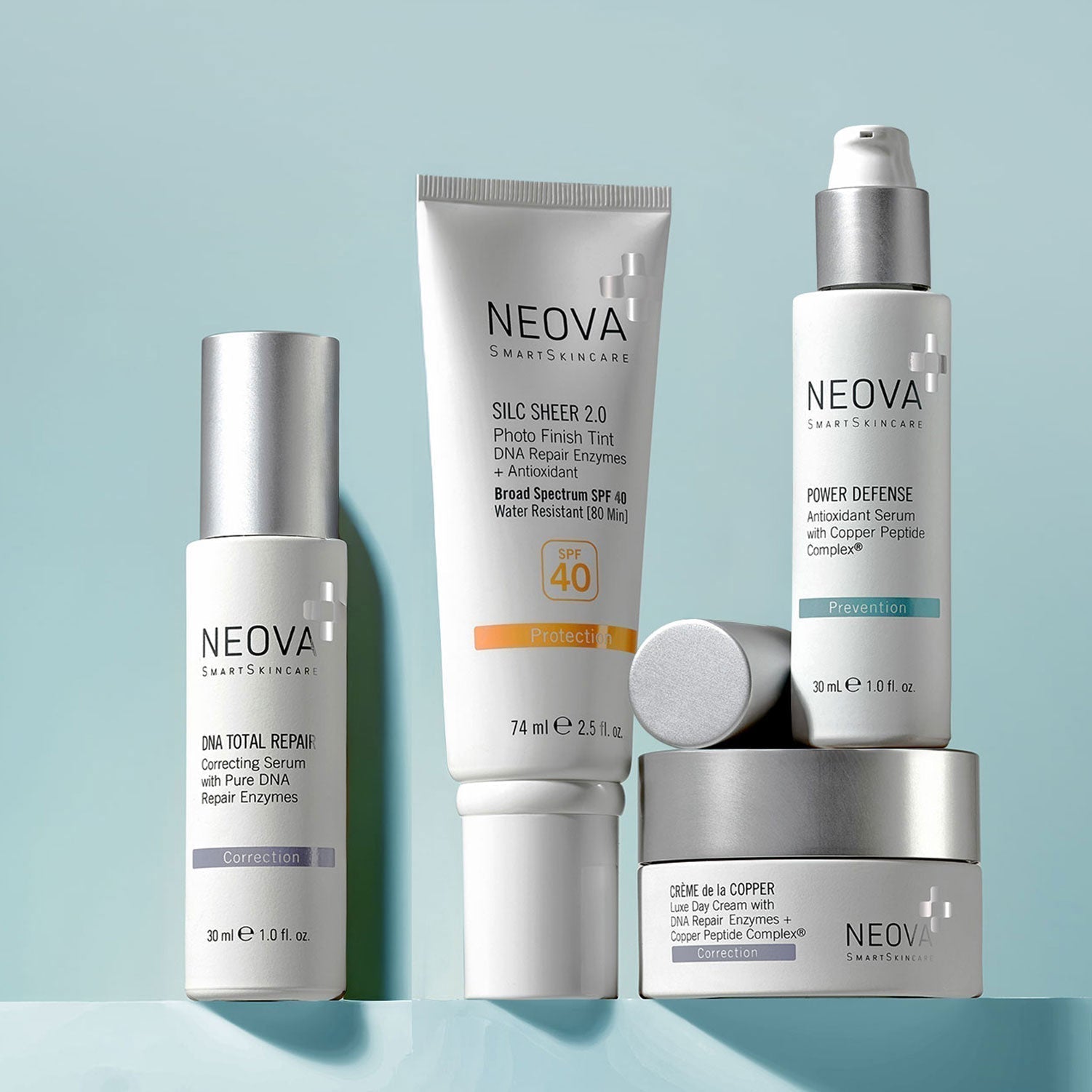
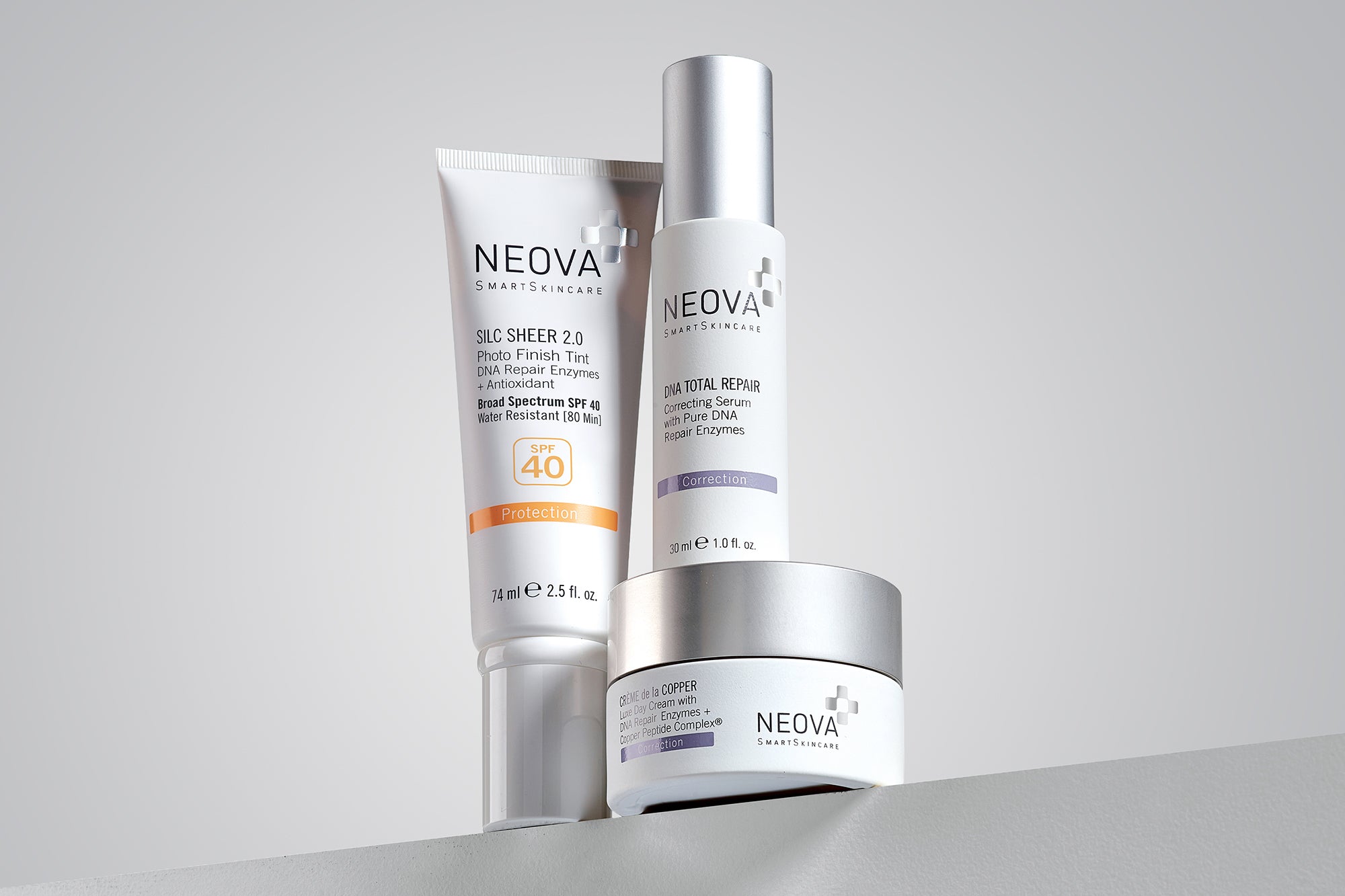
- Use a broad-spectrum SPF such as Silc Sheer 2.0, Everyday or Active.
- Wear a wide-brimmed hat and UPF-protective clothing.
- Use sunglasses to protect the delicate eye area.
- Avoid direct sun exposure during peak hours.
Sun protection is not optional, it’s a critical part of professional post-procedure care and long-term skin health.
The Role of the Skin Barrier in Healing:
The skin barrier acts as the body’s first line of defense. When compromised by aesthetic treatments, it must be supported to function properly.
A strong barrier:
- Retains moisture.
- Protects against pathogens.
- Regulates inflammation.
- Improves treatment outcomes.
Professional post-procedure skincare focuses on restoring barrier integrity through hydration, lipid replenishment, and protective ingredients—rather than aggressive exfoliation or actives.
What to Avoid After Professional Treatments
During recovery, less is more. Avoid:
- Retinoids and exfoliating acids unless directed.
- Fragranced or alcohol-based products.
- Physical exfoliants.
- Excessive heat (hot showers, saunas, steam rooms).
- Intense workouts that increase heat and inflammation.
Following a conservative, provider-approved skincare routine allows the skin to heal efficiently and safely.
Long-Term Benefits of Proper Post-Procedure Care
When post-procedure care is done correctly, patients experience:
- Faster recovery times.
- Reduced risk of complications.
- Improved collagen stimulation.
- More even skin tone and texture.
- Longer-lasting treatment results.
Professional skincare doesn’t end when the procedure is over, it extends into every step of recovery.
Smart Recovery for Optimal Results
Aesthetic treatments are an investment in skin health, and post-procedure care protects that investment. By using clinically formulated, professional-grade skincare designed for specific treatments, you support your skin’s natural healing processes and enhance long-term results.
NEOVA SmartSkincare is trusted by skincare professionals because it combines advanced science, copper peptide technology, and targeted post-treatment systems that support healing at every level.
Whether you’ve had an ablative or non-ablative procedure, the right care makes all the difference.
Smart treatment deserves smart recovery.
Looking to get your treatment plan started, find a skincare provider near you!