Winter Skin Care: How Cold Air and Indoor Heating Affect Skin Moisture
Winter presents a unique challenge for skin health. While colder months often bring festive moments and cozy routines, they also expose the skin to harsh environmental conditions that can compromise hydration, weaken the skin barrier, and accelerate visible signs of aging. Understanding how cold outdoor air and dry indoor heating affect the skin is essential for maintaining a healthy, resilient complexion throughout winter.
NEOVA focuses not just on treating symptoms like dryness or flakiness, but on addressing the underlying causes, namely moisture loss, barrier disruption, and environmental stress.
Why Winter Is One of the Harshest Seasons for Skin?
During winter, environmental humidity levels drop significantly. Cold air holds less moisture than warm air, which means the atmosphere pulls water from any available source, including your skin. At the same time, indoor heating systems further dry the air, compounding moisture loss.
This combination leads to increased trans epidermal water loss (TEWL), a process where water evaporates through the outer layers of the skin faster than it can be replenished. When TEWL increases, skin becomes dehydrated, fragile, and more vulnerable to irritation and inflammation.
Even individuals with oily or acne-prone skin can experience dehydration during winter, highlighting the difference between oil production and true skin hydration.
The Science of Low Humidity and Skin Dehydration
Humidity plays a critical role in maintaining skin moisture levels. When humidity drops, the gradient between the water inside your skin and the dry air outside increases, causing moisture to evaporate more rapidly.
This loss of water affects skin on multiple levels:
- The stratum corneum (outermost layer) becomes compromised.
- Skin cells lose their ability to function optimally.
- The skin barrier weakens, allowing irritants to penetrate more easily.
Clinically, this can present as:
- Tightness and discomfort.
- Rough or uneven texture.
- Increased redness and sensitivity.
- Fine lines appearing more pronounced due to dehydration.
How Indoor Heating Intensifies Moisture Loss
While indoor heating provides comfort, it significantly reduces ambient moisture levels. Forced-air heating systems, radiators, and fireplaces create warm but extremely dry environments that pull water from the skin continuously.
The frequent transition from cold outdoor air to warm indoor air creates additional stress on the skin. These rapid temperature shifts can disrupt the skin’s natural lipid balance and impair its ability to retain moisture.
Common winter skin concerns caused by indoor heating include:
- Chronic dryness.
- Flakiness and peeling.
- Increased sensitivity.
- Exacerbation of conditions like eczema or rosacea.
Without proper skincare support, the skin barrier struggles to recover under these conditions.
The Role of the Skin Barrier in Winter Skin Health
A healthy skin barrier is essential for retaining moisture and defending against environmental aggressors. The barrier is composed of lipids, proteins, and corneocytes that work together to keep hydration in and irritants out.
Winter conditions can strip these lipids, weaken the barrier and increase TEWL. Once compromised, the skin becomes less responsive to treatment and more prone to irritation.
This is why skincare routines emphasize:
- Barrier repair.
- Deep hydration.
- Antioxidant protection.
- Consistent use of clinically formulated products.
Supporting the barrier is not just about comfort, it’s about long-term skin health and aging prevention.
Hydration vs. Moisture: A Critical Distinction in Winter
One of the most important educational points in skincare is understanding the difference between hydration and moisture.
- Hydration refers to water content within the skin
- Moisture refers to lipids and emollients that seal hydration in
Winter skin often lacks both. Hydrating ingredients like hyaluronic acid attract and bind water within the skin, while barrier-supportive moisturizers prevent that water from evaporating.
Using one without the other can limit results. For example, applying hyaluronic acid without sealing it in can lead to further dehydration in low-humidity environments.
Winter Skin Care Solutions from NEOVA
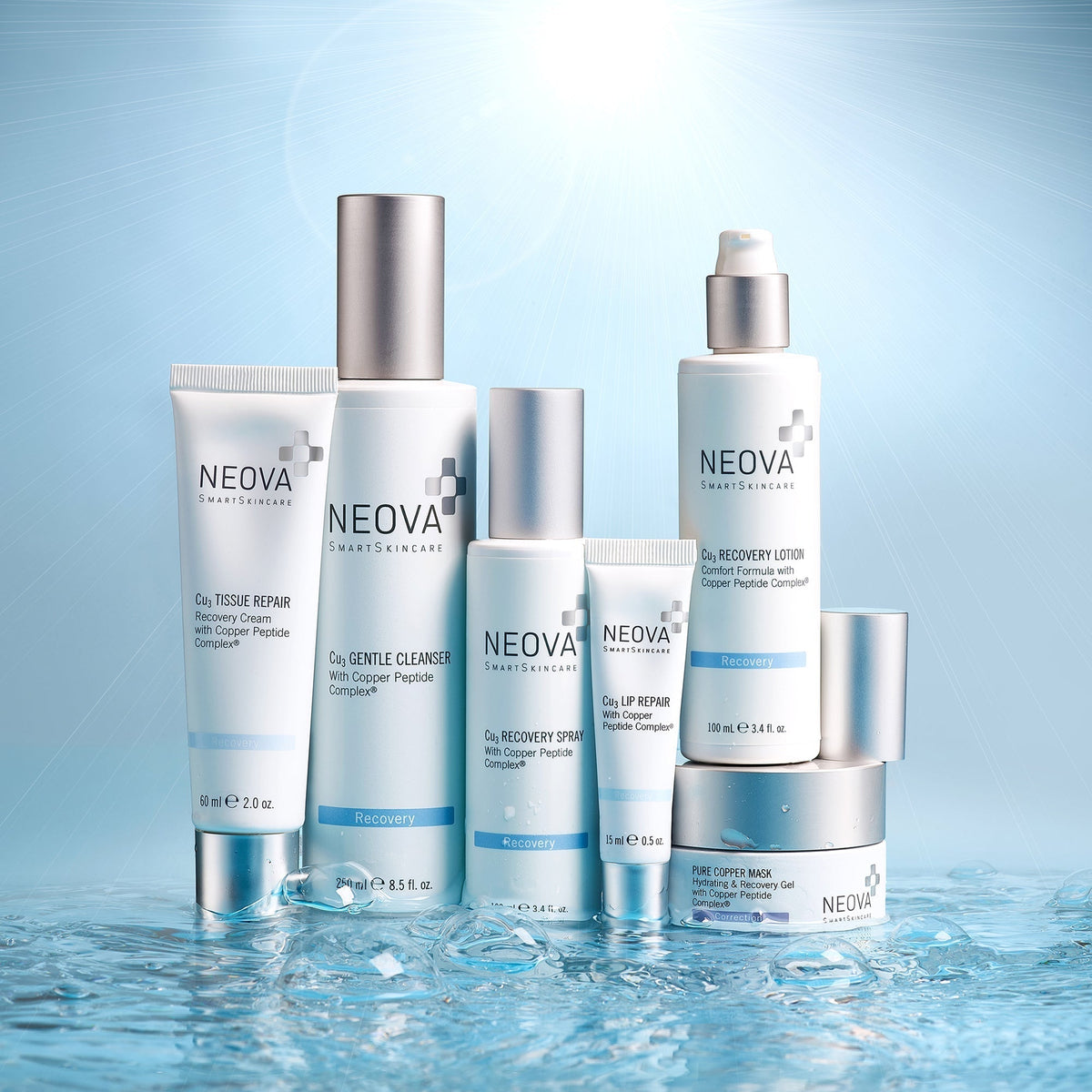
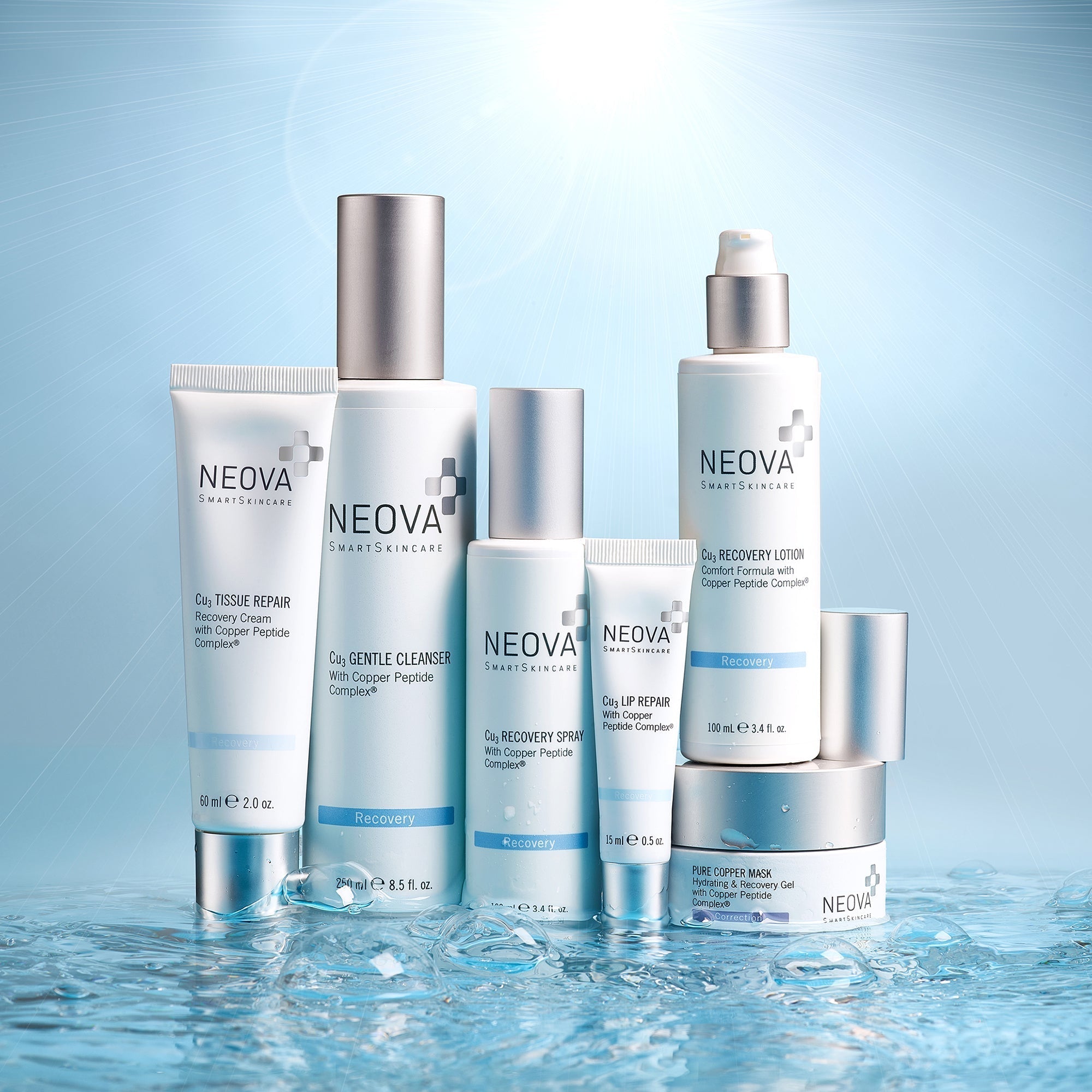
NEOVA SmartSkincare formulates products with advanced science and barrier-supportive technologies designed to perform under challenging environmental conditions.
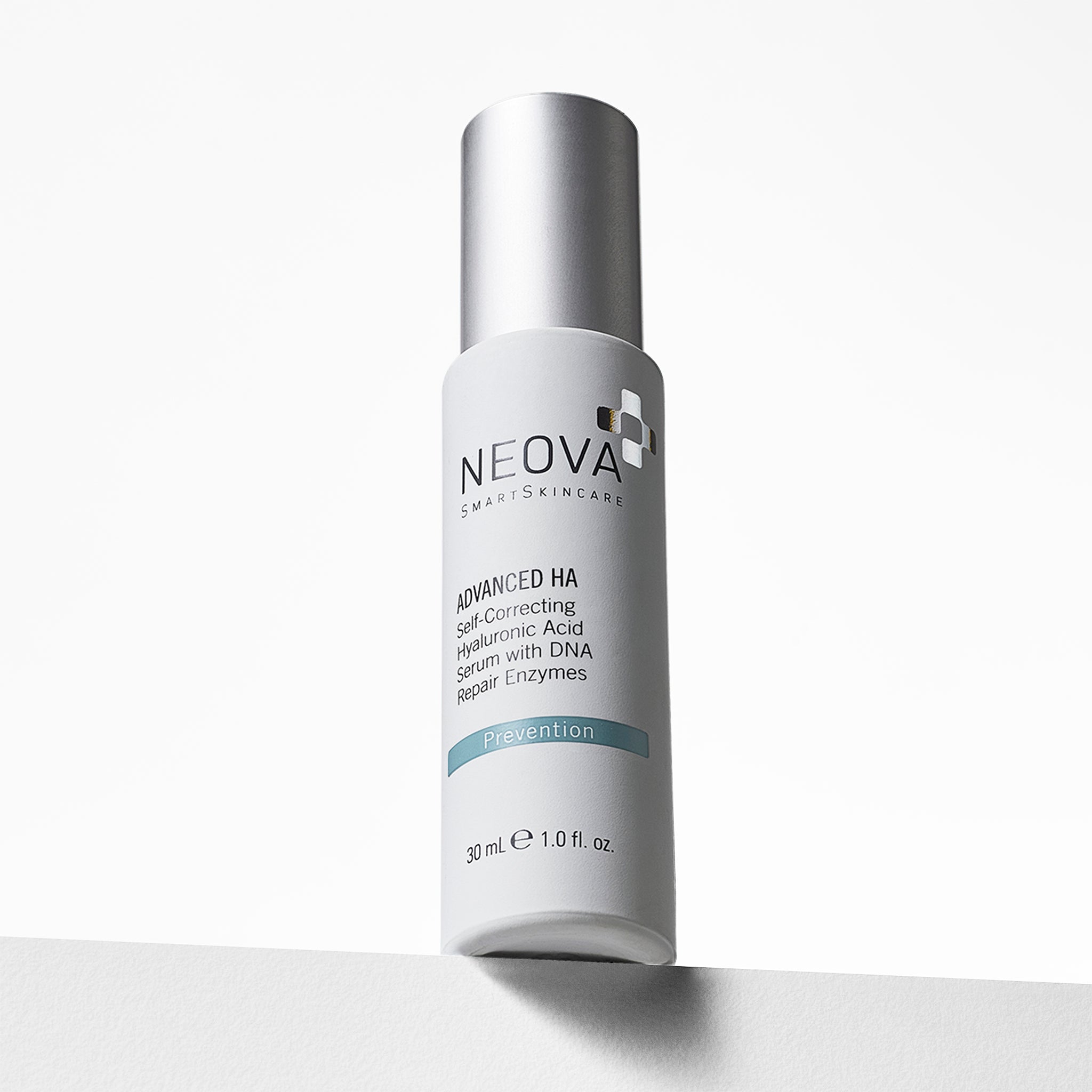
Advanced HA: Deep Hydration Support
Hyaluronic acid is a cornerstone of skincare during winter. Advanced HA helps attract and retain water within the skin, improving elasticity, comfort, and overall hydration levels. Proper hydration supports cellular function and enhances the effectiveness of other active ingredients.
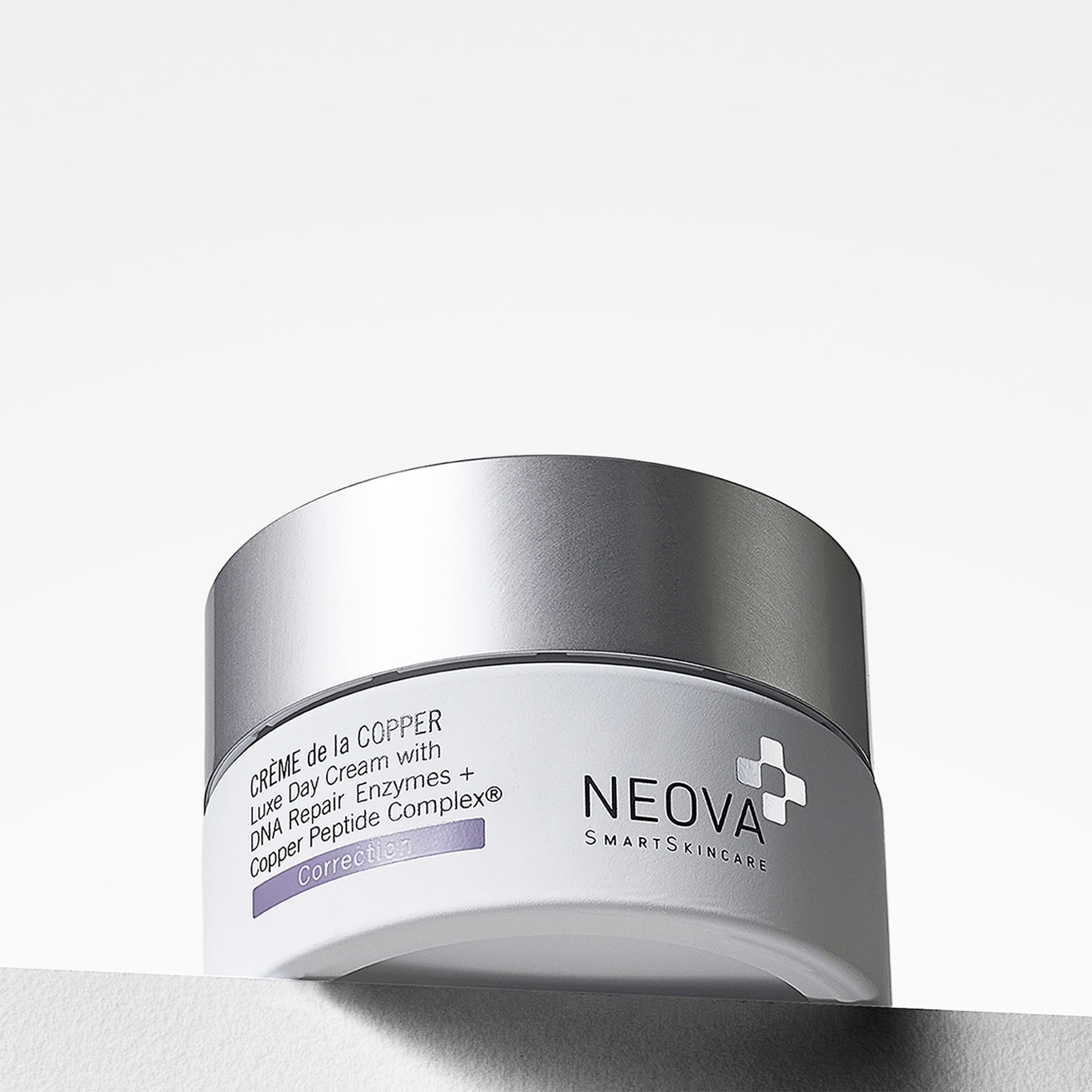
Crème de la Copper: Barrier Repair and Moisture Lock
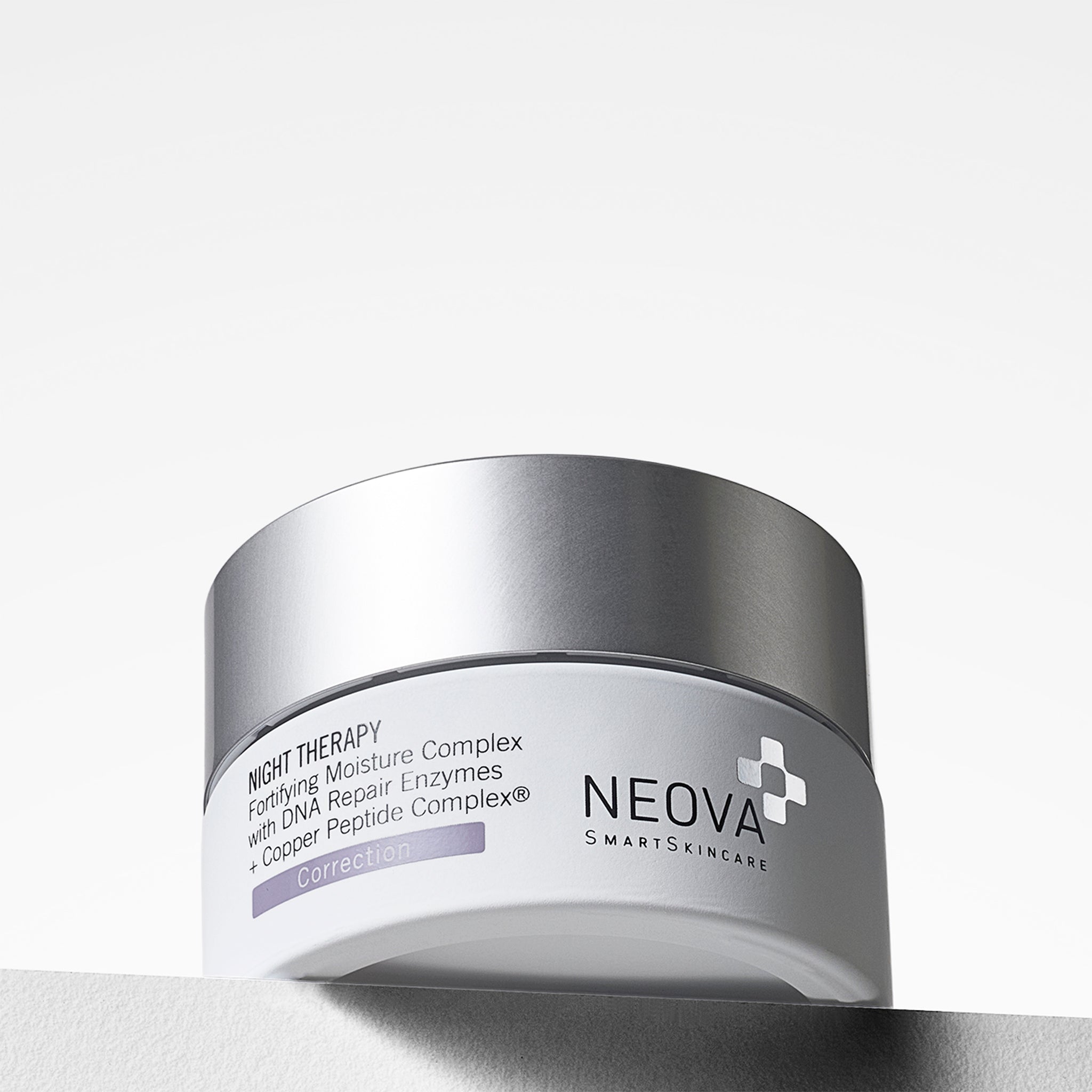
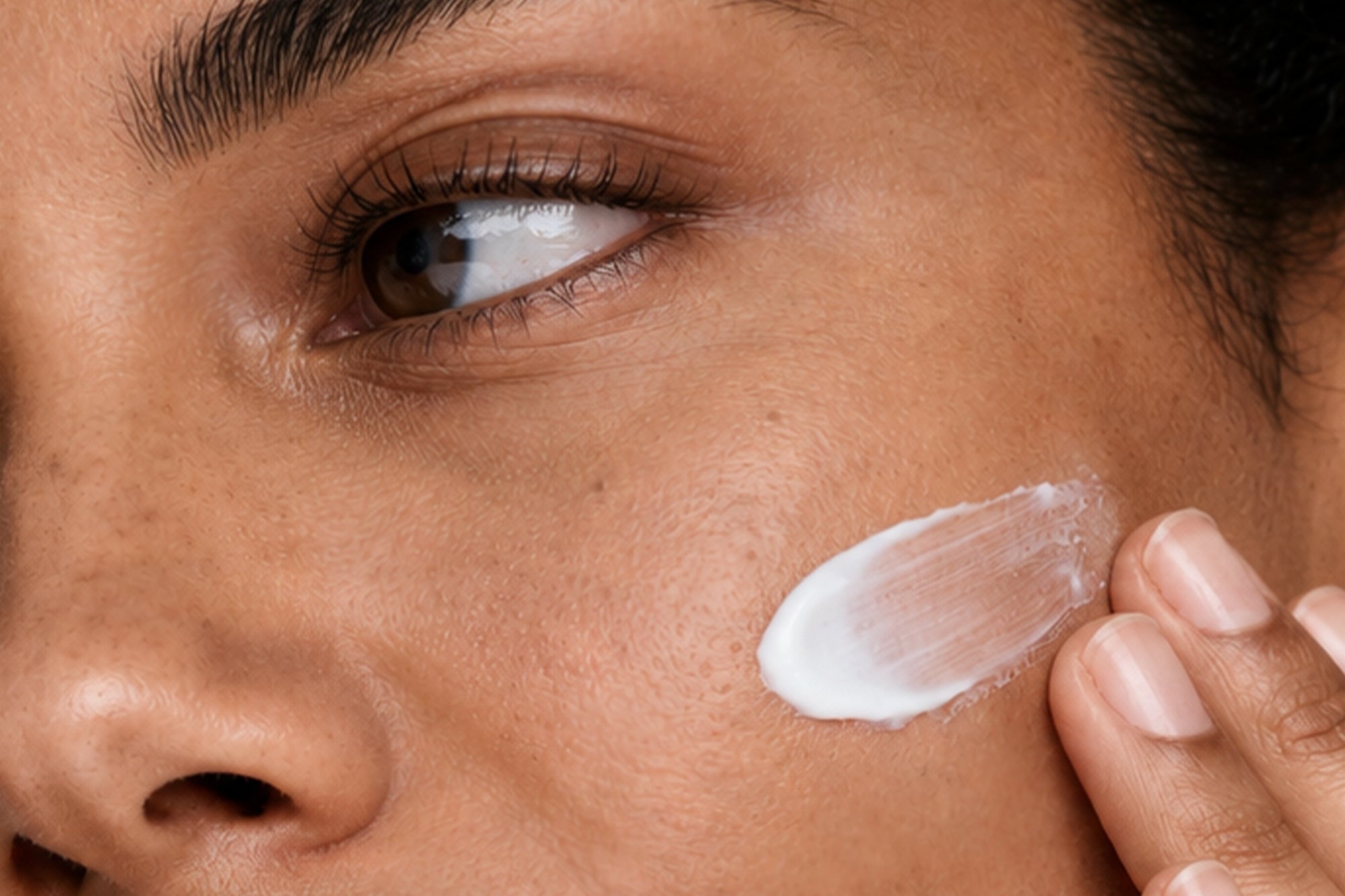
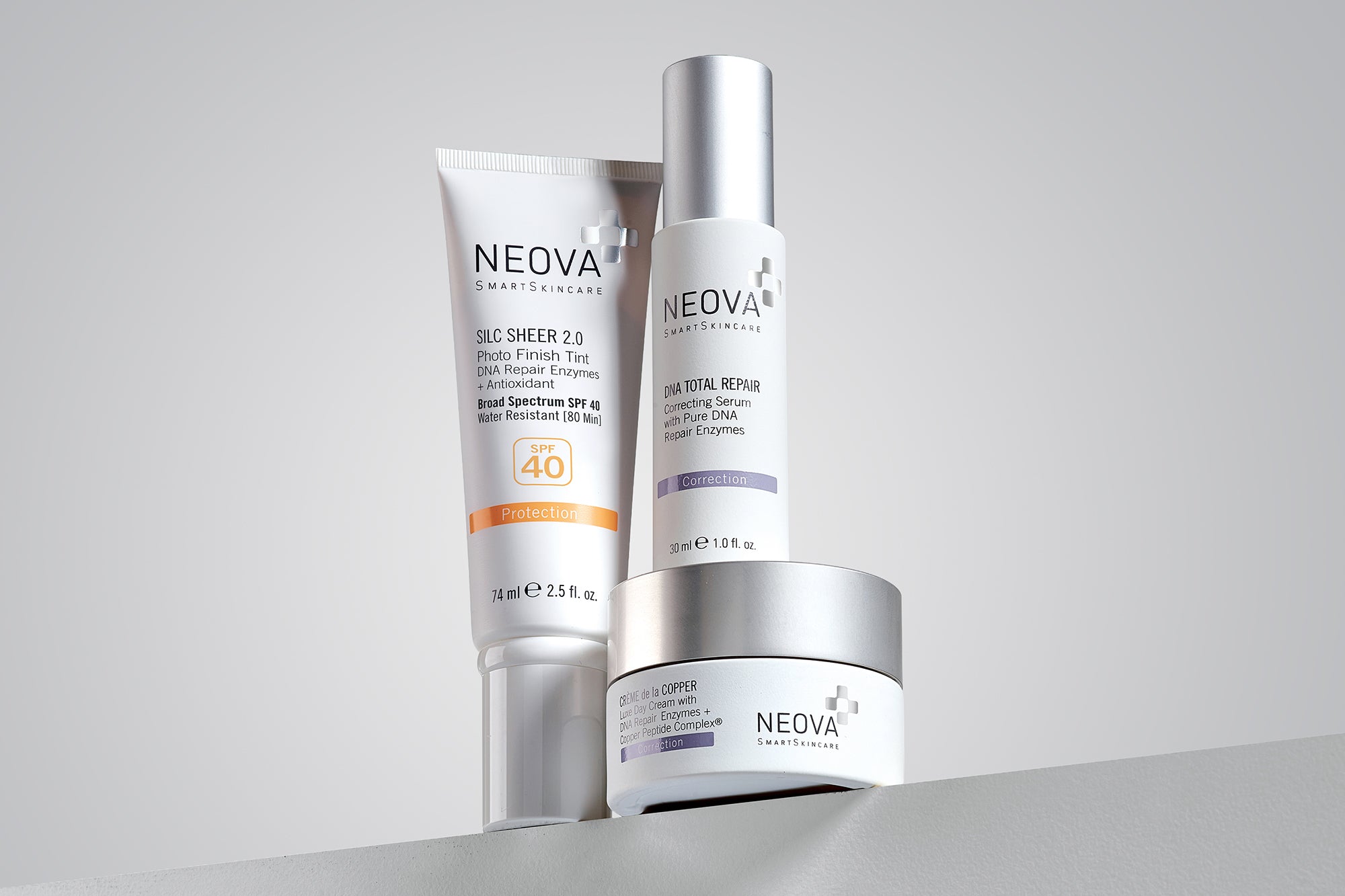
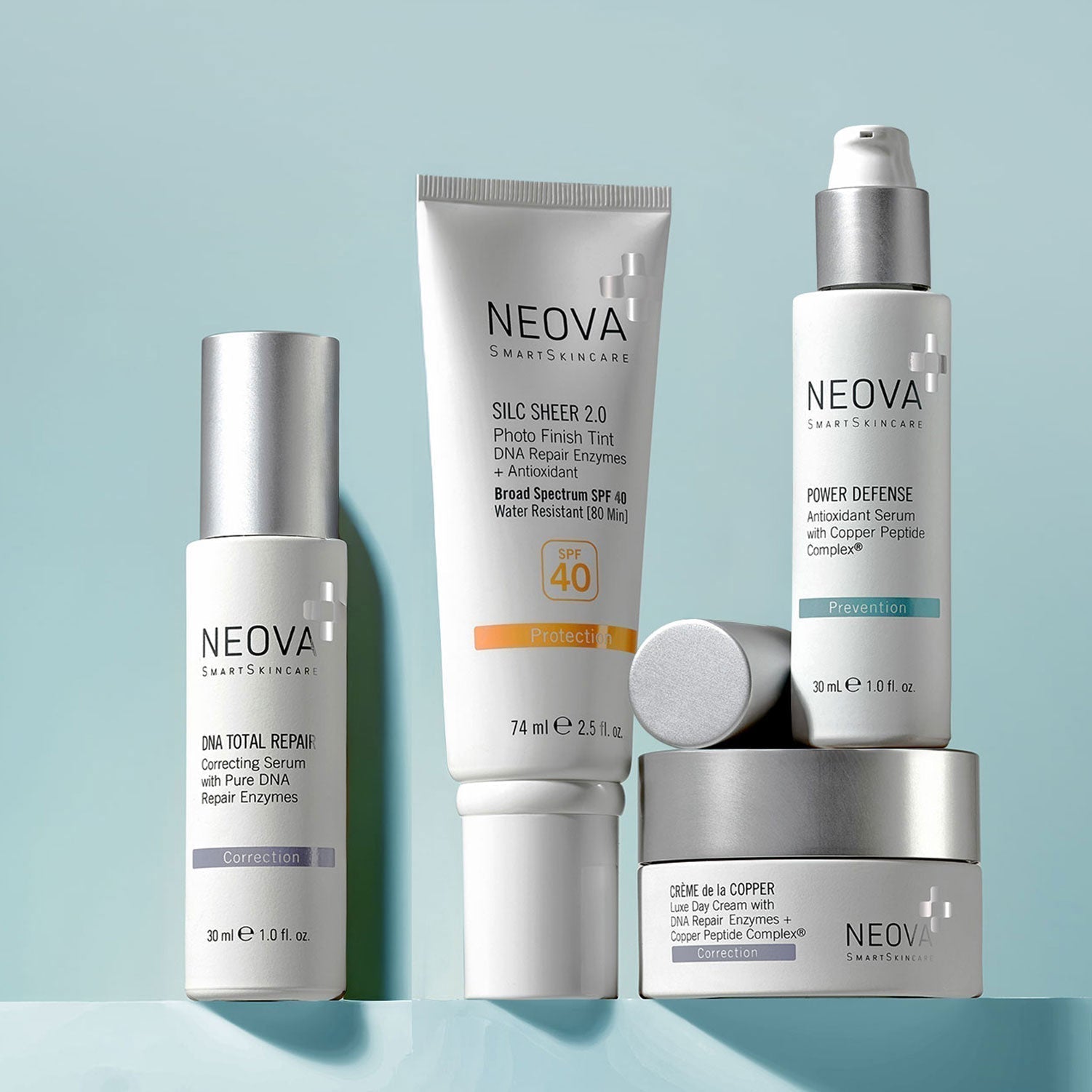
Cold air and indoor heating compromise the lipid barrier. Crème de la Copper helps replenish moisture, support barrier repair, and reduce moisture loss. Its formulation helps skin feel soothed, nourished, and protected against environmental stress.
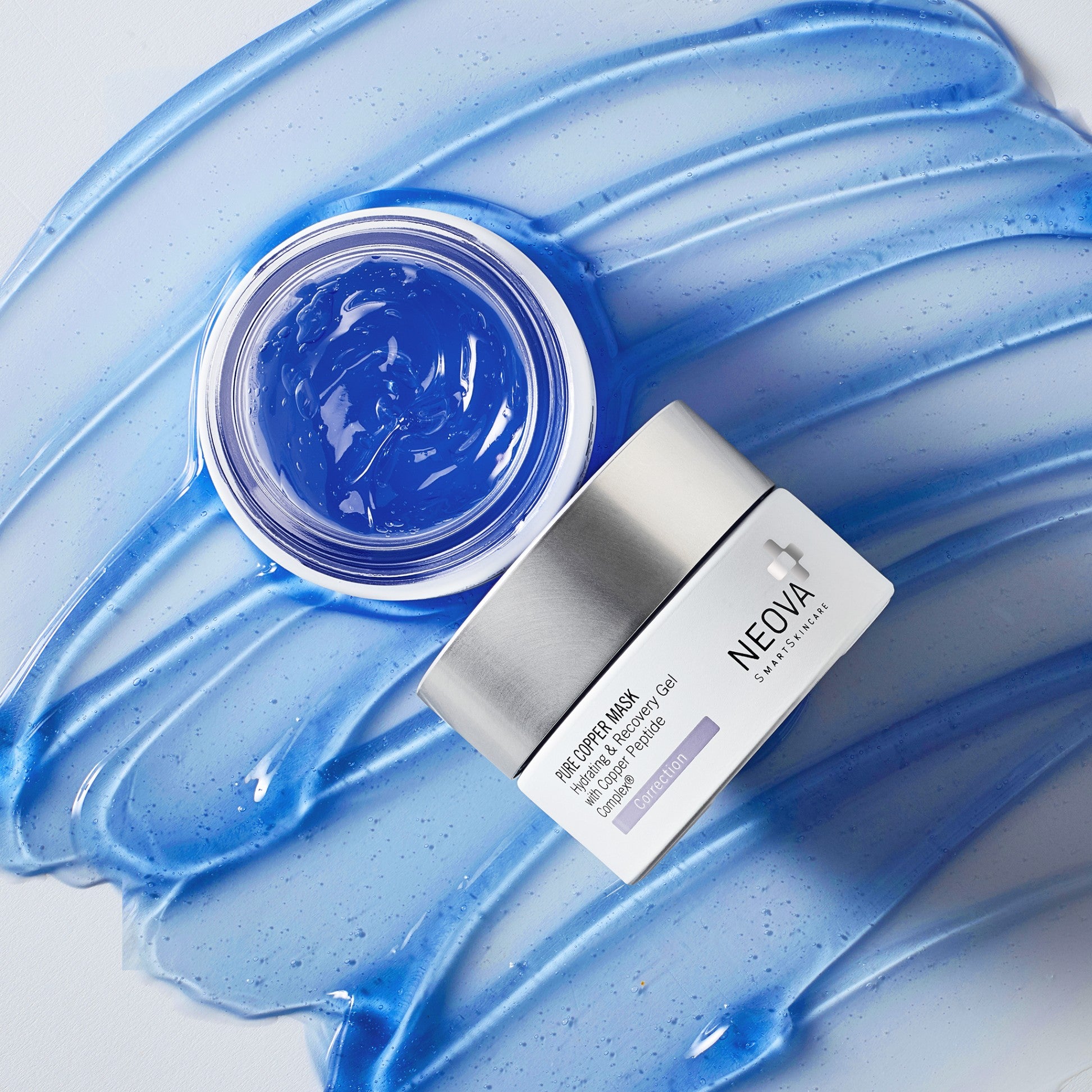
Pure Copper Mask: Intensive Winter Recovery
Masks play a critical role in winter skincare routines. The Pure Copper Mask delivers intensive hydration and recovery support, making it ideal for skin that feels depleted, stressed, or inflamed due to cold weather exposure.
Power Defense: Environmental Protection
Winter doesn’t eliminate environmental damage. UV exposure, pollution, and oxidative stress remain concerns year-round. Power Defense provides antioxidant support to help defend against free radical damage and strengthen skin resilience.
Additional Winter Skin Care Tips
Beyond product selection, daily habits significantly influence winter skin health:
- Use lukewarm water instead of hot when cleansing.
- Limit long showers that strip natural oils.
- Apply skincare to slightly damp skin to enhance hydration.
- Use a humidifier to restore indoor moisture levels.
- Avoid harsh exfoliation when skin feels compromised.
- Maintain consistent skincare routines.
Consistency and prevention are key components of skin care strategies.
Winter Skin Care and Aging Prevention
Dehydrated skin is more prone to premature aging. Fine lines, wrinkles, and loss of firmness become more visible when skin lacks water and barrier integrity. Supporting hydration and barrier health during winter helps maintain smoother texture, improved elasticity, and a more youthful appearance.
Skincare is not seasonal, it adapts seasonally. Winter requires a shift toward hydration, moisture retention, and barrier defense to preserve skin health year-round.
Smart Skin Care for Winter Resilience
Winter environments challenge the skin in ways that often go unnoticed until discomfort or visible changes appear. Cold air, low humidity, and indoor heating all contribute to dehydration, barrier disruption, and increased sensitivity.
By understanding how these factors affect the skin—and by choosing clinically formulated, skincare solution, your skin can remain strong, balanced, and resilient throughout the coldest months.
NEOVA SmartSkincare delivers science-driven solutions designed to protect, hydrate, and strengthen skin in every season, especially when the environment is at its harshest.