

Build Your Summer Skincare Routine by Skin Type
A summer skincare routine looks different as you age. Suddenly, the products that worked a few summers ago may not be enough now, and there is a biological reason for that. UV exposure accelerates DNA damage at a rate mature skin is slower to recover from. Heat increases oil production while moisture levels actually drop. Barrier function, already more vulnerable with age, takes a bigger hit in summer than most people realize.
The good news is that understanding what is happening makes it straightforward to address.
Whether your concern is post-sun inflammation, dehydration, breakouts, or uneven tone, the right product sequence makes the difference between skin that thrives in summer and skin that simply endures it.
Let’s walk through how to create a summer regimen that works with where your skin is now, organized by skin type and formulated around NEOVA's most targeted clinical actives.

Your Skincare Routine Needs to Change in Summer
Skin is always responding to its environment, and summer asks more of it than most seasons. When temperatures rise, skin loses water faster than usual (A.K.A. trans-epidermal water loss, or TWEL), even if it looks oilier than normal on the surface. UV exposure increases oxidative stress and accelerates DNA damage in skin cells, which shows up over time as uneven tone and the kind of aging that builds quietly season after season. Heat also signals sebaceous glands to produce more oil, which can clog pores and trigger breakouts. June is Acne Awareness Month for good reason.
For aging skin, these shifts matter more than they used to. The heavy moisturizer that got you through winter can work against you in summer, sitting on top of skin rather than absorbing into it. Warmth already improves how well skin absorbs products, so a thick barrier on top is rarely necessary.
In practice, a summer skincare routine should feel lighter and absorb faster, lead with antioxidants and SPF, and hold onto the actives that support cell turnover and hydration at a deeper level.
The elements most worth revisiting as the season changes are your moisturizer weight, how often you exfoliate, how you are delivering antioxidants, and what format your sun protection takes.

The Core Summer Skincare Routine: Steps and Products
A complete summer routine runs from morning protection to overnight recovery. Each step serves a specific purpose, and the sequence matters.
Morning Routine
The primary goal in the morning skincare is protection. You are building a barrier against UV radiation, oxidative stress, and moisture loss before the day has a chance to work against your skin.
- Step 1: Begin with a gentle cleanse designed to remove overnight sebum accumulation and any residual actives without disrupting the lipid barrier.
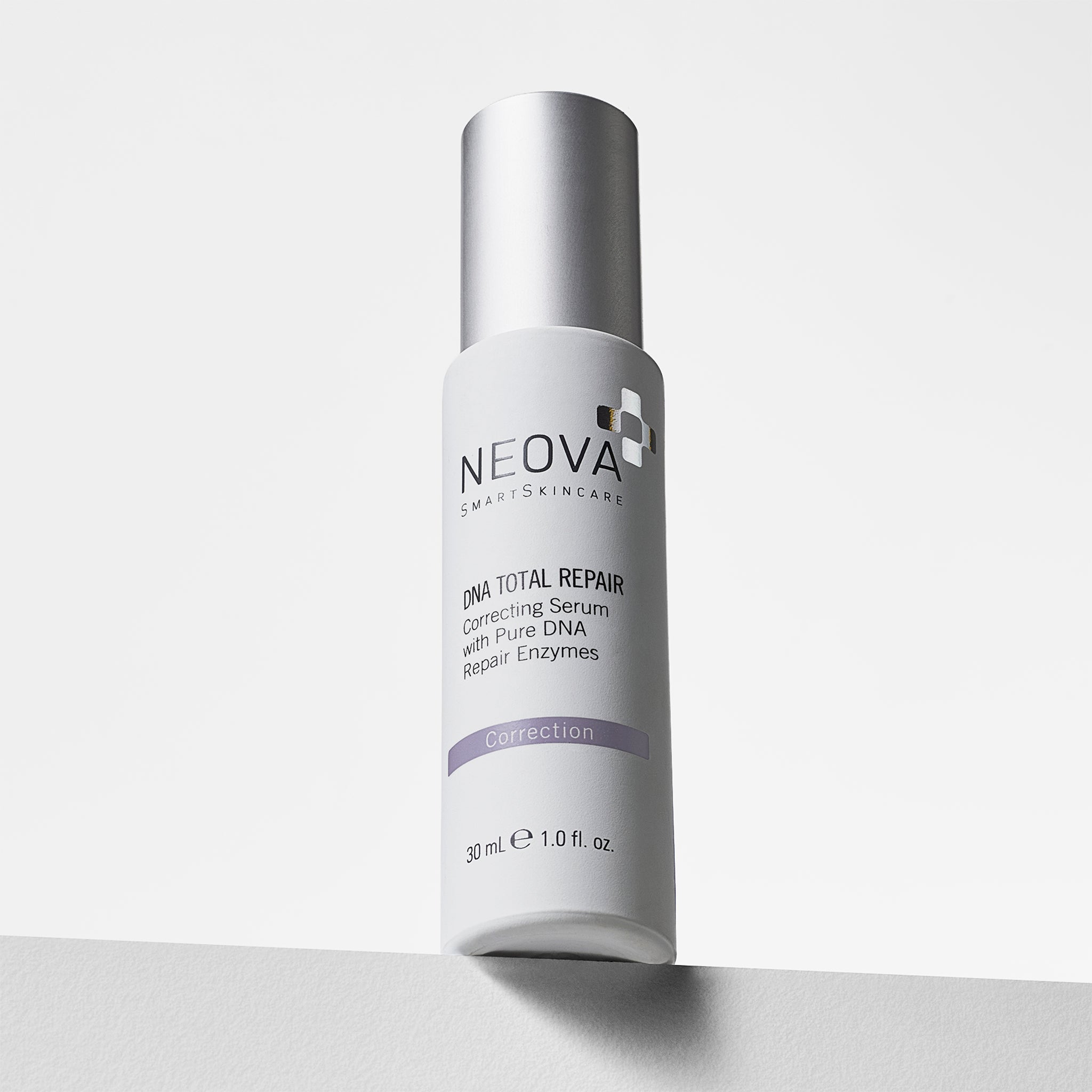
- Step 2: Follow with an antioxidant treatment or targeted DNA Repair serum to neutralize free radicals before UV exposure begins to amplify oxidative stress.
- Step 3: Then apply a hydration layer to maintain barrier water content without adding occlusion.
-
Step 4: Finish with broad-spectrum SPF applied generously as the final step, ensuring complete and even coverage.

Evening Routine
Evening care shifts from protection to restoration. This is when skin processes the day's environmental stress and begins to repair it.
- Step 1: Begin with a double cleanse if SPF, makeup, or environmental buildup is present. A gentle cleaning gel ensures complete removal of surface residues that can interfere with nighttime repair.
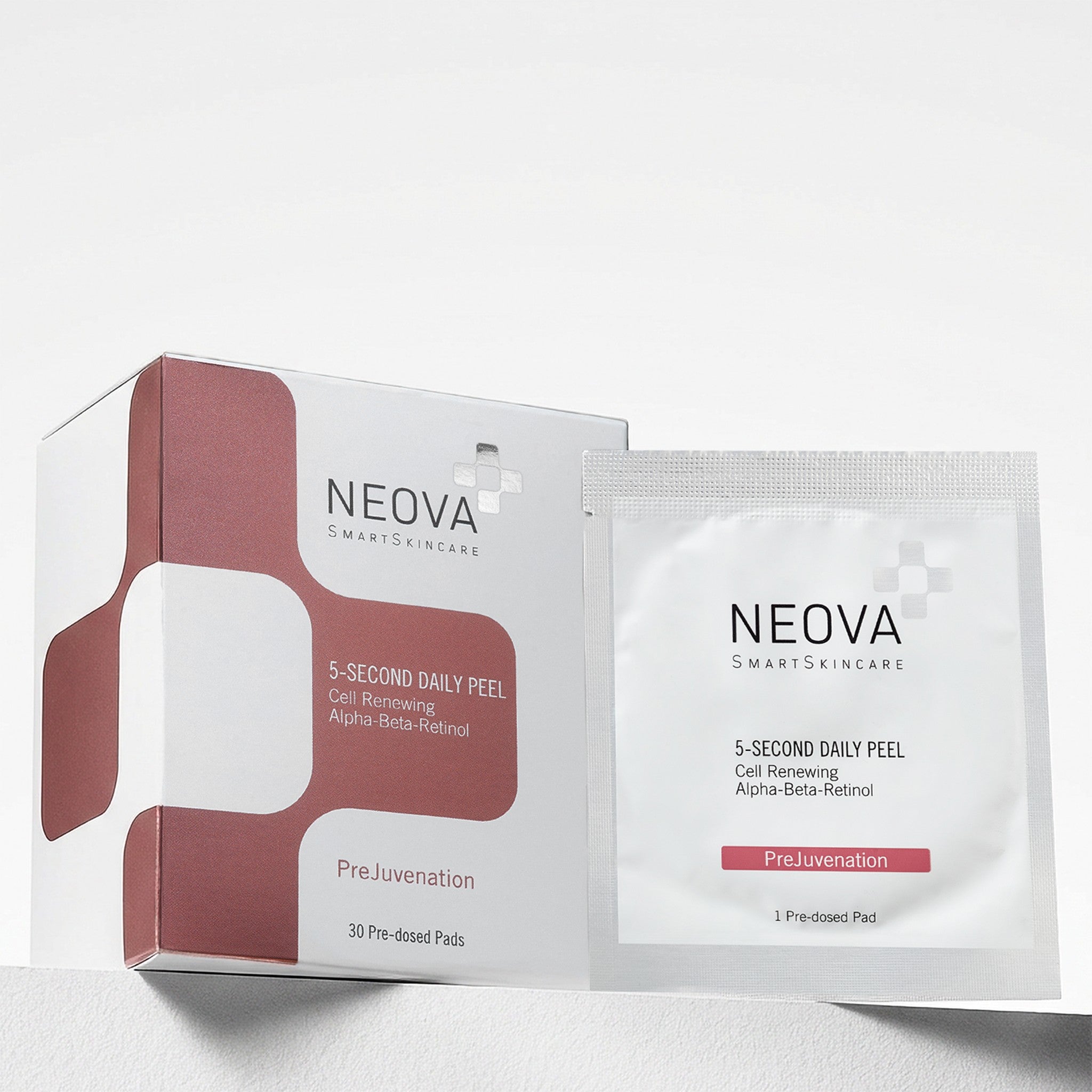
- Step 2: Follow with an exfoliator two to three nights per week, depending on skin tolerance and seasonal sensitivity. Look for those formulated with alpha-beta-retinol for consistent, low-irritation exfoliation.
- Step 3: Then apply a targeted serum or repair-focused formula to support cellular regeneration.
-
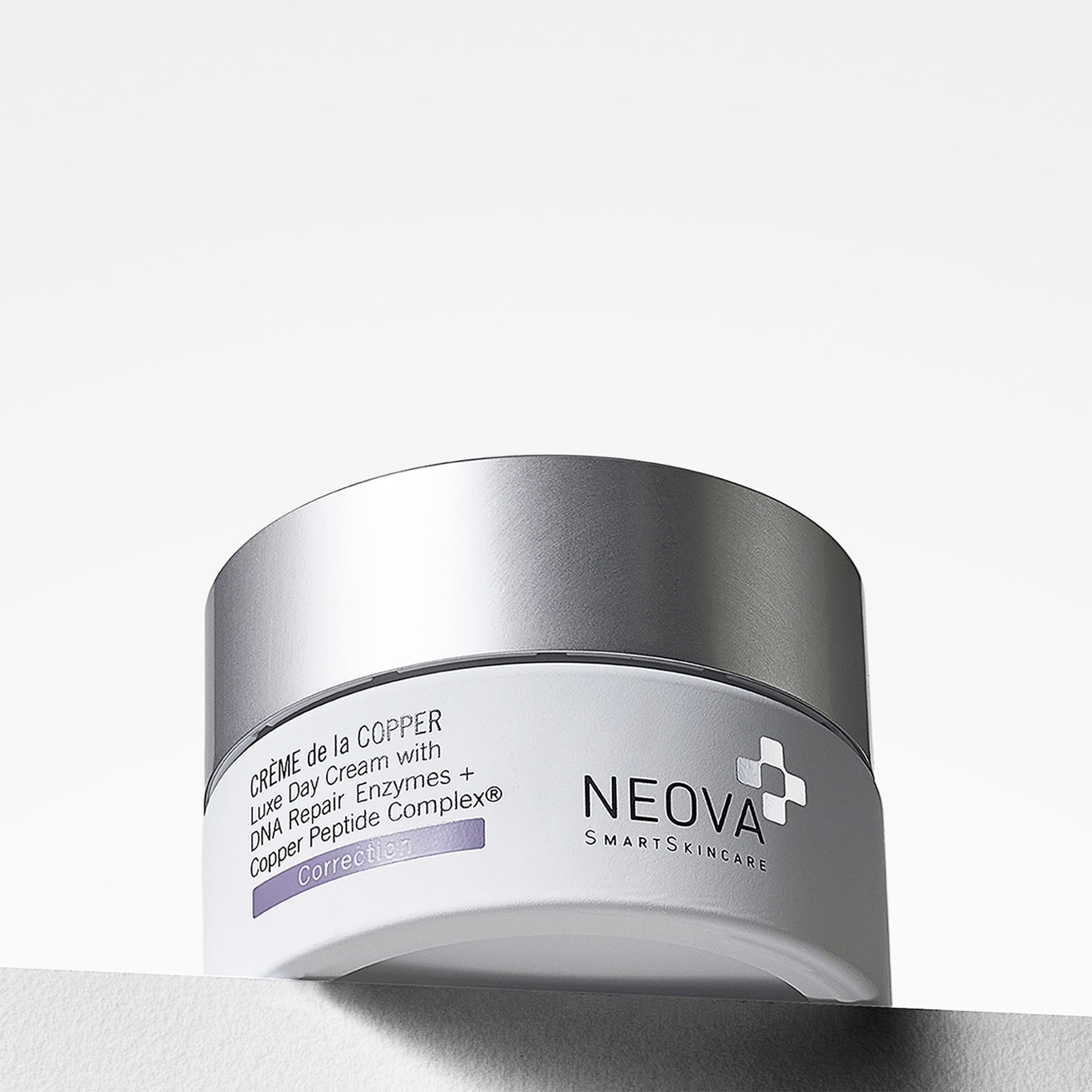
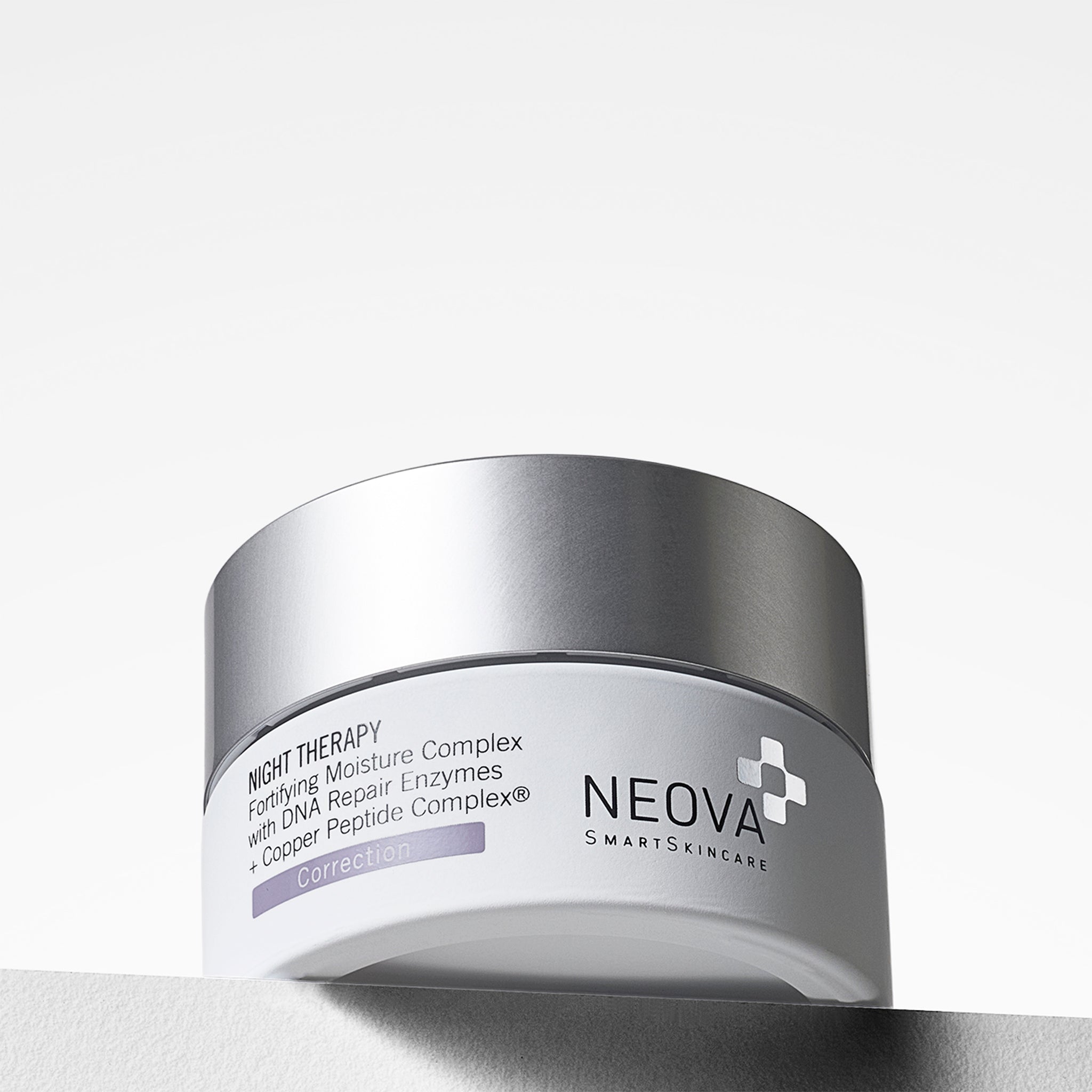
Step 4: Finish with a rich recovery moisturizer with copper peptides to reinforce barrier function overnight.

Summer Skincare Routines by Skin Type
One of the most common mistakes in summer skincare is applying a generalized routine without accounting for skin type. In reality, summer tends to exaggerate existing tendencies—dry skin becomes more dehydrated, oily skin becomes more reactive, and sensitive skin becomes more easily triggered. Understanding where your skin sits makes it easier to adjust to the right formulas without overhauling everything.
Dry and Dehydrated Skin
For dry skin, summer is often misleading. While humidity may feel hydrating at the surface, the combination of sun exposure and indoor air conditioning creates a persistent cycle of water loss that is often more aggressive than winter dryness.
Despite contrary belief, the answer is not heavier creams, but layered, lightweight hydration applied consistently. NEOVA's Cu3 Recovery Spray should be applied to damp skin in both morning and evening routines to optimize water retention before evaporation occurs. While Clear Relief provides the necessary lipid reinforcement, supporting barrier integrity without clogging pores.

Oily and Combination Skin
For oily and combination skin, summer tends to mean more shine, more congestion, and more visible pore activity. The instinct to strip or over-cleanse often makes things worse by triggering even more oil production. Regulation is more effective than reduction.
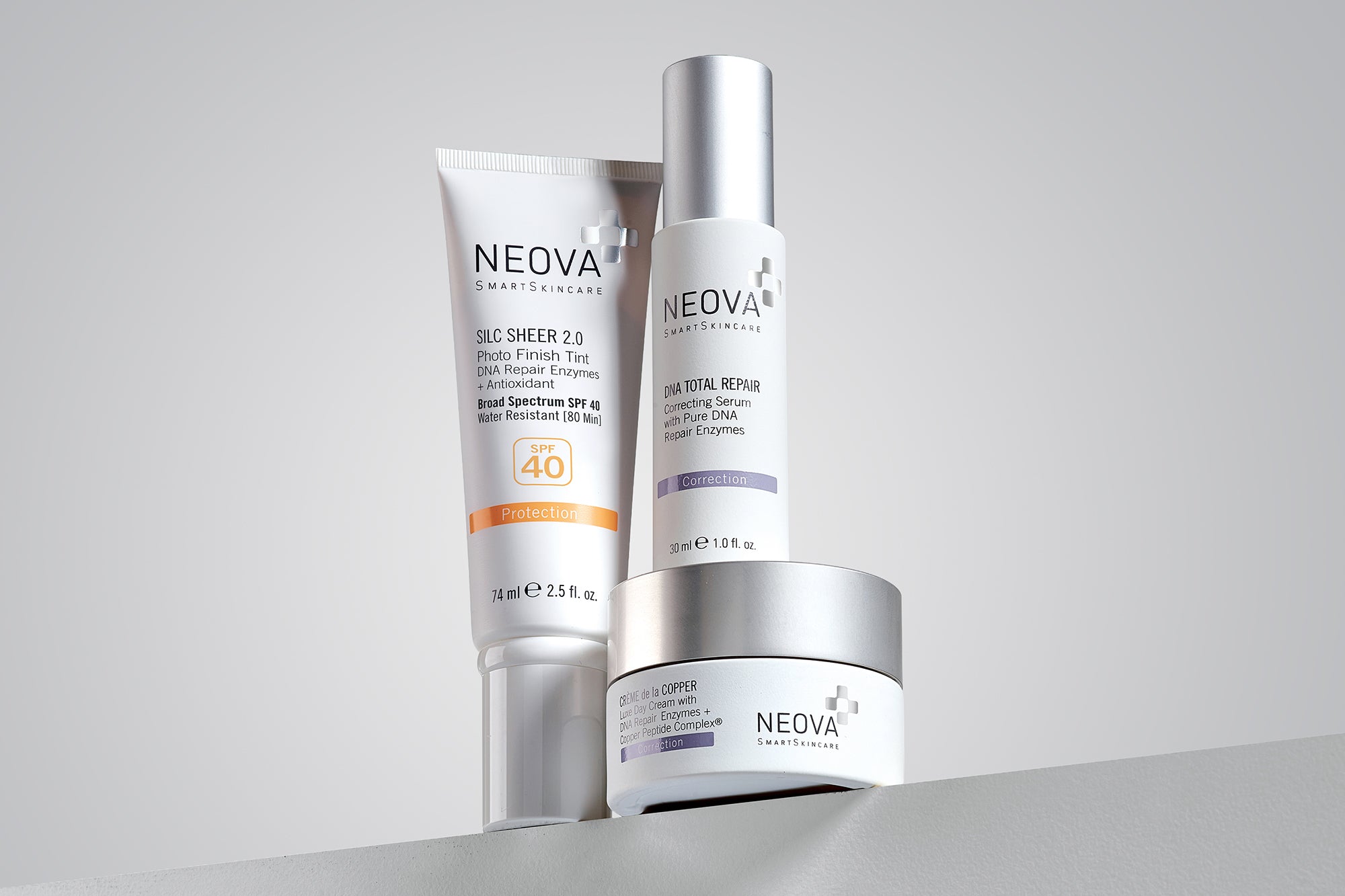
NEOVA's 15-Minute Reset Mask used two to three evenings per week helps keeps the surface clear by supporting gentle, consistent exfoliation. Multi-Active Day Cream provides the right level of hydration without the weight that would work against oilier skin. For daily SPF, Silc Sheer 2.0 is a strong choice because it protects without contributing to midday shine.

Normal Skin
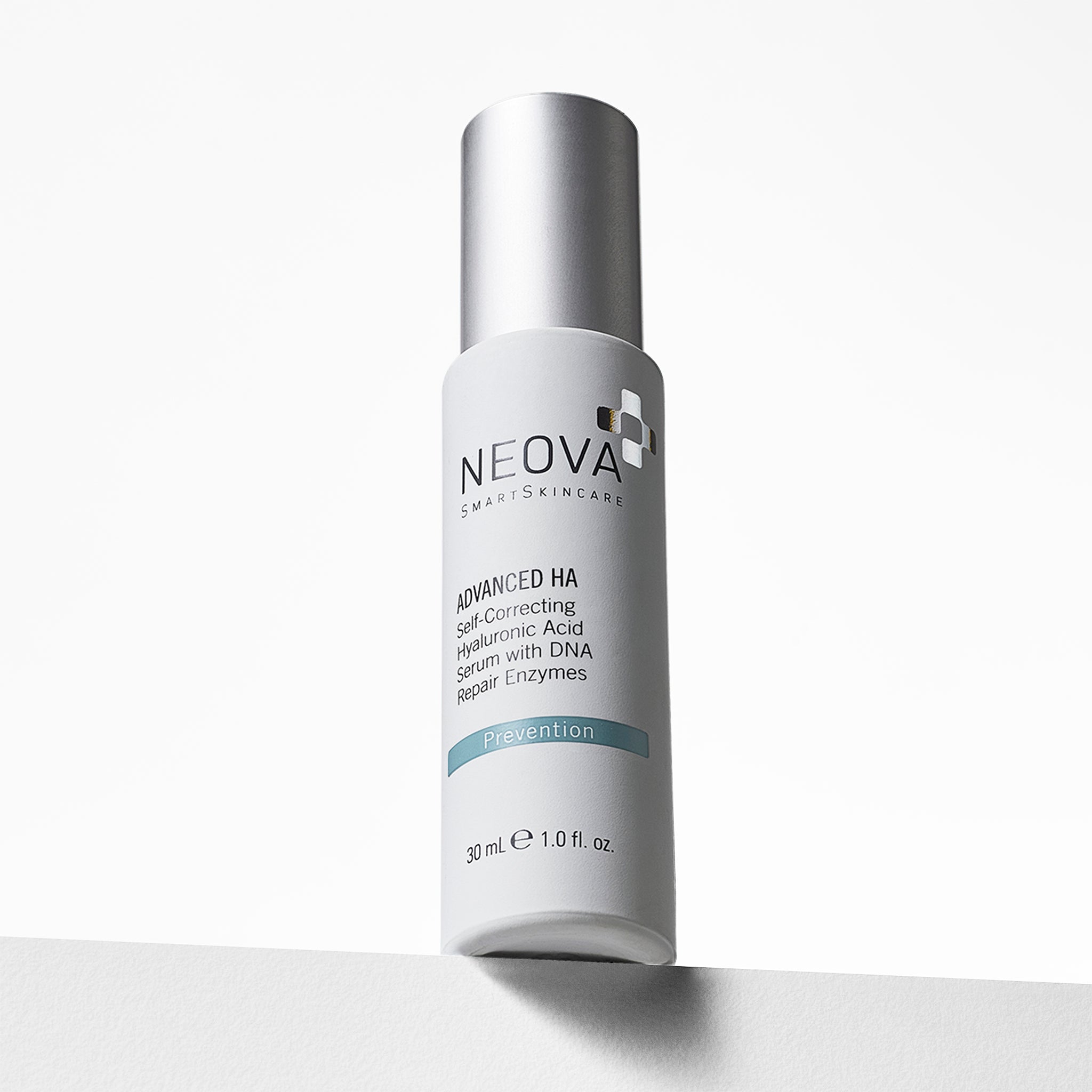
Normal skin in summer benefits most from maintenance and prevention rather than correction. The focus shifts to antioxidant defense, reliable SPF, and keeping your skin cells’ turnover on a consistent schedule. Advanced HA supports natural regeneration, while Daily Moisture sustains the hydration balance that normal skin manages well with the right foundation in place.

Sensitive Skin
Sensitive skin tends to have less resilience in summer. UV exposure, heat, salt water, chlorine, and city pollutants can stack up quickly, and what the skin could tolerate in March may trigger a reaction in July.
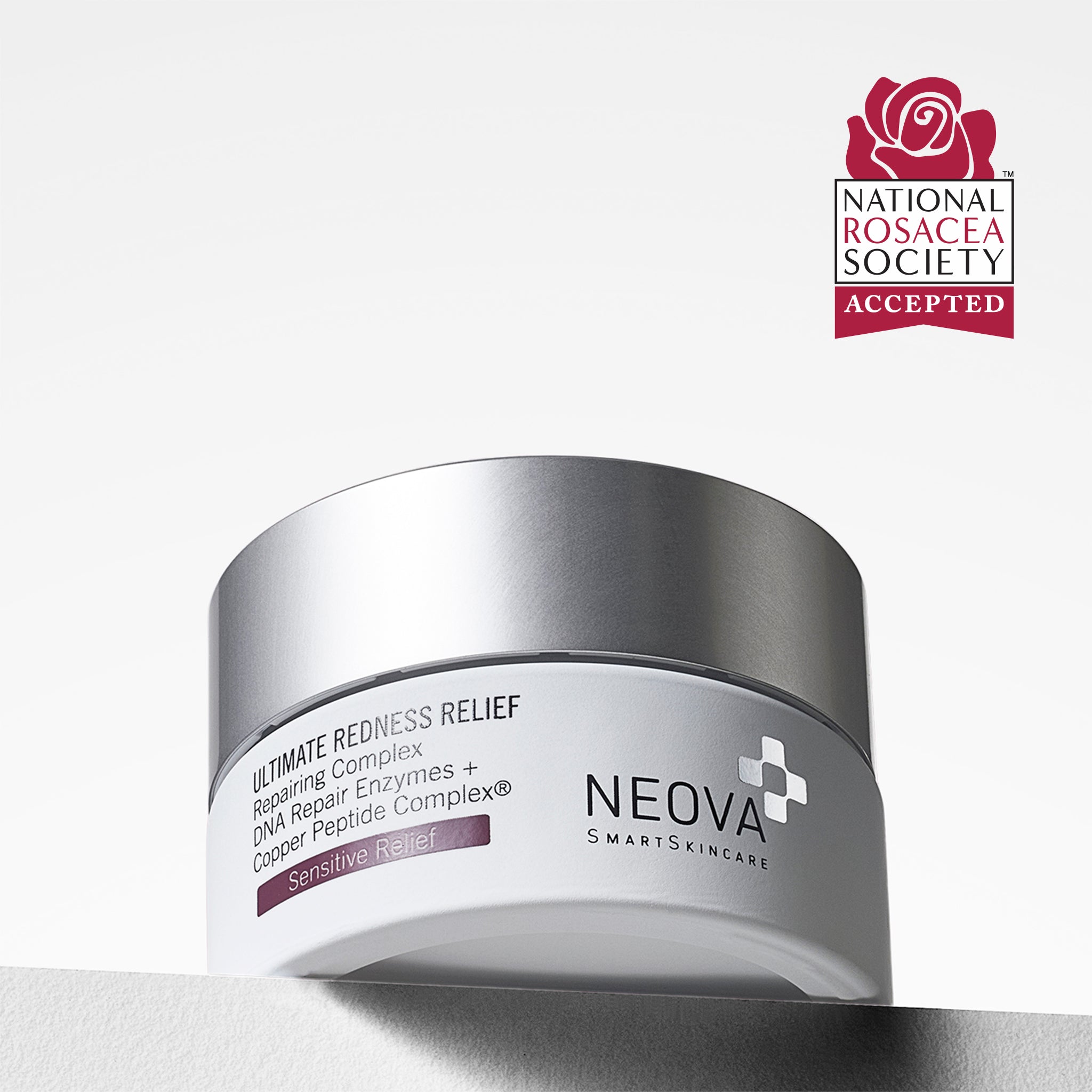
The most important adjustment for sensitive skin is simplification. Fewer actives, more barrier support. Exfoliation frequency should be reduced to once weekly or paused entirely during periods of flare ups. For hydration, Ultimate Redness Relief provides restorative support at night without the fragrance and alcohol content that can further sensitize a compromised barrier. Everyday is a generally well-tolerated SPF for sensitive skin due to its lightweight formulation and clean ingredient profile.

Brightening and Glow in Your Summer Routine
Summer is often associated with glow, but clinically, unprotected UV exposure produces the opposite effect over time: hyperpigmentation, uneven tone, and a dull, uneven skin surface. True radiance in summer is the result of controlled melanin activity, balanced hydration, and consistent cell turnover.
Prevention remains the most important step. Daily SPF use is the primary determinant of long-term pigmentation control, as even small lapses allow melanogenic pathways to activate more readily with cumulative exposure. NEOVA sunscreens provide daily photoprotection that supports this preventive function. Active correction relies on regulated exfoliation and renewal. Exfoliants like Cell Renewal support gradual resurfacing of pigmented surface cells and help maintain consistent turnover.
When combined consistently, these steps create structural clarity that reads as even tone, hydration, and skin that glows.

After-Sun Repair: What to Do When Skin Has Been Overexposed
Even a well-managed summer routine will encounter days of extended sun exposure. A long afternoon outside, a beach day that ran longer than expected, or simply forgetting to reapply SPF. It happens. What you do in the hours after sun exposure matters more than most people realize.
Sun overexposure sets off a specific chain of events in skin: blood flow increases, water loss accelerates, and oxidative stress builds beneath the surface. As you age, skin is slower to recover from all three, which makes the after-sun routine more important than it was a decade ago.
Start by rinsing with lukewarm water rather than cold. Cold water can cause a shock response in already-sensitized skin and is harder on capillaries that are already working to manage inflammation. Follow with a gentle application of Advanced HA to restore surface hydration before moisture loss accelerates. Then, apply Overnight Repair as an occlusive recovery layer that supports the skin's natural nocturnal repair processes.
Hold off on exfoliation, retinoids, and any peeling treatments for 48 to 72 hours after significant overexposure to avoid compounding barrier disruption.

Building Consistency: The Habit Framework for a Summer Routine
The most effective summer routine is the one you actually follow from June through August. Two weeks of careful application followed by weeks of inconsistency will not produce the results that steady, daily practice does. In skincare, as in most things that affect health, consistency is what makes the difference.
The simplest way to stay consistent is to attach your routine to things you already do. Apply your cleanser and SPF right after breakfast. Do your evening treatment before something you do every night anyway, whether that is reading, winding down, or getting ready for bed. When a routine becomes part of an existing habit, it stops feeling like an extra step.
It is also worth checking in with your skin around the midpoint of summer. What works well in June may need a small adjustment by August as heat and humidity continue to build. You might find your skin needs slightly less exfoliation, or that an extra layer of hydration has become necessary. A brief reassessment every six weeks keeps your routine calibrated to what your skin actually needs rather than what it needed at the start of the season.
NEOVA's skincare collection is designed to work as a coordinated system. The products are formulated to complement each other in sequence, which means the benefit builds over time when they are used consistently together.

FAQs About Summer Skincare Routines
What are the most important changes to make to my skincare routine in summer?
The three highest-impact adjustments are: 1. incorporating a consistent exfoliation step to manage the dead cell buildup that accumulates with increased sweat and sebum production. 2. switching to a lighter moisturizer that does not contribute to congestion in heat, and 3. applying broad-spectrum SPF every morning without exception. A lightweight hyaluronic acid serum like NEOVA's Advanced HA and a tinted SPF, like Silc Sheer 2.0, cover the two most critical functional shifts.
Can I use a daily peel in summer without increasing sun sensitivity?
Yes, with the right precautions. A well-formulated exfoliant, like NEOVA's 5-Second Daily Peel, is designed for consistent use without generating the surface raw sensitivity associated with more aggressive chemical peels. The key condition is daily SPF application, which ensures that the fresh skin surface revealed by exfoliation is protected from UV before it can sustain damage. Always exfoliate in the evening rather than the morning.
What is the best summer skincare routine for oily skin?
For oily skin in summer, the routine should center on gentle exfoliation three evenings per week with the 5-Second Daily Peel, a non-comedogenic SPF each morning, a lightweight evening moisturizer like Multi Active, and a targeted treatment serum with DNA Repair enzymes on alternating nights. Avoid heavy creams, occlusive balms, and layering multiple oil-based products, as these will worsen congestion in warmer temperatures.
How do I repair skin after too much sun exposure?
After significant overexposure, pause all active treatments for 48 to 72 hours and focus on barrier recovery. Apply a gentle antioxidant serum to damp skin to restore moisture, followed by Overnight Repair as a recovery layer each evening. Keep cleansing gentle, avoid physical scrubs, and do not return to exfoliation or retinoids until redness and sensitivity have fully resolved. Consistent SPF on the days following overexposure is essential to prevent the UV-triggered pigmentation response from intensifying.
Should I use a different moisturizer in summer than in winter?
In most cases, yes. The moisturizer that serves your skin in winter is typically formulated with more occlusive and emollient ingredients to compensate for cold air stripping the barrier. In summer, those same occlusives can sit too heavily on skin that is already warmer and more permeable, contributing to congestion and breakouts. Switching to a formula like Multi Active that delivers hydration and skin-supporting actives in a lighter vehicle is generally the appropriate summer adjustment. Those with very dry or compromised skin may still need Overnight Repair year-round.

Ready to Build Your Skincare Routine for Summer?
NEOVA SmartSkincare products are formulated with copper peptide technology and clinically tested active ingredients. Consult an authorized skincare professional for personalized protocol recommendations.