
Article: Are You Treating Pigmentation—or Continuing to Trigger It?
Are You Treating Pigmentation—or Continuing to Trigger It?
You did everything right. You bought the brightening serum, stayed consistent, and watched those dark spots fade. Then a few months later, there they are again, sometimes in the exact same spot.
Frustrating? Absolutely. Your fault? Probably not.
Recurring hyperpigmentation usually isn’t a product problem. It’s a trigger problem. Most routines focus on fading the spots you have, while the things that created them in the first place keep telling your skin to make more pigment. Treating pigmentation takes a two-part plan: correct what’s there, and calm what’s causing it.

Why Does Hyperpigmentation Keep Coming Back?
Hyperpigmentation occurs when melanin, the pigment that gives skin its color, builds up in certain areas. You’ll usually see it as one of three types:
- Sunspots (solar lentigines): flat, brown spots on areas that get the most sun, like the face, chest and hands.
- Melasma: symmetrical patches on the cheeks, forehead or upper lip.
- Post-inflammatory hyperpigmentation (PIH): marks left behind after acne, irritation, a burn or a procedure.
1. UV Exposure: The Trigger You’re Probably Underestimating
Sun is still the best-established driver of dark spots. UVA rays penetrate deeply and add up over time. UVB rays cause sunburn and also contribute to pigment changes. You don’t need a burn for either one to matter.
Exposure also sneaks in. A commute with sun on the driver’s side, a walk to get coffee, a seat by the window at lunch: all incidental sun exposure counts.
 2. Visible Light: The Missing Piece in Most Routines
Visible light, the light your eyes can see, makes up roughly half of the solar radiation that reaches the earth’s surface. A dermatology expert panel found it can trigger pigmentation in deeper skin tones (Fitzpatrick skin types IV-VI) and make melasma worse.² ³
Many broad-spectrum sunscreens are built to block UV, not visible light. Iron oxides are the ingredient that helps, which is why dermatologists often point melasma-prone patients to tinted sunscreens.
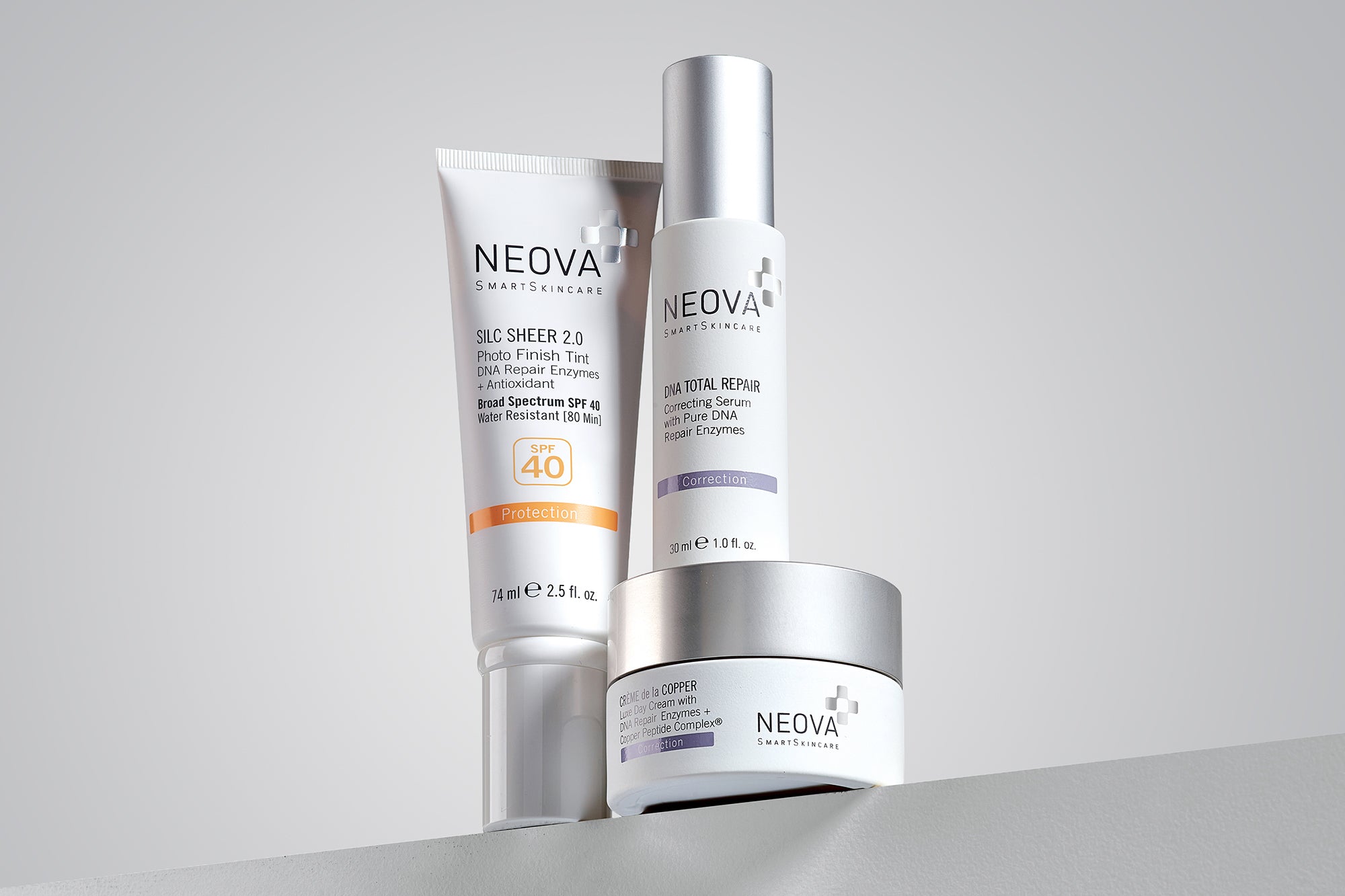
NEOVA option: Silc Sheer 2.0 (SPF 40) is a tinted hybrid sunscreen with iron oxides. It also works as a lightweight base layer under makeup.

Do I need to worry about my phone screen?
Not much. Sunlight is far more intense than your devices, and current evidence doesn’t support screens as a major cause of worsening melasma.³ Spend your energy on daily sun protection instead.
3. Heat: A Suspect, Not a Proven Culprit
Many people with melasma notice flare-ups in summer or after very hot environments. Heat often shows up alongside sun exposure, so it’s hard to separate the two, and the evidence for heat alone is thinner than for UV and visible light.
So don’t skip your workout. Just pay attention to your own patterns:
- Take shade breaks during outdoor activities.
- Use a cool compress (not ice directly on skin) when you feel overheated.
- If scorching showers, saunas or hot yoga seem to coincide with darker patches, scale back and track what happens.
Learn more about treating Melasma in Summer.
4. Hormones: The Hyperpigmentation Trigger Nobody Puts on the Label
If you’ve been told you have “the mask of pregnancy,” here’s the context. Melasma is far more common in women, especially between ages 20 and 40. Pregnancy, birth control pills and hormone therapy can all trigger it, and some medications that increase sun sensitivity can too.⁴ ⁵ Melasma sometimes fades once the trigger ends, but not always.
This is where a dermatologist helps. If your pigmentation started or worsened after a hormonal change or a new medication, bring it up at your next appointment. Don’t stop any prescribed medication on your own.

5. Inflammation: When a Breakout Leaves a Souvenir
Not all dark spots start with sun. PIH can follow acne, eczema, irritation, picking, aggressive exfoliation or certain procedures. Inflamed skin signals your melanocytes to make extra pigment, and it can stick around long after the irritation is gone. PIH is also more common and more persistent in deeper skin tones.
This is why “more is more” backfires. Scrubbing, stacking strong actives, or pushing through burning and redness can create the very marks you’re trying to erase.
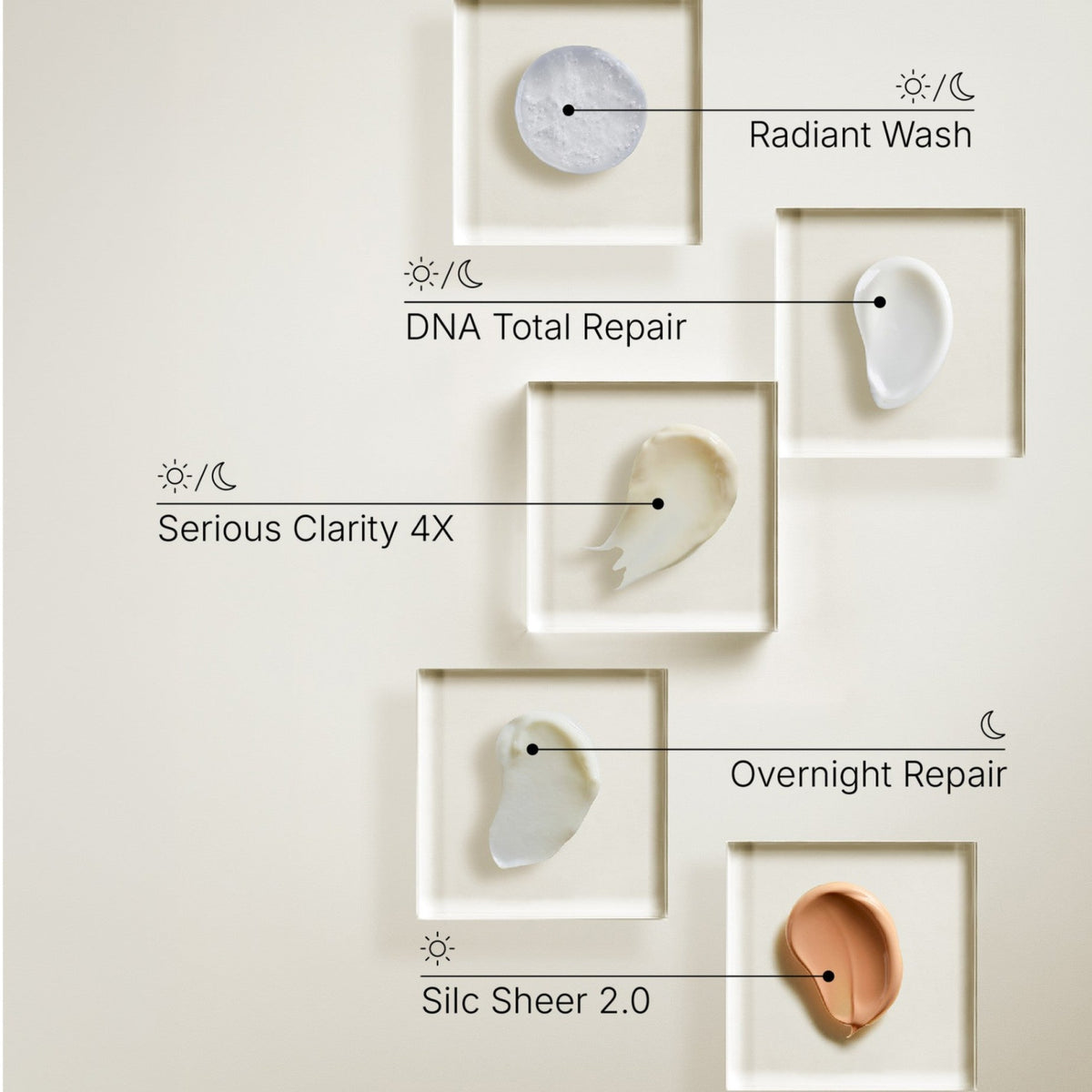
- Radiant Wash keeps your cleansing step comfortable and your skin feeling fresh with the help of buffered fruit acids.
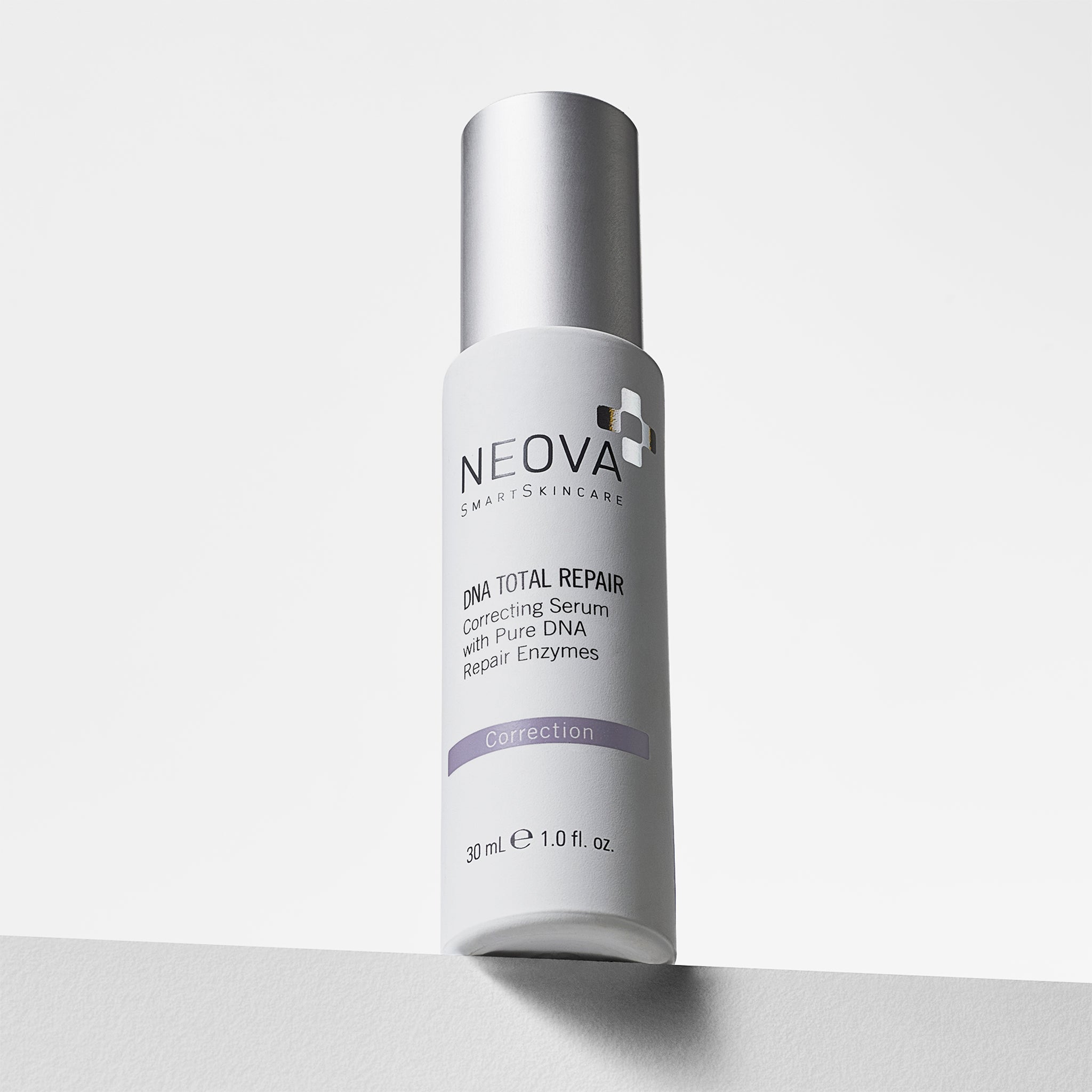
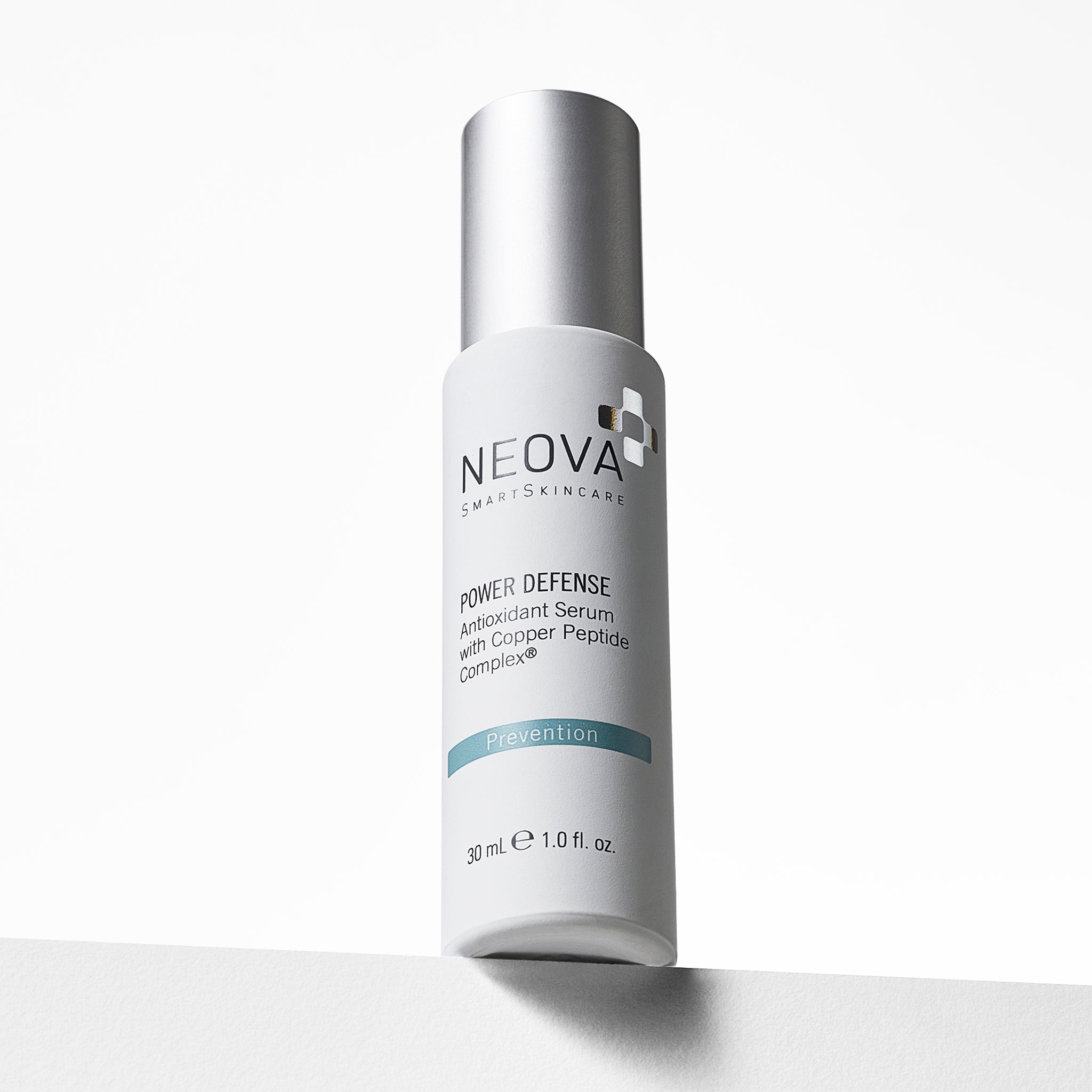
- C 20+ combines 20% L-ascorbic acid, 1% vitamin E, 0.5% ferulic acid and 0.5% natural alpha hydroxy acids in an antioxidant serum to support antioxidant defense and improve the look of dullness and uneven tone.
- Serious Clarity 4X targets the look of hyperpigmentation and uneven tone.
Introduce actives one at a time. If something causes persistent burning, redness or peeling, pause it and reassess.

Your Hyperpigmentation Routine: Treat and Protect
Morning (protect and defend)
Cleanse → correction serum → brightening serum → moisturizer, as needed → broad-spectrum SPF (tinted if you’re melasma-prone)

Evening (correct and maintain)![]()
Gentle cleanse → targeted treatment → moisturizer. Adjust frequency to your skin’s tolerance.
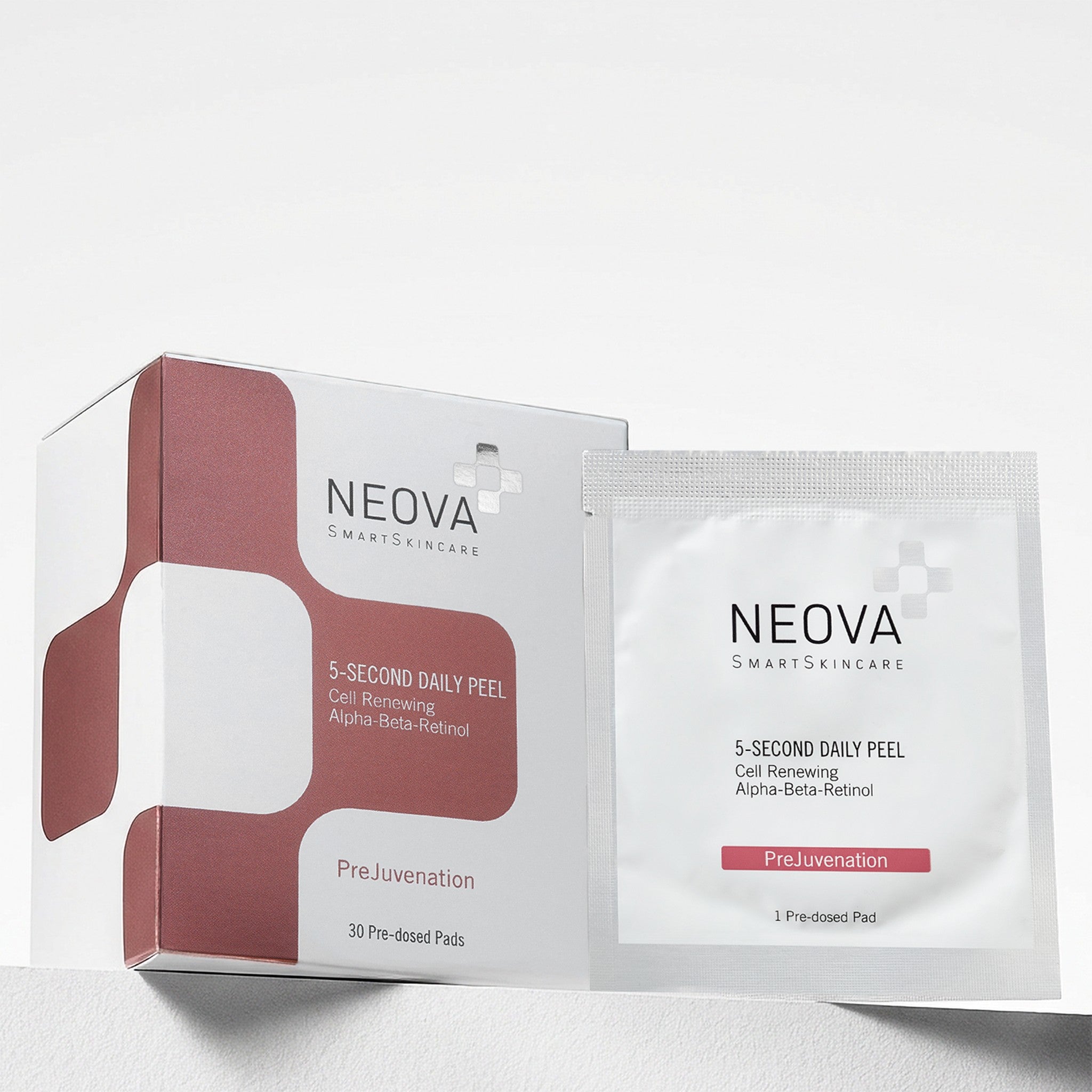
Optional: Add an exfoliation step, such as 5-Second Daily Peel or Serious Reveal Exfoliator, one to two times a week after cleansing to encourage healthy cell renewal.
Every day (reduce triggers)
Reapply SPF, wear a hat, seek shade, skip the picking, and keep your routine steady long enough to judge it. Give it at least several weeks before deciding it isn’t working.
This is a framework, not a prescription. Melasma, sunspots and PIH can need different approaches.

Frequently Asked Questions about Hyperpigmentation
Why does my hyperpigmentation return after using brightening products?
Brightening products improve the look of existing discoloration, but UV, visible light, inflammation, hormones and genetics can keep triggering pigment. Pairing treatment with daily photoprotection helps reduce those triggers.
Can sunscreen alone prevent dark spots from coming back?
Sunscreen is essential, but it’s one piece. Choose a broad-spectrum formula, apply generously, and reapply consistently every two hours outdoors. For melasma and other dark spots, a tinted formula with iron oxides, like Silc Sheer 2.0 (SPF 40), adds visible-light coverage. Hats and shade help too.
Will exfoliating more fade dark spots faster?
Not necessarily. Exfoliants and using them too frequently can cause irritation and PIH, especially in pigmentation-prone skin. Limit exfoliation to a couple times a week and pause entirely if your skin worsens.
Can hormones cause hyperpigmentation?
Yes. Pregnancy, hormonal birth control and hormone therapy are well-known triggers of pigmentation, including melasma. A dermatologist can help if your hyperpigmentation began after a hormonal change.
How long until I see results?
Superficial discoloration may improve over several weeks to months. Melasma and deeper PIH take longer and can return. If it doesn’t improve, see a dermatologist.

Ready to Break the Cycle?
Brighter-looking skin takes more than one serum. Treating pigmentation requires targeted correction, daily protection and a calm, comfortable barrier. Explore NEOVA SmartSkincare to build a routine that treats discoloration and defends against what brings it back.
See a board-certified dermatologist if a spot is new, changing, bleeding, or looks different from your others, or if pigmentation keeps returning despite good sun protection.
Sources
- American Academy of Dermatology. Practice Safe Sun. aad.org
-
Rigel DS, Taylor SC, Lim HW, et al. Photoprotection for skin of all color: consensus and clinical guidance from an expert panel. J Am Acad Dermatol. 2022;86(3S):S1–S8. doi:10.1016/j.jaad.2021.12.019
-
Cohen L, Brodsky MA, Zubair R, Kohli I, Hamzavi IH, Sadeghpour M. Cutaneous interaction with visible light: what do we know? J Am Acad Dermatol. 2023;89(3):560–568. doi:10.1016/j.jaad.2020.03.115
-
American Academy of Dermatology. Melasma: causes. aad.org
-
Harvard Health Publishing. Unmasking the causes and treatments of melasma. health.harvard.edu