
Melasma 101: Why Summer Makes it Worse (and What to do About it)
Melasma requires a coordinated, science-backed strategy because UV radiation is one of the most potent triggers for this persistent form of hyperpigmentation. Especially when it comes to your summer skincare routine.
If you have noticed dark patches on your cheeks, forehead, or upper lip deepening as temperatures rise, you are not alone. Melasma affects up to 11% of the population, and warmer months create the exact conditions that drive melanin overproduction[1].
The good news is that with the right combination of sun protection, targeted actives, and clinically designed formulas, you can manage melasma effectively and still enjoy the season.

SHOP SKINCARE FOR HYPERPIGMENTATION
What Is Melasma and Why Does It Develop?
Melasma is a chronic skin pigmentation condition characterized by symmetrical brown or grayish-brown patches, most commonly appearing on sun-exposed areas of the face. It develops when melanocytes, the pigment-producing cells in the skin, become hyperactive and produce excess melanin in localized areas. While the exact mechanism is still being studied, researchers consistently identify UV radiation, hormonal fluctuations, and genetic predisposition as the primary drivers[2].
Hormonal changes are a significant contributing factor. Pregnancy, birth control pills, and hormone replacement therapy all elevate estrogen and progesterone levels, which can stimulate melanocyte activity. This is why melasma is sometimes referred to as the "mask of pregnancy". Family history also plays a role, as individuals with relatives who have melasma carry a higher genetic susceptibility. Certain medications and topical products that increase photosensitivity can further compound the problem. Understanding these root causes helps clarify why a multi-pronged treatment approach, rather than a single skincare product, delivers the most consistent results.

Sun Exposure and Melasma Flares
UV radiation is the single most reliable environmental trigger for melasma. Both UVA and UVB rays stimulate melanocyte activity, but UVA rays, which penetrate deeper into the dermis and are present year-round, are particularly associated with stubborn pigmentation. Summer intensifies this exposure through longer daylight hours, stronger UV indices, and the increased time most people spend outdoors for beach trips, outdoor activities, and travel.
Heat is also an independent trigger that is often overlooked. Early laboratory research suggests that infrared radiation and elevated skin temperature can activate melanocytes independently of UV exposure, which means that even time spent in the shade during peak heat hours may contribute to flares[3]. High humidity and sweating can also compromise the integrity of sunscreen application, reducing its protective efficacy. This is why summer skincare for melasma demands more than standard sun-smart behavior: it requires a layered, comprehensive protocol built around products formulated for sensitive, pigment-prone skin.

Building a Summer Skincare Routine for Melasma
A structured daily routine is the foundation of melasma management. The goal is to simultaneously block UV-induced melanin stimulation, interrupt the pigmentation pathway, and support barrier function so skin remains resilient under seasonal stress.
Step 1: Start with a gentle, non-stripping cleanser morning and evening. Harsh cleansers compromise the skin barrier, which can trigger inflammation and secondary post-inflammatory hyperpigmentation.
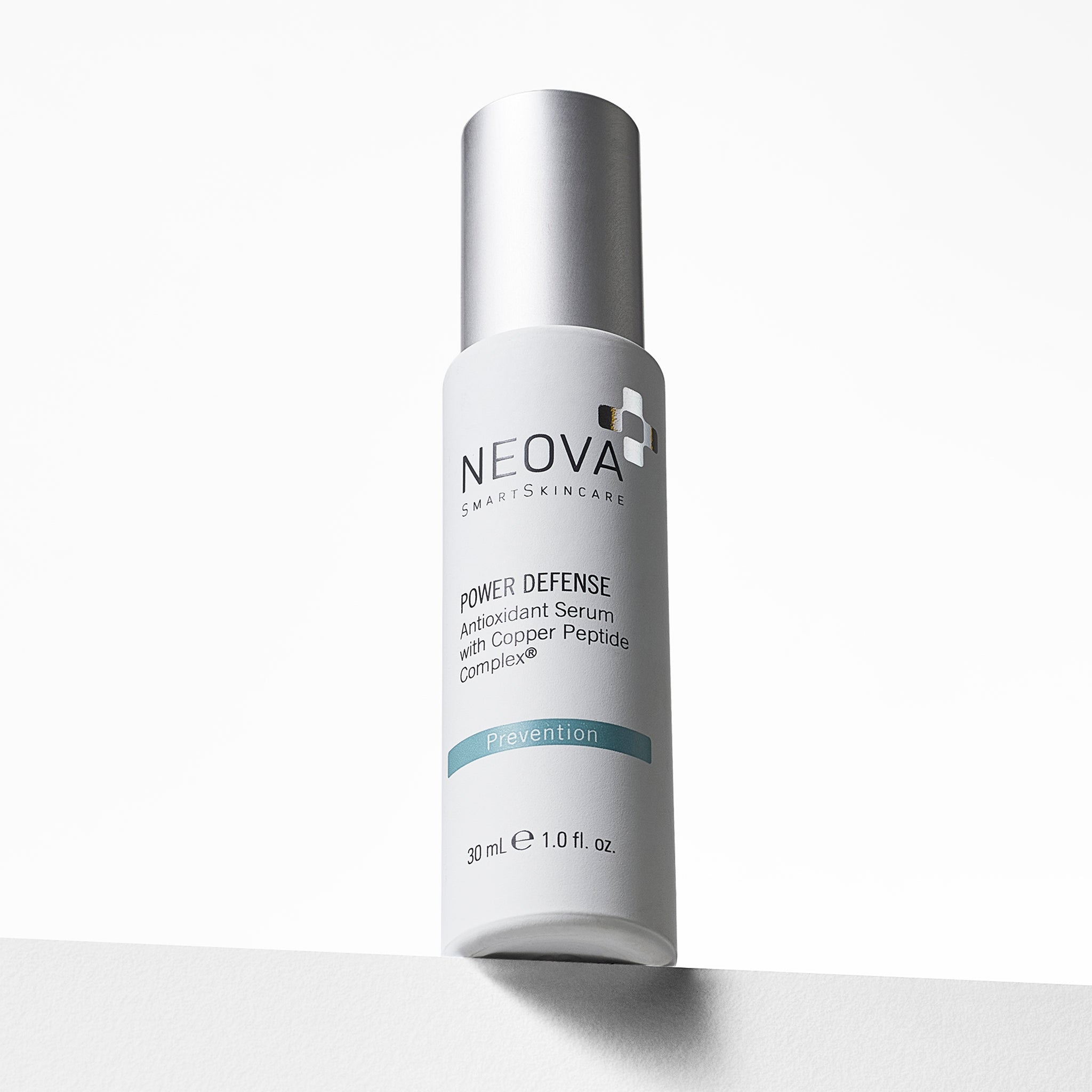
Step 2: Follow with a targeted treatment serum in the morning. Vitamin C is one of the most clinically supported ingredients for hyperpigmentation because it inhibits tyrosinase, the key enzyme in melanin synthesis, and delivers antioxidant protection against free radical damage caused by UV exposure. NEOVA offers formulations, like C 20+ and Serious Clarity 4x, designed to deliver stable, bioavailable vitamin C without the irritation risk that can accompany less stable forms.
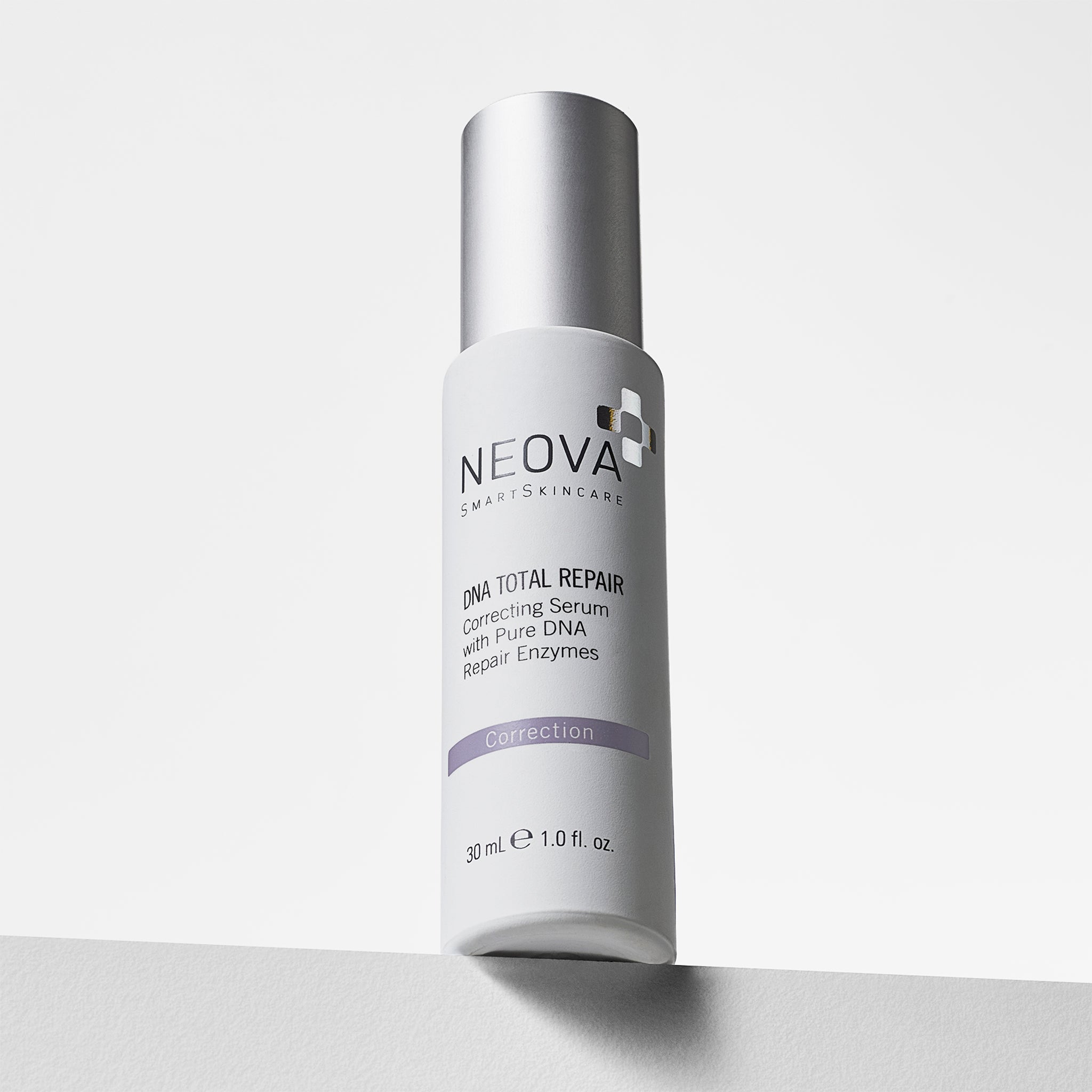
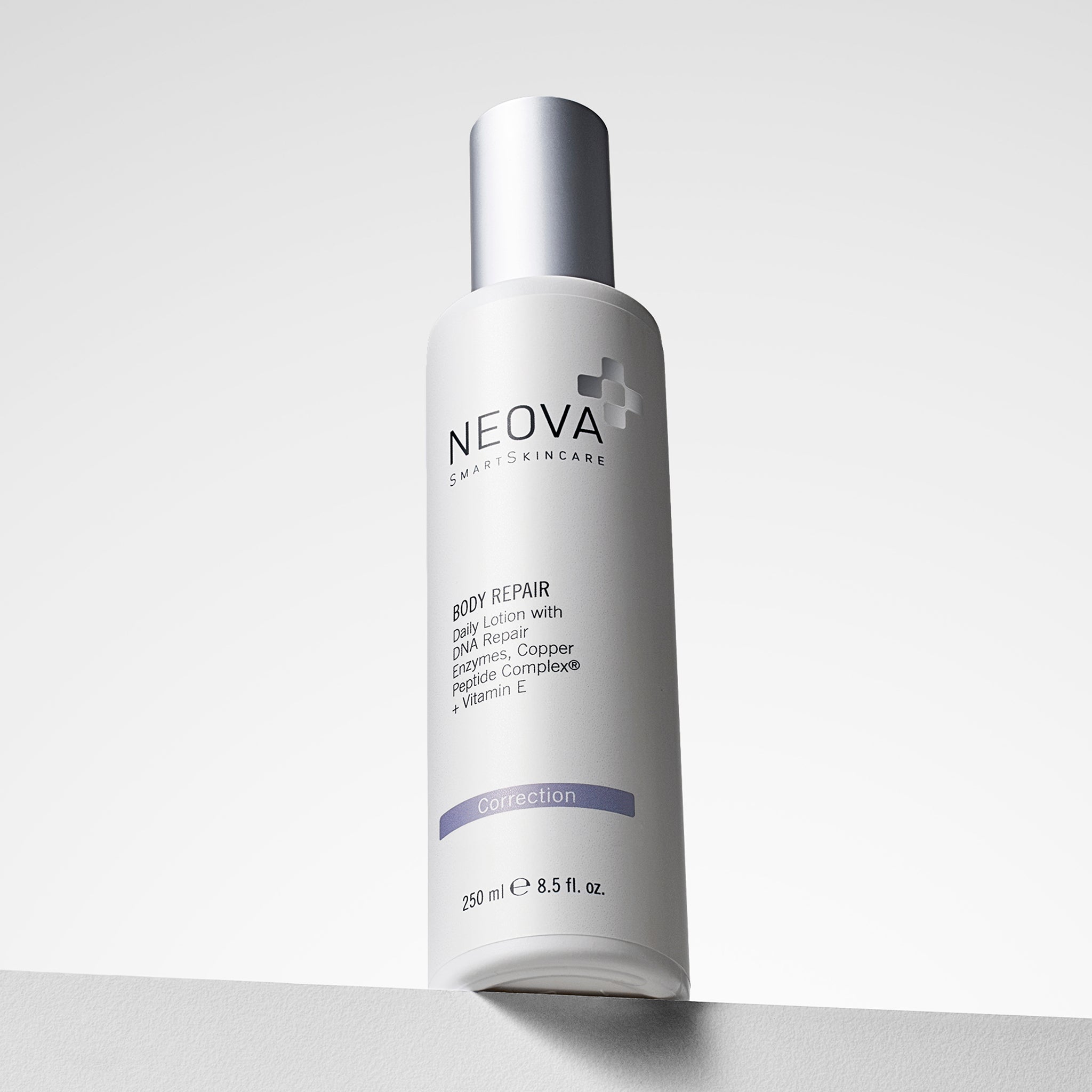
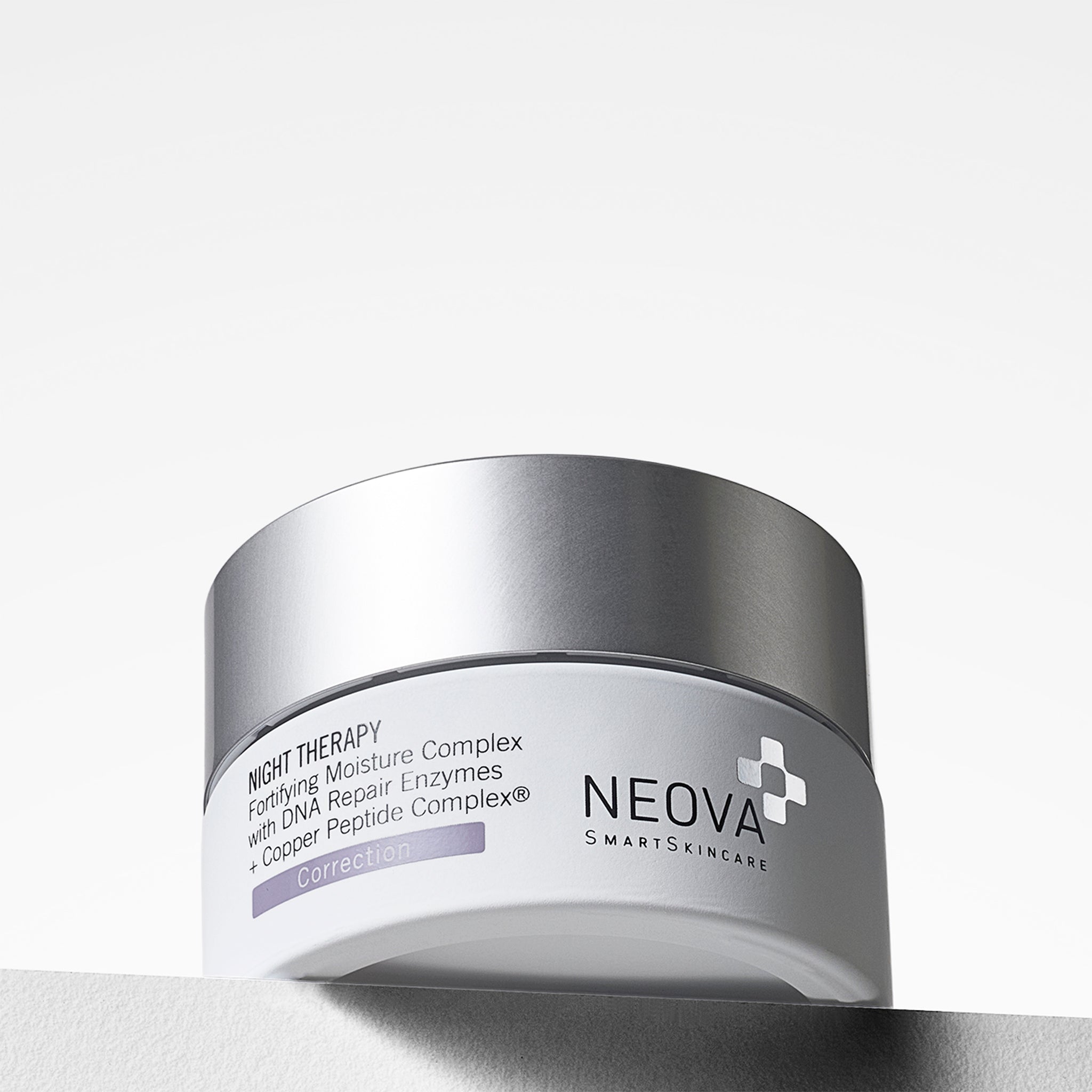
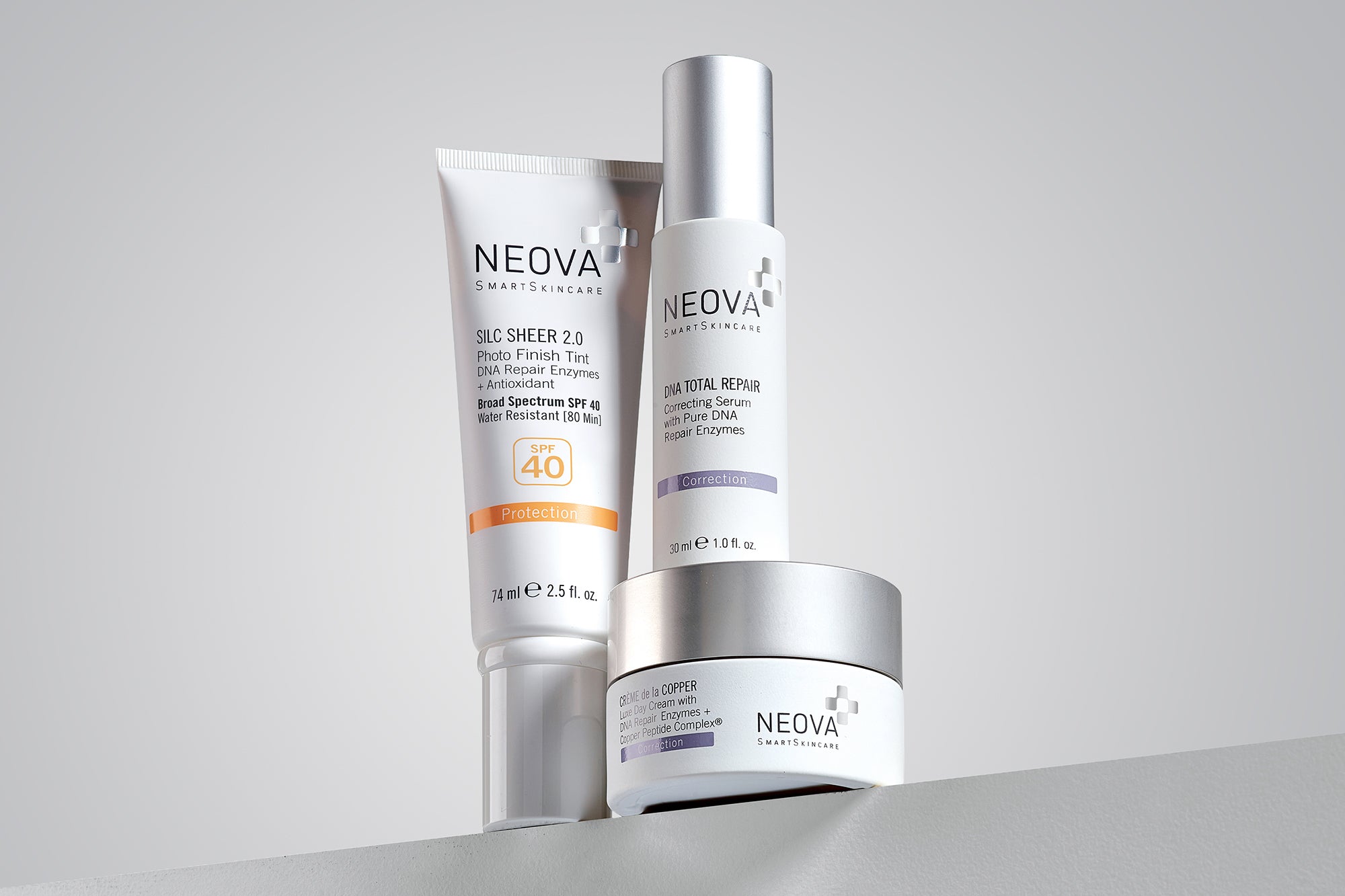
Step 3: At night, a targeted brightening treatment addresses pigmentation while the skin undergoes its natural repair cycle. DNA Total Repair leverages our proprietary DNA repair enzyme technology, which targets UV-induced DNA damage in skin cells. This is particularly relevant for melasma because cumulative DNA damage in melanocytes can perpetuate pigmentation signals long after the triggering sun exposure has passed.

Sun Protection: the Non-Negotiable Step for Treating Melasma
No melasma management protocol is complete without broad-spectrum sunscreen applied every morning, rain or shine. For individuals with melasma, SPF 30 is considered the minimum protection recommended during direct sun exposure. Physical sunscreens containing zinc oxide or titanium dioxide are often recommended over chemical filters because they reflect UV rays at the skin surface rather than absorbing them, and they are generally better tolerated by sensitive skin.
Tinted sunscreens offer an additional advantage. Visible light, particularly high-energy visible (HEV) light, has been shown to independently stimulate melanocyte activity in darker skin tones. A tinted formulation with iron oxides can help block this visible light spectrum, adding a layer of protection beyond what standard SPF ratings measure. NEOVA's Protection collection is formulated specifically with this in mind, offering broad-spectrum protection in formulas suitable for daily wear.
Reapplication is critical, especially during outdoor activities or after sweating or swimming. Set a reminder to reapply every two hours during prolonged sun exposure. On days at the beach or during extended outdoor activities, pair sunscreen with wide-brimmed hats, UV-protective sunglasses, and long-sleeved clothing for layered defense.

Targeted Treatments That Address Hyperpigmentation at the Source
Sunscreen prevents new damage, but targeted treatments are needed to fade existing dark patches and interrupt the melanin production cycle. This is where ingredient selection becomes critical. Not all brightening actives are created equal, and some commonly marketed ingredients can cause significant irritation in melasma-prone skin, which is counterproductive because post-inflammatory hyperpigmentation can worsen the condition.
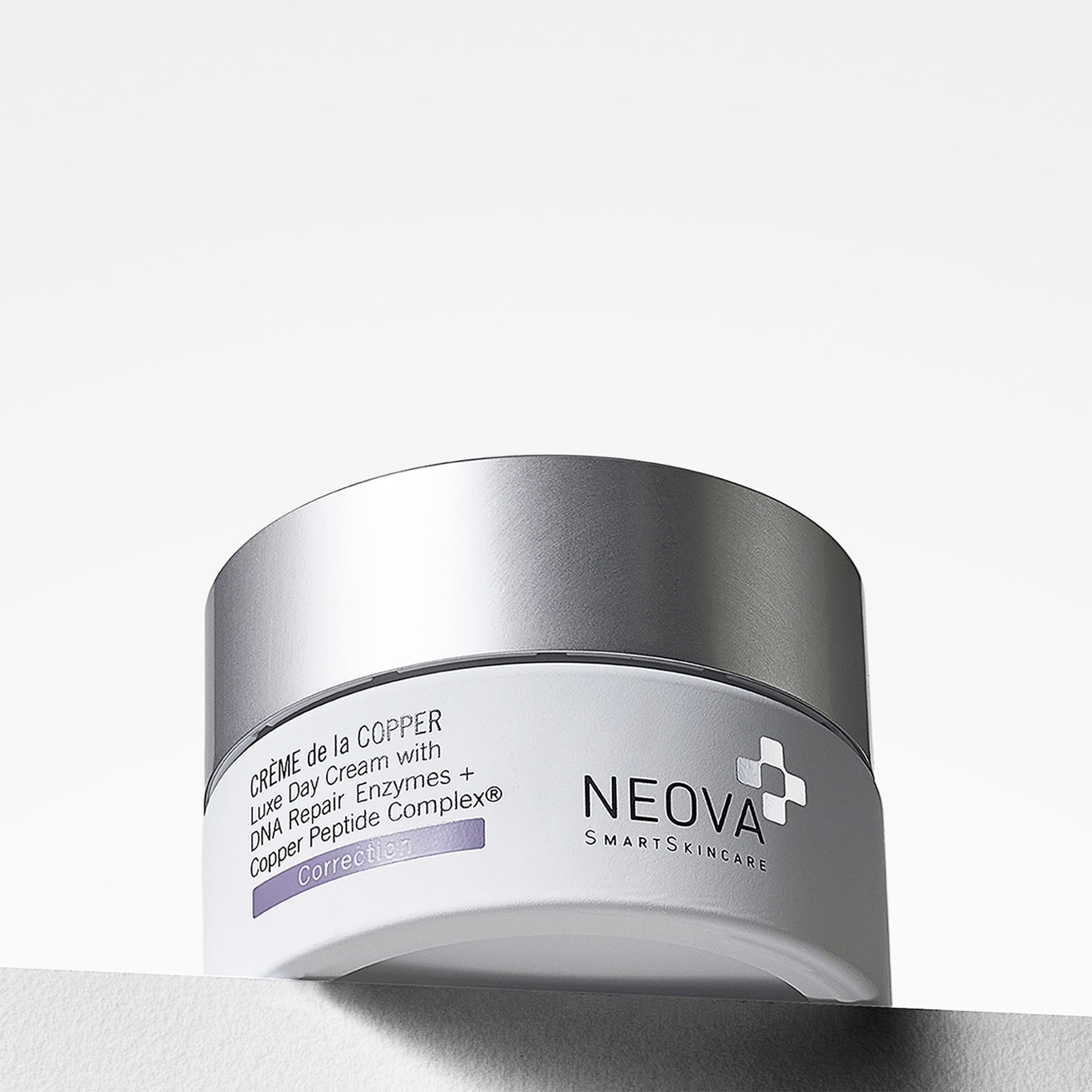
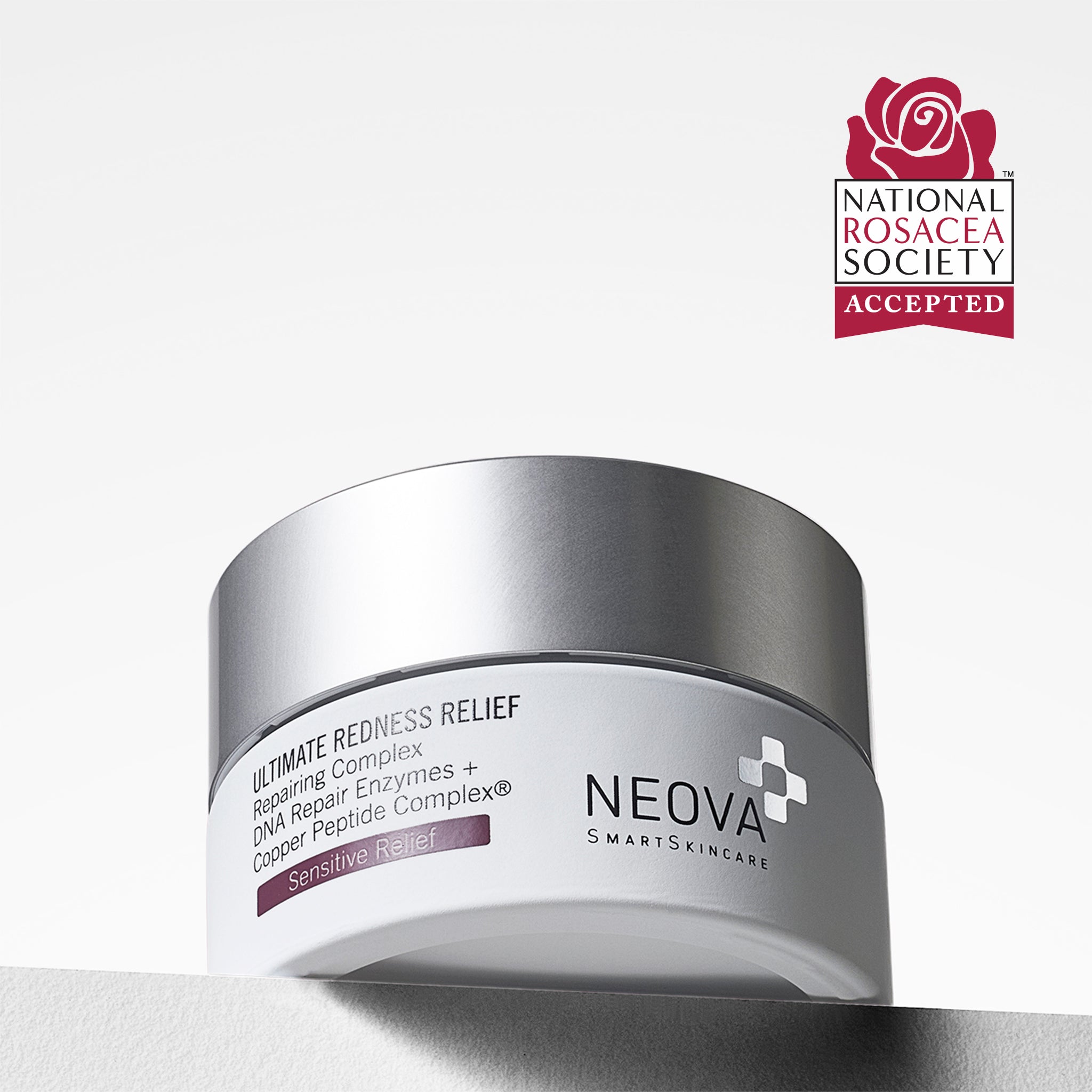
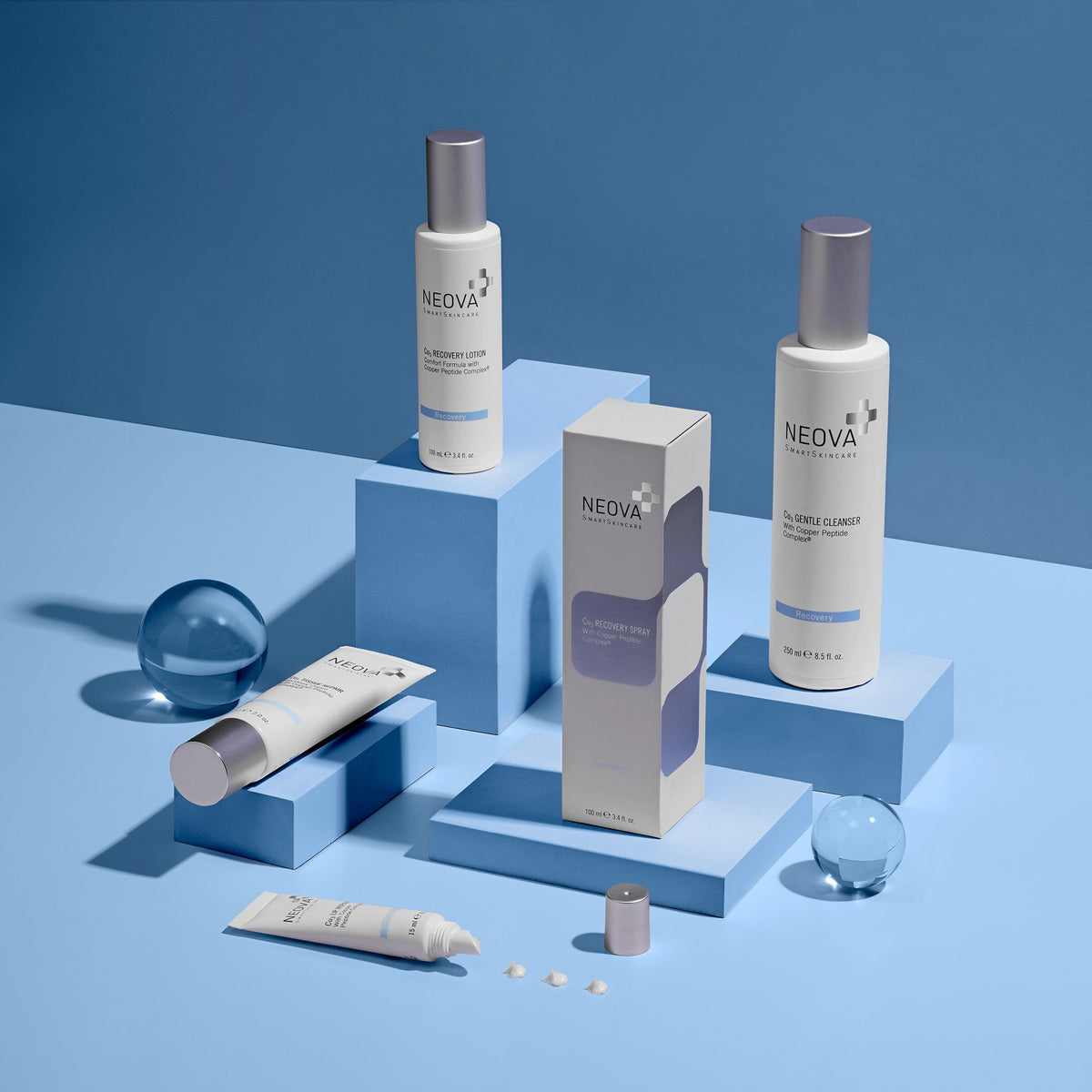
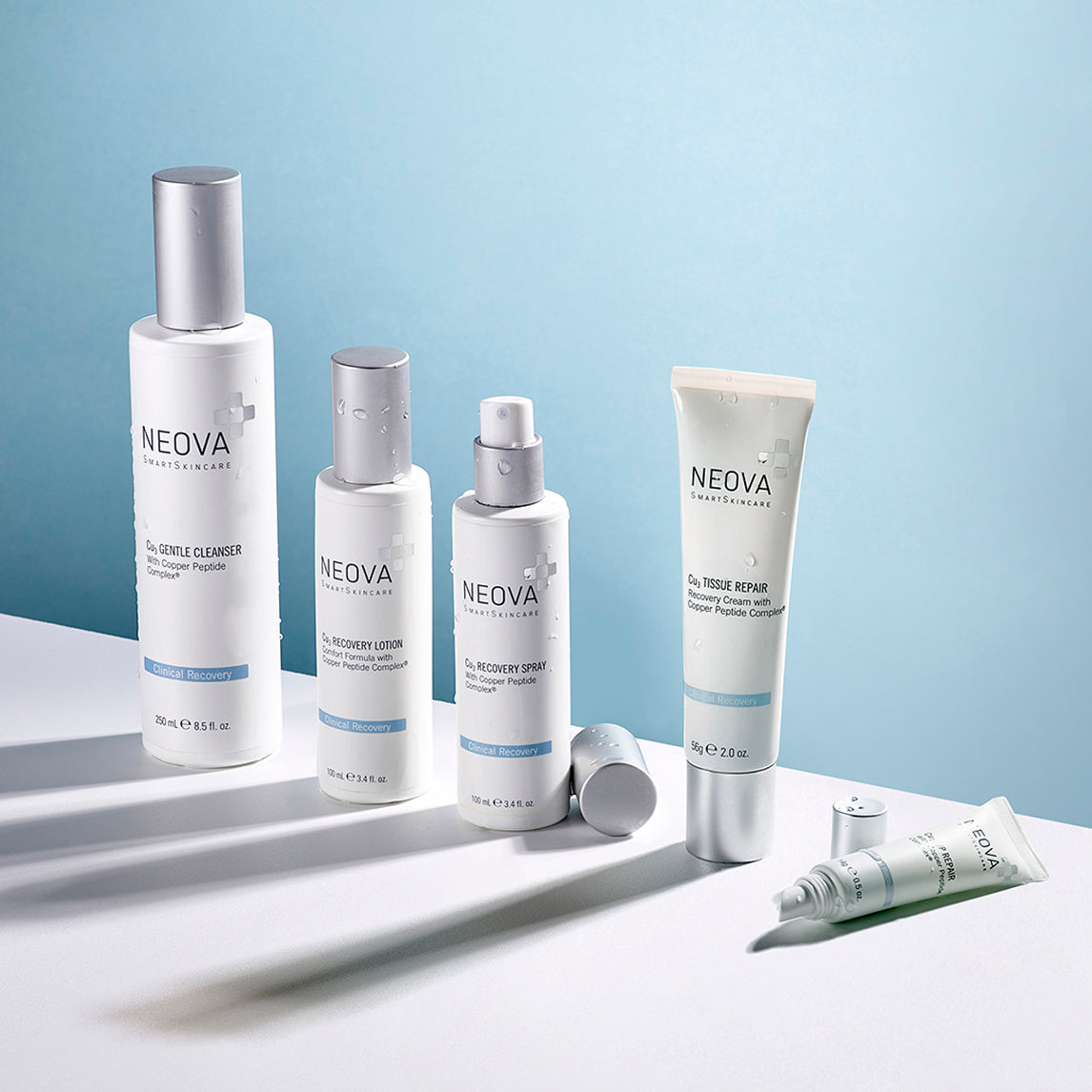
Copper peptides are among the more scientifically compelling ingredients for hyperpigmentation management. They support wound healing, promote collagen synthesis, and have demonstrated activity in modulating melanin distribution. NEOVA's proprietary Copper Peptide Complex, featured in skin products like Cu3 Tissue Repair and the Cu3 Recovery Spray, supports a clinically grounded approach to skin pigmentation.

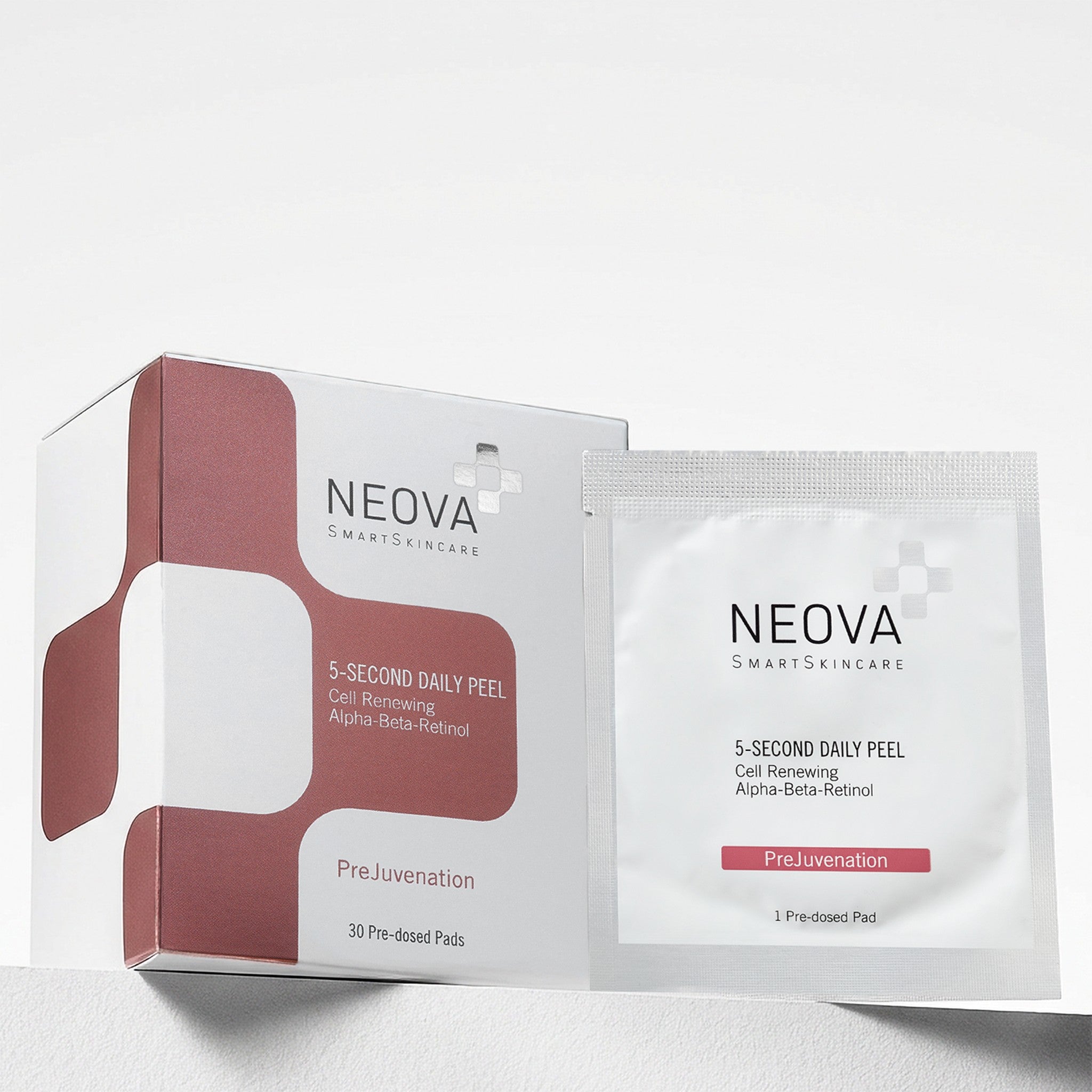
Retinoids, like the alpha-beta-retinol trifecta found in NEOVA’s Prejuvenation line, are another well-established option for melasma treatment. They accelerate cell turnover, which helps bring melanin-laden cells to the surface more quickly and can reduce the density of visible dark patches over time. However, retinoids increase photosensitivity, which makes strict sun protection even more essential when incorporating them into a summer routine. If your skin is not yet acclimated to retinoids, summer may be the time to focus on gentler actives and reserve retinoid use for the fall. Always consult your dermatologist before adding prescription-strength retinoids or hydroquinone to your regimen, as these require professional oversight.

Lifestyle Adjustments That Support Melasma Management in Summer
Skincare products do a significant share of the work, but lifestyle factors can either reinforce or undermine their efficacy. Seeking shade and avoiding peak sun hours between 10 AM and 4 PM reduces cumulative UV load meaningfully. If your schedule includes regular outdoor exercise, try to shift sessions to early morning or evening when UV intensity is lower.
Hydration also often goes undervalued in the context of pigmentation. Dehydrated skin has a compromised barrier function, which can increase sensitivity to UV-induced damage and impair the skin's ability to respond to treatment actives. Prioritize fluid intake throughout the day and support skin hydration topically with a lightweight, non-comedogenic moisturizer. NEOVA's Daily Moisture provides essential hydration without heaviness, making it well suited to summer skin.
Stress management also plays a role, albeit indirect. Cortisol, the primary stress hormone, can influence hormonal balance and inflammatory pathways, both of which intersect with melasma activity. Consistent sleep, physical activity, and stress reduction strategies support the endocrine stability that helps keep hormonal pigmentation triggers in check. For those managing melasma more aggressively, professional treatments such as chemical peels, microneedling, and laser therapy can be valuable adjuncts, but these are best scheduled outside of peak summer months when post-procedure sun sensitivity is more difficult to manage safely.

Frequently Asked Questions About Melasma
Does sun exposure really worsen melasma?
Yes. UV radiation is the most consistent environmental trigger for melasma flares. Even brief unprotected sun exposure can stimulate melanocyte activity and deepen existing dark patches. Consistent, daily broad-spectrum sunscreen use is considered the single most important step in any melasma management protocol.
What is the best sunscreen for melasma in summer?
A physical broad-spectrum sunscreen containing zinc oxide or titanium dioxide at SPF 30 or higher is generally considered the best choice for melasma-prone skin. Tinted formulas with iron oxides provide additional protection against visible light, which can also trigger pigmentation. The NEOVA’s Sun Protection range is formulated to meet these criteria for daily use.
Can Vitamin C help with melasma?
Vitamin C inhibits tyrosinase, the enzyme responsible for melanin production, making it a clinically supported ingredient for hyperpigmentation treatment. It also provides antioxidant protection that mitigates free radical damage from UV exposure. Using a stable Vitamin C serum as part of your morning routine can meaningfully support melasma management over time.

How long does it take to see improvement in melasma with a skincare routine?
Melasma responds gradually to topical treatment. Most individuals see measurable improvement after eight to twelve weeks of consistent use of targeted actives combined with strict sun protection. Some stubborn patches may take longer or require professional intervention. Results vary based on skin tone, the depth of pigmentation, and the degree of ongoing sun exposure.
Should I avoid all sun exposure if I have melasma?
Complete sun avoidance is not realistic or necessary, but strategic sun protection is essential. Try to minimize unprotected UV exposure through daily sunscreen, protective clothing, shade-seeking behavior, and avoiding peak sun hours. With a comprehensive protection strategy, most individuals with melasma can continue outdoor activities without significant flares.

Build Your Summer Skincare Routine for Melasma
Managing melasma in summer comes down to consistency, the right ingredients, and a commitment to daily sun protection. While no single product resolves melasma, the right routine built around your skin’s biology makes a measurable difference over time.
If you are ready to take a more targeted approach to melasma this summer, explore NEOVA skincare and find the products best suited to your skin's needs. Start with broad-spectrum sun protection, layer in a targeted serum, and give your skin the consistent daily care it takes to see lasting results.
Shop the full NEOVA collection and build a summer routine designed to protect, treat, and restore pigment-prone skin all season long.
Sources:
[1] Kerob D, Passeron T, Alexis A, et al., J Am Acad Dermatol, 2024;91(3 Suppl):AB285. doi:10.1016/j.jaad.2024.07.1135.
[2] Khanna et al., Dermatological Reviews, 2023. https://doi.org/10.1002/der2.178.
[3] Nakazawa et al., Journal of Investigative Dermatology, 1998. https://pubmed.ncbi.nlm.nih.gov/9620308/.