After-sun repair is not a step most people plan for, but it is one of the most clinically significant things you can do for your skin's long-term health.
A day in the sun sets off a chain of biological events beneath the surface: DNA damage accumulates in skin cells, water loss accelerates, oxidative stress builds, and inflammation begins. Most of it is invisible in the moment. The redness and tightness that follow are the skin's response to UV-induced stress that has already occurred.
What you do in the hours and days after sun exposure determines how well your skin recovers, and how much of that damage compounds over time. For skin that has been exposed to years of summers, the recovery window matters more than it once did. The right after-sun recovery routine does not just soothe. It actively supports the biological processes your skin relies on to repair itself.
How UV Exposure Damages Skin
The surface effects of sun exposure, warmth, tightness, a flushed appearance, are the visible result of deeper biological activity. UV radiation damages DNA within keratinocytes, the cells that make up the outermost layer of skin. This damage is cumulative. A single afternoon adds to a lifetime of exposure, and the skin's ability to process and repair that damage becomes less efficient over time.
At the same time, transepidermal water loss (TEWL) accelerates after sun exposure. Skin can feel oily from heat-induced sebum production while simultaneously becoming dehydrated at a cellular level. Oxidative stress increases as free radicals form in response to UV radiation, contributing to collagen breakdown, uneven pigmentation, and visible changes in skin texture.
Understanding these mechanisms makes it easier to choose post-sun skincare that actually addresses the cause rather than just the symptoms.
Signs Your Skin Barrier Is Compromised After Sun Exposure
Sun damaged skin does not always appear immediately after UV exposure. In many cases, the earliest signs of barrier disruption are subtle:
- tightness after cleansing
- increased dehydration
- unexpected sensitivity
-
skin that suddenly feels reactive to products that normally cause no irritation
UV exposure weakens the skin barrier by accelerating transepidermal water loss and triggering inflammation beneath the surface. As hydration levels decline, skin may begin to feel rough, flaky, or visibly dull. Redness and lingering warmth are common signs that inflammation is still active, even after the initial sun exposure has ended.
Compromised skin is also more vulnerable to irritation. Ingredients that are normally well tolerated, including exfoliating acids, retinoids, and certain active treatments, may suddenly cause stinging or discomfort during the recovery window. Oily skin types may even experience dehydration and surface tightness simultaneously, as heat-induced oil production masks underlying water loss.
Recognizing these signs early makes it easier to support recovery before sun damaged skin progresses into prolonged sensitivity, uneven pigmentation, or visible texture changes. Prioritizing hydration, barrier repair, and recovery-focused skincare in the days following UV exposure helps skin return to a healthier, more resilient state.
How to Repair Skin in the Days After Sun Exposure
1-3 Days After Sun Exposure: The Acute Sunburn Phase (Pain, Heat + Redness)
In the first 72 hours, your skin is in its peak inflammatory phase. Redness, warmth, tightness, swelling, and tenderness are all expected and indicate that repair processes are active.
At this stage, less is more. Your focus should be comfort and barrier support.
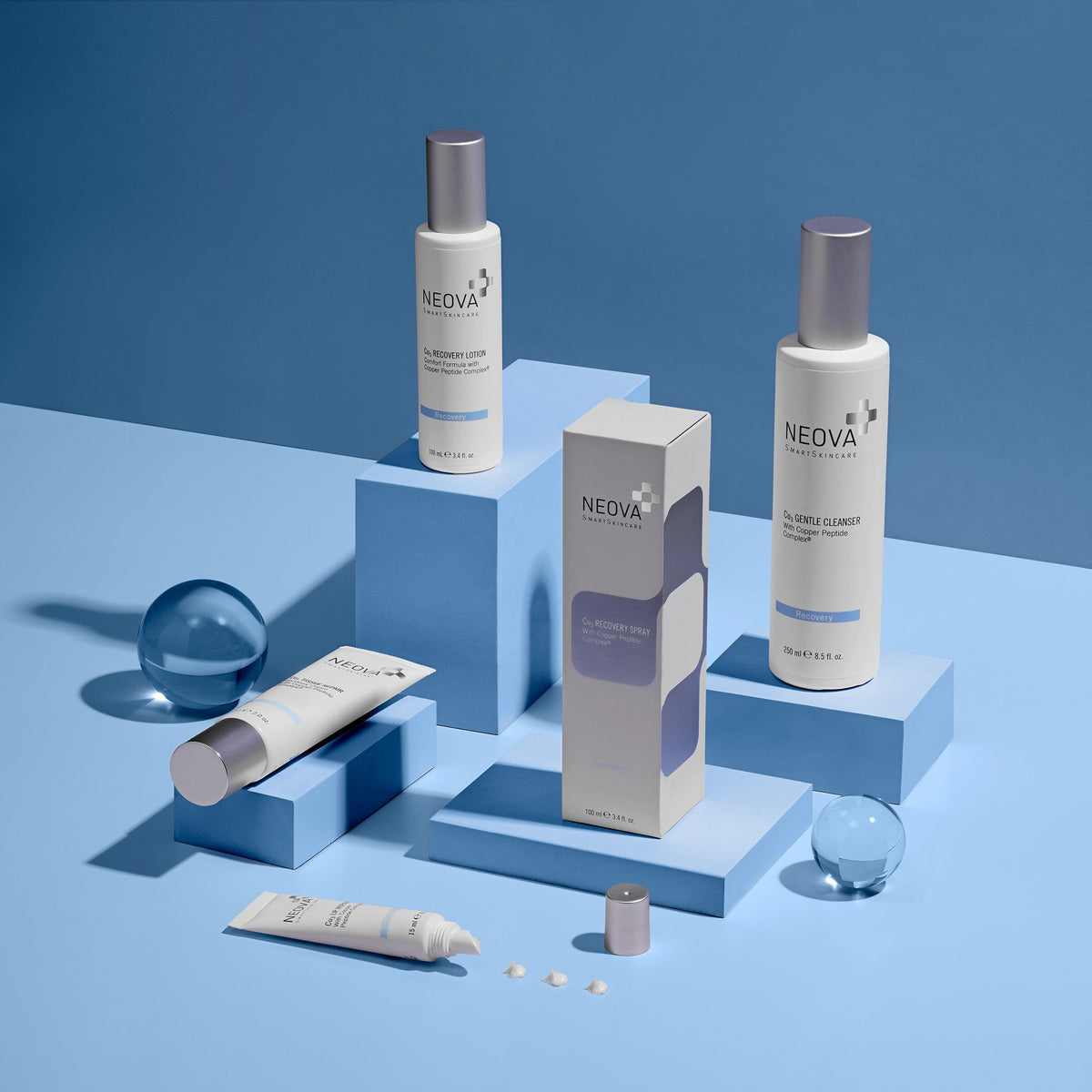
Cleanse once or twice daily with a gentle, non-stripping formula such as NEOVA Cu3 Gentle Cleanser. Avoid anything that could further stress the skin, including exfoliants, acids, retinoids, or fragranced products (NEOVA's products are all fragrance-free).
After cleansing, apply NEOVA Cu3 Recovery Lotion to help restore hydration and ease discomfort. Use Cu3 Recovery Spray as often as needed throughout the day to cool, hydrate, and reduce tightness without touching or irritating the skin.
If certain areas feel more compromised, you can apply Cu3 Tissue Repair locally to support targeted recovery.
Avoid rubbing, picking, or exfoliating. Let the skin do its work undisturbed. If swelling is present, keep your head slightly elevated when resting or sleeping.

SHOP RECOVERY SKINCARE
4-6 Days after Sun Exposure: The Healing Phase (Peeling + Skin Renewal)
By the fourth, fifth or sixth day, the pain and redness from your sunburn should begin to settle. You may notice light flaking or peeling. This is completely normal and part of how your skin sheds damaged surface cells.
At this point, unless you're experiencing severe sunburn, you can usually transition to your regular mild cleanser, such as Radiant Wash or Herbal Wash, depending on how your skin feels.
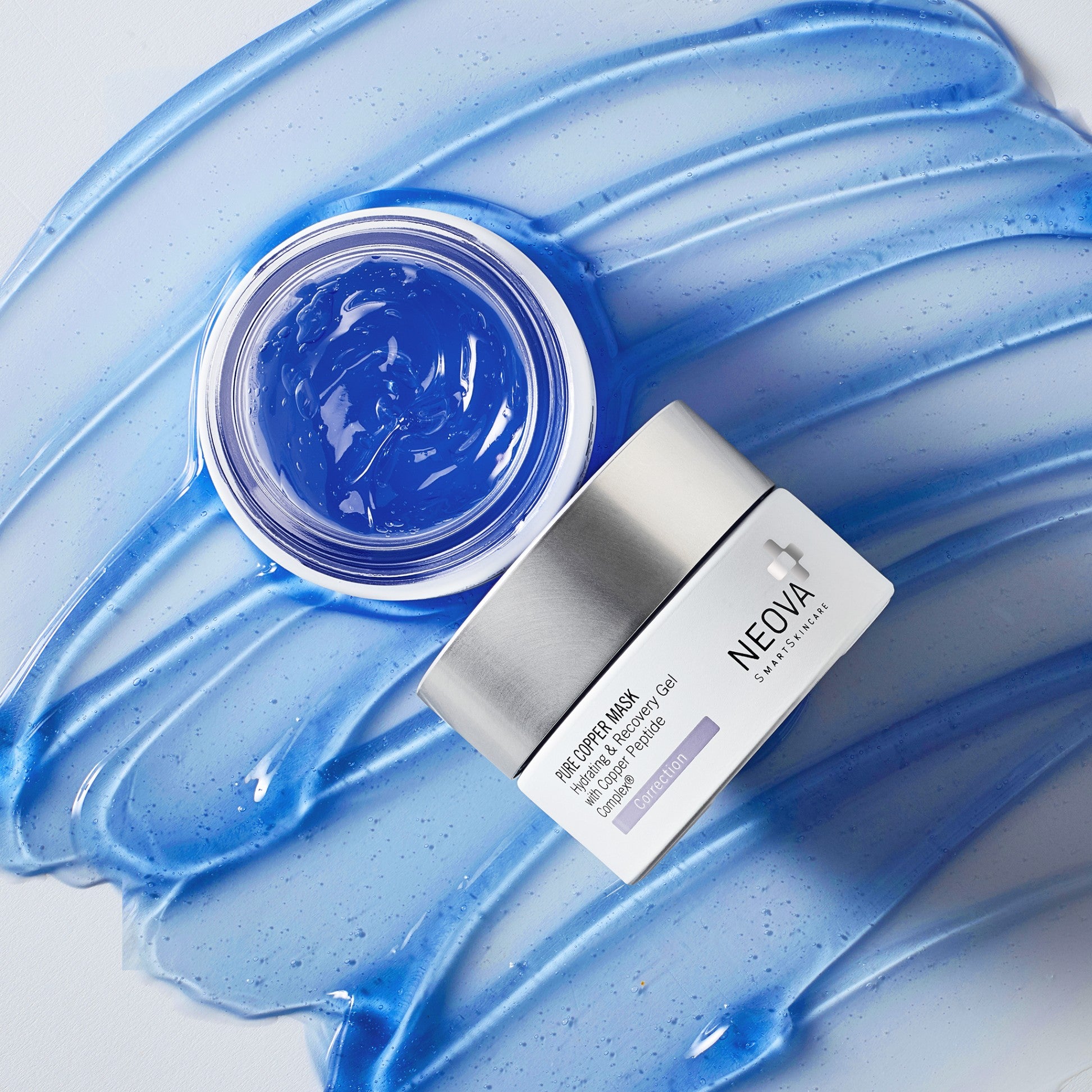
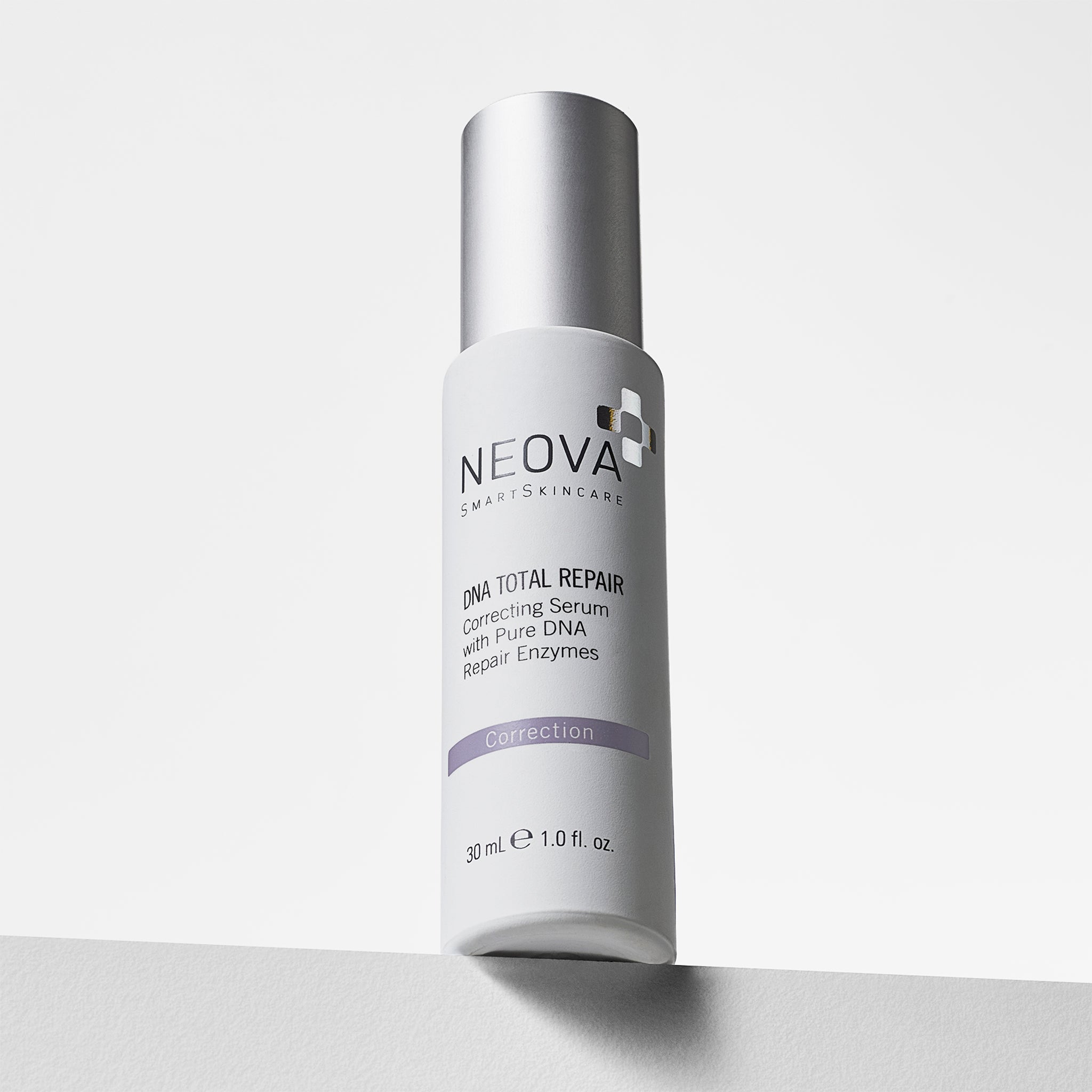
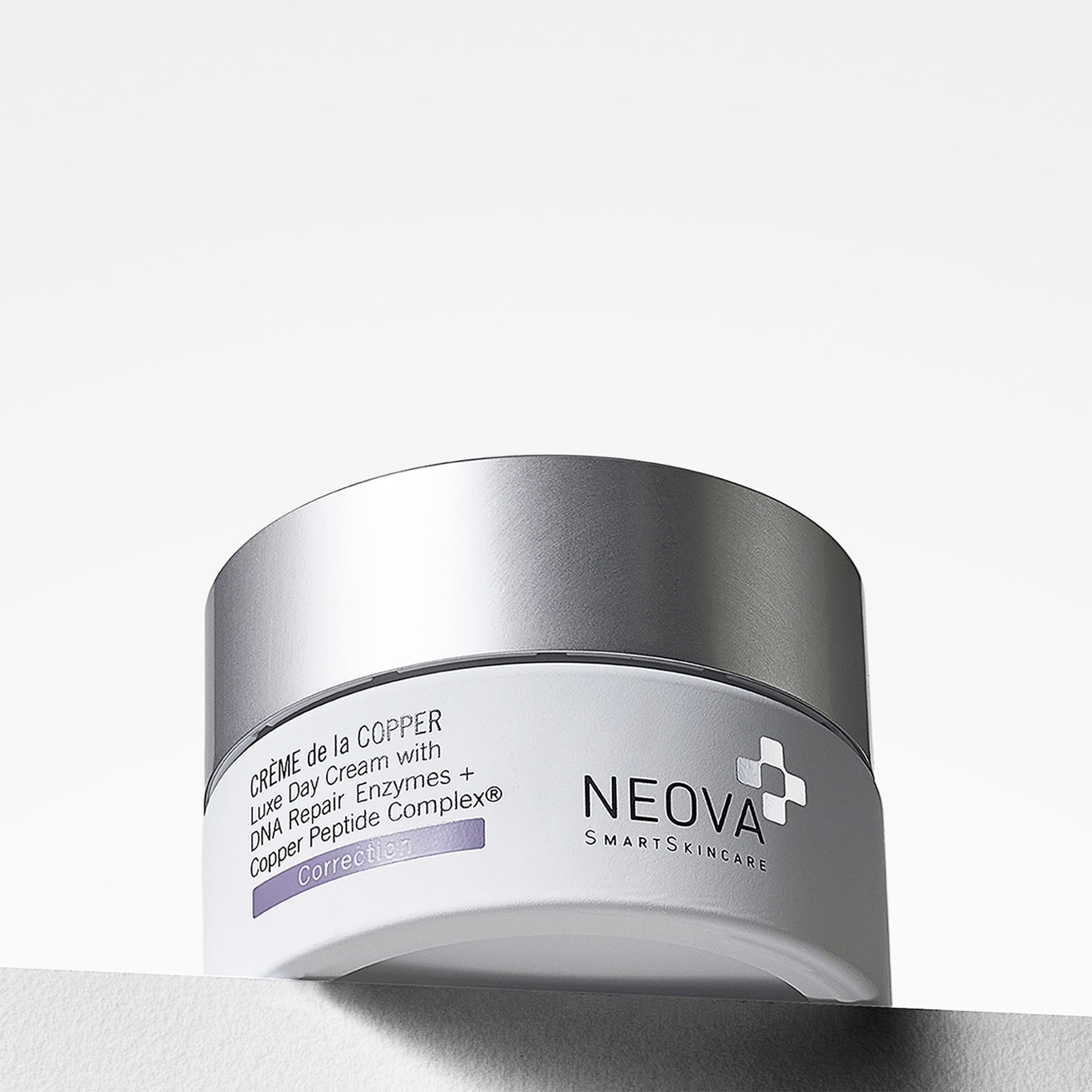
This is also when you can begin reintroducing supportive, non-active repair products like NEOVA DNA Total Repair or Pure Copper Mask, to help reinforce recovery and support skin resilience after UV stress.
Continue using Cu3 Recovery Lotion and Cu3 Recovery Spray as needed to maintain comfort and hydration.
Even if peeling is visible, resist the urge to exfoliate. Your skin is still repairing beneath the surface, and premature exfoliation can delay healing.

7+ Days After UV Exposure: The Stabilization Phase
By day 7, your sunburn symptoms have more or less subsided. Redness has faded to a light pink tone, tenderness has resolved, and your barrier is beginning to feel stable again. Even so, your skin is still more reactive than usual and needs a gradual return to activity.
At this stage, your skincare should support recovery, restore balance, and avoid pushing your skin too quickly.
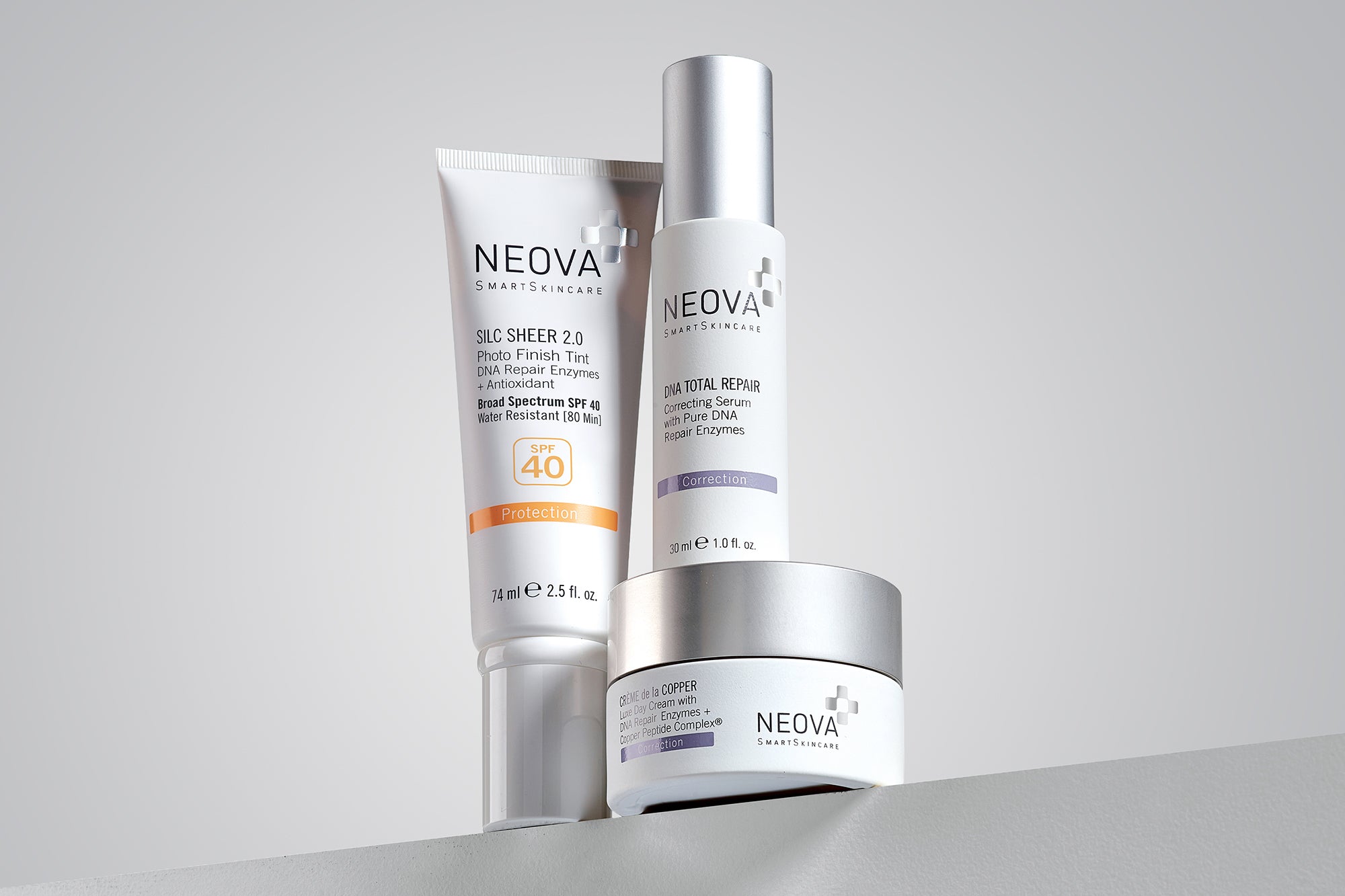
Continue applying NEOVA DNA Total Repair Serum morning and evening to clean skin. Its DNA repair enzymes help support your skin’s natural recovery process after UV exposure while reinforcing barrier repair as your skin continues to normalize.
You can also begin reintroducing your regular daily moisturizer at this stage. Choose a formula, like Daily Moisture, that feels comfortable and supportive, and use it to restore hydration, improve suppleness, and reinforce barrier function as your skin settles.
If you are noticing lingering uneven tone or dullness, this is also an appropriate time to bring antioxidant treatments back into your routine. Antioxidants help neutralize residual free radical activity from prior UV exposure and support a more even, refreshed appearance as the skin completes recovery.
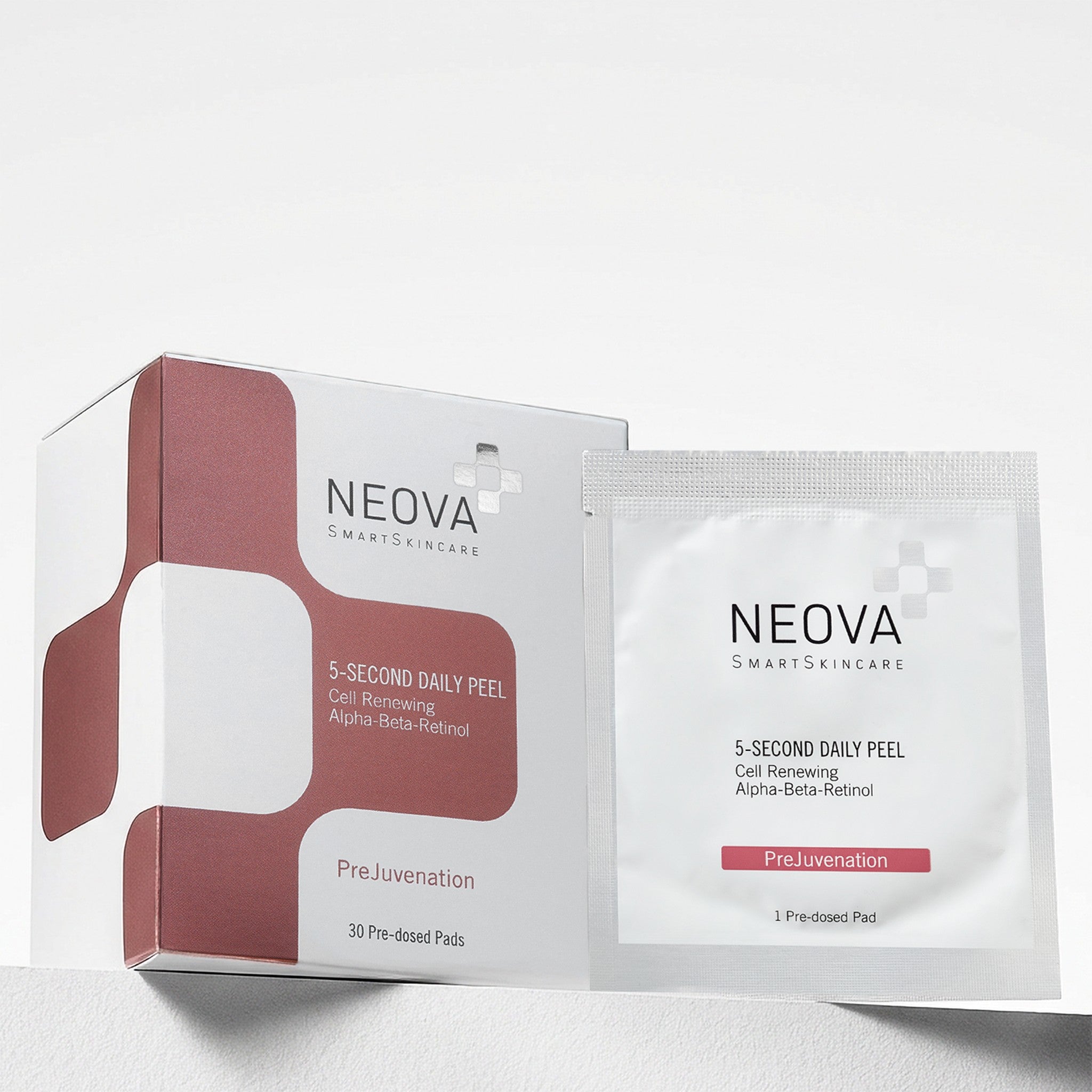
Once your skin feels fully comfortable with no stinging, tightness, or sensitivity, you can begin to slowly reintroduce gentle exfoliation. This should be done gradually and based on how your skin responds. NEOVA 5-Second Daily Peel allows for controlled, low-irritation exfoliation that helps lift residual surface dullness and support natural cell turnover after UV exposure, without the intensity of traditional acid-based exfoliants.
If your skin is more sensitive, give yourself additional time before reintroducing exfoliation or other active treatments.
During the day, always finish with a broad-spectrum SPF. Even though your skin appears recovered, it remains more vulnerable after UV exposure, and consistent protection is essential to maintain healing and prevent new damage.

After-Sun Repair by Skin Type
Sun exposure does not affect all skin types equally, and after-sun skincare should account for how your skin behaves naturally as well as how it responds to UV stress.
Dry and Dehydrated Skin
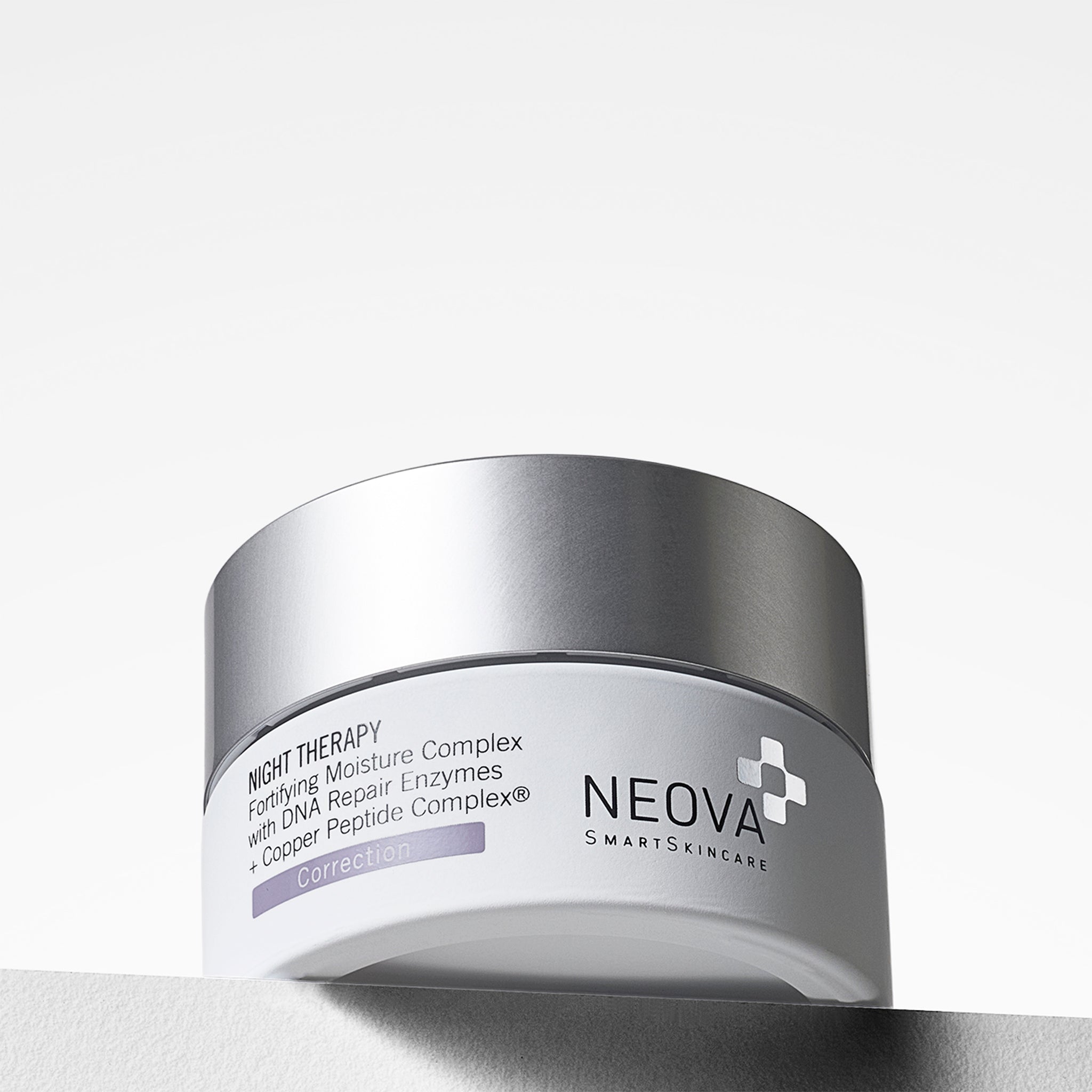
Dry skin loses water faster after sun exposure and is slower to recover barrier function. Focus on consistent hydration and repair support. Apply Cu3 Recovery Spray to help restore moisture balance and support recovery processes at the cellular level. Follow with Clear Relief during the day or Night Therapy in the evening to reinforce barrier function during overnight regeneration.
Oily and Combination Skin
Heat increases sebum production, which can lead to congestion in the days following sun exposure. Avoid heavy occlusive products if you have oily or combination skin.
Use
NEOVA Dual Matrix to support repair without excess weight and keep your routine minimal to prevent congestion.
Pause all active ingredients, including retinoids, vitamin C, and exfoliating acids, until redness and sensitivity have fully resolved. Focus on barrier repair with gentle, fragrance-free formulas.
Exfoliation should be paused entirely and reintroduced gradually.
Normal Skin
Normal skin recovers from sun exposure more efficiently, but that does not mean after-sun care can be skipped. Consistent hydration in the 24 to 48 hours after sun exposure reduce the cumulative impact of UV damage over time.
After redness and pain subside,
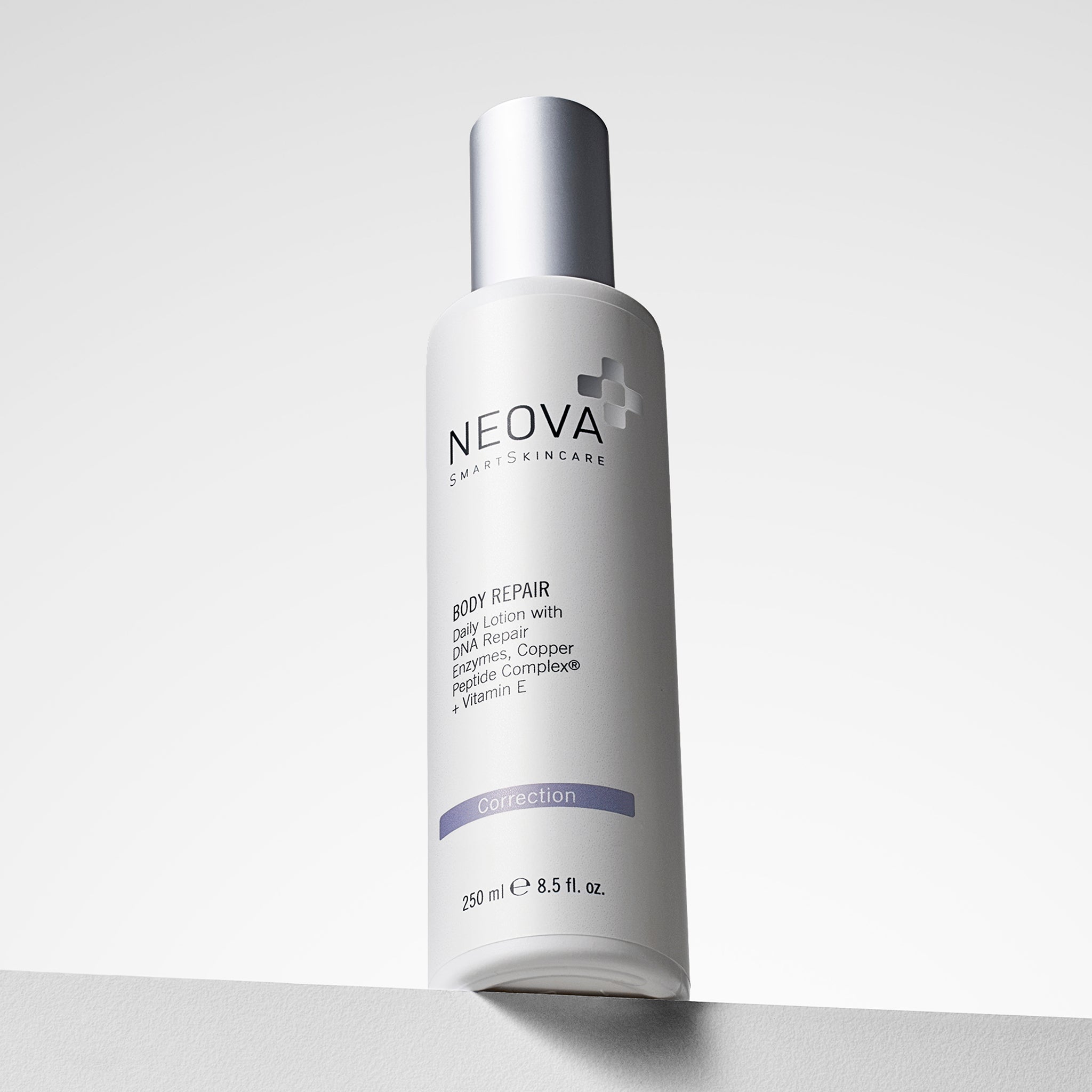
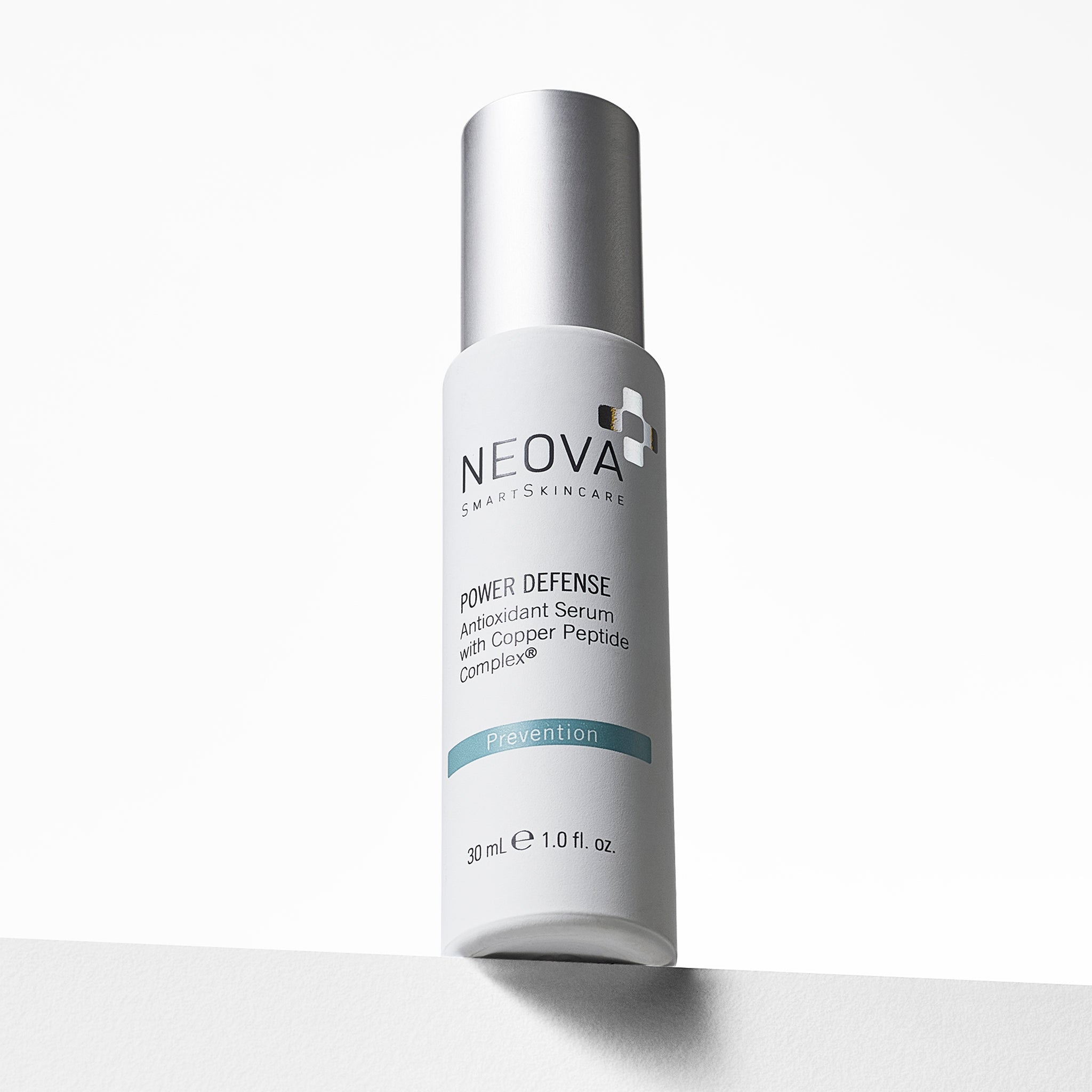
NEOVA's Power Defense supports antioxidant protection and helps defend against ongoing environmental stress on the face during the recovery window. For the body,
Body Repair extends this same principle, supporting hydration and barrier recovery in areas most commonly affected by incidental UV exposure.

Sensitive Skin
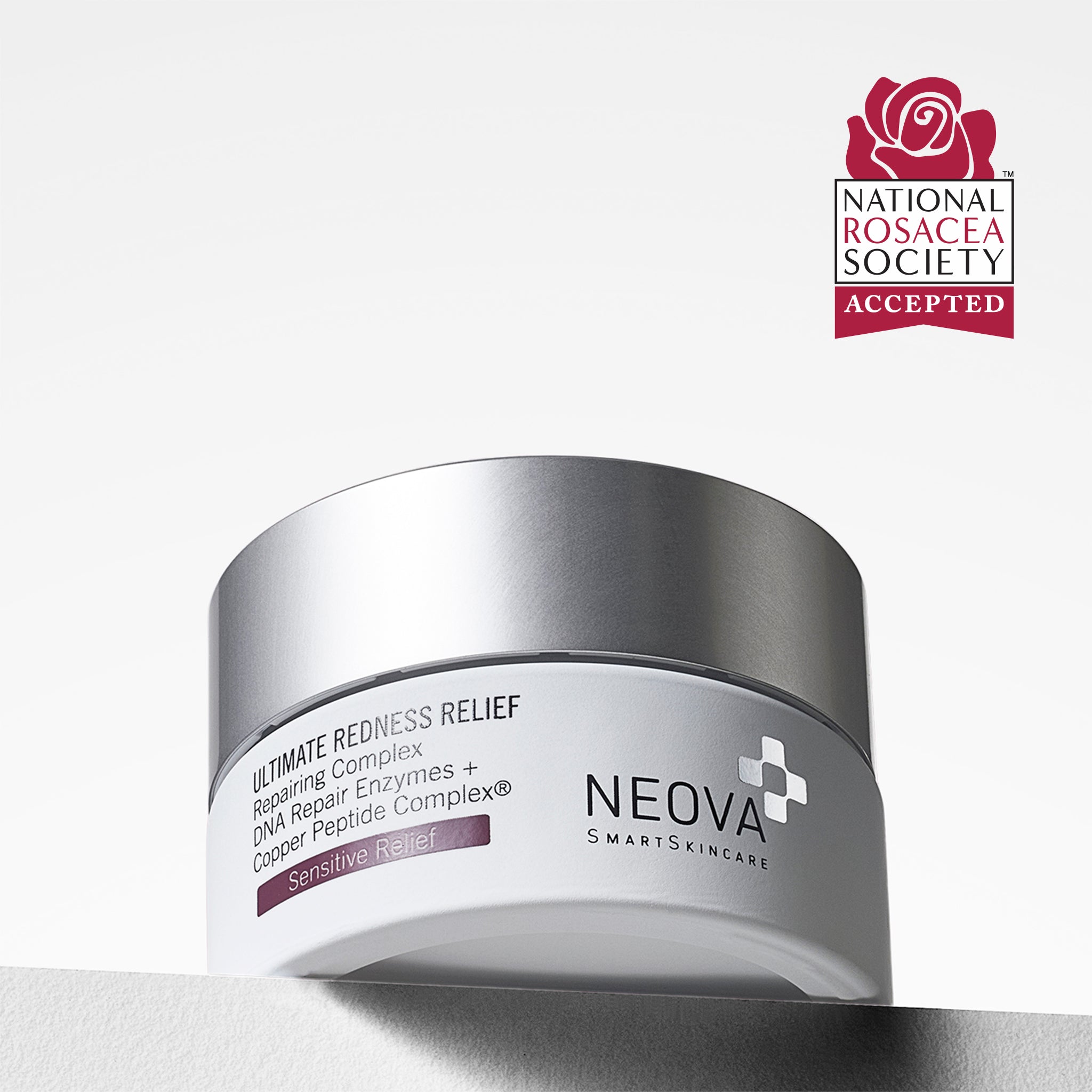
Sensitive skin is more prone to redness, heat, and reactivity after sun exposure, so the focus should remain on calming and barrier support rather than active treatment. Cu3 Tissue Repair Lotion supports deeper recovery in sensitized, UV-stressed skin during the initial healing phase while NEOVA's Ultimate Redness Relief helps visibly reduce redness and discomfort in the first week after sun exposure.
Stay consistent with calming, restorative care until you are confident your skin can tolerate more active steps.
If at any point your redness, pain, or sensitivity worsens after introducing a new product, discontinue use immediately and return to a simplified recovery routine until your skin stabilizes again.
The Role of DNA Repair in After-Sun Skincare
Most after sun products address the surface: cooling, soothing, and temporarily hydrating. NEOVA's approach goes further, targeting the DNA damage that UV radiation causes at a cellular level.
NEOVA's formulas are built around DNA repair enzymes, which supports the skin's own mechanism for identifying and correcting UV-induced DNA damage within keratinocytes. This is the core differentiator in NEOVA’s DNA Repair collection and it is what separates a repair-focused routine from one that simply addresses visible discomfort.
Copper peptides, another key component in NEOVA's clinical formulations, support collagen synthesis and help address the structural damage that accumulates with repeated sun exposure. Over time, consistent use of repair-focused actives reduces the visible effects of UV exposure, including fine lines, uneven tone, and loss of firmness.
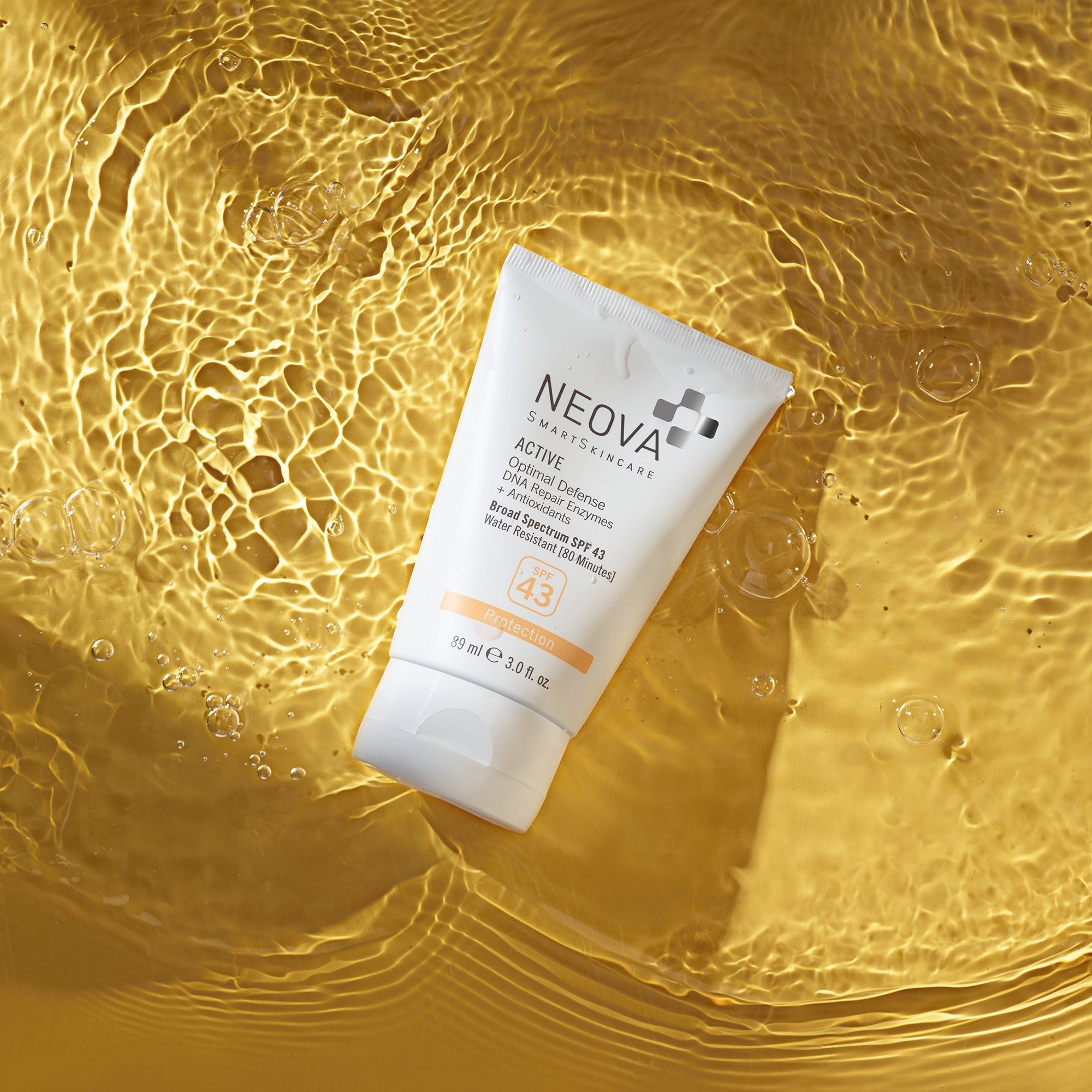
For daily sun protection that also supports the skin's repair mechanisms, Silc Sheer 2.0 offers broad-spectrum SPF in a lightweight, sheer finish suited to all skin types.
Building an After-Sun Routine That Lasts All Season
Although after-sun repair is most often associated with a
summer skincare routine, UV exposure affects skin year-round. Daily incidental exposure, from driving, walking outdoors, or sitting near windows, still contributes to cumulative DNA damage, dehydration, oxidative stress, and visible skin aging over time. Because of this, after-sun skincare is most effective when it is part of a consistent routine rather than a reactive measure used only after obvious overexposure.
Checking in with your skin throughout the year is equally important. What works during periods of high heat and humidity may need adjustment during colder or drier months when barrier function is naturally weaker. Slightly less exfoliation, an added hydration layer, or a richer moisturizer may be enough to keep skin balanced while supporting long-term barrier health, resilience, and a more consistent, healthy-looking complexion.
FAQs About After-Sun Repair Skincare
Can I exfoliate after sun exposure?
Exfoliation should be paused for a minimum of 72 hours after significant sun exposure. The skin's barrier is compromised after UV stress, and exfoliating during this window increases the risk of irritation, sensitivity, and prolonged inflammation. Once your skin has fully settled, reintroduce exfoliation gradually with a gentle step you can use on alternate days, like NEOVA's 5-Second Daily Peel.
How long does skin inflammation last after sun exposure?
Mild inflammation from sun exposure typically resolves within 48-72 hours for most skin types. Skin that has been significantly overexposed, or skin that is more reactive by nature, may take three to five days to fully settle. Persistent redness, swelling, or peeling beyond that window may indicate a more significant reaction and is worth discussing with a dermatologist.
What is the best skincare after a sunburn?
The best skincare after a sunburn gently cools the skin and focuses on hydration and barrier repair using soothing ingredients like aloe vera, hyaluronic acid, and ceramides. Avoid active ingredients like retinoids, acids, and exfoliants until the skin has fully healed.
Can after-sun skincare help prevent sun damage and pigmentation?
Applying antioxidants and hydration in the hours immediately following sun exposure can reduce the extent of oxidative stress that contributes to uneven pigmentation. It does not reverse UV-induced pigmentation that has already formed, but consistent use of repair-focused actives, particularly those targeting DNA damage, can reduce its progression over time. Daily sun protection is the most effective preventive measure.
Ready to Repair This Summer?
Your skin does more work in summer than any other season. Give it what it needs to recover.