Waterproof Skincare and SPF: What to Look for Before You Swim, Sweat, or Spend Time Outdoors
If you have ever reapplied SPF mid-swim, watched your moisturizer pill under sunscreen during a workout, or noticed your skin feeling stripped after a day outdoors, you already know that not every waterproof skincare product delivers on its promise.
In fact, no skincare product remains completely unaffected by water, sweat, friction, or repeated towel drying. What matters, instead, is how well the product maintains its performance under real-world conditions.
Understanding the difference between waterproof skincare and water-resistant skincare can help you choose products that continue to support your skin when you need them most. Whether you're heading to the beach, playing a round of golf, training outdoors, or simply spending more time in the sun, we’ll teach you what to look for so you can build an effective skincare routine you can rely on year-round.

Is Waterproof Skincare Actually Waterproof?
If you've been looking for waterproof skincare, you've probably noticed that many products use terms like “water-resistant”, “sweat-resistant”, or “long-wear” instead.
There is a reason for that.
In the United States, sunscreen products are no longer permitted to use the term "waterproof". Regulatory agencies like the Food and Drug Administration (FDA) require sunscreen manufacturers to use alternate terms because no sunscreen can maintain full effectiveness indefinitely during water exposure.
Instead, the regulatory standard requires products to demonstrate water resistance for either 40 or 80 minutes under controlled testing conditions before they can make that claim.
Rather than looking for products that claim to be completely “waterproof”, focus on products that are designed to resist breakdown during physical activity, humid conditions, and prolonged time outdoors.

So, What Makes Waterproof Skincare More Resistant to Water?
What separates a waterproof or water-resistant product that holds up outdoors from one that slides off after the first drop of perspiration comes down to formulation design.
Several technologies work together to improve durability.
Film-Forming Technology
Many advanced skincare and sunscreen formulas contain ingredients that create a fine, uniform layer across the skin's surface. This helps improve wear time and can increase resistance to water and perspiration.
Fast-Absorbing Formulas
Products that absorb efficiently into the skin are often less likely to slide, pill, or migrate throughout the day.
This can be particularly important when you are exercising, spending time outdoors, or layering multiple skincare products.

Long-Wear Performance
Heat, humidity, perspiration, and UV exposure all place demands on skincare products.
Long-wear formulations are designed to remain stable under these conditions while maintaining a comfortable finish on the skin.
Barrier Support
Environmental exposure can compromise the skin barrier, especially during extended periods outdoors.
Emollient products that support hydration with breathability help maintain skin comfort while preventing the heavy, greasy feel that causes many people to apply too little product or skip reapplication altogether.

Waterproof Skincare Matters Beyond the Beach
When you think about waterproof skincare, swimming may be the first thing that comes to mind. However, water resistance can be just as important during everyday activities.
You may benefit from water-resistant skincare and SPF if you:
- Exercise outdoors
- Play tennis or golf
- Hike or bike regularly
- Garden frequently
- Travel in warm climates
- Spend extended periods outside for work
In each of these situations, UV exposure, wind, heat, humidity, and repeated sunscreen application and removal all place cumulative stress on the skin barrier. A compromised skin barrier loses moisture faster, becomes more reactive to environmental triggers, and is less able to support the repair processes that happen overnight. Designing a waterproof skincare routine that addresses barrier health gives your skin a structural advantage.
How to Build a Waterproof Skincare Routine
A waterproof skincare routine combines supportive skincare underneath a water-resistant sunscreen, which serves as the primary protective layer during swimming, sweating, and outdoor activities.
1. Start With a Gentle Cleanser
Begin with a gentle, non-stripping cleanser that removes residue from the previous day without disrupting the skin barrier. Clean skin helps treatment products and sunscreen apply more evenly.

2. Add Targeted Treatment Products
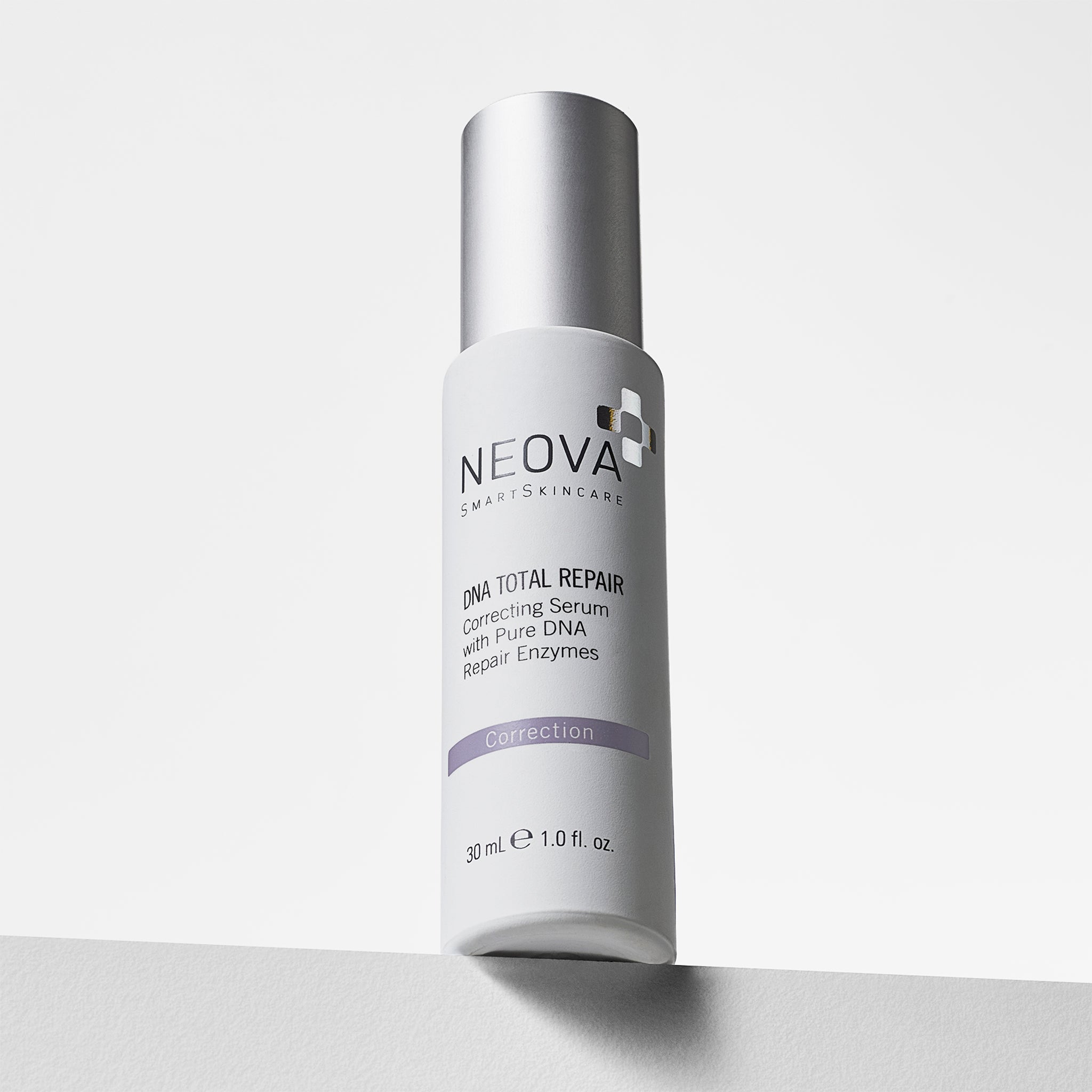
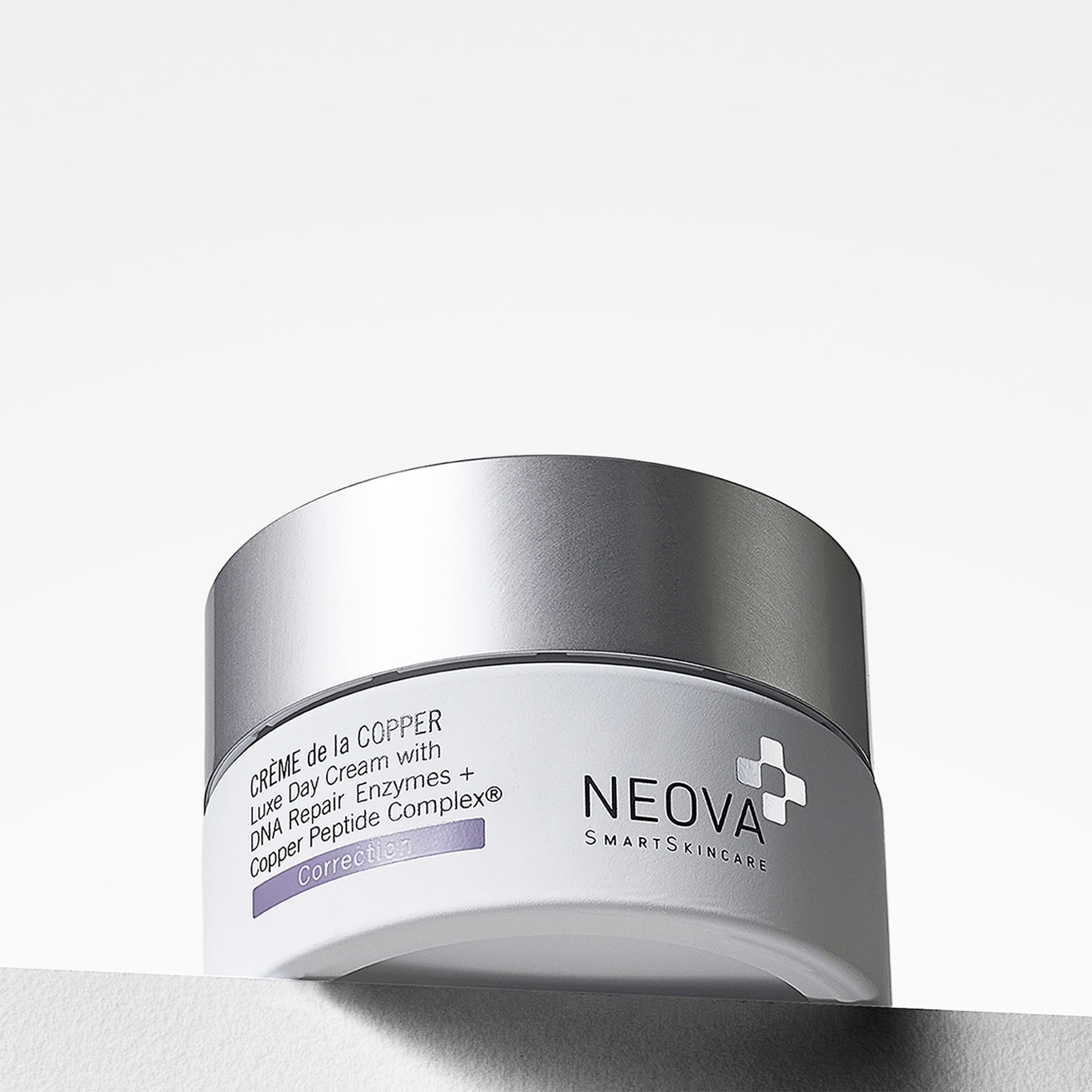
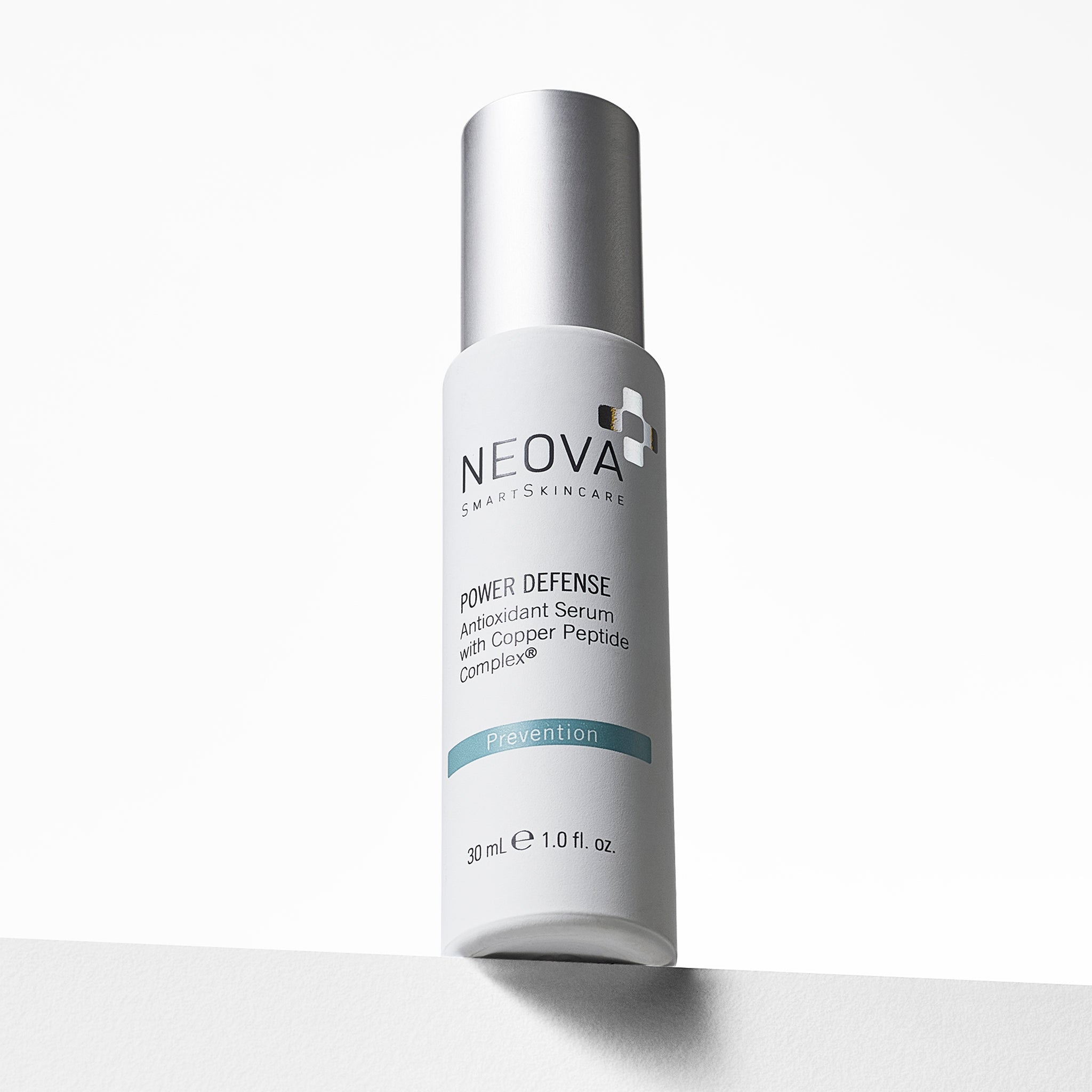
Follow with a targeted treatment that addresses your primary skin concerns while supporting antioxidant defense. Vitamin C, copper peptides, and DNA repair enzymes all play a role in reducing the cumulative damage that UV exposure accelerates and absorb quickly into the skin.

3. Support the Skin Barrier
Apply a moisturizer that supports barrier function before your SPF. This creates a hydrated base that helps sunscreen layer more evenly and adhere better during activity.

4. Water-Resistant SPF
Finish with a broad-spectrum, water-resistant SPF 30+ as the final step. Allow it to set for a few minutes before swimming or heavy exercise. Carry travel-size SPF for reapplication every two hours and always reapply after towel drying or prolonged sweating.

Choosing the Right SPF for Your Routine
When selecting SPF for your waterproof skincare routine, a high Sun Protection Factor (SPF) number on the label does not automatically mean the product will perform well during swimming, exercise, or extended outdoor exposure.
SPF actually measures how well a sunscreen protects against UVB rays, the primary cause of sun damage that most people associate with sunburn. A high SPF number (read: SPF 30+) allows less UVB radiation to reach the skin, but broad-spectrum protection, water-resistance, and proper application (and reapplication) are all equally important for effective sun protection.
Broad-Spectrum Protection
When a product offers broad-spectrum protection, it protects against both UVA and UVB radiation. UVAs penetrate deeper into the skin, contributing to collagen degradation, uneven tone, and the type of cumulative photoaging that shows up years after the original exposure. A sunscreen that only addresses one of these wavelengths is leaving your skin partially unprotected.
Water-Resistance Testing
Water-resistance ratings of 40 or 80 minutes indicate how long SPF performance is maintained during immersion, not how long the product lasts through an entire outdoor activity.
Antioxidant Support
The best SPF formulations also incorporate antioxidants, which help neutralize free radicals generated by UV and environmental exposure. Common antioxidants found in sun care include vitamin C, vitamin E, and niacinamide, each supporting skin resilience from a different angle.
DNA Repair Technology
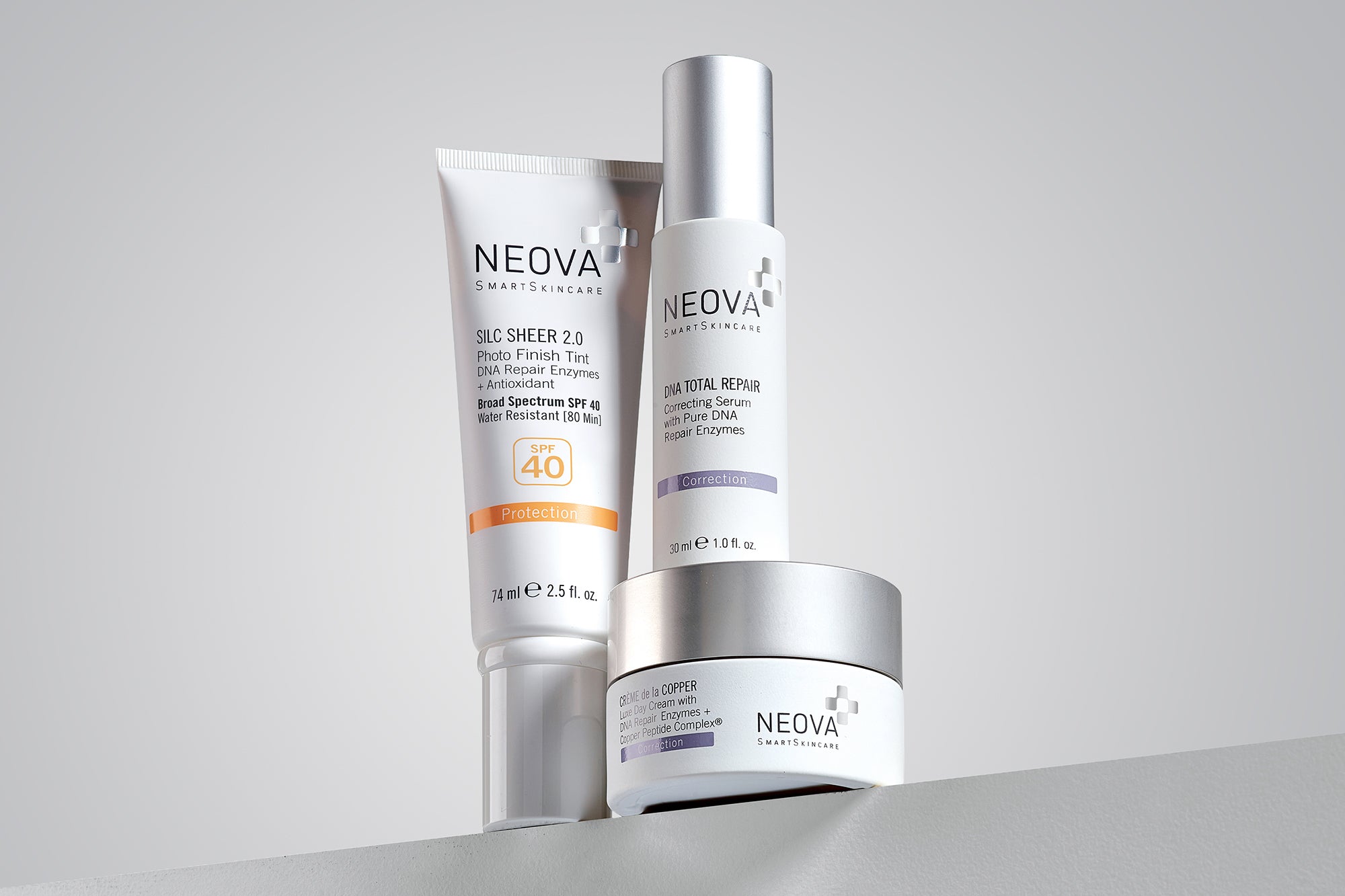
DNA repair enzymes offer an active strategy to address UV-induced DNA lesions at the molecular level, working after UV exposure rather than only before it. NEOVA's Silc Sheer 2.0 SPF 40 combines broad-spectrum UV protection with DNA repair enzymes, extending the protective benefit beyond what SPF filtration provides on its own.
Cosmetic Comfort
A sunscreen can only protect your skin if you use it consistently. Look for formulas that feel comfortable, spread evenly, and fit easily into your daily routine. Reapplication is always required after swimming, heavy sweating, or towel drying.

Explore NEOVA's full Sun Protection Collection for broad-spectrum options designed for daily and active use, including our Silc Sheer 2.0 SPF 40, which combines UV protection with DNA repair technology in a sheer, water-resistant finish.
Common Waterproof Skincare Mistakes That Undermine Your Routine
Even the best waterproof skincare routine can fall short if a few key habits are overlooked.
Mistake #1: Treating Water-Resistant SPF Like All-Day Protection
Mistake #2: Using Too Little Sunscreen
Mistake #3: Missing High-Exposure Areas
Mistake #4: Depending on SPF Alone

Frequently Asked Questions About Waterproof Skincare
Is waterproof sunscreen better than regular sunscreen?
No sunscreen is truly waterproof. Water-resistant sunscreens are tested to maintain SPF protection during water exposure for 40 or 80 minutes. Regular sunscreens may degrade more quickly during swimming or sweating. For any outdoor activity, a broad-spectrum, water-resistant formula with an 80-minute rating provides a meaningful practical advantage over non-water-resistant options.
How long does waterproof sunscreen actually last?
Water-resistant sunscreen maintains its SPF value for 40 or 80 minutes of water exposure, depending on how it is labeled. Outside of water, general guidelines recommend reapplication every two hours during sun exposure. After swimming, heavy sweating, or towel drying, reapply immediately regardless of how recently it was applied.
Can I use waterproof skincare on my face every day?
Yes. Water-resistant face SPF is appropriate for daily use. Many water-resistant formulas, including those from NEOVA, are specifically designed for the face and are non-comedogenic, meaning they are unlikely to clog pores. Daily use of a broad-spectrum, water-resistant SPF is one of the most evidence-supported habits for reducing cumulative UV damage to facial skin.
Do I need both a moisturizer and water-resistant SPF in my skincare routine?
Yes. Moisturizers and sunscreens perform different functions. Moisturizers support barrier health and hydration. Sunscreens provide UV protection. Using a dedicated moisturizer under your water-resistant SPF typically provides better barrier support and allows you to optimize each function independently. For outdoor and active use, a hydrated skin barrier also helps SPF apply and adhere more evenly.

What to Remember
When evaluating waterproof skincare and SPF products for outdoor use, look beyond marketing terminology and focus on proven characteristics: broad-spectrum protection, water resistance, comfort, barrier support, and consistent reapplication.
Whether you're spending the day at the beach, exercising outdoors, or simply navigating daily environmental exposure, a well-designed skincare routine should help protect, support, and maintain the health of your skin under real-world conditions.
At NEOVA, this philosophy extends beyond sunscreen alone. Effective skin protection combines prevention, hydration, repair, and recovery. We believe healthy skin is built not just by what happens indoors, but by how skin performs everywhere life takes you.
Explore the full NEOVA Collection and find the products that fit your skin type, lifestyle, and the conditions you face every day.