Post-Procedure Skincare: The Clinical Protocol for Faster Recovery
Post-procedure skincare is what determines how well your results hold, how quickly your skin rebuilds, and whether side effects like hyperpigmentation or prolonged redness become a problem.
Whether your skin has undergone laser resurfacing, a chemical peel, microneedling, or IPL treatments, the biology of wound repair is the same. The external support you give your skin in the days that follow is the variable that clinicians can actually control.
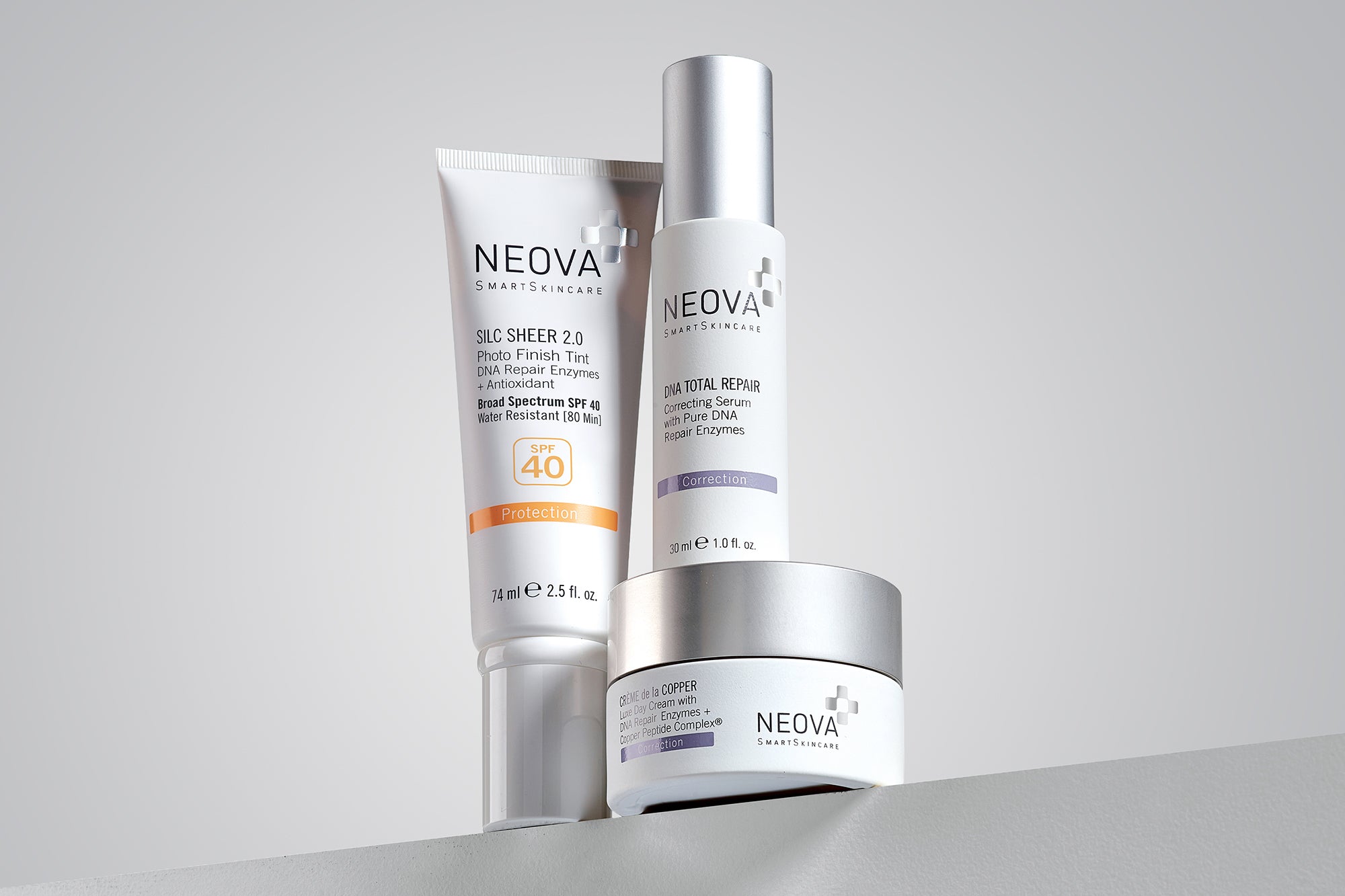
This protocol draws on the science behind copper peptide technology and the clinical frameworks used by dermatologists and aesthetic practitioners who rely on the NEOVA Recovery collection as a structured, evidence-informed system for post-treatment skin management.

The First 48 Hours Are Critical
The moment a procedure ends, the skin initiates an acute inflammatory cascade. This is a necessary biological process. Cytokines signal local immune cells, blood vessels dilate, and the earliest stages of collagen remodeling begin. The problem is that this same inflammatory environment, if prolonged or poorly managed, increases the risk of post-inflammatory hyperpigmentation, delayed barrier recovery, and suboptimal collagen organization.
During the first 48 hours after laser treatments, skin resurfacing, or dermal filler injections, the stratum corneum is compromised. Trans-epidermal water loss rises sharply, making the skin vulnerable to dehydration, environmental irritants, and microbial exposure. Standard skincare products, including those containing fragrance, actives like retinol or AHAs, or alcohol-based formulations, should be avoided entirely during this window.
What the skin needs instead is a cleanser that does not strip the acid mantle, a hydrating vehicle that restores moisture without occlusive heaviness, and above all a bioactive ingredient that works with the repair process rather than against it: copper peptides.

How Copper Peptides Accelerate Healing
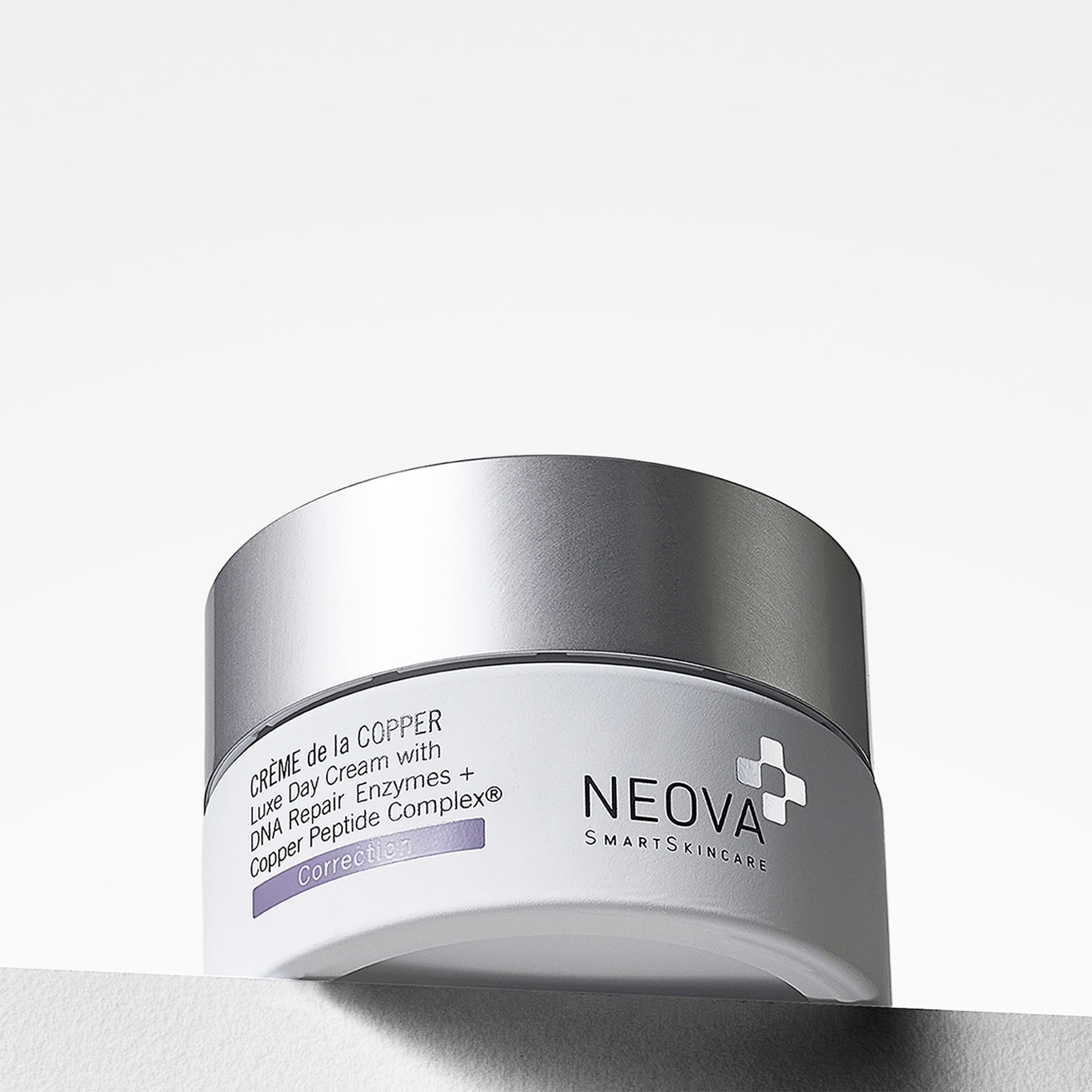
Copper peptides are tripeptide complexes that bind copper ions and deliver them directly to sites of tissue repair. Copper is a cofactor for lysyl oxidase, the enzyme responsible for cross-linking collagen and elastin fibers. It is also essential for the activity of superoxide dismutase, one of the body's primary antioxidant enzymes. In the context of post procedure skincare, this dual role of structural support and oxidative stress reduction makes copper peptide technology clinically significant.
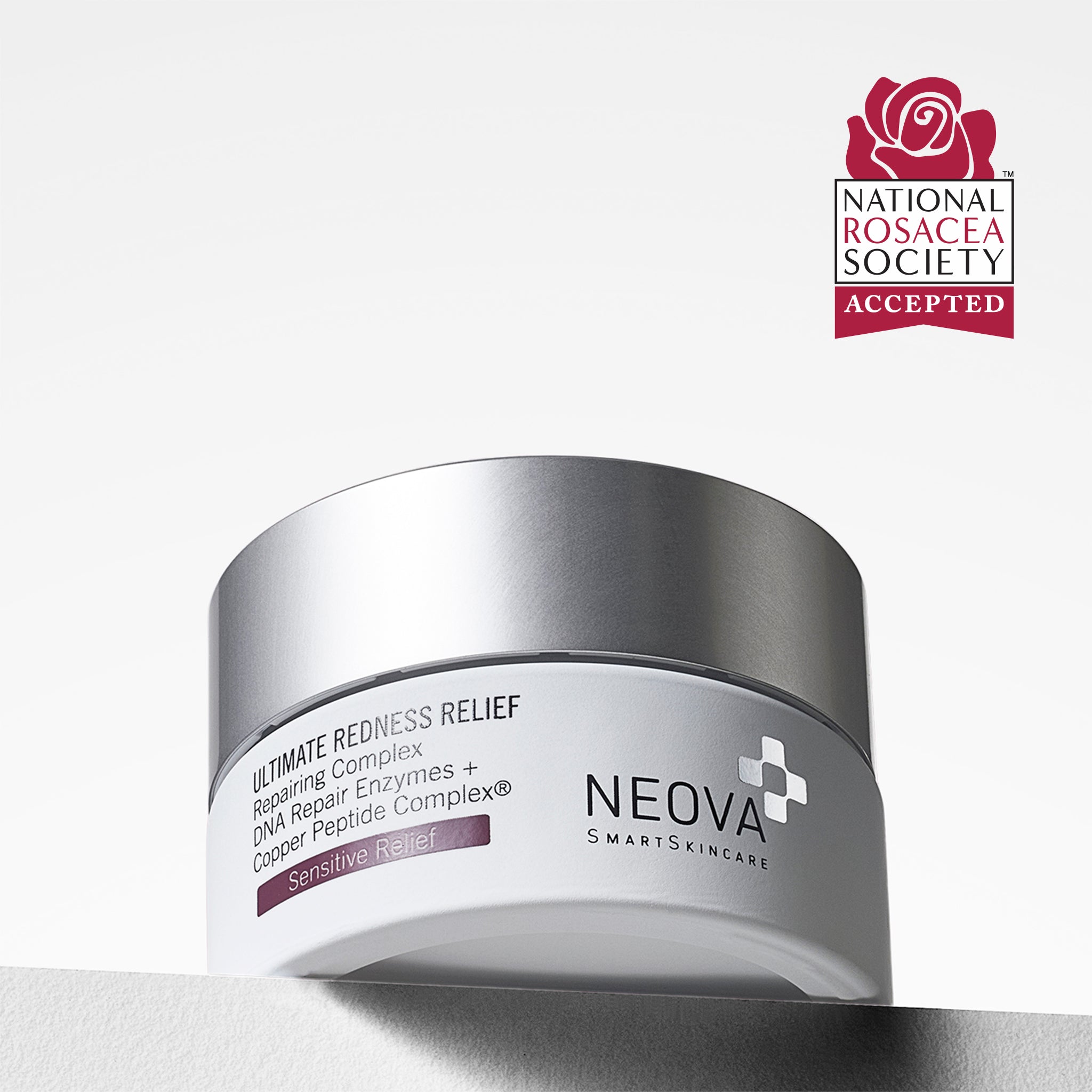
NEOVA's proprietary Copper Peptide Complex® is the foundation of its Recovery line. Unlike topical copper gluconate or simple copper sulphate, Cu3 is formulated as a stable, bioavailable tripeptide that penetrates the epidermis and reaches the dermal-epidermal junction where new collagen synthesis is initiated. Clinical studies show that copper peptide formulas can help skin heal faster, reduce redness, and support stronger, healthier skin during recovery.
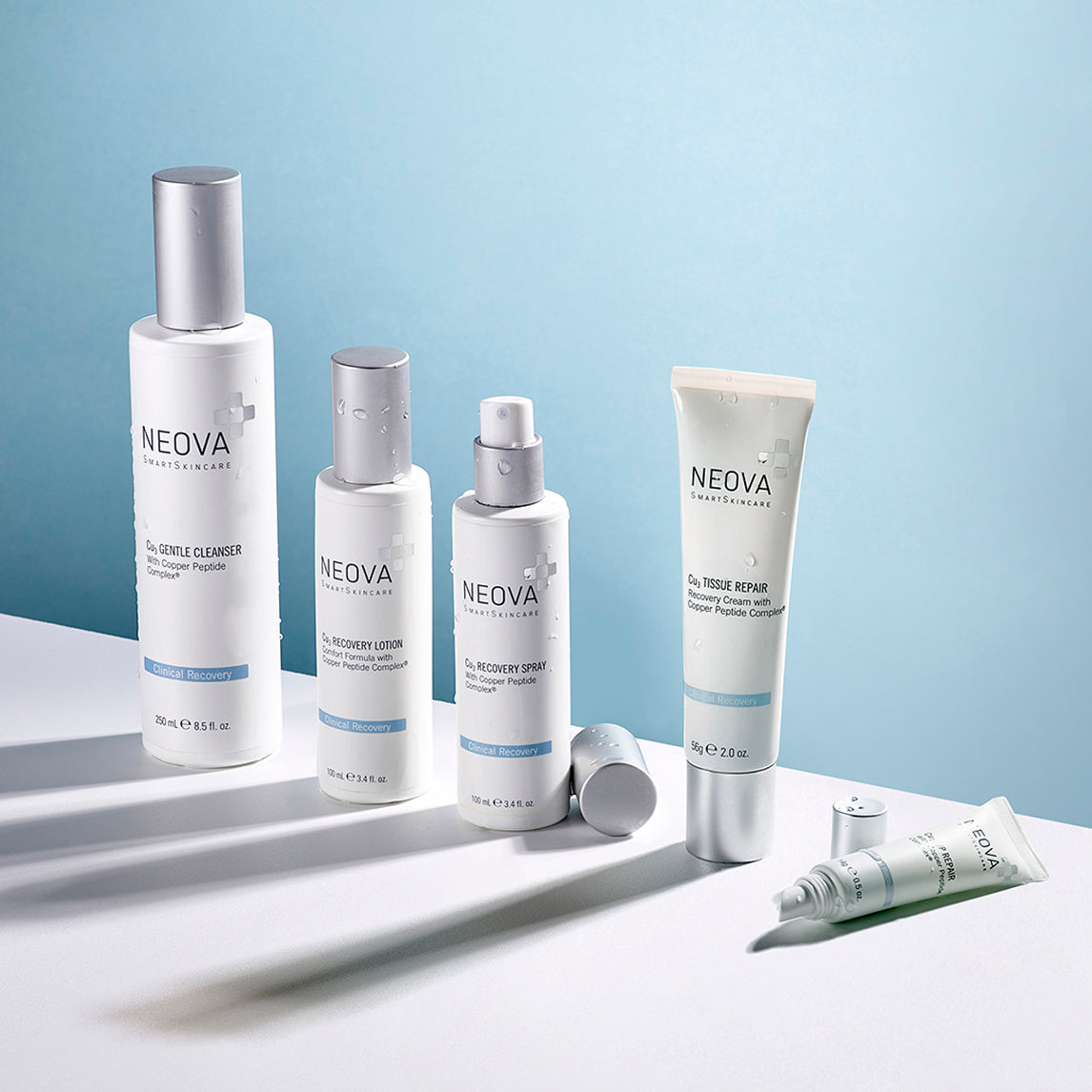
The Cu3 Tissue Repair formulation is designed to be applied immediately after procedure completion in clinical settings. It delivers a concentrated dose of the Cu3 complex in a cream base that is appropriate for sensitized, barrier-compromised skin. Practitioners commonly apply it in-clinic before patients leave, establishing the first layer of the recovery protocol before the patient is even home.
For patients undergoing microneedling or chemical peels, where the epidermis is intentionally disrupted to stimulate collagen induction, copper peptide application in the immediate recovery.

The Role of Barrier Restoration in Post-Procedure Recovery Outcomes
Barrier function is the clinical pivot point of post-procedure recovery. A skin barrier that is restored efficiently reduces inflammation duration, limits sensitivity, and protects the newly forming epidermis from environmental triggers that could compromise the final result. This is especially true following procedures with significant epidermal disruption, such as ablative laser skin resurfacing or aggressive microdermabrasion.
The Cu3 Recovery Lotion addresses this need with a lightweight, non-comedogenic emulsion that combines the Cu3 complex with humectants and skin-identical lipids. It is formulated to sit comfortably on skin that is too sensitized for heavier occlusives, while still providing the lipid replenishment the skin barrier needs to reconstitute its protective function.
Cleansing during recovery requires equal care. The Cu3 Gentle Cleanser is a surfactant-free option that removes debris and environmental residue without disrupting the pH of healing skin or causing mechanical trauma to fragile new tissue. Patients recovering from ultrasound skin tightening or injectables, where the surface may appear intact but underlying tissue is in an active repair state, benefit from this level of cleansing restraint.
Thermal comfort is another dimension of barrier support. The Cu3 Recovery Spray delivers a fine mist of active copper peptide solution that soothes heat and tightness, a common experience in the first 24 to 72 hours after laser treatments or IPL treatments. It can be applied over other products without disrupting the recovery regimen and is appropriate for use on the face, neck, and treated body areas.

The NEOVA Recovery Protocol: Procedure-Specific Guidance
Not all skin procedures carry the same recovery burden, and the protocol should reflect the depth and nature of the treatment. NEOVA structures its approach around two distinct pathways.
For ablative procedures, including fractional CO2 laser, full-field laser resurfacing, and deep chemical peels, the Post-Ablative Recovery System provides a complete, sequenced kit that covers the first week of recovery. The system includes a gentle cleanser, the Cu3 Tissue Repair, and a recovery mask with copper peptides formatted and dosed for the clinical reality of post-ablative skin. These procedures create open skin that requires fastidious care, and the system removes the guesswork for both practitioner and patient.
For non-ablative procedures, including non-ablative laser, radiofrequency skin tightening, IPL treatments, microneedling, and body sculpting treatments, the Non-Ablative Recovery System offers the same structured approach scaled to the lower but still significant recovery demands of these treatments. Patients undergoing a series of treatments particularly benefit from a consistent, copper-centered recovery protocol applied between sessions, as it maintains skin integrity and may reduce cumulative sensitivity over the course of treatment.
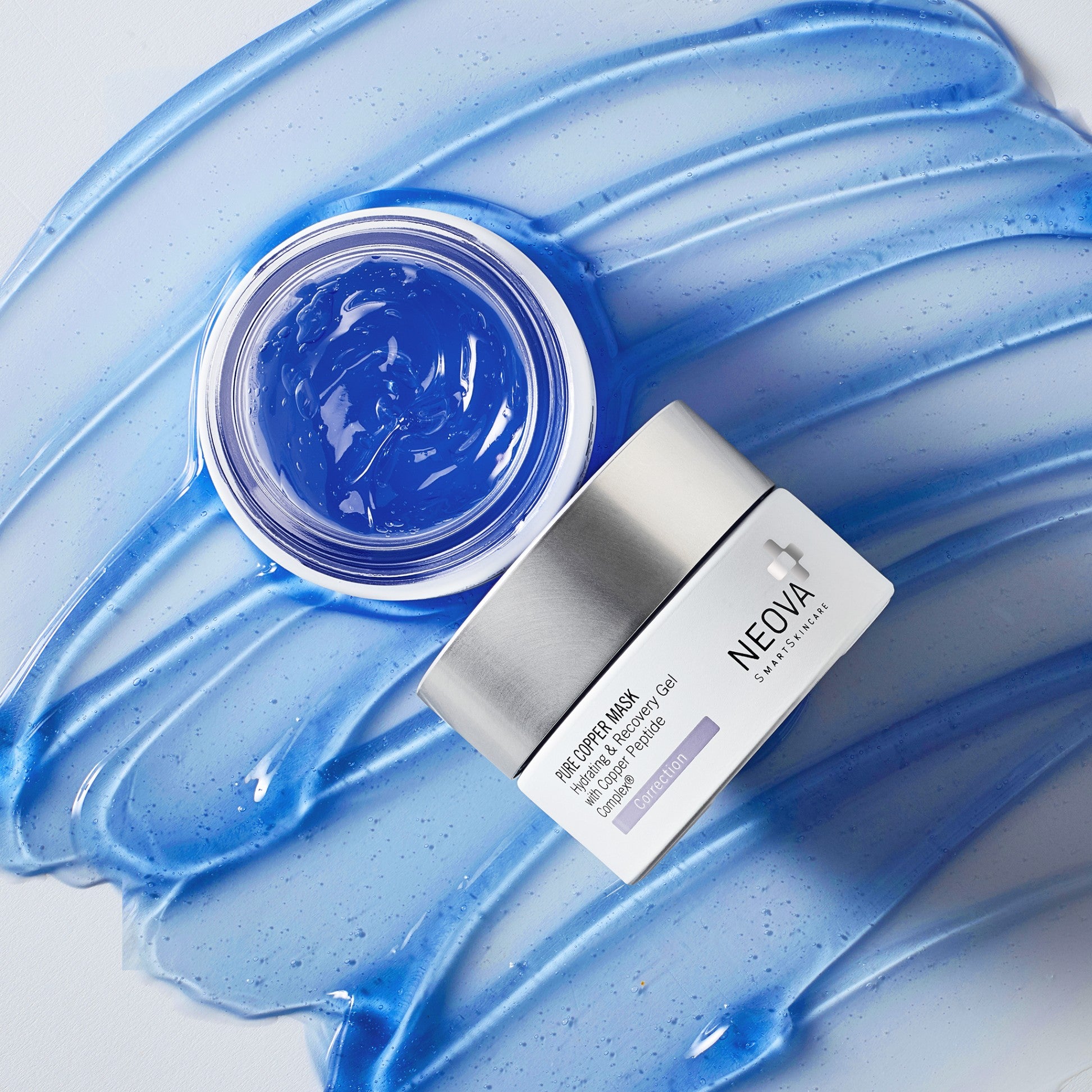
For targeted recovery and additional antioxidant support, the Pure Copper Mask can be incorporated one to two times per week from day three onwards, once the acute phase has resolved. It delivers a high-concentration dose of copper peptides in a gel format that maximizes contact time and ingredient absorption.
Patients with specific lip concerns following procedures, including those with perioral treatment areas, can benefit from the Cu3 Lip Repair, which applies the same copper peptide technology to the delicate lip and perioral skin.
Transitioning Back to Your Regular Skincare Routine
One of the most common clinical errors in post-procedure management is reintroducing active ingredients too early. Retinoids, vitamin C in low-pH formats, physical exfoliants and peels all require an intact barrier to function appropriately. Applied to recovering skin, they risk prolonging inflammation, triggering sensitivity, or disrupting the collagen remodeling that the procedure initiated.
The general guidance is to maintain the recovery protocol exclusively for at least seven days following ablative procedures and five days following non-ablative ones, with individual variation based on the patient's healing response. Reintroduction of actives should be gradual and monitored. Broad-spectrum SPF 40 or higher is non-negotiable from day one, as UV exposure during the recovery window is a leading cause of post-inflammatory hyperpigmentation.
Patients who are new to NEOVA can explore Best Sellers to understand which copper peptide formulations suit their ongoing maintenance needs once the recovery phase is complete. The same Cu3 technology that supports recovery also drives measurable anti-ageing outcomes in daily use, making NEOVA an appropriate long-term skincare partner beyond the procedure context. Learn more about NEOVA's approach to skin repair and the science behind our recovery-focused formulas.

A Day-by-Day Post-Procedure Recovery Timeline
Patients consistently report that knowing what to expect each day reduces anxiety and improves protocol adherence. The following timeline applies to most non-ablative procedures. Ablative procedures follow a similar arc but with extended timeframes at each stage.
Days 1 to 3. The skin is in the acute inflammatory phase. Redness, warmth, tightness, and mild swelling are expected and indicate that the repair process is active. Cleanse once or twice daily with the Cu3 Gentle Cleanser apply the Cu3 Recovery Lotion and mist with the Cu3 Recovery Spray as often as needed for comfort. Avoid touching or rubbing the skin. Sleep on a clean pillowcase and keep the face elevated if swelling is present. If you are concerned about scabbing, you may apply Cu3 Tissue Repair, as needed.
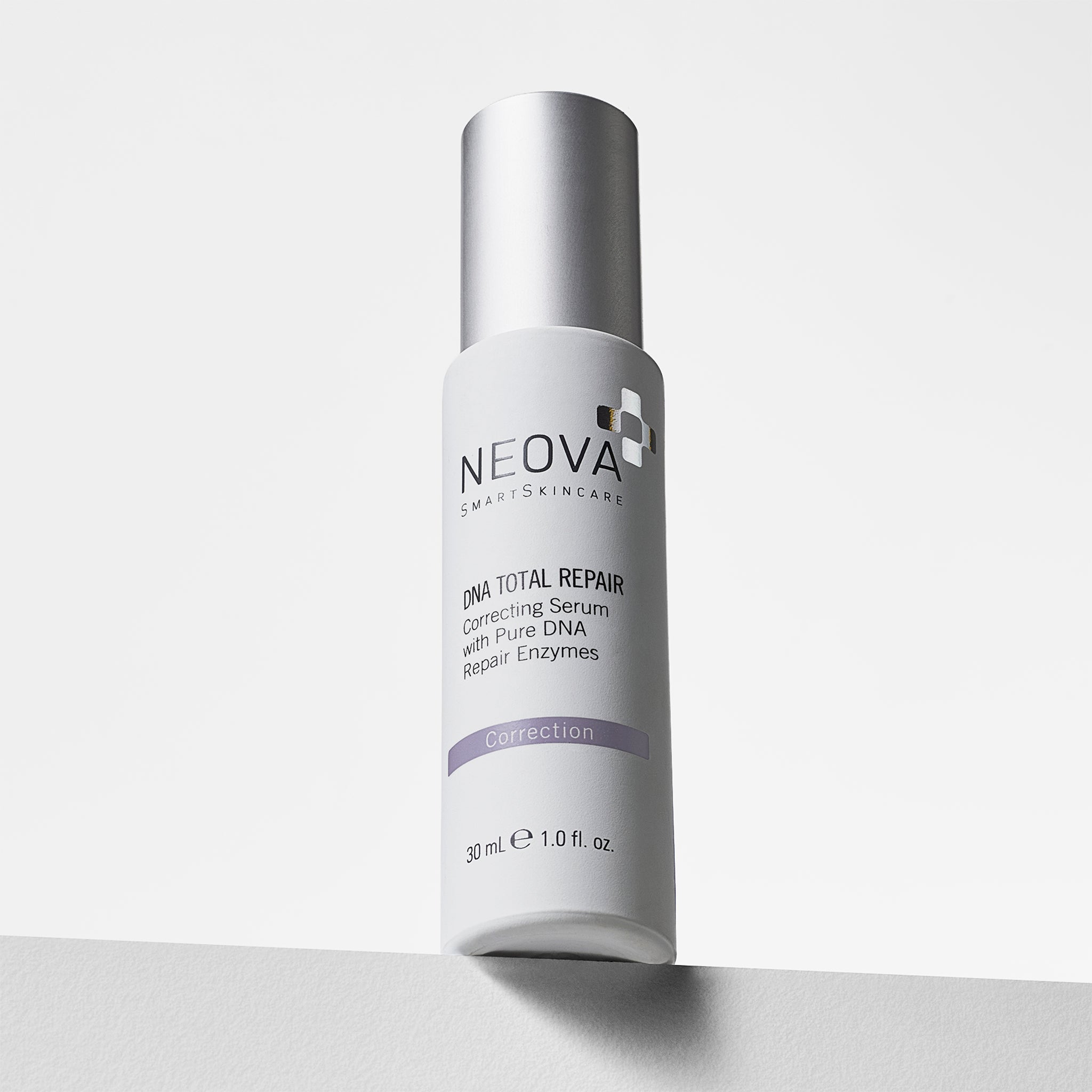
Days 4 to 5. When skin is no longer sensitive to the touch, you may begin cleansing with your regular gentle cleanser, Radiant Wash or Herbal Wash, and start introducing non-active treatments, such as DNA Total Repair, back into your routine. Some patients notice light flaking or peeling as the superficial epidermis sheds. This is a normal part of re-epithelialization and should not be accelerated by exfoliation or picking.
Days 6 to 7. By day 6 or 7, the skin's surface typically feels more settled. Tightness reduces and any residual redness takes on a pinkish rather than red tone. Broad-spectrum SPF remains essential throughout this period and beyond. Continue the recovery protocol in full. If the skin feels comfortable and your clinician has confirmed adequate healing, a very gentle, non-active moisturizer may be reintroduced alongside your NEOVA products.
Week 2 and beyond. For most non-ablative procedures, the skin barrier is largely restored by day ten. Actives, like retinol and salicylic acid, can be carefully reintroduced in consultation with your treating clinician. Patients undergoing a course of treatments, such as a series of microneedling sessions or IPL treatments, should return to the recovery protocol after each session rather than maintaining active ingredients throughout the course.

What to Avoid During Post-Procedure Recovery
Understanding what not to apply to recovering skin is as important as knowing what to use. The following categories of products and behaviors should be avoided during the recovery window, regardless of the procedure type.
Active ingredients.
Retinoids, AHAs, BHAs, vitamin C in low-pH formats, niacinamide at high concentrations, and benzoyl peroxide are all capable of inducing irritation in compromised skin. Even products that are well tolerated in normal use can produce a significant inflammatory response when the barrier has been disrupted by laser treatments, chemical peels, or microneedling.
Physical exfoliants.
Scrubs, cleansing brushes, konjac sponges, and washcloths create mechanical friction that can damage new epidermal tissue and introduce bacteria to open skin. Cleansing during recovery should be done with clean fingertips only.

Fragrance and essential oils.
These are among the most common causes of contact sensitization and are particularly problematic on barrier-compromised skin. Many mainstream skin care products, including those marketed as natural or gentle, contain fragrance that is unsuitable for post-procedure use. NEOVA recovery products are fragrance-free throughout.
Heat exposure.
Saunas, steam rooms, hot showers, and intense exercise that raises core body temperature and causes flushing should be avoided for at least 48 to 72 hours following most procedures. Elevated skin temperature prolongs the inflammatory phase and can exacerbate swelling, particularly after dermal filler injections or skin tightening treatments.
New skincare products.
The recovery period is not the time to introduce any unfamiliar product, regardless of how well-reviewed it is. The skin's reactivity is heightened and its ability to mount a normal tolerance response is reduced. Introduce only products that have been specifically recommended for post-procedure use by your clinician.
Sun exposure.
UV radiation during the recovery phase is one of the most well-documented causes of post-inflammatory hyperpigmentation, particularly in patients with Fitzpatrick skin types III through VI. Broad-spectrum sunscreen should be applied from the morning after the procedure and reapplied every two hours when outdoors. Mineral-based SPF is generally better tolerated on sensitive skin than chemical filter formulations.

FAQ for Post-Procedure Patients
Q: When can I start using NEOVA products after my procedure?
The Cu3 Tissue Repair and Cu3 Recovery Spray can be applied immediately after the procedure is complete, and many clinicians apply them in-office before the patient leaves. The Cu3 Recovery Lotion and Cu3 Gentle Cleanser are appropriate from the first cleanse, typically within a few hours of the procedure. The Pure Copper Mask should be introduced from day three onwards once acute inflammation has settled.
Q: Is copper peptide safe for very sensitive or reactive skin?
Yes. The Cu3 complex is formulated at a physiological pH and does not cause the irritation associated with many bioactive ingredients. NEOVA's post-procedure skincare is fragrance-free, dye-free, and formulated without common sensitizers. They are appropriate for patients with rosacea, reactive skin types, or those who have historically had difficulty tolerating actives.
Q: How is the Post-Ablative Recovery System different from the Non-Ablative Tx System?
The Post-Ablative Recovery System is calibrated for procedures that significantly disrupt the epidermis, such as ablative laser skin resurfacing, where open skin and significant healing demands require a more intensive approach. The Non-Ablative Recovery System addresses the recovery needs of treatments where the surface remains largely intact, such as microneedling, IPL treatments, or radiofrequency. Both systems follow the same Cu3-centred protocol but are dosed and formatted for different levels of tissue disruption.
Q: Can I wear makeup during the recovery period?
This depends on the procedure and the stage of healing. Following ablative procedures, makeup is typically avoided for the first five to seven days. For non-ablative procedures such as microneedling or light chemical peels, many practitioners permit mineral-based makeup from day two or three. Any makeup applied during the recovery window should be applied with clean tools and removed gently with the Cu3 Gentle Cleanser rather than makeup wipes or micellar water, which can contain preservatives that irritate compromised skin.

Q: How long should I continue the NEOVA recovery protocol before returning to my usual skincare?
The minimum recommended duration is five days for non-ablative procedures and seven to ten days for ablative ones. However, many professionals recommend continuing with elements of the recovery protocol, particularly the Cu3 Recovery Lotion and Recovery Spray, for up to three weeks, tapering gradually as the skin rebuilds. Reintroduction of retinoids and exfoliating acids should be confirmed with your treating clinician based on your individual recovery progress.
Q: What are the warning signs that my skin is not recovering normally?
Some redness, swelling, tightness, and peeling are expected. However, certain signs warrant prompt contact with your treating clinician. These include redness that intensifies rather than fades after the first 72 hours, skin that feels hot to the touch beyond the initial recovery window, discharge or crusting that appears purulent rather than dry, blistering that was not anticipated as part of the procedure, and any significant asymmetry in healing between treated areas. Itching that is intense rather than mild can indicate an allergic reaction to a product and should prompt a review of everything applied to the skin. When in doubt, photograph the area and contact your clinician's office before making any changes to your post-procedure skincare protocol.

Ready to Build Your Post-Procedure Skincare Protocol?
The NEOVA Recovery line is formulated for exactly this window. Whether you are preparing for a procedure or already in recovery, the Cu3-based systems take the guesswork out of post-procedure skincare. Shop Post-Procedure Skincare.
This article is intended for informational purposes and is not a substitute for professional medical advice. Always follow the post-procedure guidance provided by your treating clinician.