Article: At-Home LED, Lasers and Clinical Skincare: What Actually Works Together

At-Home LED, Lasers and Clinical Skincare: What Actually Works Together
Main Takeaways
- LED, lasers and clinical skincare each have a different job: gentle support, a professional reset and daily maintenance.
- Around a laser treatment, simpler is better. Your provider's aftercare plan always comes first.
- Add one new device, active or treatment at a time so you can tell what's working.
- Daily broad-spectrum sunscreen is non-negotiable with all three.
- Stacking too much too fast leads to irritation, slower recovery and pigment risk.

How LED, Lasers and Clinical Skincare Work Together: Three Tools, Three Jobs
- Daily skincare is your foundation. It protects, hydrates, supports the barrier and delivers actives consistently, in small doses, every day.
- At-home devices are your gentle nudge. LED light therapy sends light signals to skin cells with little to no downtime, so results are subtle and cumulative.
- In-office procedures are your reset button. Lasers create controlled, targeted change (resurfacing, pigment, vessels, texture), and skin needs time and support to rebuild afterward.

At-Home LED Light Therapy: The Low-Drama Team Player
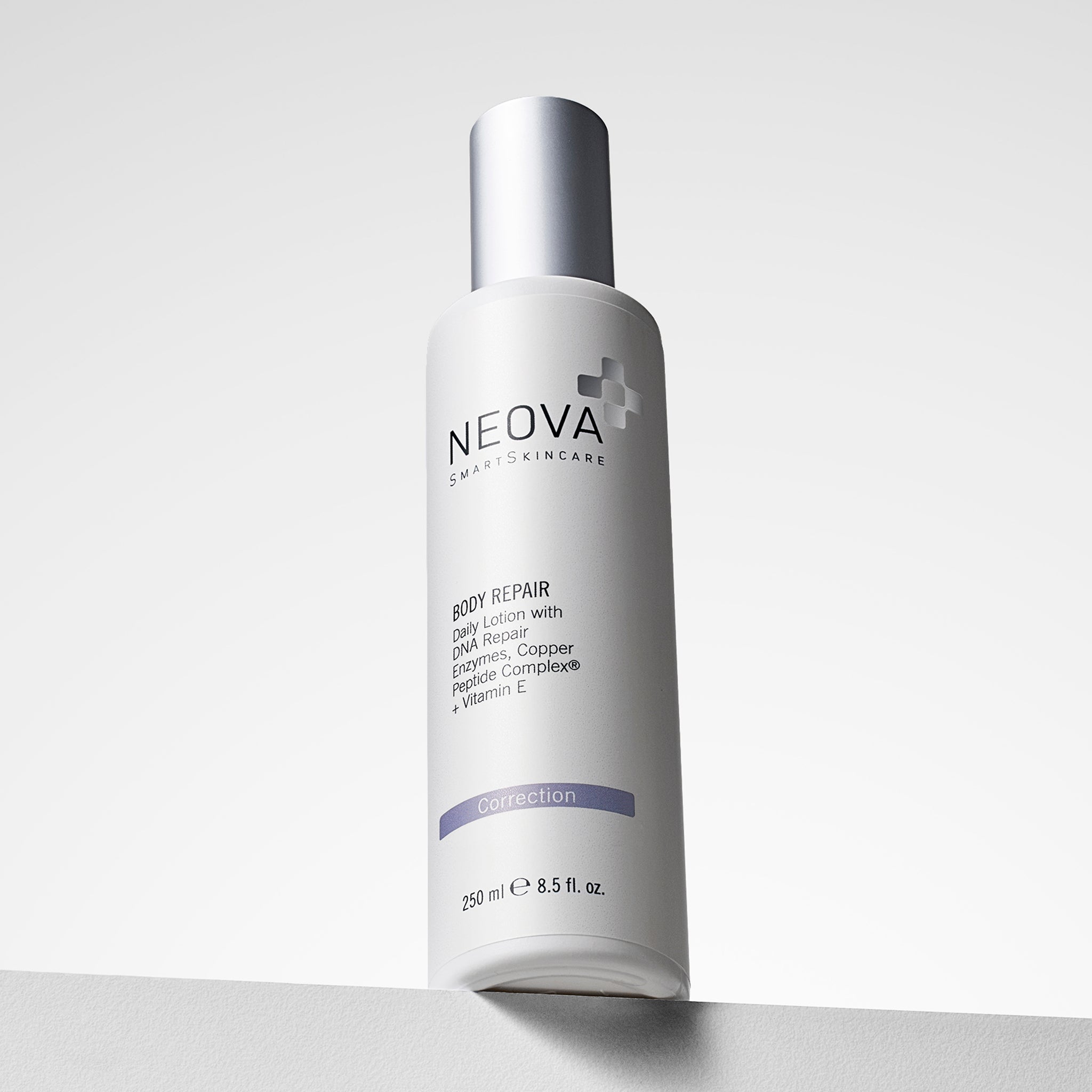
- Barrier-supporting skincare. Hydrating serums, peptides and a good moisturizer like Cu3 Recovery Lotion give your skin a comfortable canvas. Clean skin, free of heavy makeup and sunscreen, is the usual starting point for a session.
- Maintaining results between professional treatments. Think of LED as the steady background support, not the headline act.
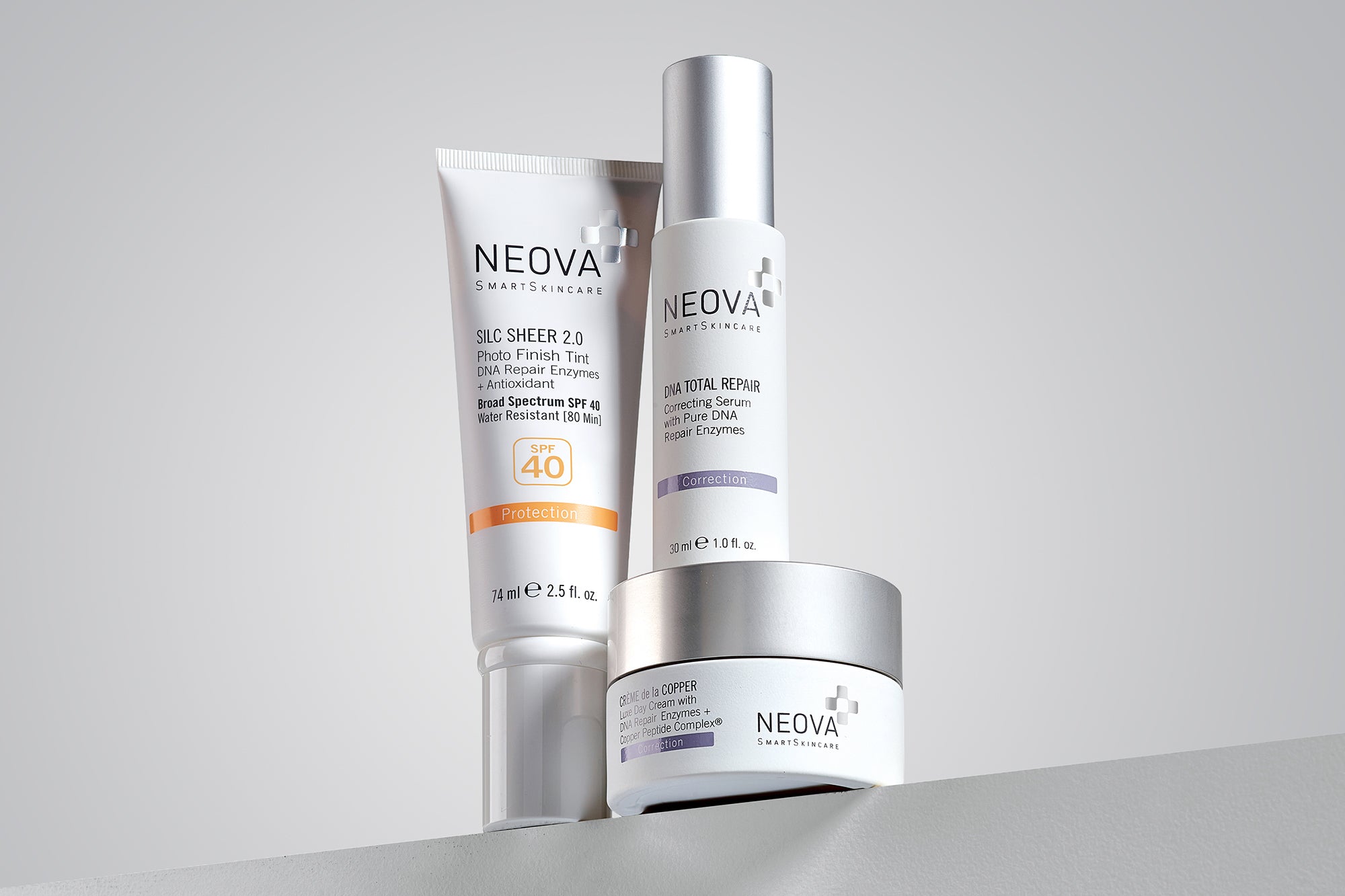
- Daily sunscreen. LED doesn't replace SPF. Ever. Your daily Everyday Facial Fluid SPF 44 or Silc Sheer 2.0 SPF 40 still has to show up.
Where to pump the brakes:
-
Using an LED device on top of active irritation (peeling, stinging, a compromised barrier) is not the moment to push for more.
-
Some ingredients and medications can make skin more light-sensitive. If you use prescription topicals or oral medications, check with your provider and your device's instructions before building LED into your routine.
- Follow the device manufacturer's timing. Longer sessions are not better sessions.

Laser Treatments and Your Skincare Routine: Powerful, Precise, Not a DIY Project
Lasers are a category, not a single treatment. A gentle non-ablative session and a fully ablative resurfacing procedure are very different experiences with very different recovery needs. That's why one-size-fits-all advice falls flat.
- Before your appointment: Your provider will give you specific instructions, and they win every time. Many will ask you to pause certain actives (like retinoids and exfoliating acids) ahead of treatment, and to avoid tanning and sun exposure. Arriving with calm, healthy, unburned skin is one of the best ways to set yourself up for a smoother recovery.
- Right after: Your skin is more vulnerable. This is a time for gentle cleansing, hydration, barrier support and strict sun protection, not experimenting.
- Weeks after: Actives come back gradually, as your provider clears you, not all at once on day three because you feel fine.
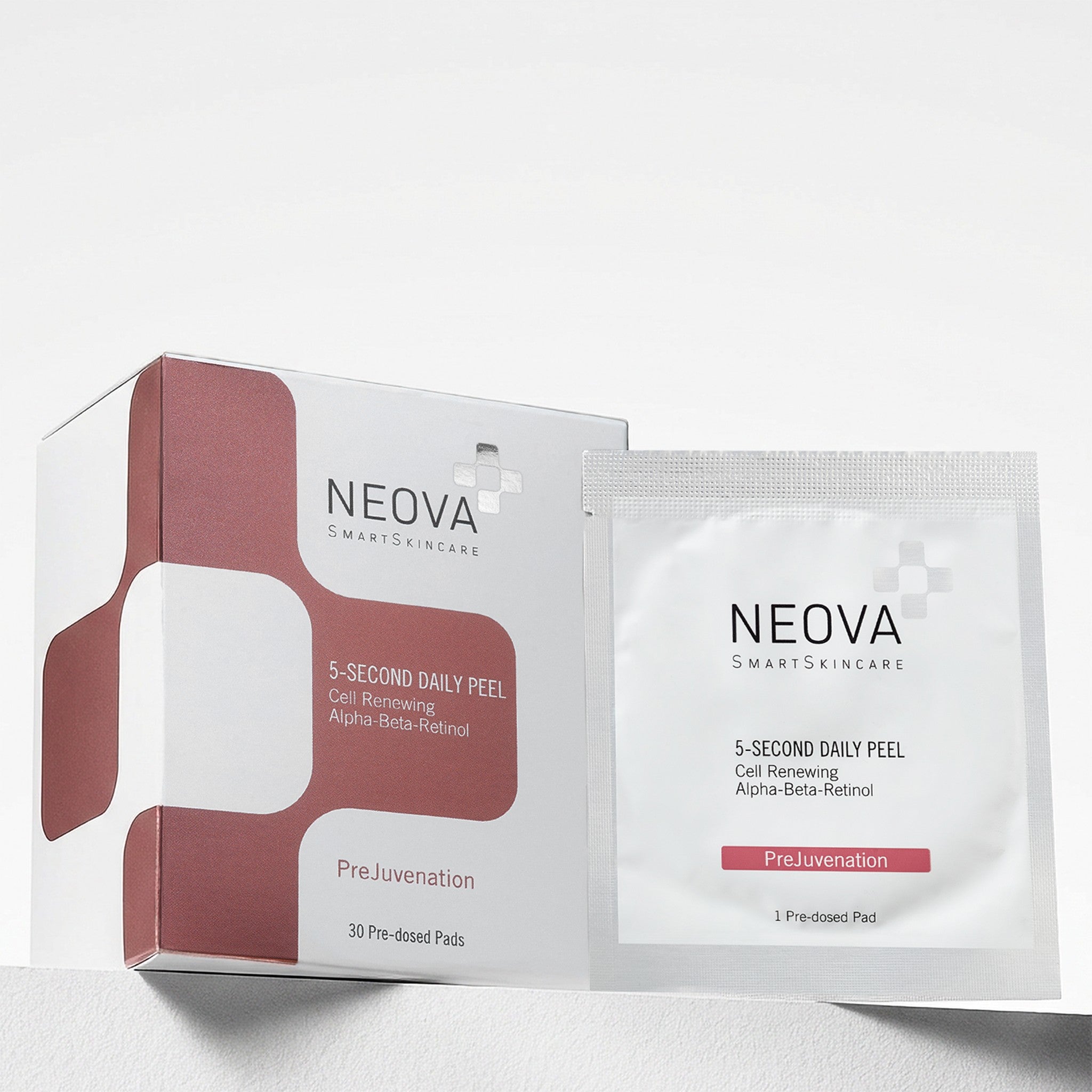
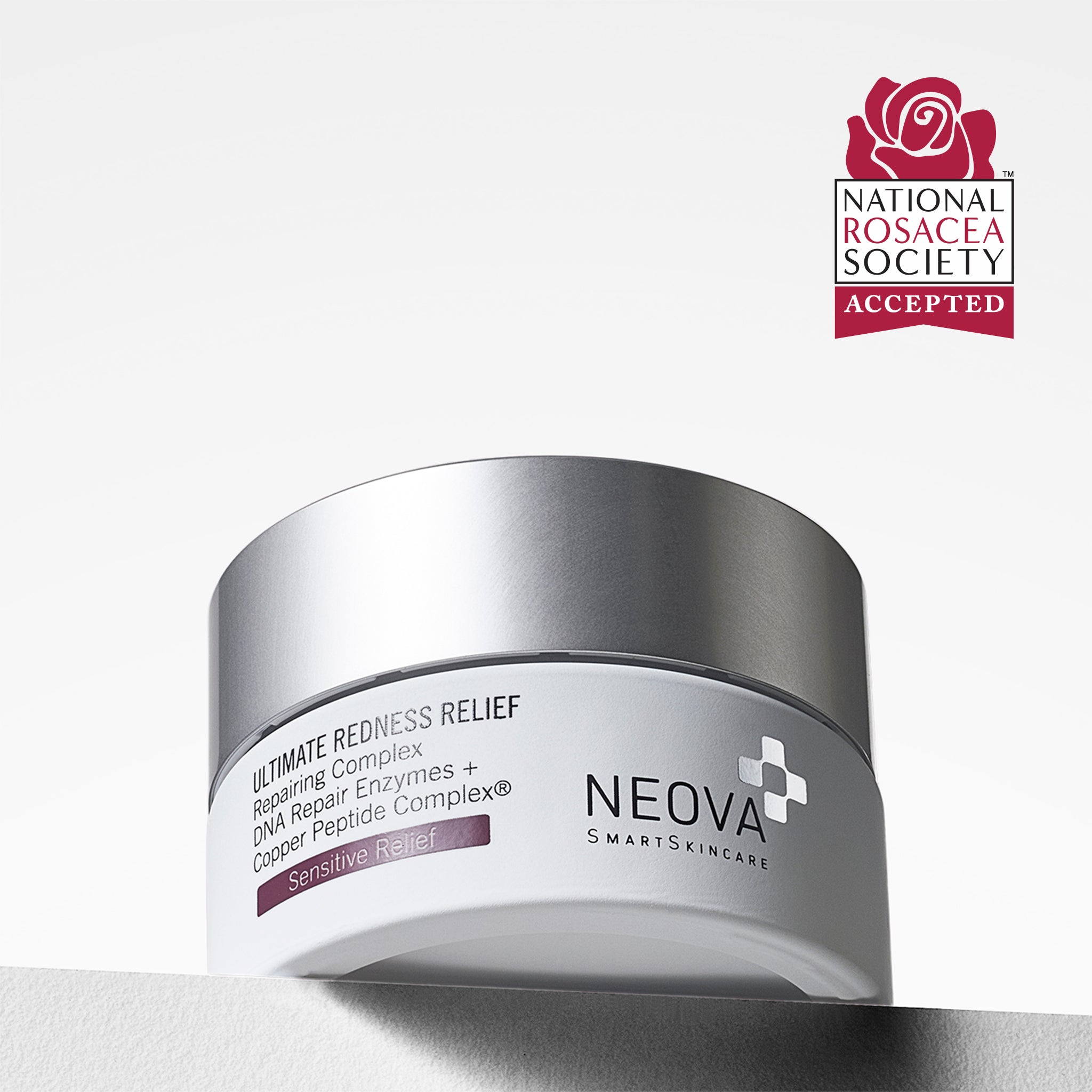
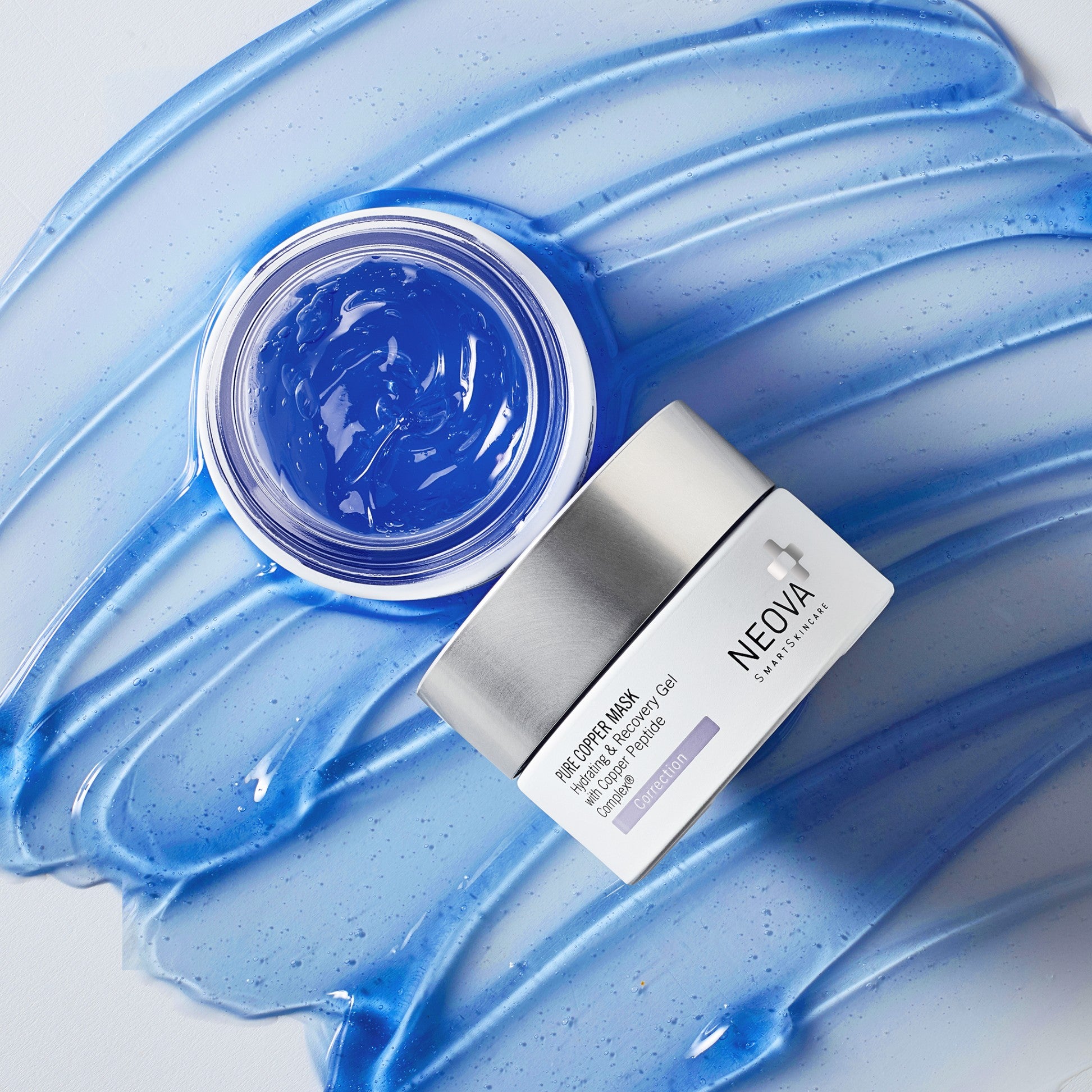
At NEOVA, our protocols follow the type of laser. After ablative treatments, the focus is on a calming, restorative approach with the Pure Copper Mask followed by the Post-Ablative Recovery System. After non-ablative treatments, the Non-Ablative Recovery System is designed to support skin in the days that follow, with options like the 5-Second Daily Peel for acne concerns or Ultimate Redness Relief for vascular concerns. Skincare supports your recovery. It doesn't replace your provider's aftercare instructions, and it can't speed up healing on its own.

Skincare for Different Laser Types
| Skincare for Different Laser Types: A Cheat Sheet | |||
|---|---|---|---|
| Laser type | What recovery can look like | Skincare focus | NEOVA option |
| Non-ablative | Redness, warmth and swelling; often around a week | Gentle cleansing, hydration, sun protection, then a gradual return to actives |
Non-Ablative Recovery System
|
| Ablative (including CO2) | Peeling, crusting or raw skin possible; wound care for about two weeks | Follow your provider's wound-care plan, with no unapproved actives |
Pure Copper Mask and Post-Ablative Recovery System
|


Wondering when actives can come back? The American Society of Plastic Surgeons notes that patients may be able to resume retinoid and glycolic acid products around six weeks after laser resurfacing, or as directed by a physician.¹ It's not a universal timeline, so ask your provider for your own restart date.
For the full before-and-after breakdown, read our guide to skincare before and after laser treatment, and browse our post-procedure care collection.
Where Clinical Skincare Fits: The Long Game

Why Stacking LED, Lasers and Skincare All at Once Backfires
- Irritation and a damaged barrier. Redness, tightness, burning with products that used to feel fine.
- Prolonged recovery. More inflammation means skin takes longer to settle.
- Pigment risk. Irritated skin, especially deeper skin tones, can respond with unwanted dark marks.
- No clear cause and effect. If you changed five things in one week, you can't tell what helped and what hurt.

A Smarter Way to Approach Your Skincare
Here's a simple framework you can adapt (and run past your provider):
- Start with the basics. Cleanser, antioxidant, moisturizer, daily SPF. Get that consistent first.
- Add one thing at a time. One new device, one new active, one new treatment. Give it a few weeks before adding another.
- Plan around procedures. Put your appointment dates on the calendar and work backward and forward. Lighten your routine before, and rebuild slowly after.
- Pause devices and actives when your skin says so. Stinging, peeling and persistent redness are your cue to simplify, not push through.
- Let your provider be the tiebreaker. If you're unsure whether something is safe with your treatment plan, ask before you apply or plug in.

Frequently Asked Questions
Can I use LED light therapy and retinol in the same routine?
Many people do, but it depends on your skin's tolerance, your device and your provider's guidance. If your skin is dry, stinging or peeling, scale back before adding anything else.
How long after a laser treatment can I use an LED mask?
There is no universal answer. How long you need to wait after a laser treatment before you use an LED mask depends on the type of laser, how your skin is healing and your provider's instructions. Ask at your appointment, and don't assume that "gentle" means "okay right away."
Can I stack a laser treatment and a chemical peel in the same week?
Typically not without professional guidance. Combining multiple resurfacing treatments or exfoliants close together raises the risk of irritation and prolonged recovery. Your provider can map out safe spacing.
Do I still need sunscreen if I use LED or get laser treatments?
Yes. Daily broad-spectrum sunscreen is essential, and especially important after procedures when skin is more vulnerable.

Does skincare actually make my laser results better?
Skincare, especially clinical skincare, can help set up and support healthy skin before and after treatment, and consistent sun protection helps protect your results. But skincare supports your treatment. It doesn't replace your provider's aftercare plan.
Are there side effects to at-home LED masks?
Most people tolerate them well, but some notice temporary redness, dryness or irritation, especially with sensitive skin or certain medications. Follow the manufacturer's directions, stop if your skin reacts, and check with your provider if you're unsure.
Can I use vitamin C after a laser treatment?
Usually not right away. Skincare with antioxidants, such as the C 20+ serum, are typically reintroduced once your skin has recovered and tolerates them without stinging, and only when your provider says it's okay.

Finding the Right Balance Between Treatments and Daily Care
Healthy skin isn't built by doing everything at once. It comes from understanding what your skin needs, choosing the right combination of treatments and products, and giving each step time to work.
At-home LED devices can complement professional treatments, while a consistent clinical skincare routine helps maintain hydration, support the skin barrier and address visible signs of aging over time.
Just as important is knowing when to scale back, particularly around procedures when skin needs time to recover. A thoughtful approach allows each part of your routine to serve a purpose without overwhelming your skin.
Building your own routine? Explore NEOVA's post-procedure care collection or find a NEOVA provider near you for expert guidance on your skincare needs.
Sources
-
American Society of Plastic Surgeons. Laser skin resurfacing recovery. https://www.plasticsurgery.org/cosmetic-procedures/laser-skin-resurfacing/recovery.
-
Lee KWA, Chan LKW, Song JK, Lee CH, Kim JH, Yi KH. Importance of Using Sunscreen After Light or Laser Facial Treatment: A Literature Review. Life (Basel). 2025;15(9):1484. https://pmc.ncbi.nlm.nih.gov/articles/PMC12471997/.
This article is for educational purposes and is not medical advice. Always follow your dermatologist's or treating provider's instructions for your specific procedure.