Article: The “Retinol Burn” Era Is Over: Use Retinol Without Wrecking Your Barrier
The “Retinol Burn” Era Is Over: Use Retinol Without Wrecking Your Barrier
Let’s retire a skincare myth: if it stings, it’s working.
It isn’t. Stinging, peeling, and tightness are your skin telling you it’s overwhelmed, and an overwhelmed barrier does not produce better results. It produces a longer detour.
At NEOVA, we build science-backed skincare around a simple idea: renewal and recovery are a team. Powerful resurfacing ingredients like retinol work best when your skin is also equipped to repair itself. Skip the recovery half and you end up in the cycle we see all the time: aggressive treatment, irritation, panic, a stripped-down routine, then straight back to aggressive treatment.
This guide is about breaking that cycle, especially now, when fall air is drying skin out and “barrier-first” is the way to approach any active.

Why Skin Needs Renewal and Recovery
Retinol is one of the most trusted ingredients in skincare because it encourages skin to renew itself, helping refine texture, smooth the look of fine lines, and improve clarity over time. It’s also an ingredient your skin has to adjust to, so be sure to introduce it slowly into your routine to avoid irritation if you haven’t yet built up tolerance.
The thing doing the adjusting is your skin barrier, the outermost layer that keeps moisture in and irritants out. Think of it as a “brick and mortar” structure, with skin cells as the bricks and lipids like ceramides, cholesterol and fatty acids as the mortar. Over-exfoliating, harsh cleansing, and skipping moisturizer are among the habits that can break it down.
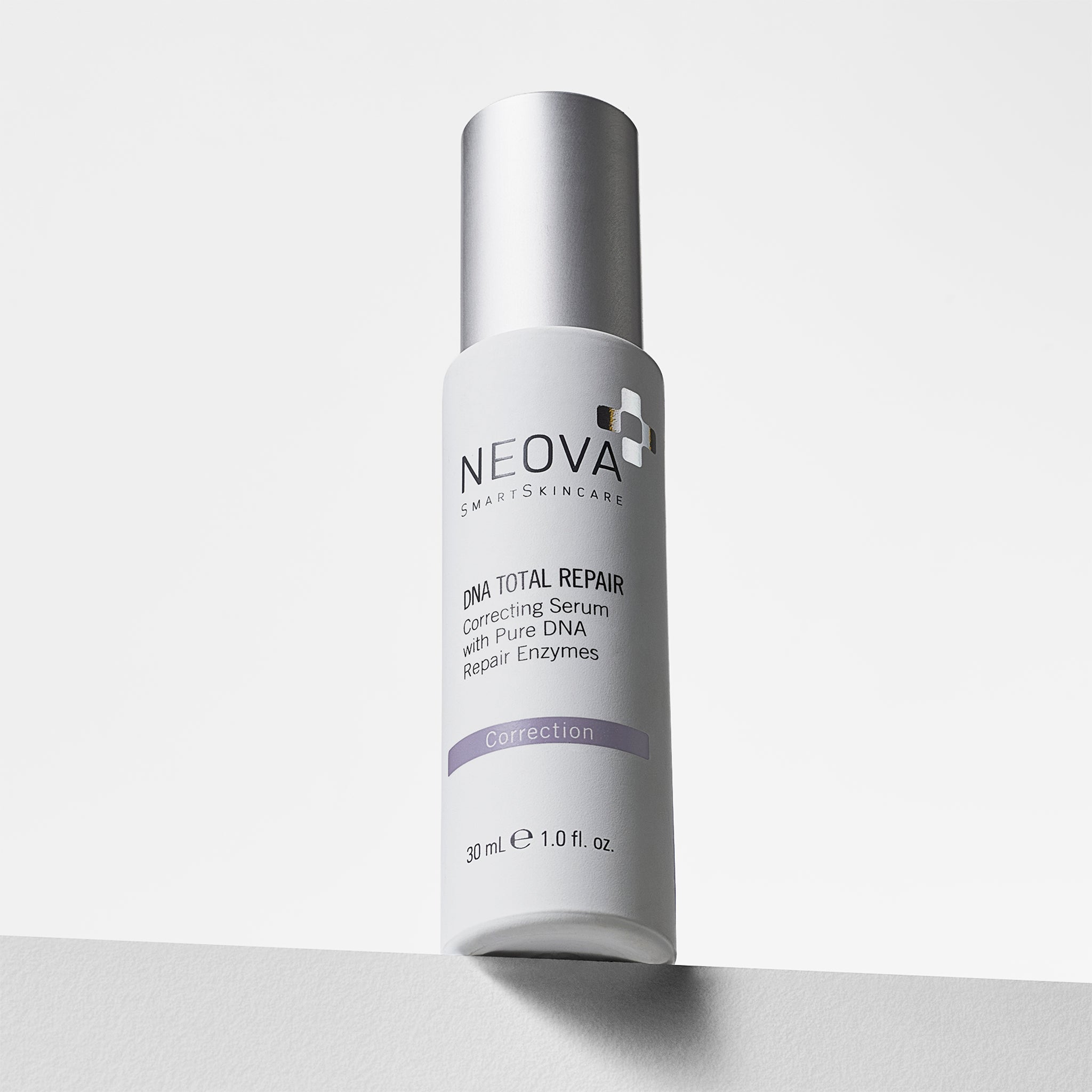
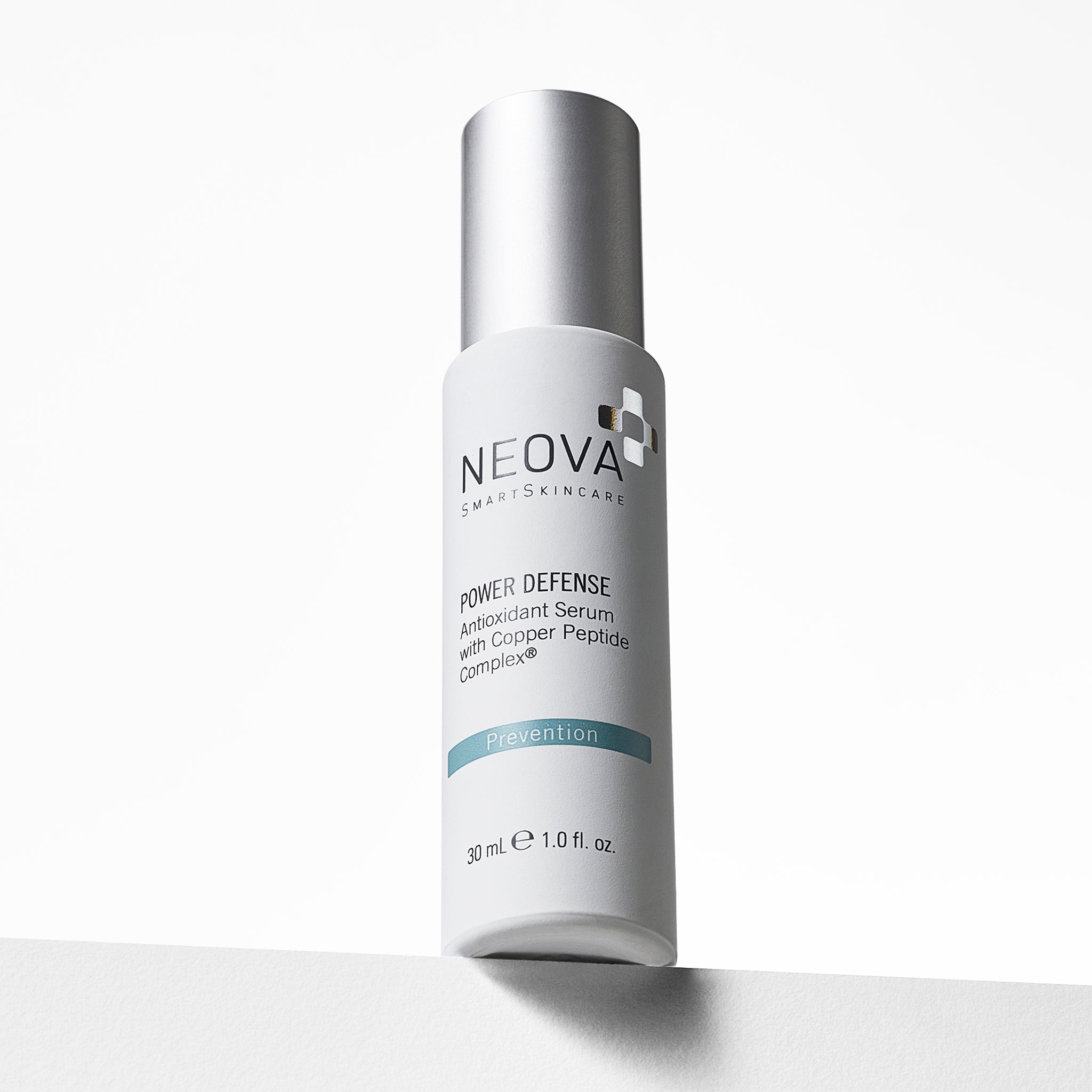
That’s why our formulas are designed to do both jobs. Our alpha-beta-retinol products handle renewal. Our DNA repair enzymes and Copper Peptide Complex® support your skin’s natural recovery. You can read more about the thinking behind that pairing on Our Science.

8 Signs You’ve Overdone It
A little adjustment when you start a retinol is normal. These signs mean it’s time to ease up:
- Dry, flaky, or scaly patches
- Stinging when you apply products that used to feel fine
- Tenderness or sensitivity to the touch
- Itchiness
- Rough, uneven texture
- Persistent redness or visible inflammation
- Unexpected breakouts
- A tight, “shrink-wrapped” feeling after cleansing
If you have a deeper skin tone, pay extra attention. Sonia Badreshia-Bansal, MD, FAAD, a board-certified dermatologist, notes to the AAD that in skin of color, irritation can trigger dark marks known as hyperpigmentation. Over-treating a dark spot can leave you with a darker one.1
Our rule of thumb: Some dryness or mild peeling can occur in the first one to two weeks as your skin adjusts to retinol. Persistent stinging, burning, redness, or tenderness is a reason to pause treatment rather than push through.

The NEOVA Reset: A Skin Barrier Recovery Plan
Think of this as a short pause, not a defeat.
- Pause the resurfacing steps. Set aside retinol, peels, and exfoliating acids until your skin feels calm again. Active ingredients aren’t going anywhere.
- Strip your routine to three steps. Gentle cleanse, moisturize, protect. Use lukewarm water, and keep cleansing quick. Reach for a mild option from our cleanser collection.
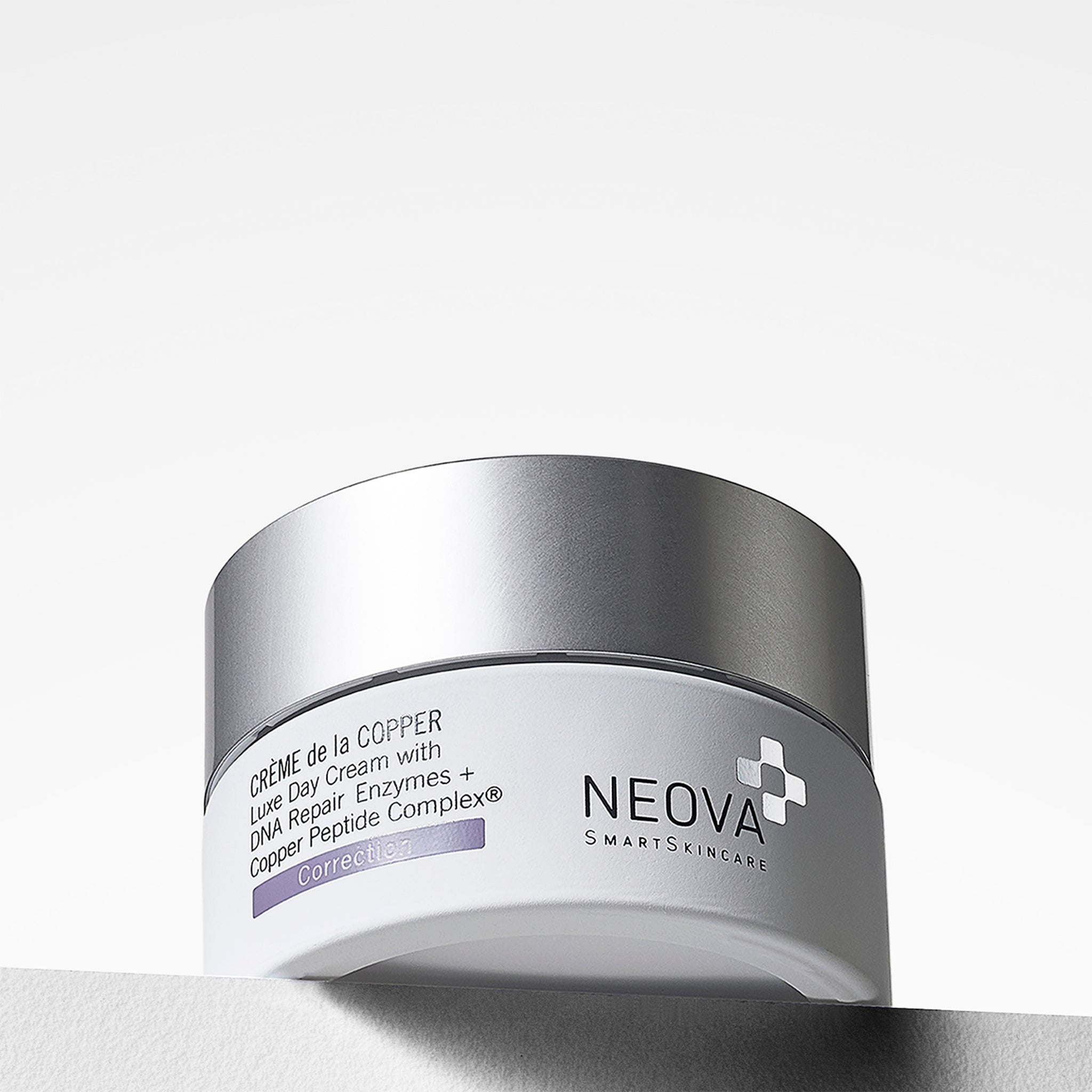
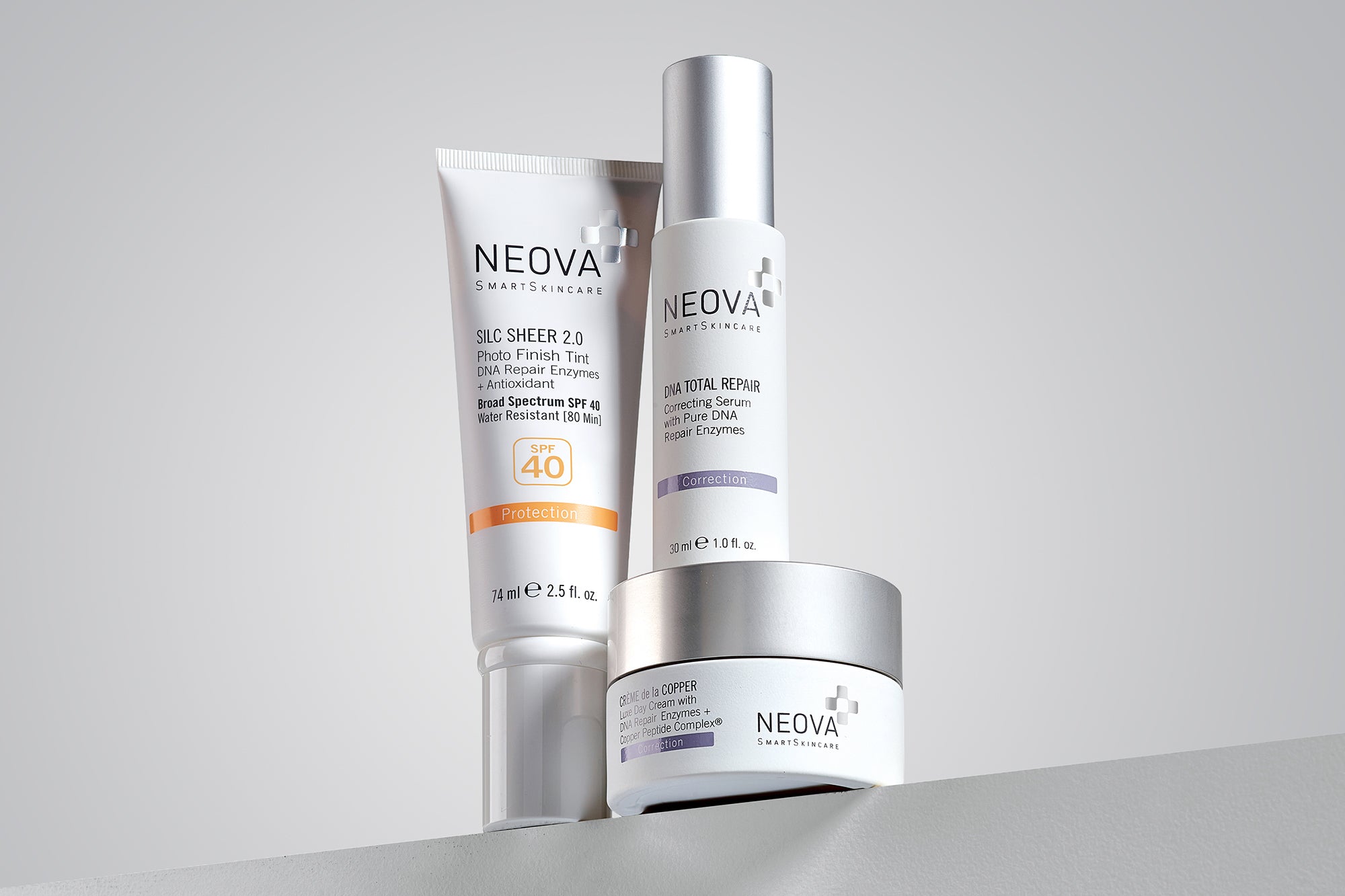
- Rebuild with barrier-supporting ingredients. Look to ceramide-based formulas and hyaluronic acid for hydration. For copper-peptide recovery, Crème de la Copper combines DNA repair enzymes with Copper Peptide Complex® in a rich day cream.
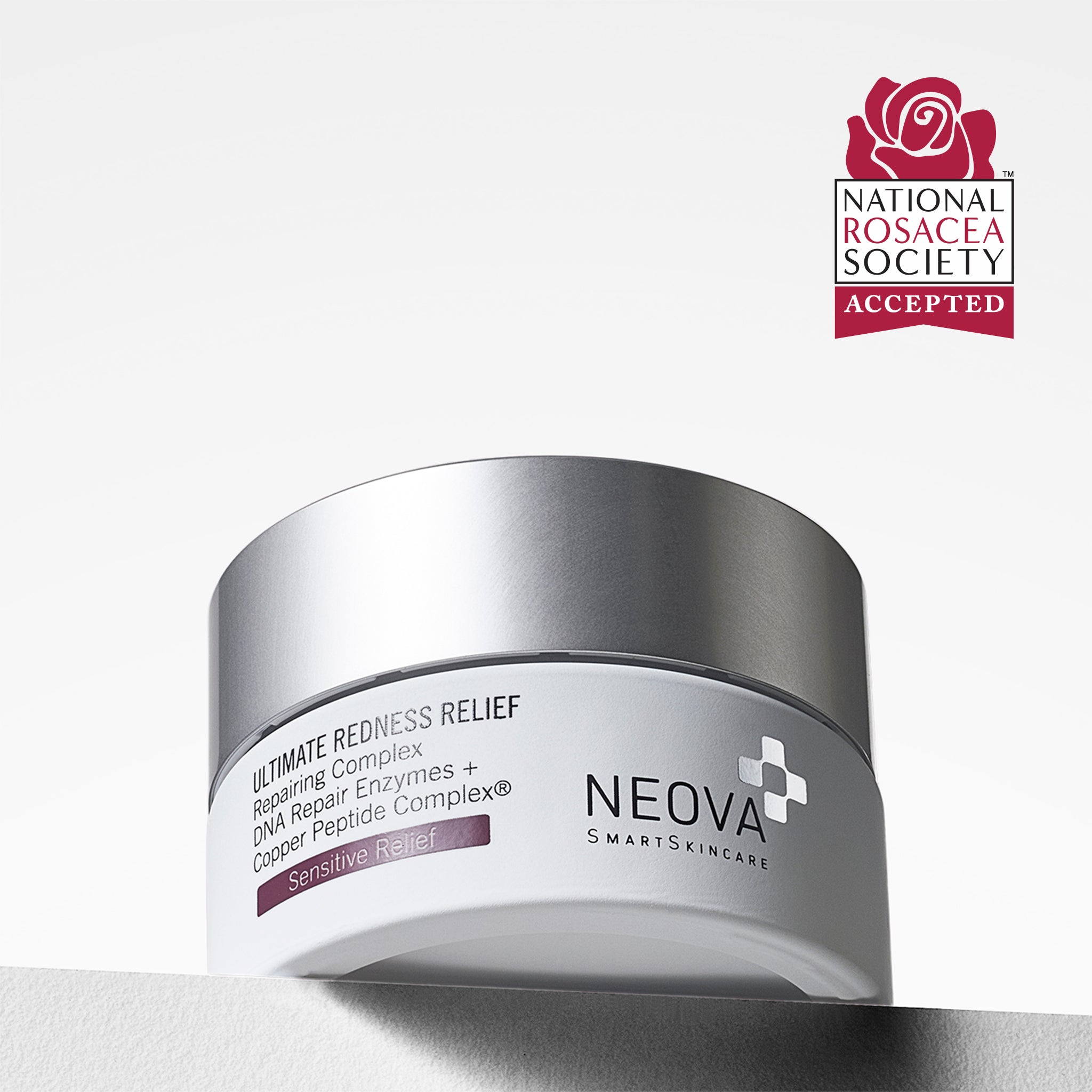
- Calm visible redness. Ultimate Redness Relief is formulated for sensitive, easily flushed skin and pairs DNA repair enzymes with Copper Peptide Complex®. Our redness and sensitive skin collection has more options.
- Protect, every single morning. Irritated skin needs sunscreen more than ever. Silc Sheer 2.0 (SPF 40) is a tinted option with antioxidants and corrective DNA repair enzymes that’s easy to wear daily.
- Be patient. Barrier repair is a process of weeks, not days. It can take three to four or more months of gentle, consistent care to see the benefits. If you have a condition like eczema or rosacea, or irritation that doesn’t improve, see a dermatologist. Our Physician Locator can help you find a provider.

How to Use Retinol Without the Burn
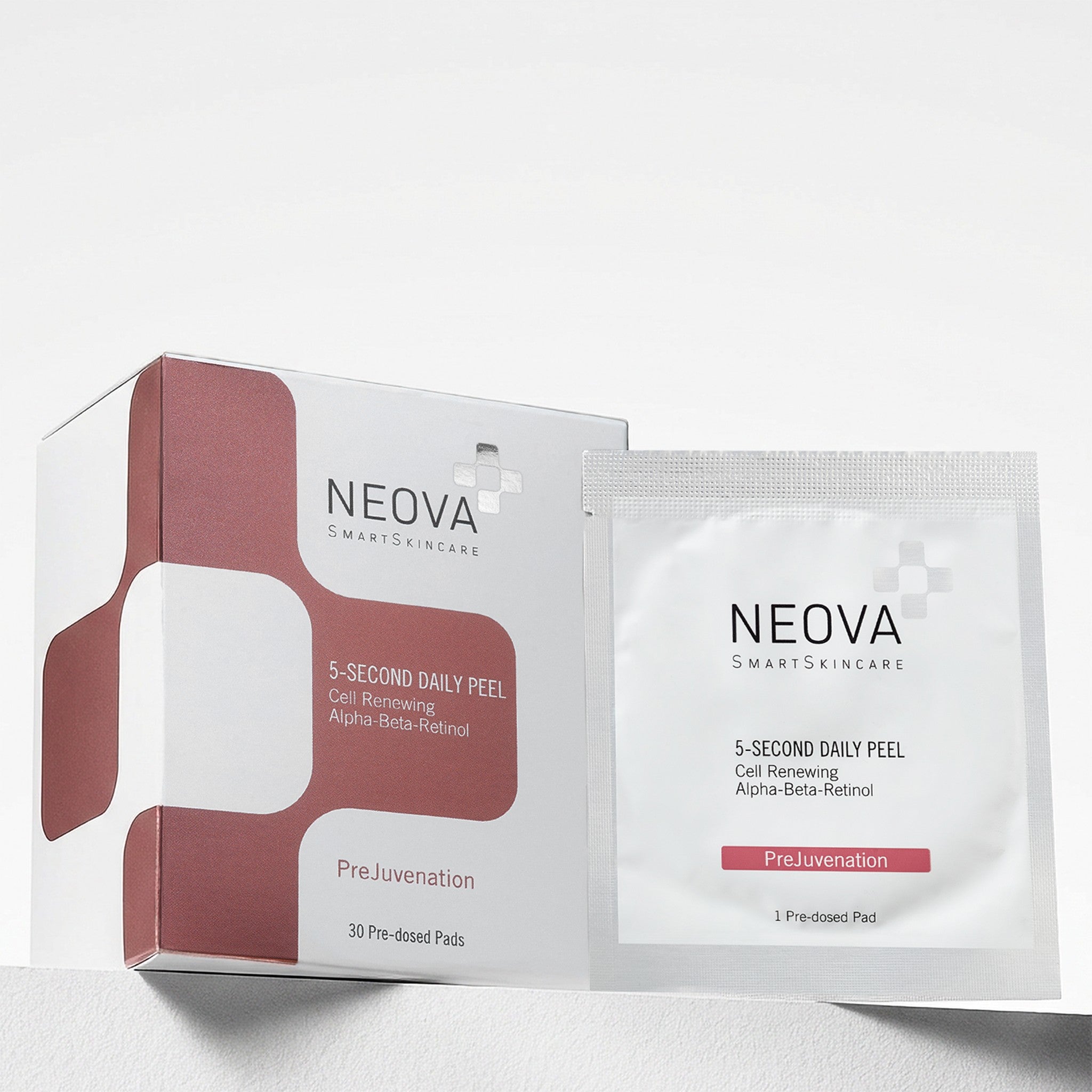
- 5-Second Daily Peel: a quick pre-dosed pad with cell-renewing alpha-beta-retinol, a good fit if you like a simple, repeatable step.
- Overnight Repair: a cream-format cell regenerator with alpha-beta-retinol, a natural choice if you want moisture and renewal in one step.
- Cell Renewal: a lightweight alpha-beta-retinol serum.
- Dual Matrix: retinol plus DNA repair enzymes in one serum.
- Intensive Retinol Spray: a lightweight spray-format retinol treatment for targeted application and easy integration into your evening routine.

Not sure which one is right for you? Our Skin Quiz will point you in the right direction in under two minutes.
A Sustainable Weekly Rhythm
Here’s a sample week to replace the boom-and-bust cycle. Adjust it to how your skin responds.
|
Night |
Focus |
What it Looks Like |
|
Monday |
Renewal |
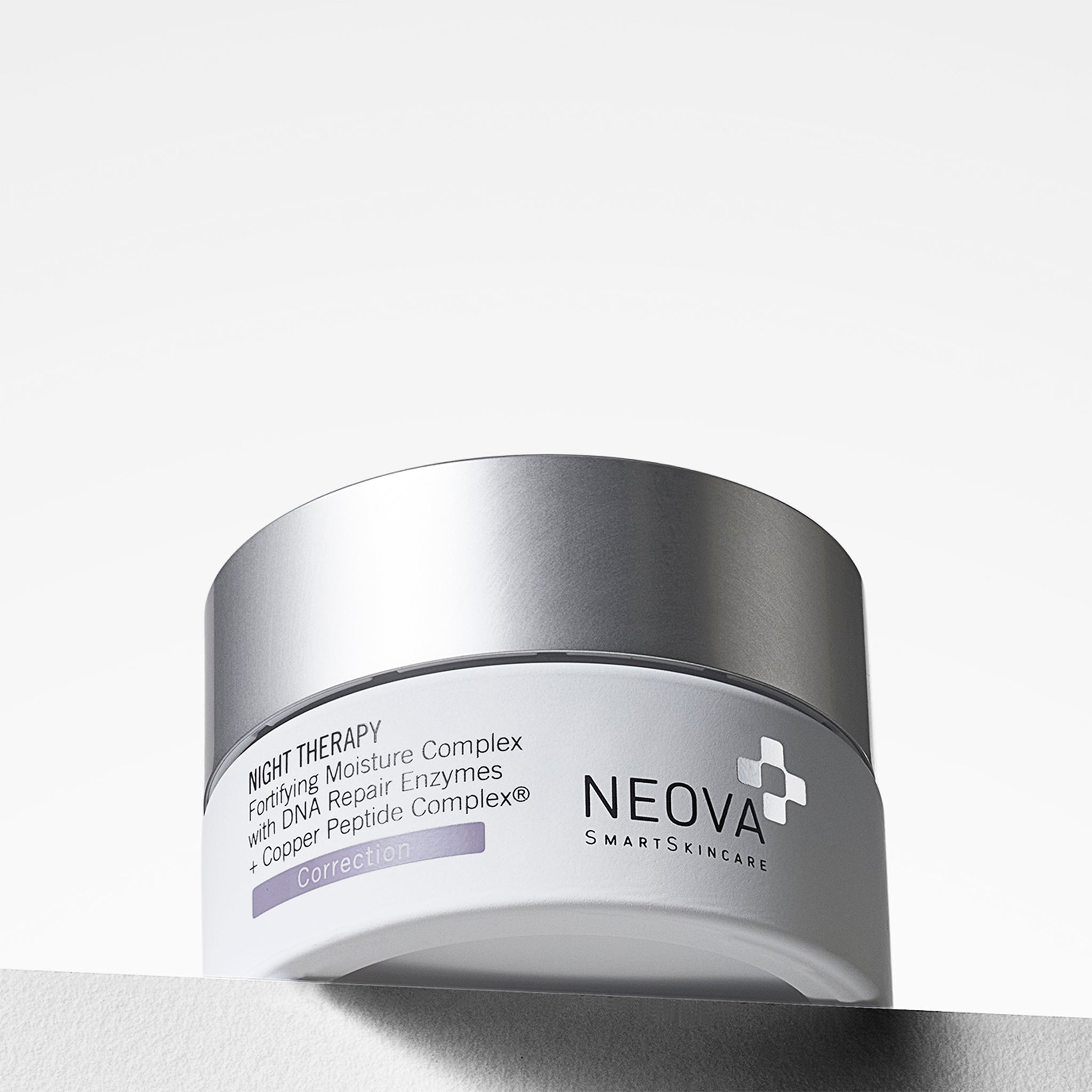
Cu3 Gentle Cleanser → Intensive Retinol Spray → Night Therapy |
|
Tuesday |
Recovery |
|
|
Wednesday |
Recovery |
|
|
Thursday |
Recovery |
|
|
Friday |
Renewal |
|
|
Saturday |
Recovery |
|
|
Sunday |
Rest |

FAQs about Retinol and Your Skin Barrier
How do I know if I’m purging or irritated?
Purging typically shows up as breakouts in your usual trouble spots as cell turnover speeds up. Irritation looks like stinging, redness, flaking, or tightness. If your skin is visibly inflamed or uncomfortable, treat it as irritation and scale back.
Can I use retinol if I have sensitive skin?
Often, yes, with a gentler approach: lower frequency, the sandwich method, and plenty of barrier-supporting moisture. If you have eczema, rosacea, or another chronic skin condition, check with a dermatologist first.

What should you do if retinol burns your skin?
Stop using retinol and other potentially irritating active ingredients. Use a gentle cleanser, a soothing moisturizer, and broad-spectrum sunscreen while your skin settles. Avoid exfoliating or trying additional treatments to counteract the irritation. Seek medical advice if symptoms are severe, blistering, swollen, or persistent.
How long does it take to repair a damaged skin barrier?
Recovery time varies with the severity of irritation and its underlying cause. Mild irritation may settle after stopping the triggering products and simplifying your routine, while more persistent symptoms may take longer and warrant medical evaluation. Resume retinol use only when your skin has settled.

Can You Use Retinol During Pregnancy?
We recommend avoiding retinoids, including topical retinol, during pregnancy as a precaution. If you're pregnant, planning to become pregnant, or unsure which ingredients are appropriate, consult your healthcare professional about suitable alternatives. You can focus on gentle cleansing, moisturizing, and daily broad-spectrum sun protection to support your skin during this time.
Can I use retinol and exfoliating acids on the same night?
NEOVA's Alpha-Beta-Retinol formulas already combine retinol and exfoliating acids in one step. Avoid layering additional retinol or exfoliating products in the same routine to help minimize irritation. If using separate treatments, alternate nights.

Make Retinol Work for Your Skin
The best retinol routine isn’t the most intense one. It’s the one you can keep up for months, because results from renewal come from consistency, and consistency needs a barrier that isn’t in tatters.
Skip the burn, build the rhythm, and let your skin do what it does best when it’s supported: renew and repair, steadily.
Ready to build a routine your skin will thank you for?
Take the NEOVA Skin Quiz for personalized recommendations, or shop Retinol Skincare to find your starting point.
This article is for educational purposes and isn’t medical advice. If you have a skin condition or persistent irritation, consult a board-certified dermatologist.
Sources
- American Academy of Dermatology. National Healthy Skin Month: 7 skin care tips from dermatologists. MedEsthetics. Published November 9, 2022. Accessed October 19, 2026. https://www.medestheticsmag.com/news/news/22539142/american-academy-of-dermatology-aad-national-healthy-skin-month-7-skin-care-tips-from-dermatologists.
-
American Academy of Dermatology. Retinoid or retinol? Tips for when to use these skin care powerhouses. Accessed October 19, 2026. https://www.aad.org/public/everyday-care/skin-care-secrets/anti-aging/retinoid-retinol.