Barrier-First Skincare: Why It Matters in Fall
Barrier-first skincare becomes a physiological necessity the moment temperatures drop and humidity falls, because the skin barrier's ability to hold water and block irritants declines measurably as the weather turns.
Dry skin in fall is one of the most common seasonal skin changes people report, and most notice it only after the fact: tightness after cleansing, flaking around the nose, a sudden sting from a serum that felt fine in July. By then, skin barrier damage has already set in.
Understanding why this happens, and building a fall skincare routine that treats barrier integrity as the foundation rather than an afterthought, makes the difference between skin that adapts to the season and skin that spends three months trying to recover.

What "Barrier-First" Actually Means, Physiologically
The skin barrier is the stratum corneum: a layer of corneocytes held together by a lipid matrix of ceramides, cholesterol, and free fatty acids, often described with the "bricks and mortar" model. That lipid mortar has two jobs. It locks water inside the skin, supporting skin hydration, and it keeps environmental aggressors (allergens, pollutants, microbes) out.
A barrier-first approach means every product and every step in a routine is evaluated first by whether it supports the lipid matrix, and only second by whether it delivers a cosmetic benefit like brightening or firmness. Retinoids, vitamin C, and exfoliating acids still have a place. They just get introduced and dosed around barrier tolerance, instead of being layered on regardless of it.
The barrier's baseline function isn't constant year-round. Research on seasonal skin changes has found that transepidermal water loss (TEWL), a measure of water escaping through the skin, can increase during autumn and winter compared with warmer months, reflecting seasonal changes in skin barrier function [1]. The barrier becomes measurably leakier before it looks or feels compromised, which explains why a reactive routine (moisturizing only once flaking starts) is already behind the problem.

How Low Humidity and Indoor Heating Affect Skin
Three separate environmental shifts converge in fall, and each one attacks the barrier through a different mechanism.
Low humidity and skin function. Outdoor humidity drops as temperatures fall, and since the stratum corneum relies on ambient moisture to stay pliable, lower humidity directly increases TEWL. Skin loses water to the air faster than it can replenish it from below, which is a large part of why so many people ask why their skin gets dry in fall specifically, rather than gradually through the year.
Indoor heating and dry skin. Furnaces and forced-air heating systems routinely push indoor relative humidity below 30%, sometimes into the teens, well below the humidity levels of many arid climates [2]. Because people spend more time indoors as it gets colder, cumulative daily exposure to this dry air often exceeds outdoor exposure, making heated indoor environments the more consistent barrier stressor over a given week.
Temperature-driven vasoconstriction. Cold air causes blood vessels near the skin's surface to constrict, reducing microcirculation to the epidermis. This slows the delivery of nutrients and lipids needed for ceramide synthesis at the same time the barrier most needs to reinforce itself. Some dermatology literature also points to reduced sebum production in cooler temperatures, which further thins the skin's surface lipid film, a secondary defense layer distinct from the stratum corneum's internal lipid matrix [3].
The compounding effect is what catches people off guard. Fall doesn't bring one barrier stressor; it brings three, layered on top of each other, each independently raising transepidermal water loss while the skin's own repair machinery runs slower.

Signs of a Damaged Skin Barrier, Before It's Obvious
Visible flaking skin is a late-stage sign of barrier damage. Earlier indicators of a damaged skin barrier include:
-
a tight, "stretched" feeling within an hour of cleansing
-
sudden stinging or redness from products that were previously well tolerated (a sign the barrier is no longer blocking irritant penetration effectively)
-
a dull or uneven texture that persists even after exfoliation
-
increased sensitivity to fragrance or actives that weren't an issue in warmer months.
Sensitive skin in fall is often the result of this pattern rather than a separate skin type showing up seasonally. Most routines misread this last point. People often add more actives, richer retinoids, stronger acids, to fight the dullness, when the underlying cause is barrier disruption that those same actives can make worse. A barrier-first lens changes the diagnostic question from "what active does my skin need?" to "can my barrier currently tolerate what I'm already using?”.
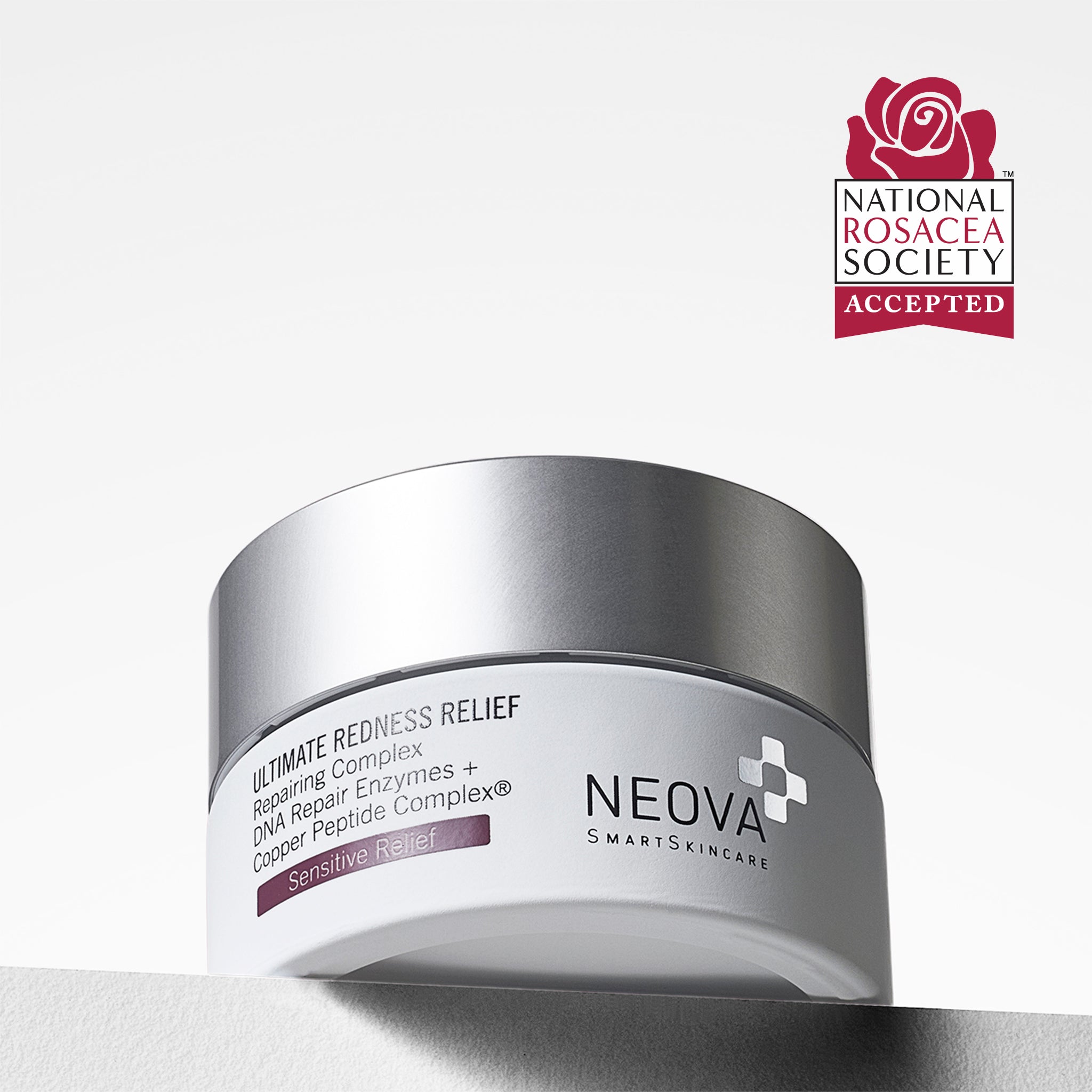
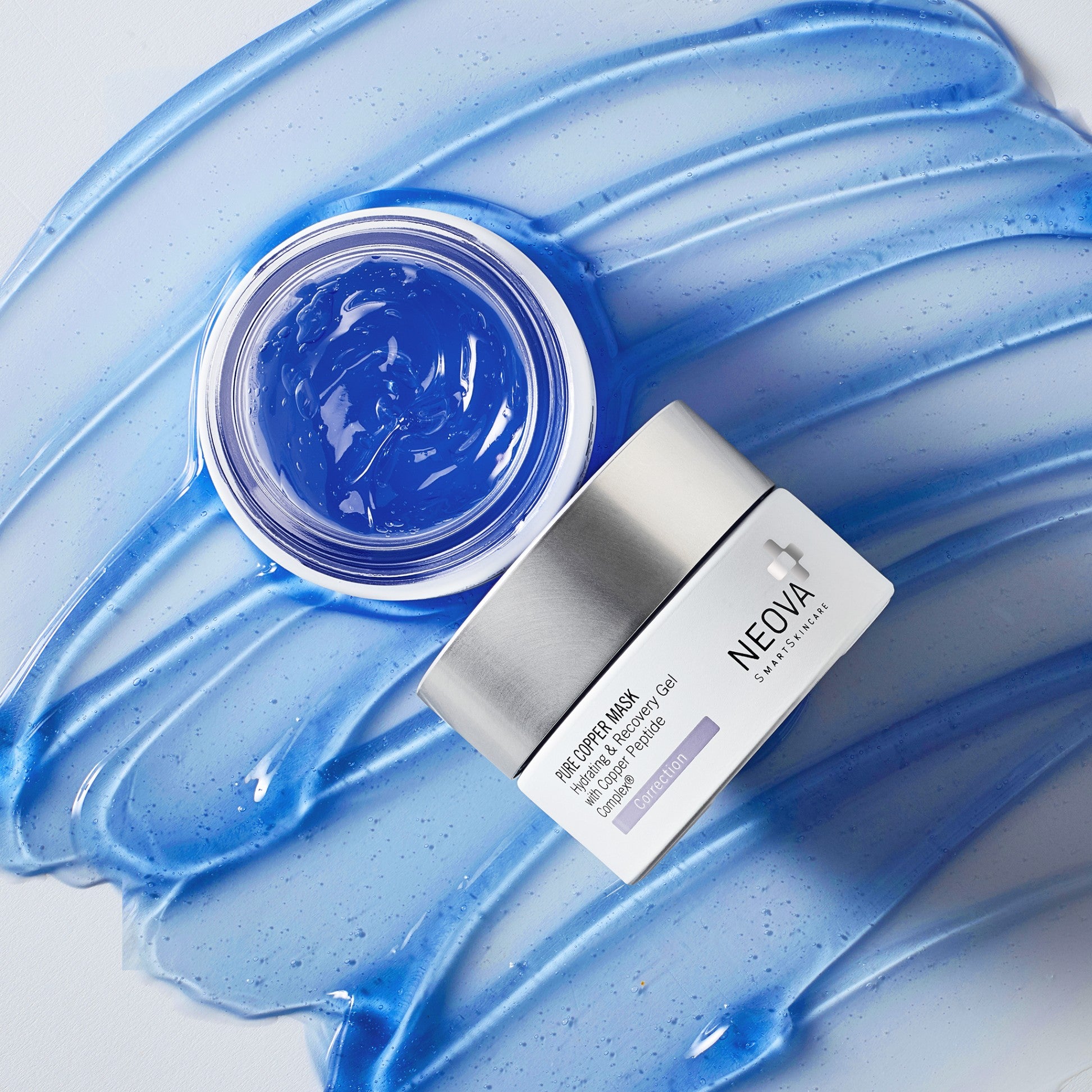
For dry, sensitive skin already showing redness, stinging, or visible reactivity, a recovery-focused step can help before reintroducing actives. NEOVA Cu3 Tissue Repair is formulated around copper peptides for skin in an actively reactive state, and its Cu3 Recovery Lotion offers a lighter option for skin that needs calming without the weight of a heavier cream.

Building a Fall Skincare Routine Around Barrier Repair
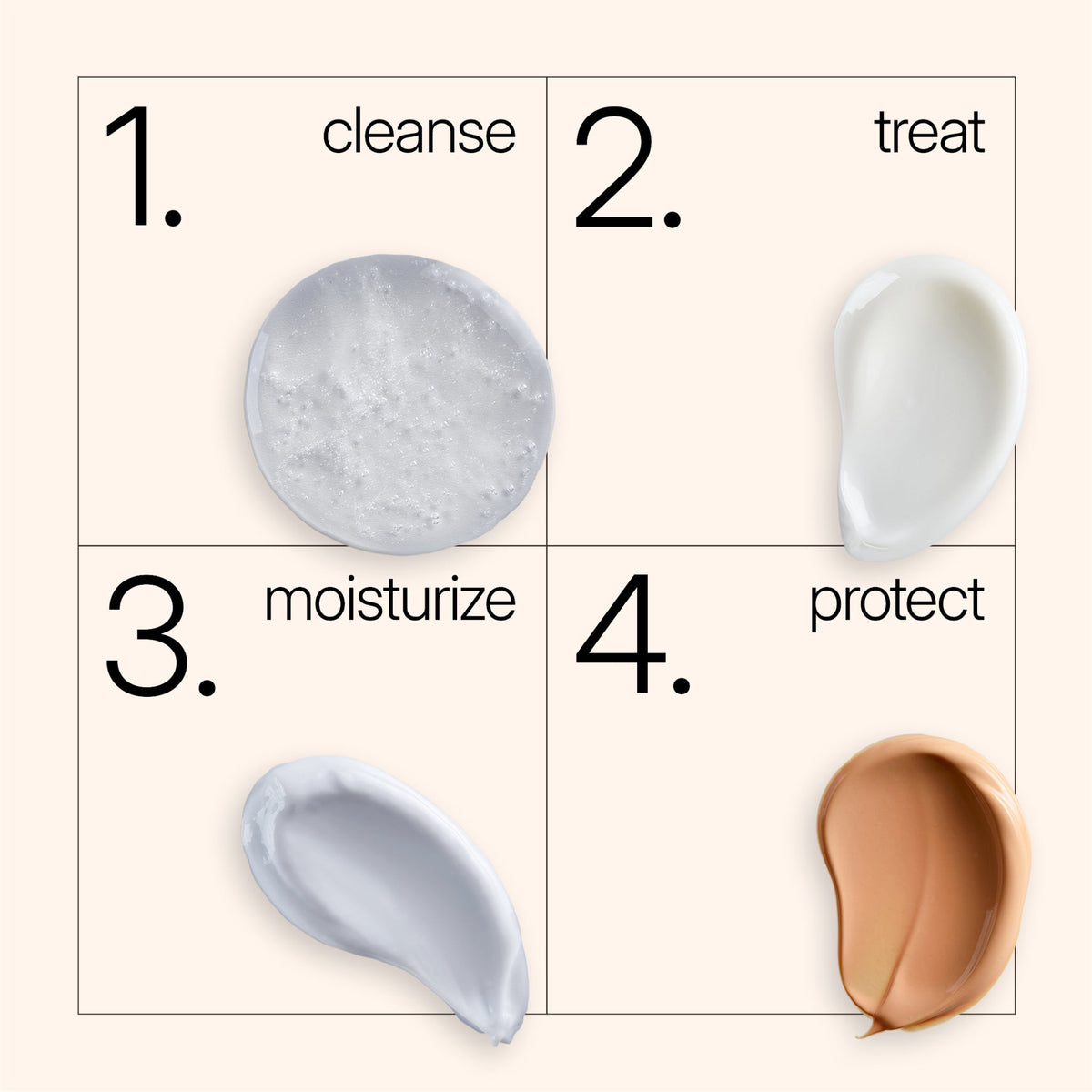
A barrier-supportive fall skincare routine doesn't require more steps. It requires different sequencing and formulation choices within the steps already in place.
Cleansing. A gentle cleanser for dry skin, ideally a cream or gel formula instead of anything foaming or sulfate-based, protects surface lipids during the step most likely to strip them. Overwashing in fall is one of the most common self-inflicted causes of skin barrier damage, since hot water combined with stripping surfactants removes the lipid film skin needs to retain moisture through the day.
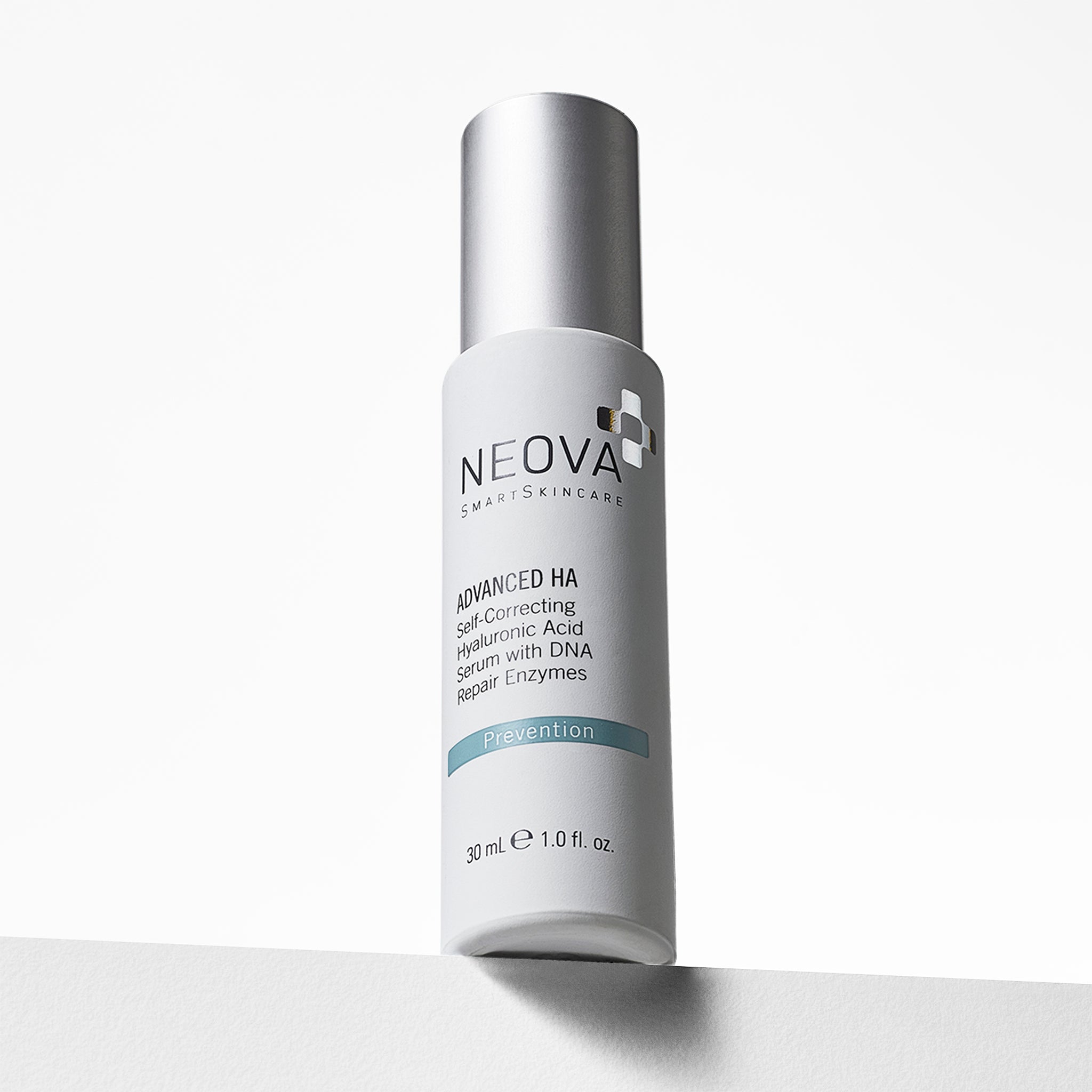
Hydration and barrier repair. This step deserves the most attention in a fall routine. A barrier repair moisturizer built around ceramides (ideally a blend mimicking the skin's natural ratio), hyaluronic acid for water-binding, and antioxidants helps offset the oxidative stress that cooler weather and continued UV exposure still cause. NEOVA Advanced HA pairs low-molecular-weight hyaluronic acid with a ceramide blend to restore skin hydration while reinforcing the lipid matrix, rather than sitting on top of it.

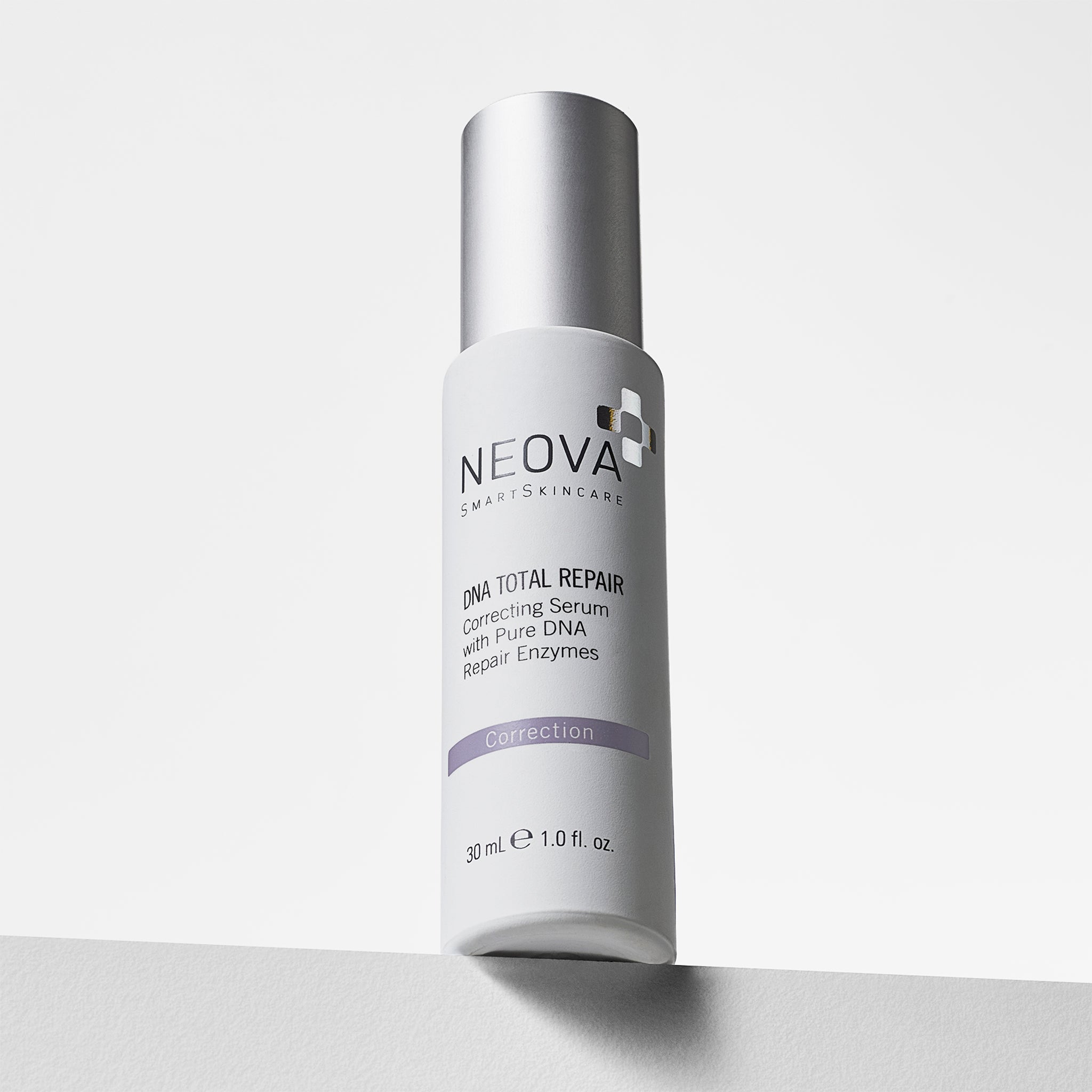
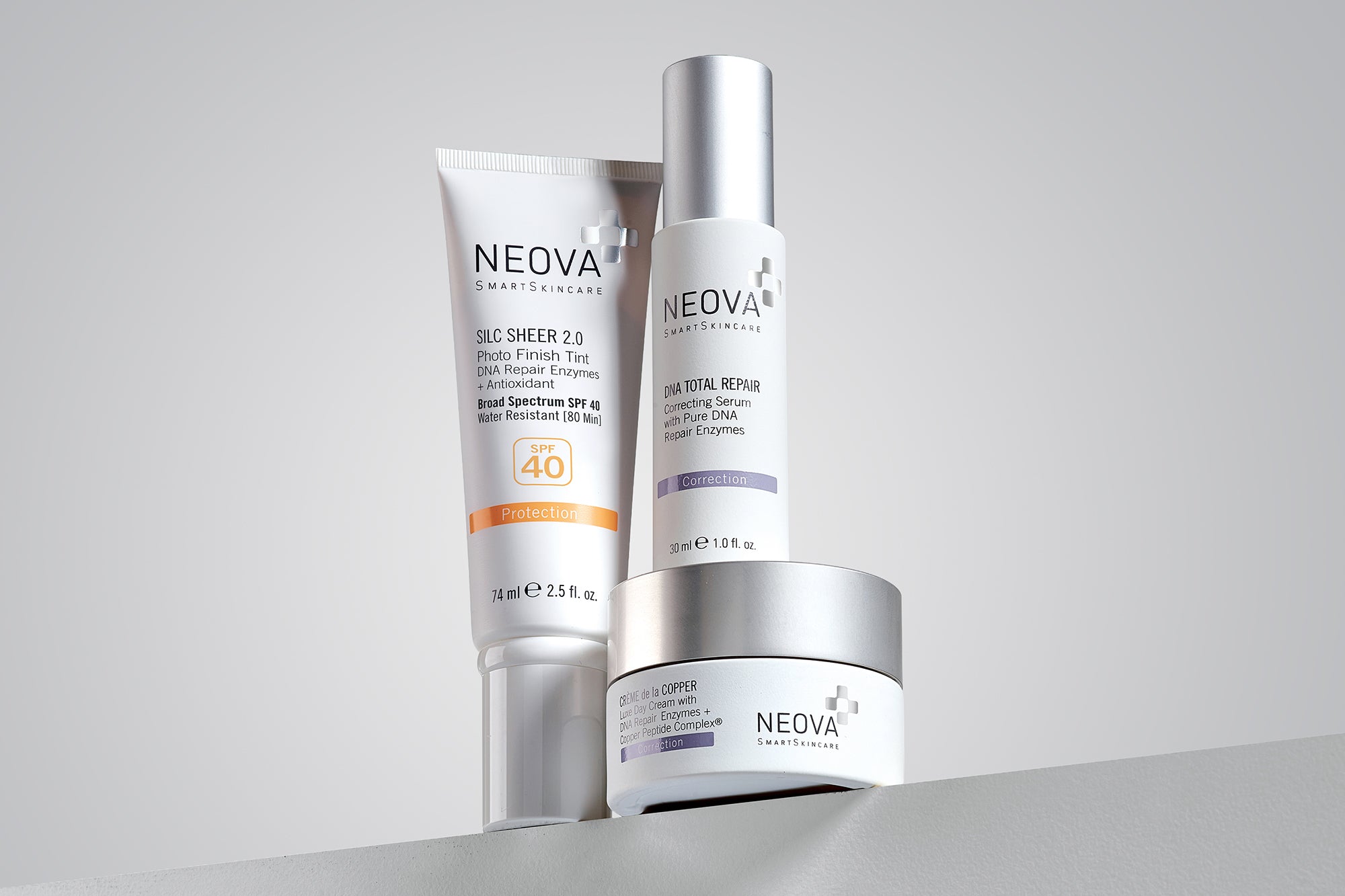
Correction alongside repair. For skin managing both barrier stress and visible signs of past sun damage, a formula that addresses both at once is more efficient than layering separate products for each concern. NEOVA’s DNA Total Repair combines DNA repair enzymes with barrier-supporting ingredients, like Evodia Rutaecarpa, making it a reasonable addition for skin that needs correction without sacrificing barrier tolerance.
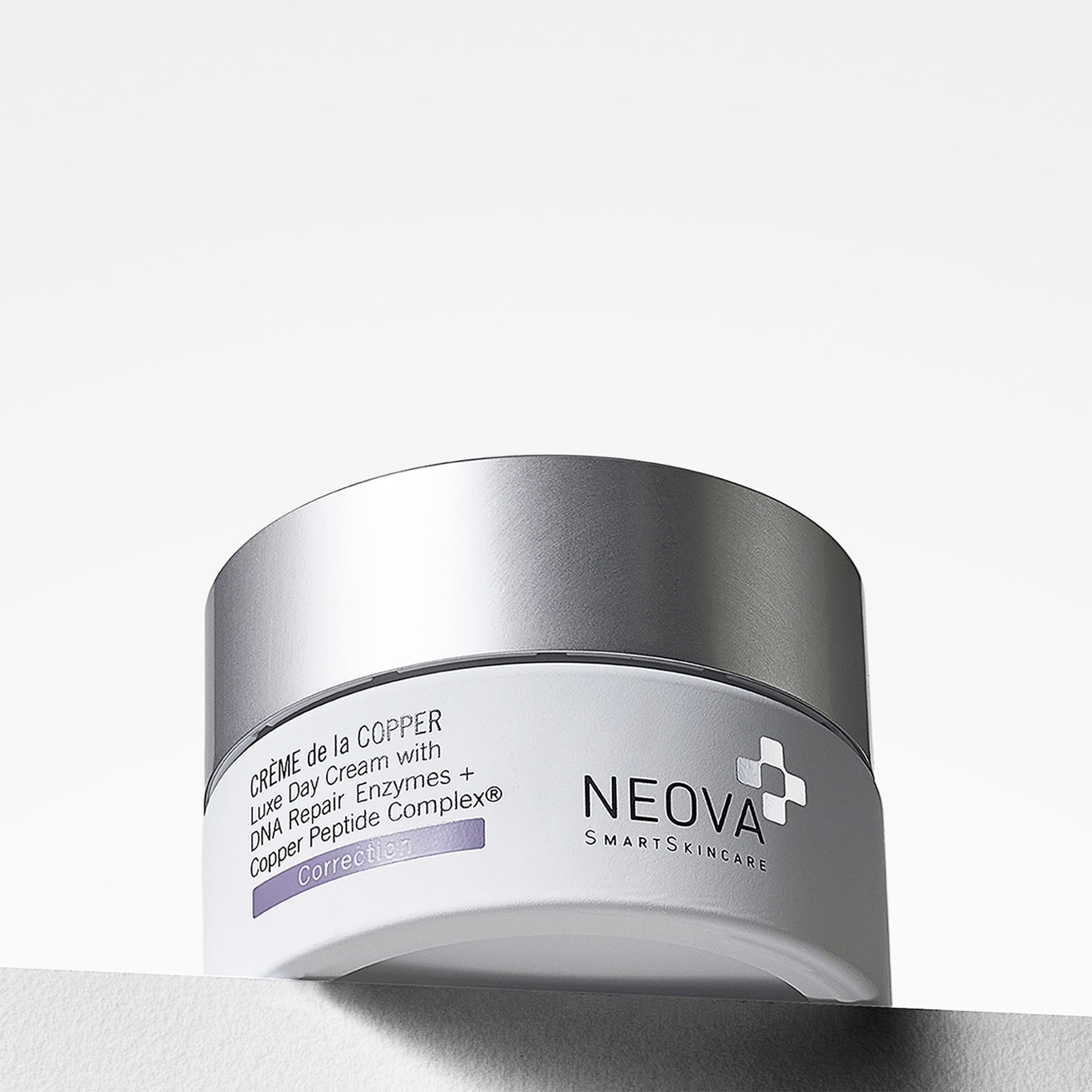
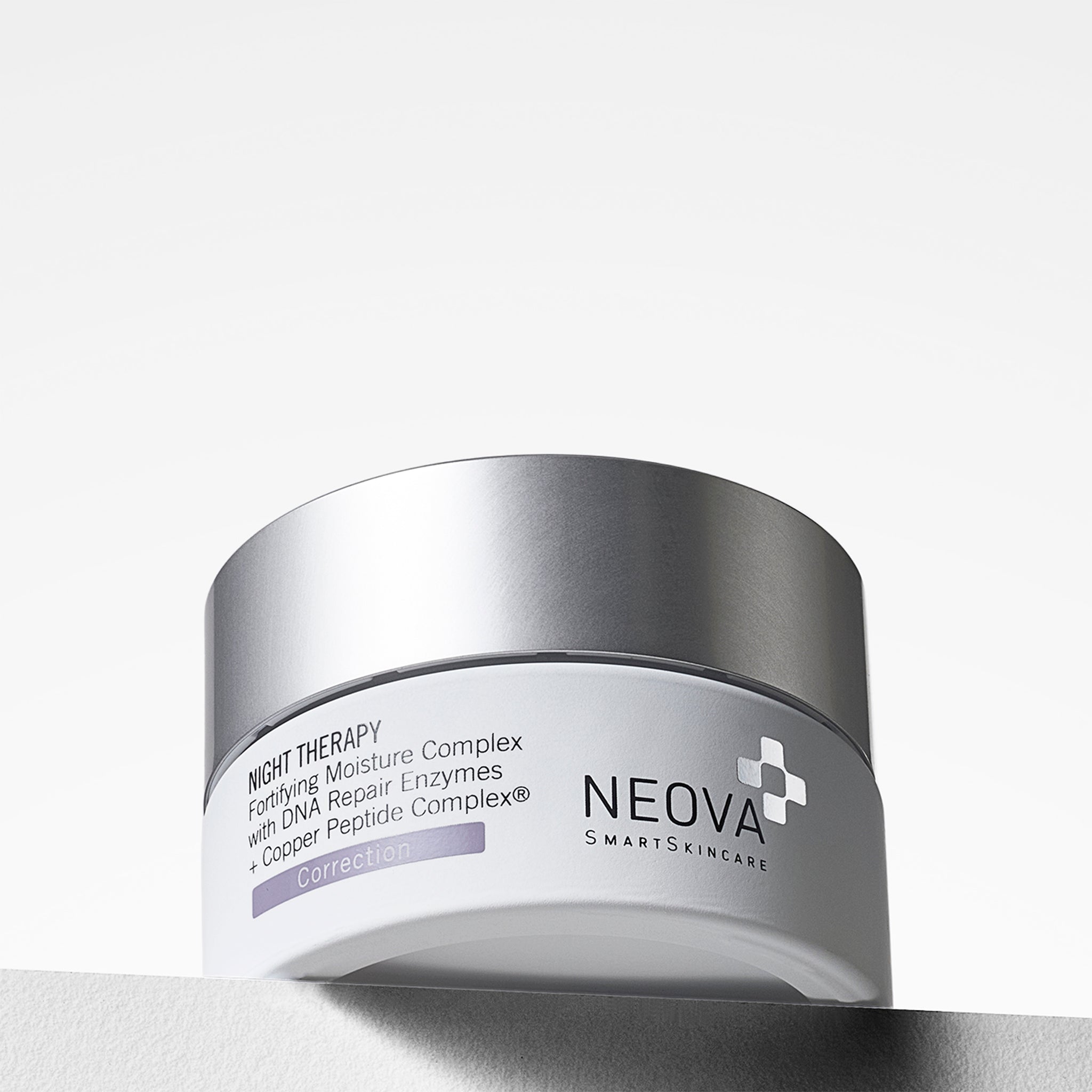
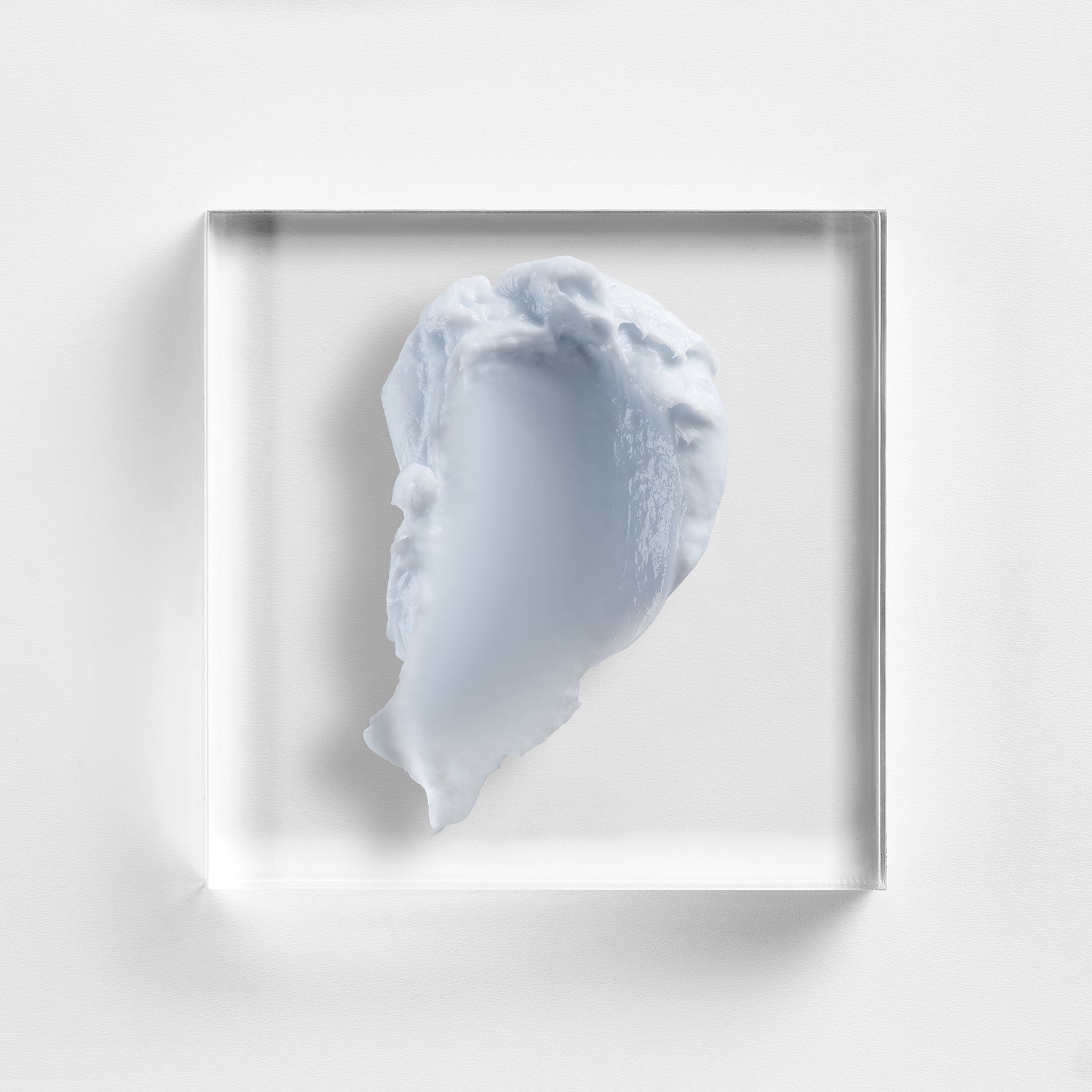
Nighttime repair. Skin's reparative processes, including barrier lipid synthesis, become more active overnight. That makes a richer nighttime formula disproportionately useful in fall compared to summer. NEOVA’s Crème de la Copper offers a lighter moisturizing option for nighttime use, while Night Therapy provides richer overnight support with a ceramide blend and DNA repair enzymes. For skin that runs drier or needs more intensive moisture, Night Therapy can serve as the primary nighttime moisturizer.

Daily barrier defense. For skin already showing sensitivity or early damage, a dedicated barrier serum used consistently, not just during flare-ups, helps prevent the cycle from restarting. NEOVA's Power Defense serum is formulated as a daily barrier-strengthening serum with copper peptides and antioxidants, meant to be used year-round but doing disproportionate work in the months when TEWL is climbing.
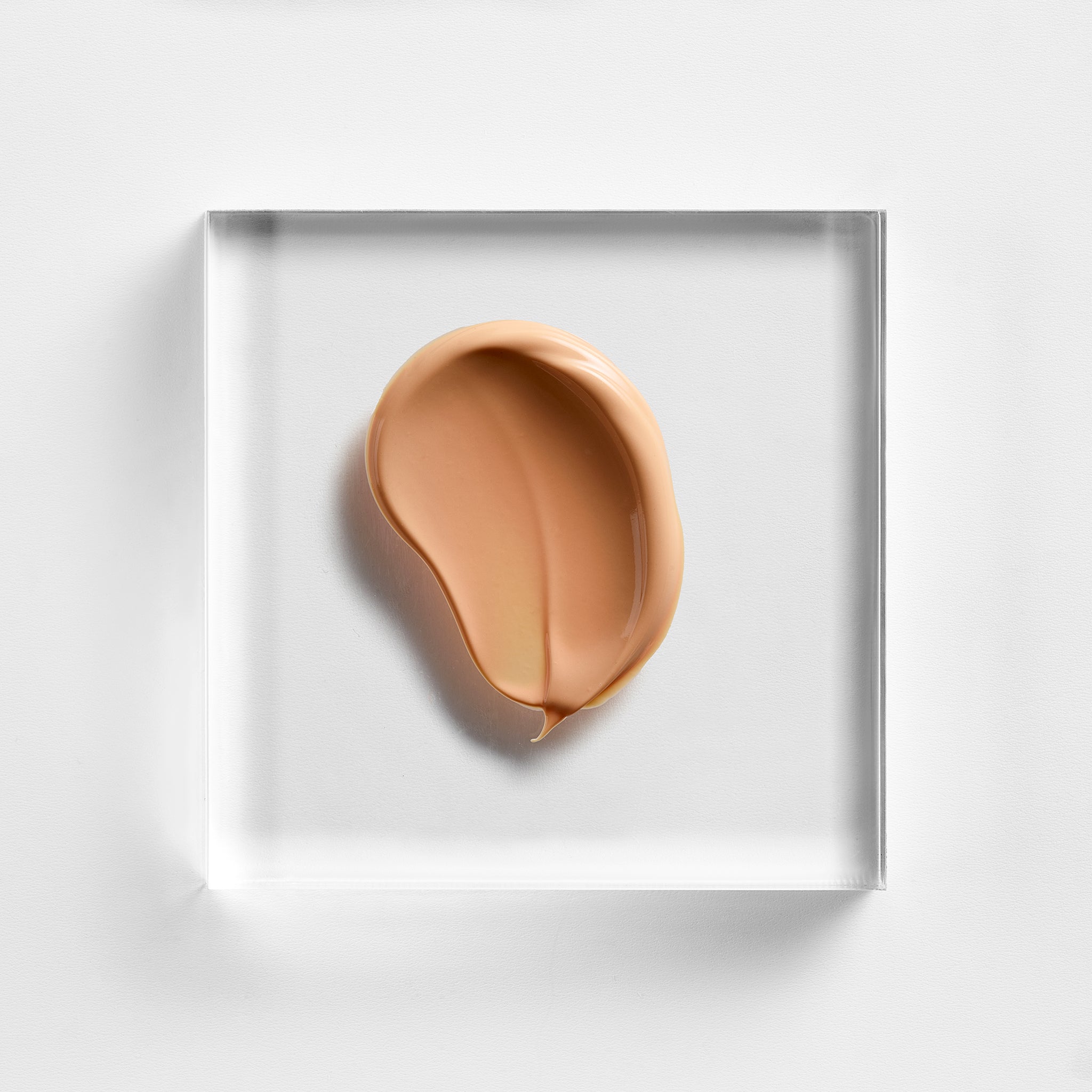
Sun protection, unchanged. The UV index drops in fall, but UV exposure doesn't stop. A damaged skin barrier is more vulnerable to UV-driven oxidative damage than a healthy one, not less. Daily sunscreen stays non-negotiable regardless of the season, and a lightweight, non-irritating tinted formula like NEOVA’s Silc Sheer 2.0 (SPF 40) is easier to layer over barrier-repair products without disrupting them.

Ceramides for Skin and Other Barrier-Supporting Ingredients
Not every "hydrating" ingredient supports the barrier. Some simulate short-term relief while doing nothing for the lipid matrix, and a few actively work against it. Ceramides for skin barrier repair remain the most direct fix, since they replace what's structurally missing rather than working around it. Cholesterol and free fatty acids round out the lipid matrix alongside ceramides. Glycerin and hyaluronic acid draw water in but don't rebuild lipid structure on their own; they work best layered with occlusive or ceramide-based products, not as replacements for them. As an antioxidant, vitamin C can also help defend skin against oxidative stress and support long-term skin health but stronger formulations may be irritating when the barrier is compromised, so introduce it gradually and adjust frequency based on skin tolerance.
On the other side, high concentrations of alcohol-based toners, fragrance-heavy formulas, and aggressive daily exfoliation (physical scrubs or high-percentage AHAs used more than a few times weekly) all increase TEWL rather than reduce it. Fall calls for an actual change in strategy, not just an added product. Many people keep their summer exfoliation frequency exactly the same into fall, at the moment the barrier has the least capacity to recover between sessions. Scaling back acid frequency and buffering actives with barrier-supporting ingredients, rather than dropping them entirely, tends to produce better outcomes than either extreme.

Common Fall Skincare Mistakes That Undermine Barrier Health
The most frequent mistake is treating dryness as a hydration problem alone, reaching for heavier moisturizers while continuing an exfoliation and retinoid schedule built for summer skin. The second is hot showers and hot water cleansing, which feel good in cooler weather but accelerate lipid stripping. The third is skipping SPF because it "feels less necessary" once the weather cools. That choice quietly undermines the skin barrier repair the rest of the routine is trying to achieve. The fourth, and most overlooked, is starting new "brightening" or "anti-aging" actives in fall right when skin is least equipped to tolerate them, instead of consolidating around fewer, barrier-focused formulas until baseline function is restored.

Frequently Asked Questions about Barrier-First Skincare in Fall
Why does my skin get dry in fall?
Absolute humidity begins dropping in early fall, and indoor heating systems typically switch on well before winter, so the barrier stressors compound earlier than most people expect.
How do I repair a damaged skin barrier?
Simplify the routine around a gentle cleanser, a ceramide-based moisturizer, and daily SPF, while reducing exfoliation frequency until sensitivity, tightness, and redness resolve. Mild cases often improve within one to two weeks; more significant damage can take four to six weeks.
Should I stop using retinol in fall if my skin feels sensitive?
Not always. Reducing frequency and pairing retinol with ceramide-rich moisturizers often allows continued use without further compromising the barrier; full discontinuation is usually unnecessary unless irritation is significant.
Is hyaluronic acid enough to fix fall dryness?
On its own, no. Hyaluronic acid binds water but doesn't rebuild the lipid matrix. It needs to be paired with ceramides and, in low-humidity environments, sealed with an occlusive so it doesn't pull moisture from deeper skin layers instead of the air.
Do I still need SPF once the weather cools down?
Yes. UV exposure continues year-round regardless of temperature, and a barrier already stressed by seasonal dryness is more vulnerable to UV-driven oxidative damage, not less.

Protecting Your Skin Barrier Through Fall and Into Winter
Dry skin in fall rarely shows up at random. It follows a predictable pattern driven by low humidity, indoor heating, and reduced circulation, all of which raise transepidermal water loss and slow the skin's own repair processes at the same time. Knowing how to protect your skin barrier in fall, through gentle cleansing, ceramide-based hydration, and consistent daily protection, addresses the root cause instead of reacting to symptoms after they show up. Small adjustments now also double as winter skin preparation, since the same environmental stressors carry through the colder months ahead.
Shop the full NEOVA barrier-repair lineup to start building a fall barrier-first skincare routine.
Sources
[1] Wan MJ, Su XY, Zheng Y, Gong ZJ, Yi JL, Zhao Y, Guan XM, Lai W. Seasonal variability in the biophysical properties of forehead skin in women in Guangzhou City, China. Int J Dermatol. 2015 Nov;54(11):1319-24. doi: 10.1111/ijd.12741. Epub 2014 Dec 29. PMID: 25557023.
[2] Myatt TA, Kaufman MH, Allen JG, MacIntosh DL, Fabian MP, McDevitt JJ. Modeling the airborne survival of influenza virus in a residential setting: the impacts of home humidification. Environ Health. 2010 Sep 3;9:55. doi: 10.1186/1476-069X-9-55. PMID: 20815876; PMCID: PMC2940868.
[3] Wan MJ, Su XY, Zheng Y, Gong ZJ, Yi JL, Zhao Y, Guan XM, Lai W. Seasonal variability in the biophysical properties of forehead skin in women in Guangzhou City, China. Int J Dermatol. 2015 Nov;54(11):1319-24. doi: 10.1111/ijd.12741. Epub 2014 Dec 29. PMID: 25557023.