
Can You Repair Sun Damage? What Skincare Can and Cannot Do
Sun damage is cumulative, but some of it can be repaired through skincare, while other skin changes cannot be reversed topically. The right routine can help fade uneven pigmentation, smooth rough texture, soften the appearance of fine lines, and support the skin's natural response to UV-induced damage.
Some ingredients focus on preventing further UV damage. Others address oxidative stress, pigmentation, collagen loss, or skin cell turnover. A more specialized category, DNA repair enzymes, has been studied for its ability to support the skin in addressing certain UV-induced DNA lesions.
This guide looks at what sun exposure does to skin, what topical skincare can realistically improve, where its limits are, and how NEOVA’s skin technology fits into a broader approach to photodamaged skin.

What Happens to Skin After UV Exposure?
UV exposure sets off several processes in skin at once, and most of them begin before anything becomes visible. The first is direct DNA damage. UVB radiation generates cyclobutane pyrimidine dimers (CPDs), a type of DNA lesion that disrupts normal cell replication in keratinocytes and melanocytes.
The second is oxidative stress. UVA radiation penetrates deeper into the dermis and generates reactive oxygen species, unstable molecules that damage cell membranes, proteins, and DNA indirectly. This process continues for hours after sun exposure ends.
Oxidative stress and DNA damage together trigger inflammation. This is why skin reddens and swells after a burn. A milder version of this response also occurs with everyday, low-level exposure that never produces a visible burn.
Over time, this cycle affects collagen and elastin. UV exposure increases the activity of enzymes called matrix metalloproteinases, which break down structural proteins in the skin faster than the body can replace them. This is part of the process behind sagging fine lines, and loss of firmness, often grouped under the term photoaging.
The visible effects of cumulative UV exposure may become more apparent years after the exposures occurred. This is one reason photoaging is best approached as a long-term process rather than a short-term skin concern.

What Does "Repairing" Sun Damage Actually Mean?
The word "repair" gets used loosely in skincare, so it helps to separate what it can mean. There are three related but distinct ideas.
The first is repairing damage at the cellular level, such as helping the skin address DNA lesions caused by UV exposure. The second is improving the visible signs of photoaging, including pigmentation, fine lines, and rough texture. The third is preventing additional damage from occurring in the first place, primarily through daily sun protection.
Clinically supported skincare can play a role in all three, but the mechanisms involved are different. A brightening serum that fades a sunspot is not necessarily doing anything at the DNA level, and a DNA repair enzyme is not necessarily changing the color of a sunspot overnight. Understanding which of these three goals a product addresses makes it easier to build a routine that covers all of them.

What Can Skincare Improve?
With consistent use, several categories of ingredients can meaningfully improve visible signs of sun damage. The table below outlines common signs of photoaging and the type of ingredient most often used to address each one.
|
Sign of Photoaging |
What Skincare Can Do |
|
Uneven Pigmentation/Hyperpigmentation |
Brightening ingredients can help improve the appearance of sunspots and discoloration |
|
Rough texture |
Exfoliants and retinoids can improve surface texture and smoothness |
|
Retinoids and other collagen-supporting ingredients can improve appearance over time |
|
|
Moisturizers can help support and restore the skin barrier |
|
|
Oxidative stress |
Antioxidants can help neutralize free radicals generated by UV exposure |
|
UV-induced DNA lesions |
DNA repair enzymes have been studied for their ability to support repair of specific lesions |
These improvements tend to build gradually rather than appear overnight, since most of them rely on the skin's own turnover cycle or on incremental biochemical changes.

What Can't Skincare Completely Reverse?
Just as important is naming what topical products generally cannot do, since this is an area where marketing sometimes overstates what's possible.
-
Deep structural changes. Once collagen and elastin fibers have significantly degraded, topical ingredients alone typically cannot rebuild that architecture. Some improvement is possible, but full structural reversal usually is not.
-
Significant solar elastosis. This is the thickened, leathery skin texture caused by long-term elastin damage. It generally requires procedural treatment, such as laser resurfacing, to meaningfully change.
-
Precancerous lesions. Skincare cannot treat or resolve actinic keratoses or other precancerous changes. These require medical evaluation and, often, in-office treatment.
-
Existing mutations. Topical skincare cannot reverse every cellular consequence of past UV exposure. Some ingredients can help improve the visible effects of photoaging, and specialized DNA repair enzymes have been studied for their ability to support the removal of specific UV-induced DNA lesions, but neither can undo an existing mutation.

The Ingredients That Target Photoaged Skin
Several ingredient categories address photoaging, each through a different mechanism.
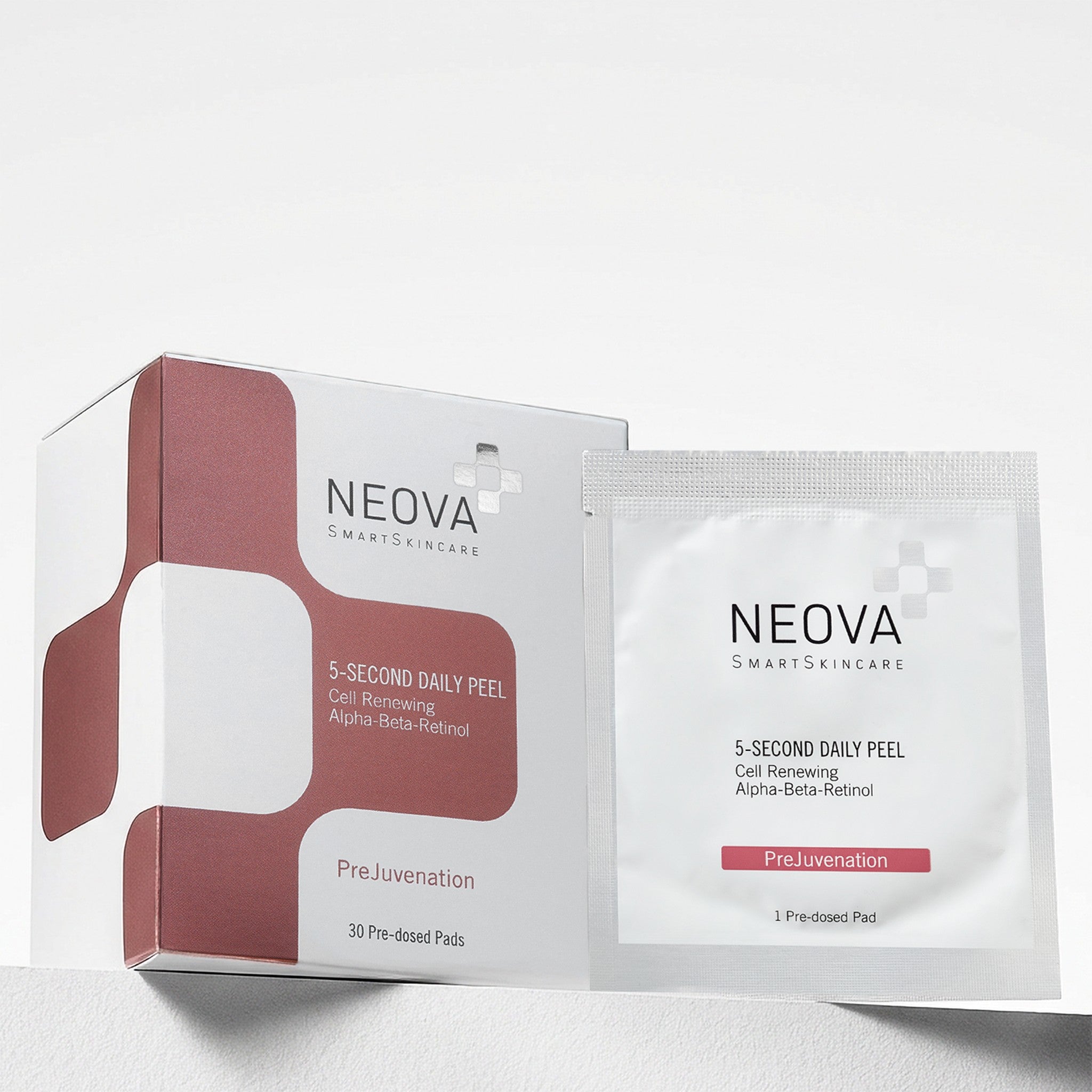
Retinoids, like those found in the NEOVA Prejuvenation collection, increase cell turnover and support collagen production, making them one of the most studied ingredients for texture, fine lines, and pigmentation. They typically require a gradual introduction to avoid irritation.
Antioxidants, such as vitamin C, vitamin E, and ferulic acid found in the NEOVA C 20+ formula, help neutralize free radicals generated by UV exposure. They tend to work best when applied in the morning, layered under sunscreen.
Exfoliants, peels, and brightening ingredients, such as alpha hydroxy acids, help clear built-up surface cells and reduce the appearance of pigment irregularities without significantly disrupting the skin barrier.
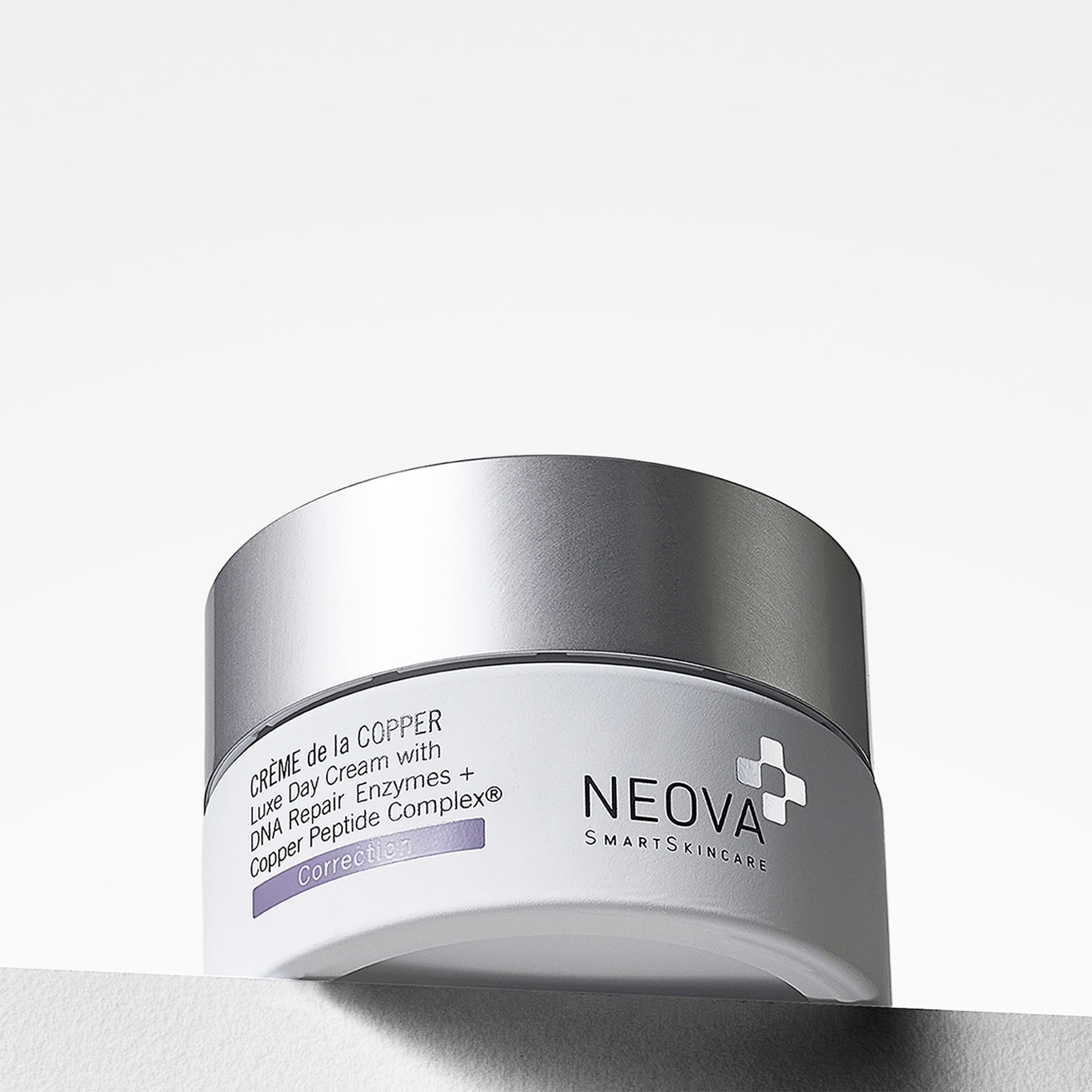
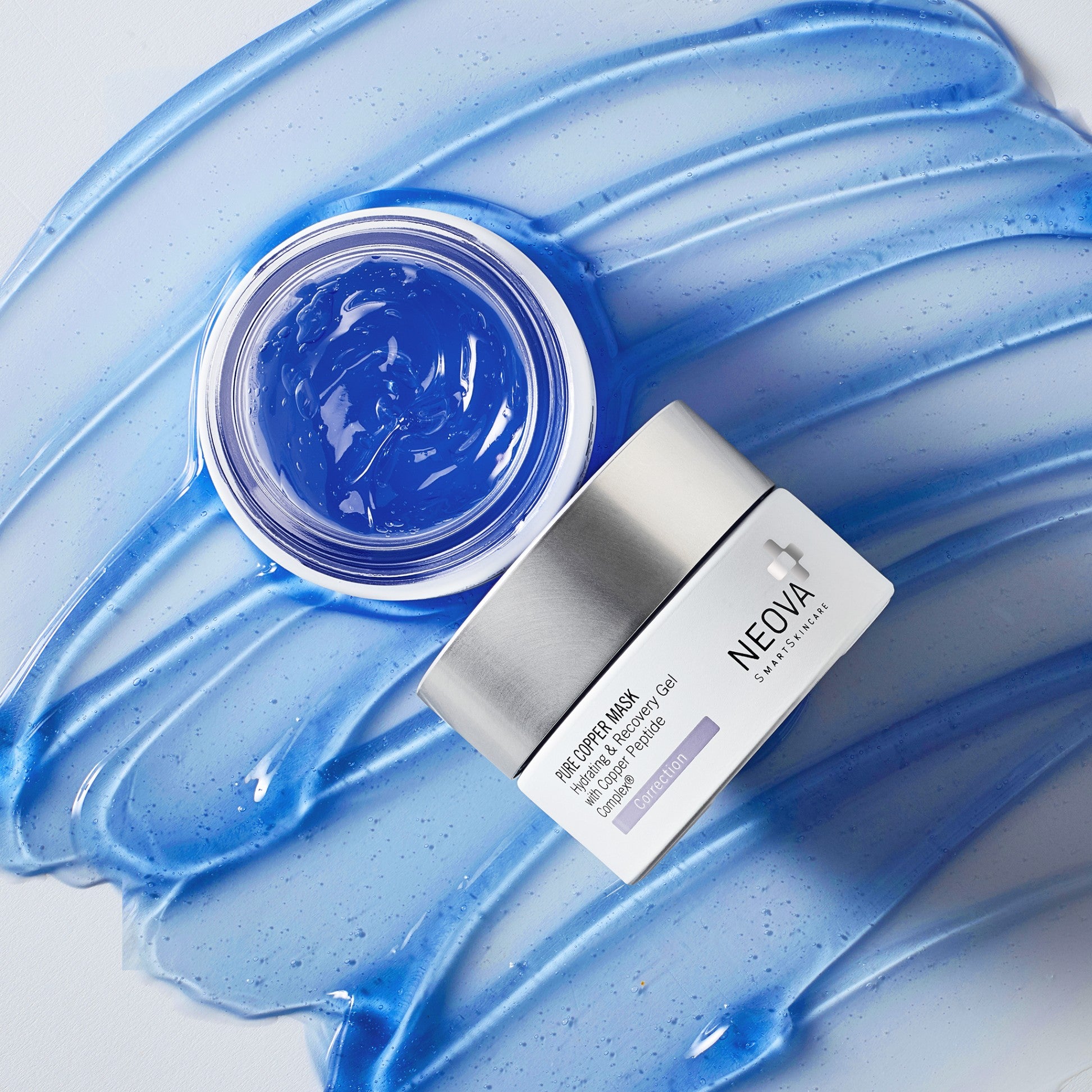
Copper peptides, like those found in NEOVA's signature Copper Peptide Complex®, send signals that support collagen and elastin production. They tend to work gradually and are often paired with other actives rather than used alone.
DNA repair enzymes are a smaller, more specialized category. Topical DNA repair enzymes have been studied for their ability to enhance the removal of certain UV-induced DNA lesions. Unlike antioxidants, which help address oxidative stress, DNA repair enzymes are designed to act more directly on specific forms of UV-induced DNA damage. The next section goes into this category in more detail.

Where DNA Repair Enzymes Fit In
UV exposure produces several downstream effects at once, including DNA damage, oxidative stress, and inflammation. Most skincare ingredients address one or more of these downstream effects. DNA repair enzymes are studied specifically for their role in helping the skin address certain DNA lesions among them.
Photolyase is one of the more studied enzymes in this category. It is derived from natural sources and has been researched for its ability to help correct CPDs. Antioxidants and DNA repair enzymes address different consequences of UV exposure: antioxidants help neutralize reactive molecules from oxidative stress, while DNA repair enzymes are studied for their action on specific DNA lesions. The two are complementary rather than interchangeable.
It's worth noting that the evidence base here continues to develop. Several studies support a plausible mechanism for topical DNA repair enzymes, but systematic reviews have also noted that randomized controlled evidence remains limited, and that superiority over conventional sun protection has not been firmly established. DNA repair enzymes are best understood as one part of a broader approach, not a replacement for daily sunscreen.
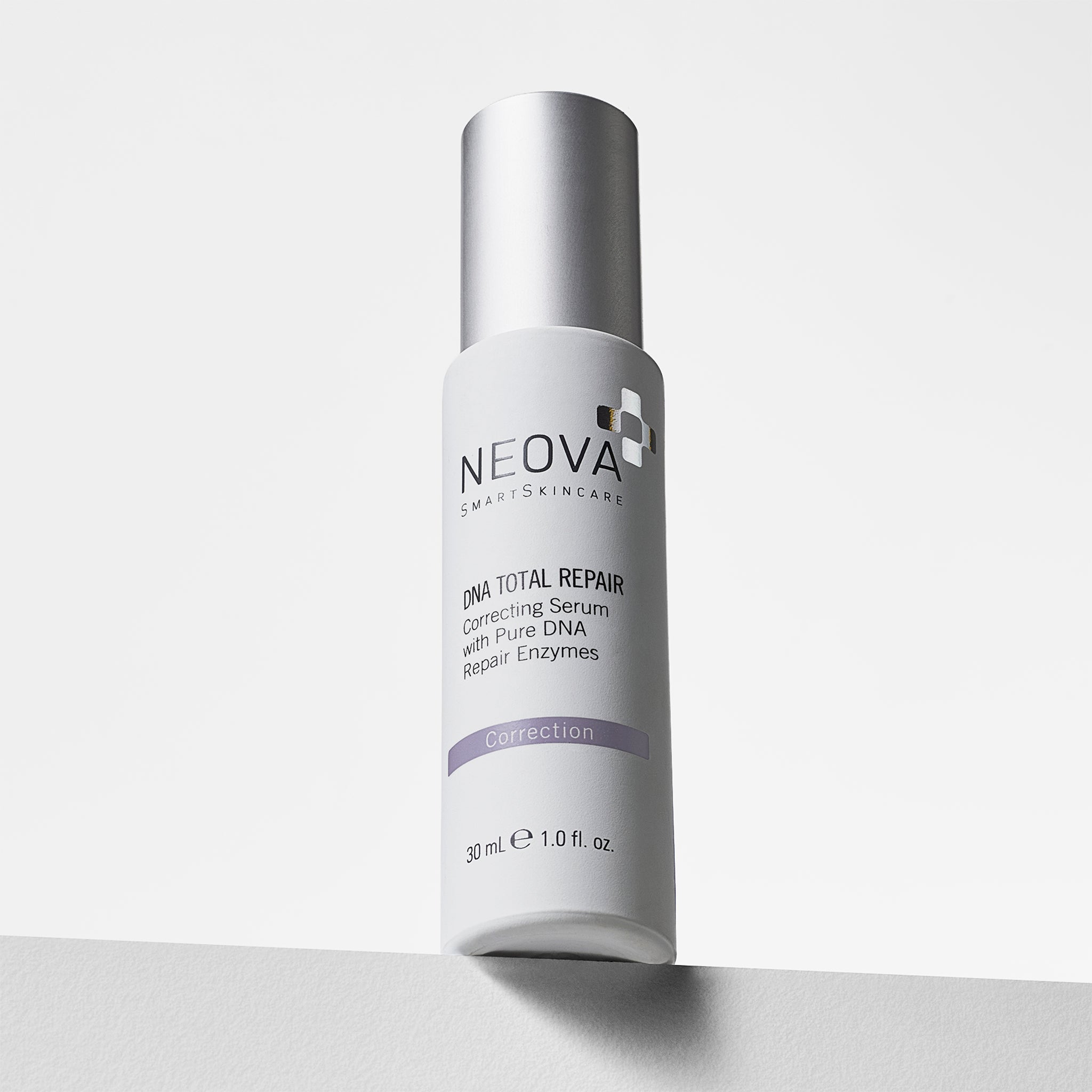
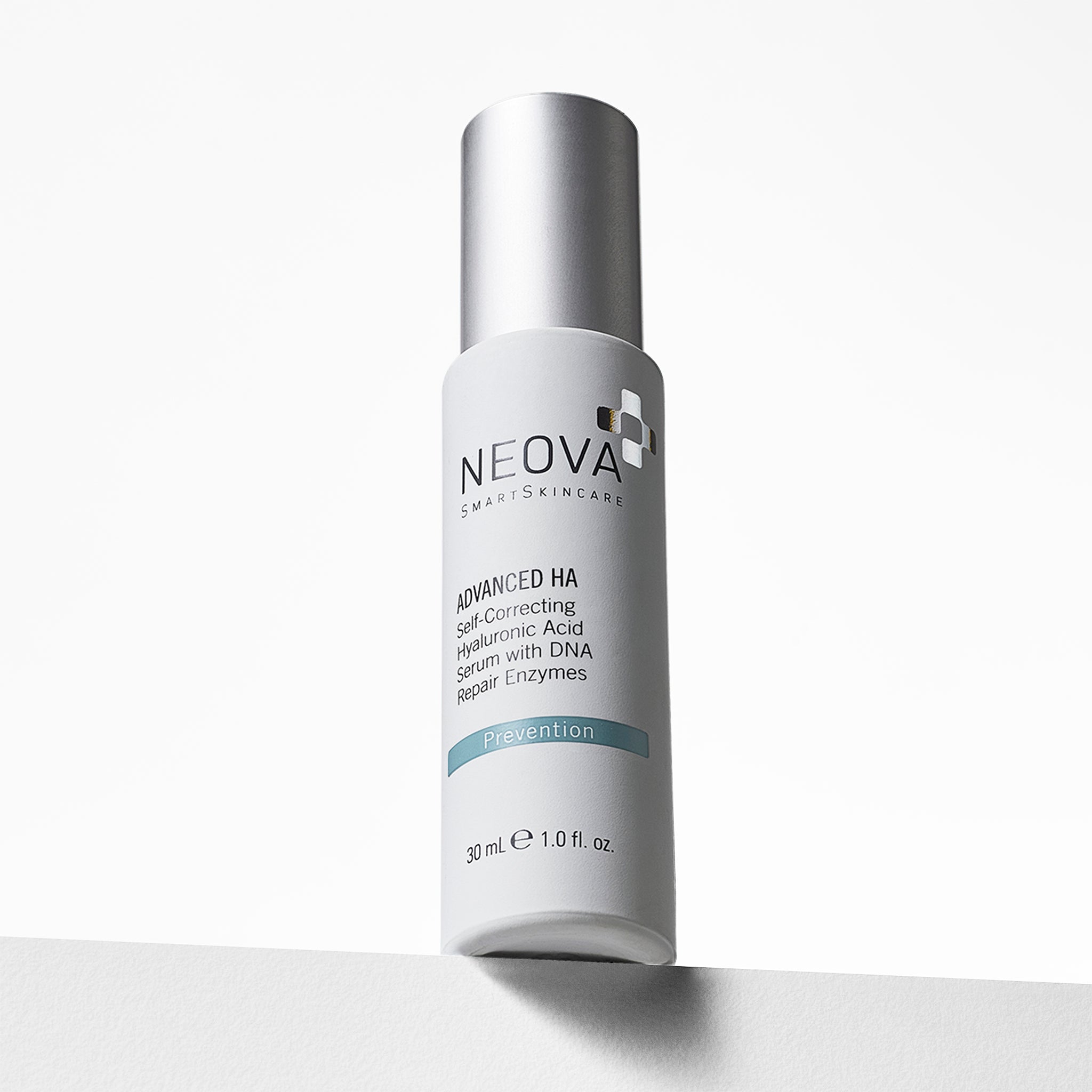
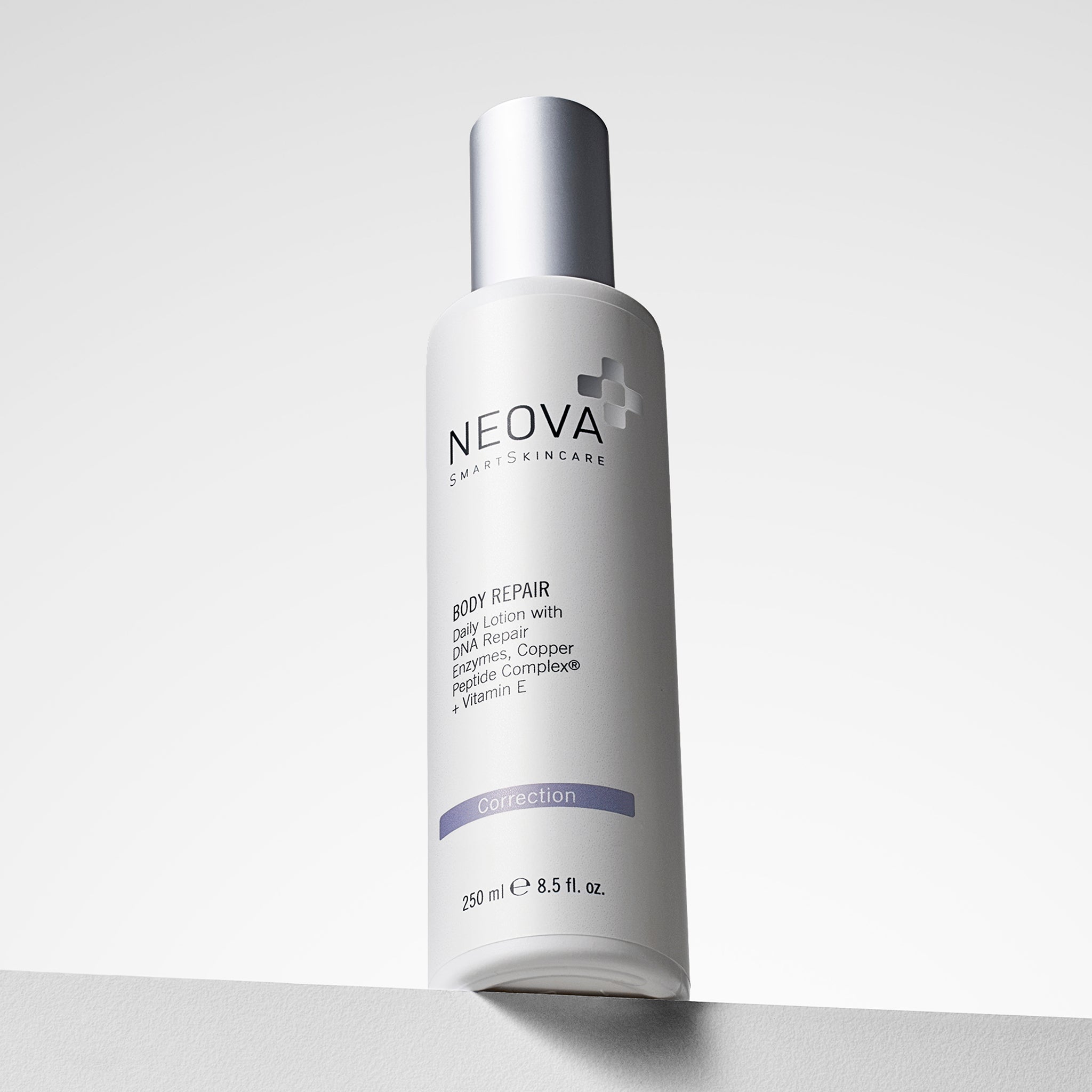
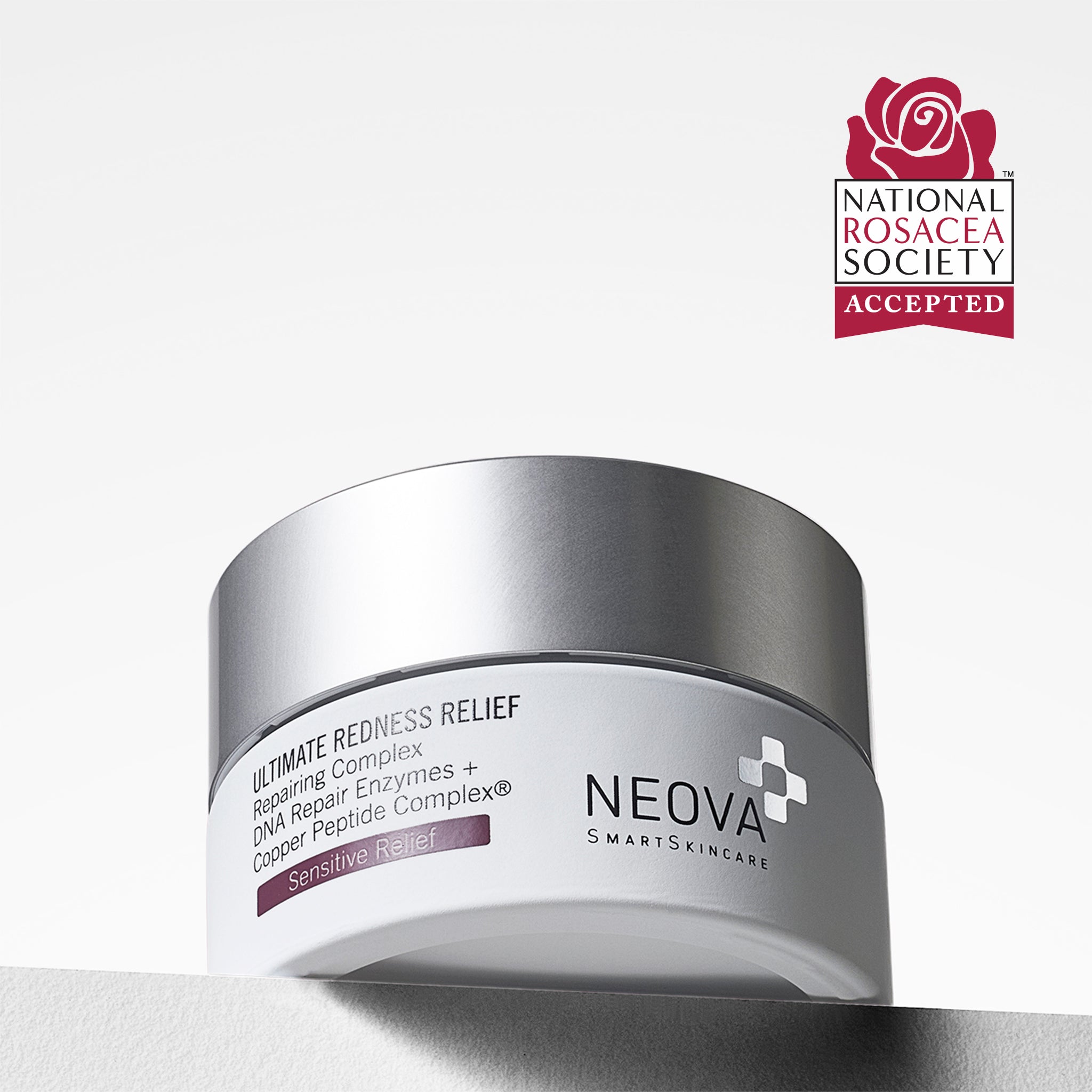
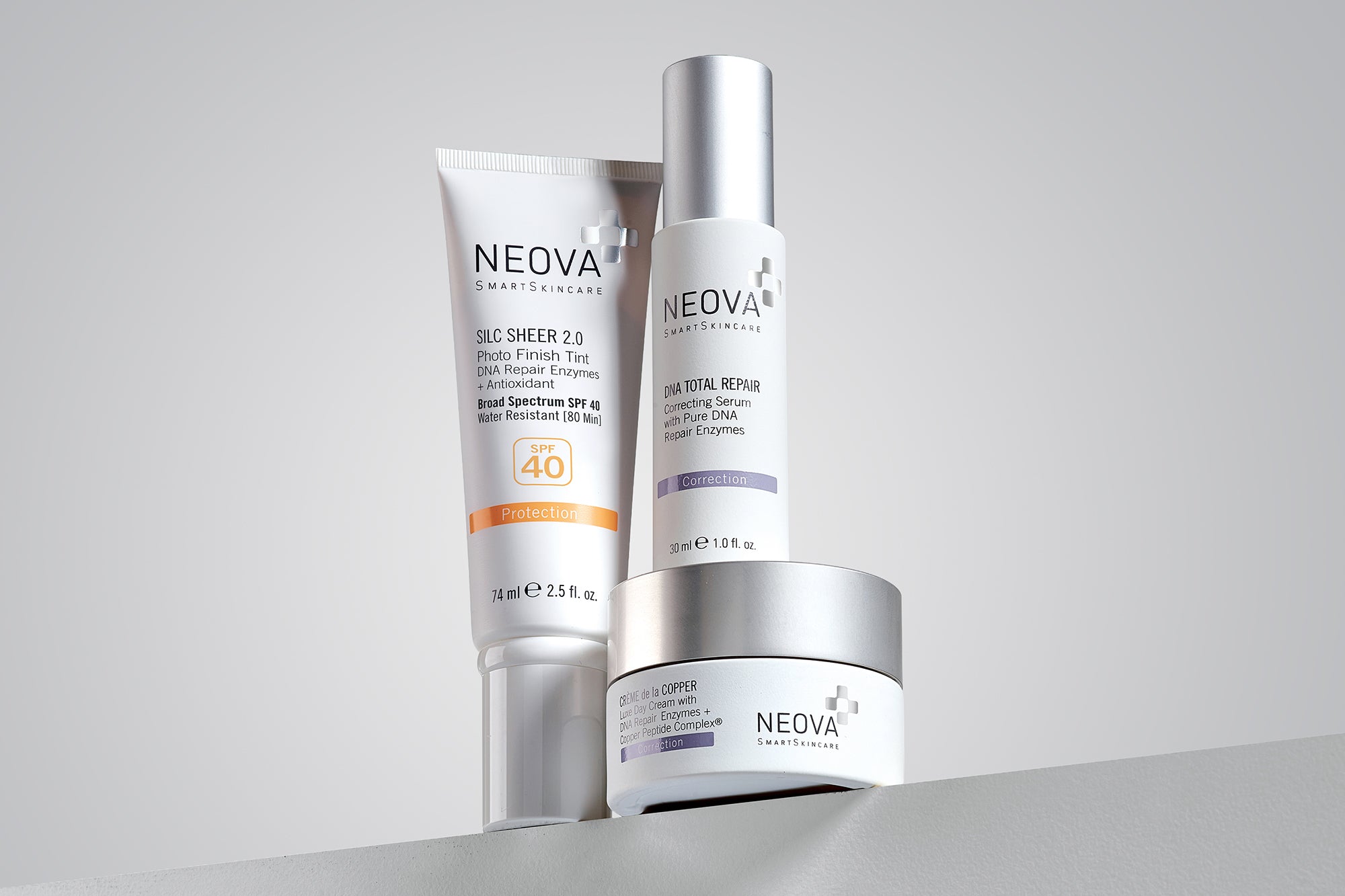
NEOVA has built part of its formulation approach around this ingredient category, pairing DNA repair enzyme technology with complementary actives such as vitamin C derivatives and peptides. Products like NEOVA DNA Total Repair are formulated around this research, alongside more familiar categories like antioxidants and brightening agents, rather than relying on any single mechanism alone.

Protect and Repair: Building a Routine for Sun-Damaged Skin
A routine aimed at sun damage needs to do two things at once: support repair of existing damage and limit how much new damage accumulates in the meantime.
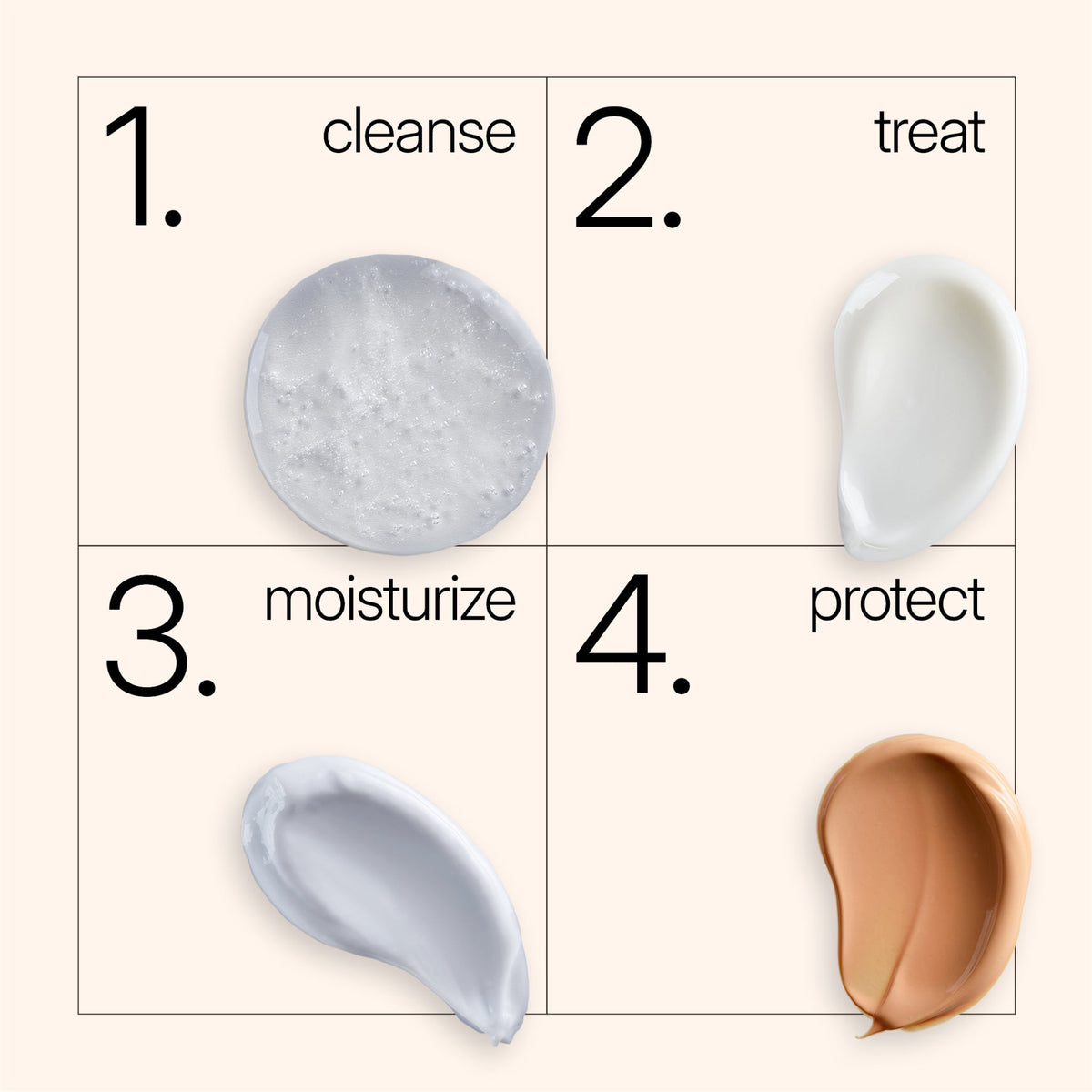
Morning: a gentle cleanse, an antioxidant treatment, moisturizer if needed, and a broad-spectrum sunscreen. A hybrid mineral formula with chemical filters, like NEOVA's Silc Sheer 2.0 SPF 40, is worth applying daily, including on cloudy days or when spending most of the day indoors near windows.
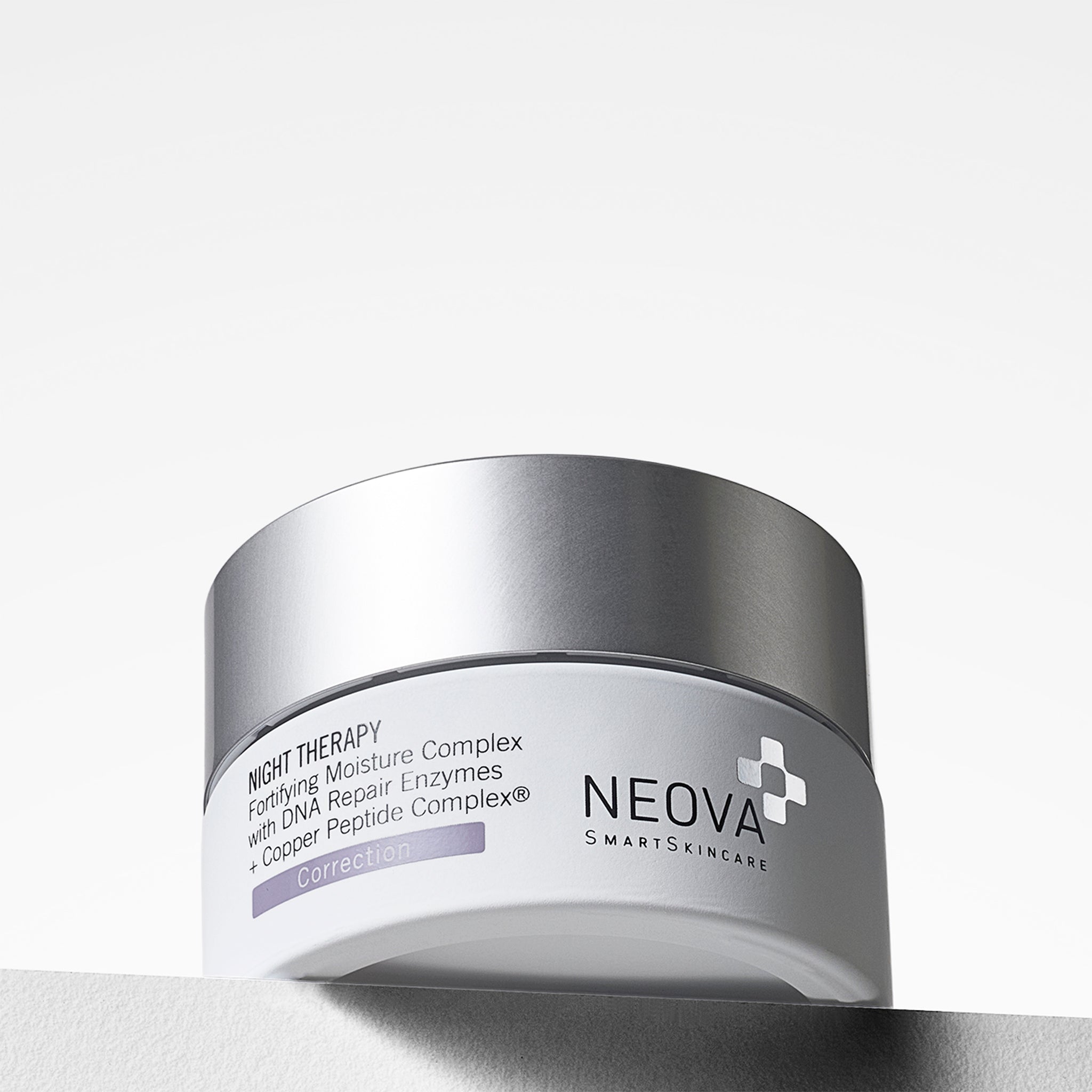
Evening: a cleanse, a targeted treatment for pigmentation, texture, or DNA repair, followed by an occlusive peptide moisturizer to support the skin barrier overnight.
Consistency matters more than the number of products used. Visible changes in tone and texture typically take 8 to 12 weeks to become noticeable, and adding several strong actives at once often causes more irritation than benefit. A simpler routine, followed consistently, tends to outperform a complicated one used inconsistently.

When to See a Dermatologist
Skincare has a role to play, but it is not a substitute for medical evaluation when certain signs appear. Any new or changing mole, or a spot that grows, changes color, or develops an irregular border, warrants a dermatologist visit rather than a wait-and-see approach at home.
The same is true for any lesion that bleeds, itches persistently, or does not heal within a few weeks. Rough, scaly patches that don't resolve with moisturizer can be a sign of actinic keratosis, a precancerous change that should be evaluated professionally rather than treated as ordinary dry skin.
A yearly skin check with a dermatologist is a reasonable baseline for most adults. More frequent visits are worth discussing for anyone with a significant history of sunburns or a family history of skin cancer. Skincare can support skin health between those visits, but it cannot replace them. Locate a professional near you.

Frequently Asked Questions About Sun Damage Repair
Can you reverse sun damage naturally?
Skin has its own repair mechanisms, including enzymes that correct some UV-induced DNA lesions on their own. But this natural capacity is limited and declines with age and cumulative exposure. Lifestyle habits and professional skincare mainly support and extend that natural process rather than completely reversing damage that has already become established.
Can old sun damage be repaired?
It depends on what kind of damage is involved. Some UV-induced DNA lesions can potentially be addressed even after the fact with DNA repair skincare, and some visible signs like pigmentation and texture can improve with consistent use of the right ingredients. Deep structural changes, like significant solar elastosis, are much harder to reverse topically.
Does sunscreen repair existing sun damage?
Sunscreen itself does not repair damage that has already occurred. Its job is to filter incoming UV radiation and prevent new damage from compounding existing damage. Some formulas, such as NEOVA's Sunscreen with DNA Repair Enzymes, combine broad-spectrum SPF with ingredients like photolyase that have been studied for their ability to support the correction of certain UV-induced DNA lesions. In such formulas, the repair function comes from the added enzyme technology, not from the sunscreen filtering mechanism itself.

Can skincare remove sunspots completely?
Many sunspots can be visibly lightened with consistent use of brightening and repair-focused ingredients, but complete removal isn't always possible topically. Deeper or more established pigmentation may require in-office treatments like lasers or chemical peels.
When should I see a dermatologist about sun damage?
See a dermatologist for any new or changing mole, a lesion that bleeds or won't heal, or a rough patch that doesn't resolve with moisturizer. These can be signs of actinic keratosis or other changes that need professional evaluation rather than at-home treatment.

The Bottom Line
Some signs of sun damage can be improved with skincare. Some deeper changes cannot be reversed topically. The most effective approach combines daily photoprotection with ingredients that address pigmentation, collagen loss, oxidative stress, and UV-induced DNA damage.
That combination, rather than any single ingredient, is what supports skin's own repair processes as fully as possible while working within their limits.
For a routine built around this approach, NEOVA's DNA repair and protection collection is a place to start.