
Skin Longevity vs. Anti-Aging: What It Really Means for Your Skin
“Skin longevity” is becoming a new framework for thinking about skincare, shifting attention from simply correcting visible signs of aging to maintaining healthy skin structure and function over time.
For decades, anti-aging skincare has focused on concerns such as fine lines and wrinkles, uneven pigmentation, loss of firmness and changes in texture. Those concerns still matter, and many of the ingredients used to address them remain central to modern skincare.
What is changing is the way we think about the goal. Skin longevity puts greater emphasis on prevention, protection, repair and maintaining skin resilience before visible changes become more pronounced.
In other words, skin longevity does not necessarily replace anti-aging skincare. It expands the conversation. Instead of focusing only on how to improve signs of aging that are already visible, it asks how we can support healthy skin function throughout the aging process.

What Does Skin Longevity Mean?
"Skin longevity" refers to maintaining healthy skin structure and function over time. That includes the skin barrier, collagen and elastin, cellular turnover, antioxidant defenses and the skin's ability to respond to environmental damage.
Visible signs of aging, including wrinkles, pigmentation and changes in firmness, can reflect changes occurring within the skin. A longevity-focused approach considers both the visible concern and the processes that contribute to it.
Rather than asking only, “How can I improve this wrinkle?” the broader question becomes, “How can I protect and maintain my skin as it changes over time?”
That means paying attention to factors such as cumulative UV exposure, barrier health, oxidative stress, hydration, and the skin's natural repair processes.
Skin longevity is therefore a long-term philosophy: protect healthy skin, address concerns as they appear, and support the skin's ability to function well over time.

Is Skin Longevity Really Different From Anti-Aging?
There is considerable overlap between skin longevity and traditional anti-aging skincare.
Many of the ingredients associated with skin longevity have been used in anti-aging routines for years. Sunscreen helps protect against UV-induced damage. Retinoids can improve the appearance of fine lines and uneven texture. Antioxidants help defend against oxidative stress, while peptides and moisturizing ingredients can support the appearance and feel of healthier skin.
The difference is primarily one of emphasis.
Traditional anti-aging skincare often centers on visible concerns and how to improve them. Skin longevity places greater emphasis on prevention and maintenance alongside correction.
That distinction matters because protecting skin from cumulative damage can be just as important as addressing the visible effects of that damage later.

What Causes Skin to Age?
Skin aging is influenced by both intrinsic and extrinsic factors.
Intrinsic aging refers to the natural biological changes that occur over time. Cellular function changes, collagen production gradually declines, and skin can become thinner, drier and less resilient.
Extrinsic aging is influenced by environmental and lifestyle factors. UV radiation is one of the most important contributors to photoaging, while pollution, smoking and oxidative stress can also contribute to cumulative skin damage.
These processes can affect the skin's structure and appearance over time, contributing to changes in collagen, elasticity, pigmentation and texture.
This is why long-term skin health cannot be reduced to treating wrinkles after they appear. Protecting skin from ongoing environmental stress is an important part of maintaining its condition over time.

What Healthy Skin Function Requires
Healthy, resilient skin depends on several interconnected functions:
-
Barrier integrity helps maintain hydration and protect against external irritants and environmental stressors.
-
Collagen and elastin provide structural support that contributes to firmness and elasticity.
-
Cellular turnover helps maintain an even, healthy-looking surface.
-
Antioxidant defenses help protect against oxidative stress.
-
DNA repair mechanisms help skin cells respond to certain forms of DNA damage.
No single ingredient or product addresses every aspect of skin aging. A longevity-focused routine instead combines complementary strategies to protect, maintain and treat the skin over time.
In practice, that means consistent sun protection, barrier-supporting skincare, evidence-supported treatment ingredients and formulations designed to complement the skin's natural repair processes.
Why DNA Repair Matters to Skin Longevity
UV exposure can damage the DNA within skin cells. Skin has natural mechanisms for recognizing and responding to certain forms of DNA damage, but repeated environmental exposure can contribute to cumulative damage and photoaging.
DNA damage is one part of the complex biological processes associated with skin aging. Supporting the skin's natural repair processes while minimizing additional environmental damage is therefore an important area of interest in skin longevity research.
This is where DNA repair skincare fits into the broader longevity conversation.
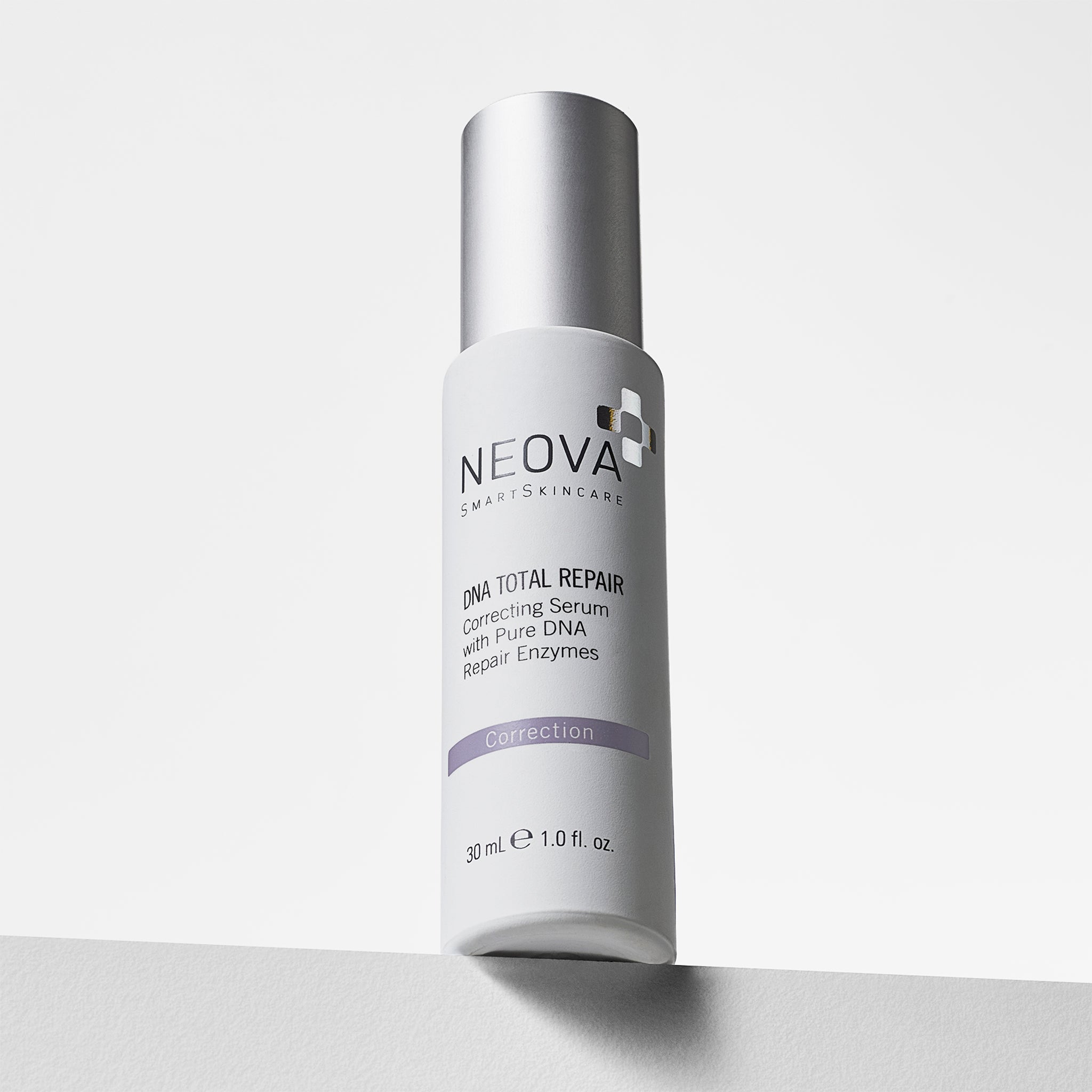
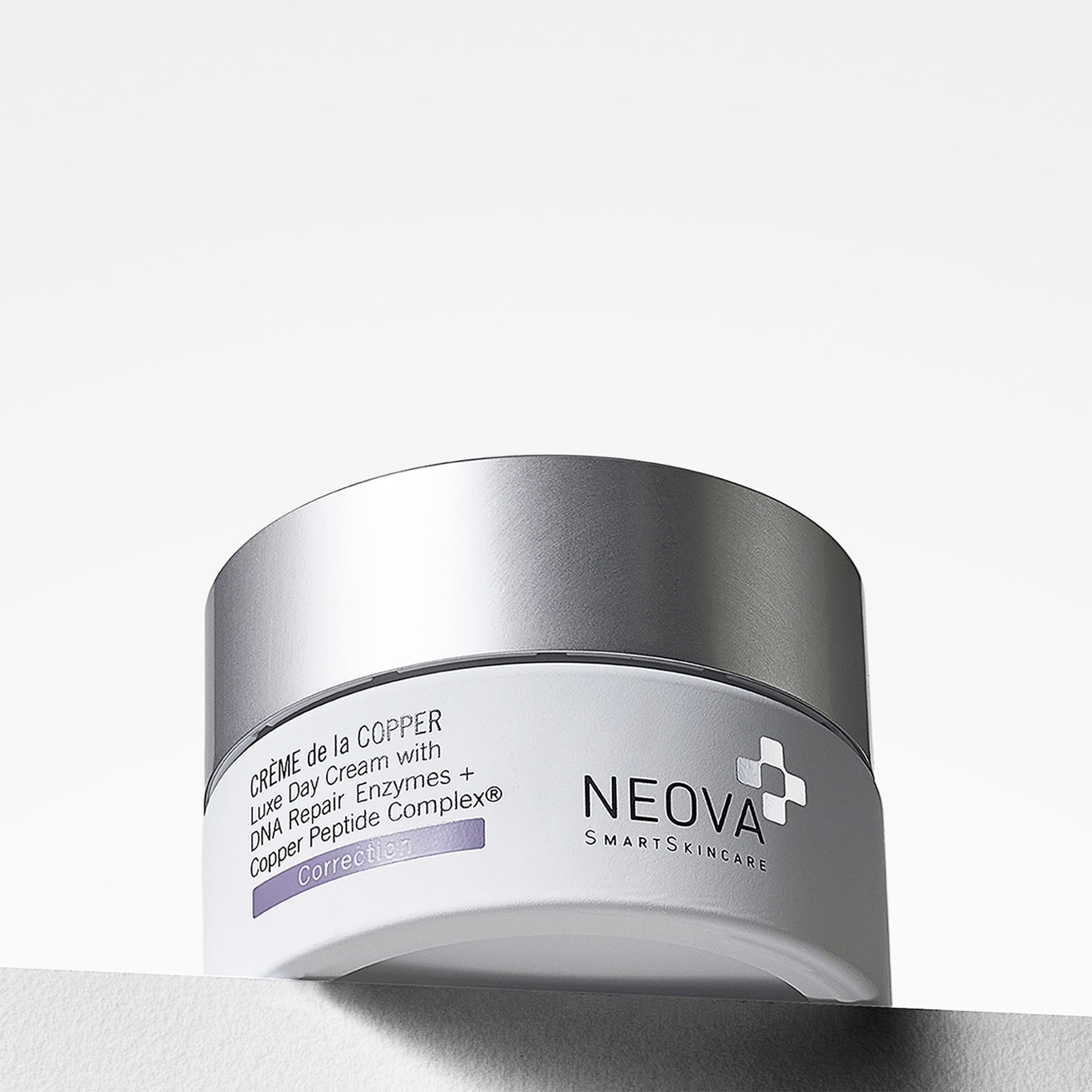
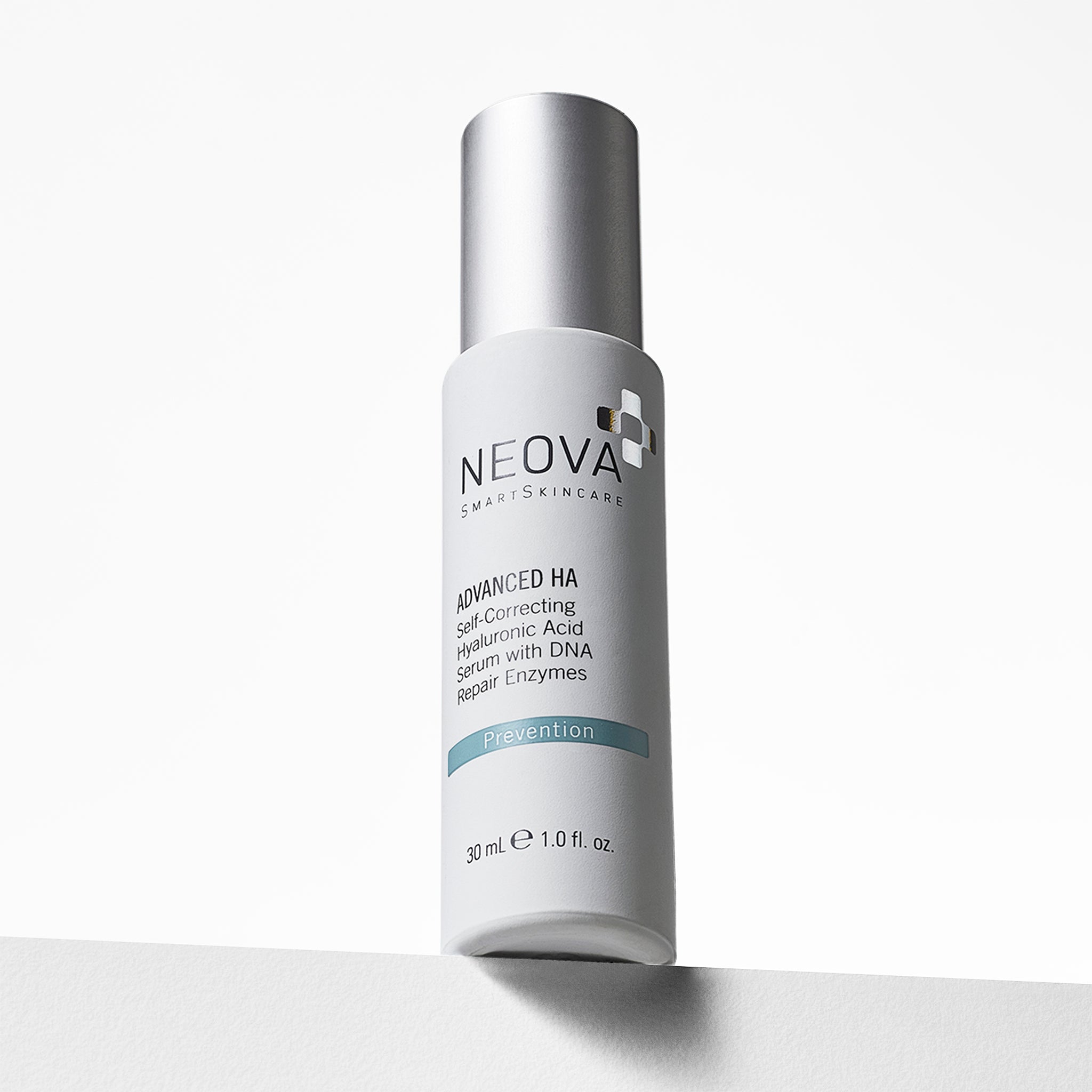
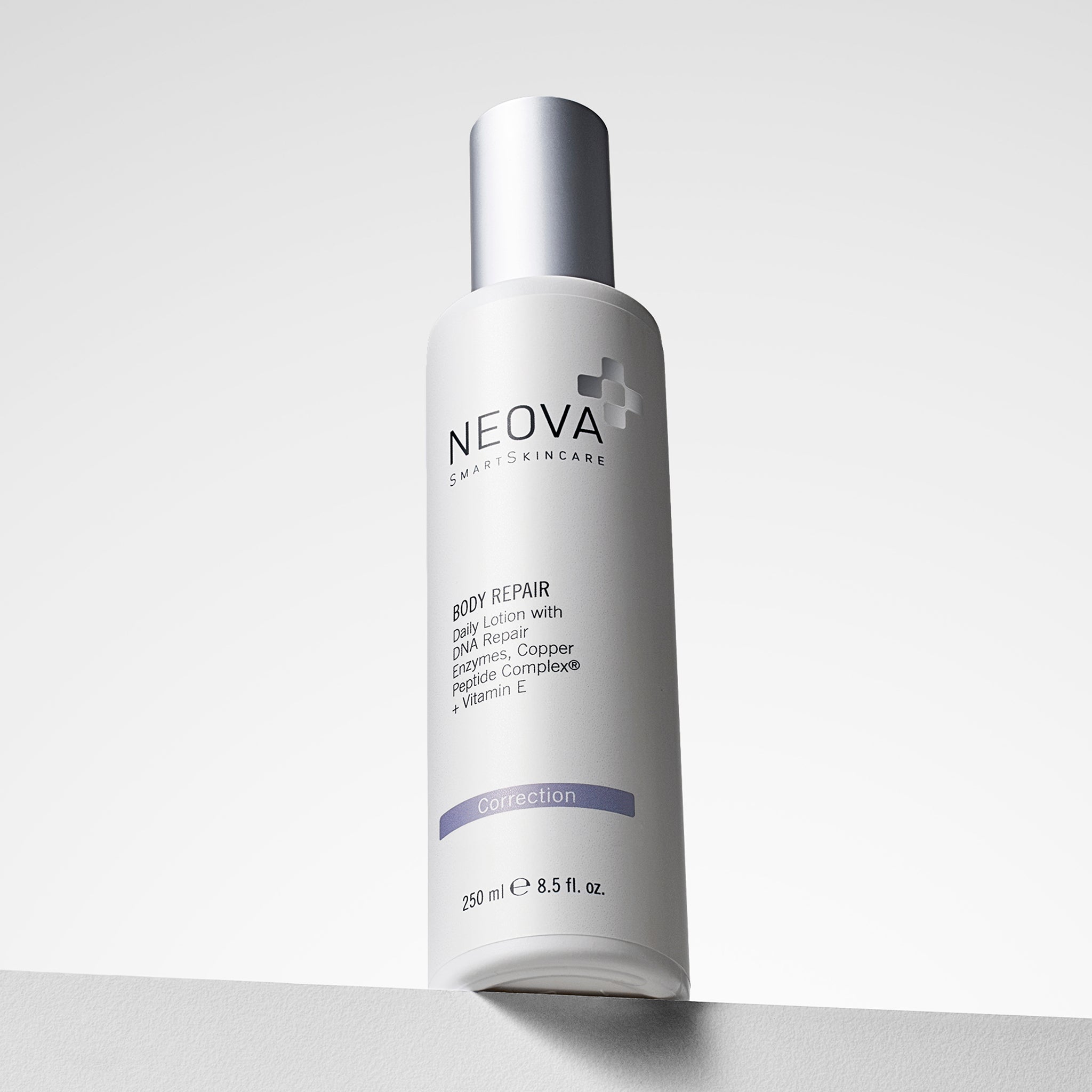
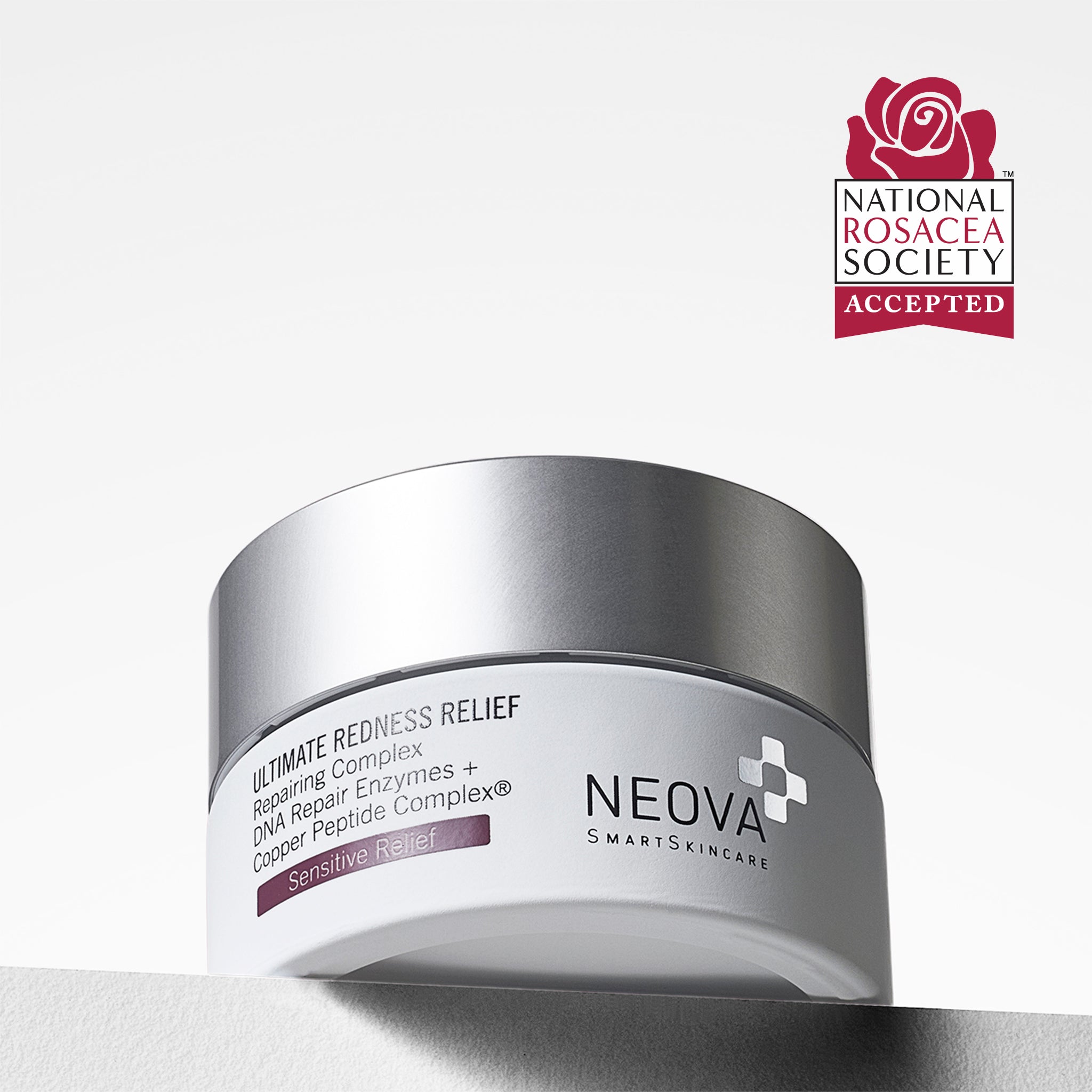
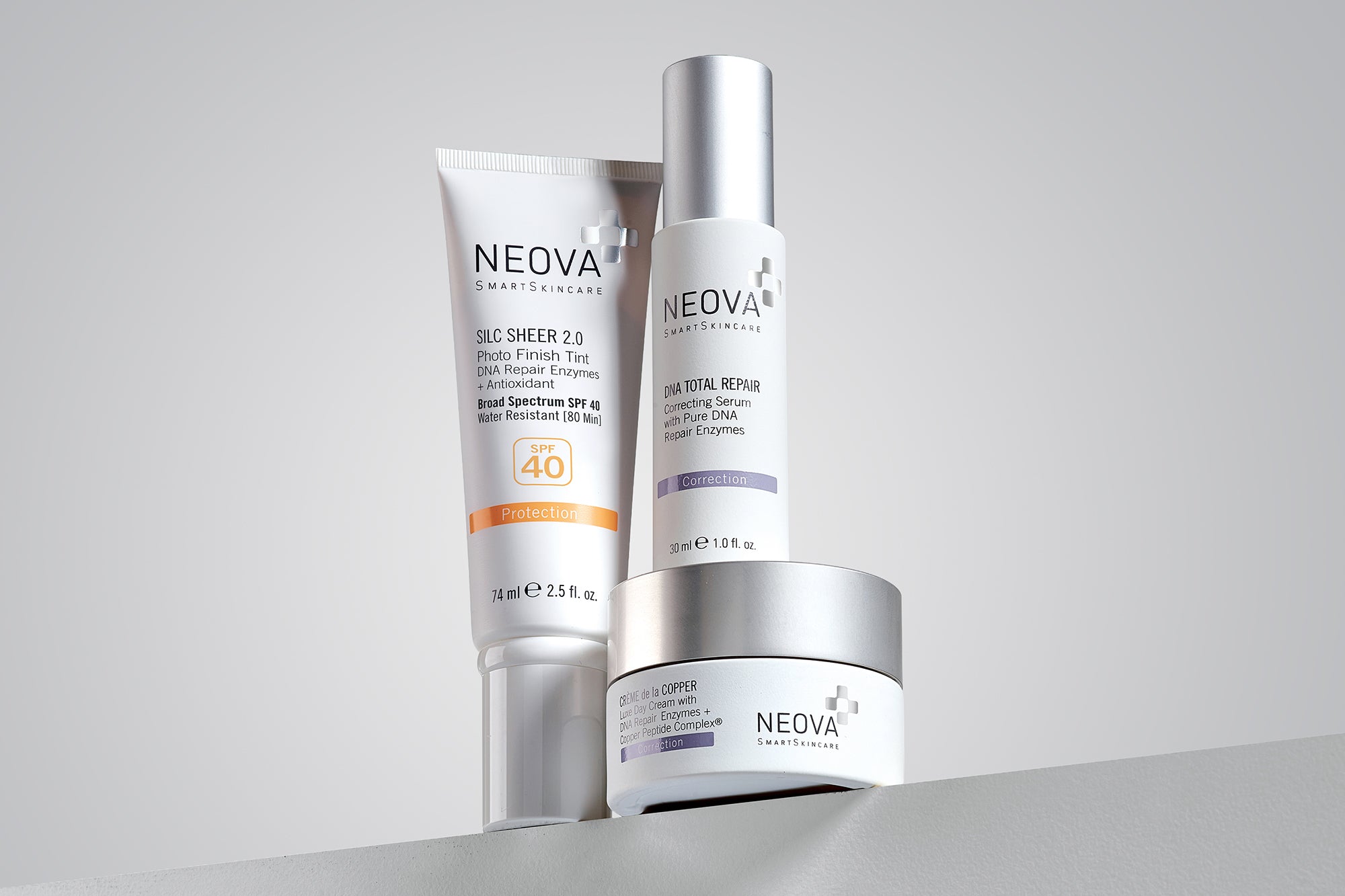
NEOVA has built its formulations around DNA repair enzyme delivery, combining repair-focused ingredients with antioxidants, like vitamin C, copper peptides and other skin-supportive technologies. The approach is designed to support the skin's natural repair processes while helping defend against ongoing environmental stress.
NEOVA's DNA Repair collection centers on this approach, pairing DNA repair enzymes with protective and skin-supportive ingredients.
The goal is not to stop the biological aging process. Rather, it is to take a proactive approach to one of the environmental factors that can contribute to visible skin aging.

What Skin Longevity Skincare Can—and Cannot—Do
Skin longevity is an emerging framework, not a standardized category of cosmetic products. The term can describe everything from established skincare practices such as sunscreen and retinoids to newer claims involving cellular aging, regeneration and other biological pathways.
That makes it important to look beyond the word “longevity” on a product label.
Skincare can help protect skin from environmental exposure, support the skin barrier, improve the appearance of wrinkles and pigmentation, and support healthy-looking skin. However, cosmetic products should not be assumed to stop or reverse biological aging simply because they are marketed around cellular longevity.
The most reliable approach is to look for specific ingredients, clearly defined benefits and evidence supporting the product's claims.
For long-term skin health, the fundamentals remain important: consistent sun protection, appropriate treatment of visible concerns, barrier support and a routine that can realistically be maintained over time.
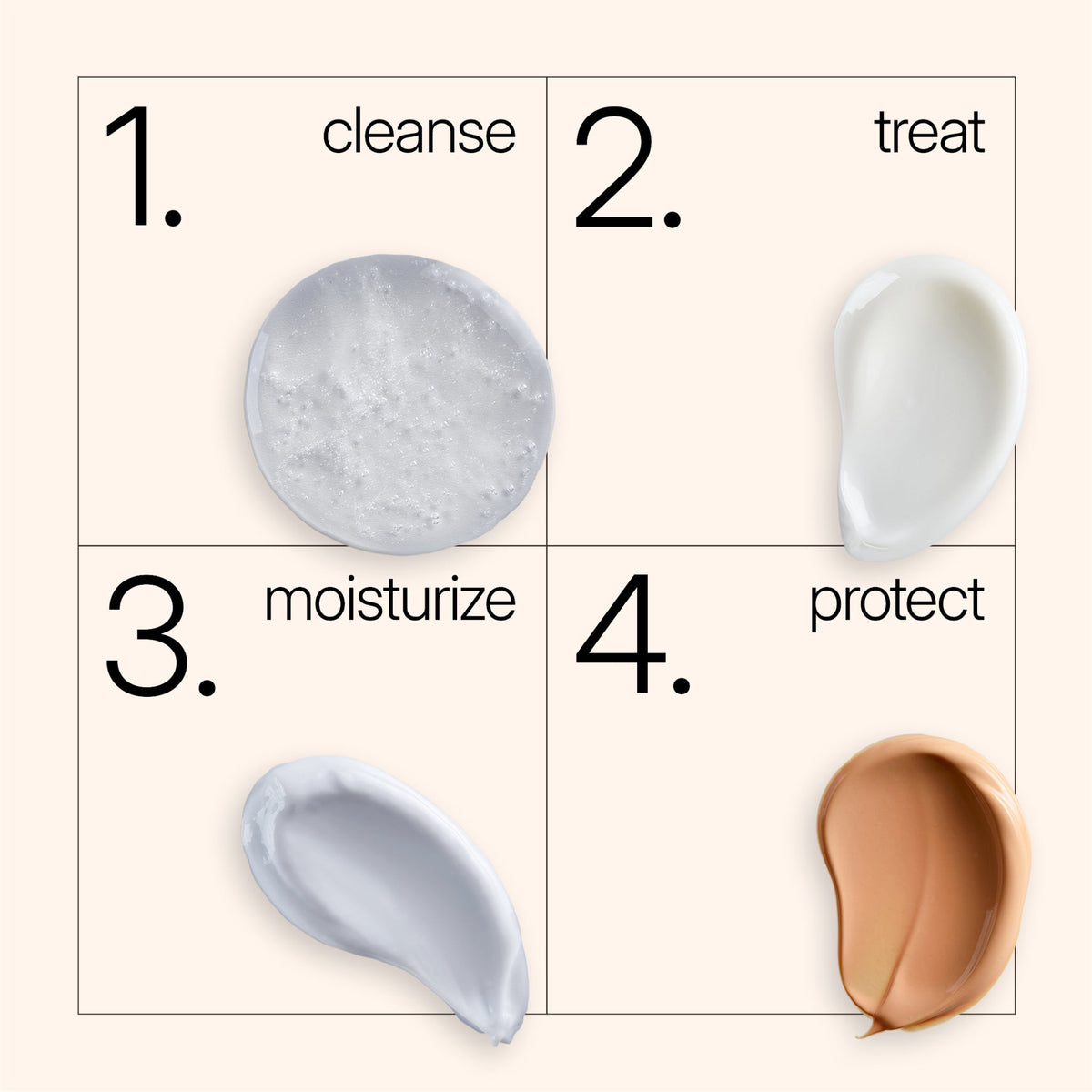
How to Build a Skin Longevity Routine
A longevity-focused routine does not need to be complicated. It should be consistent and built around four priorities.
1. Maintain
A healthy skin barrier helps maintain moisture and provides an important first line of defense against external stressors.
Gentle cleansing, regular moisturization and formulations that support rather than disrupt the barrier can help maintain comfortable, resilient skin.
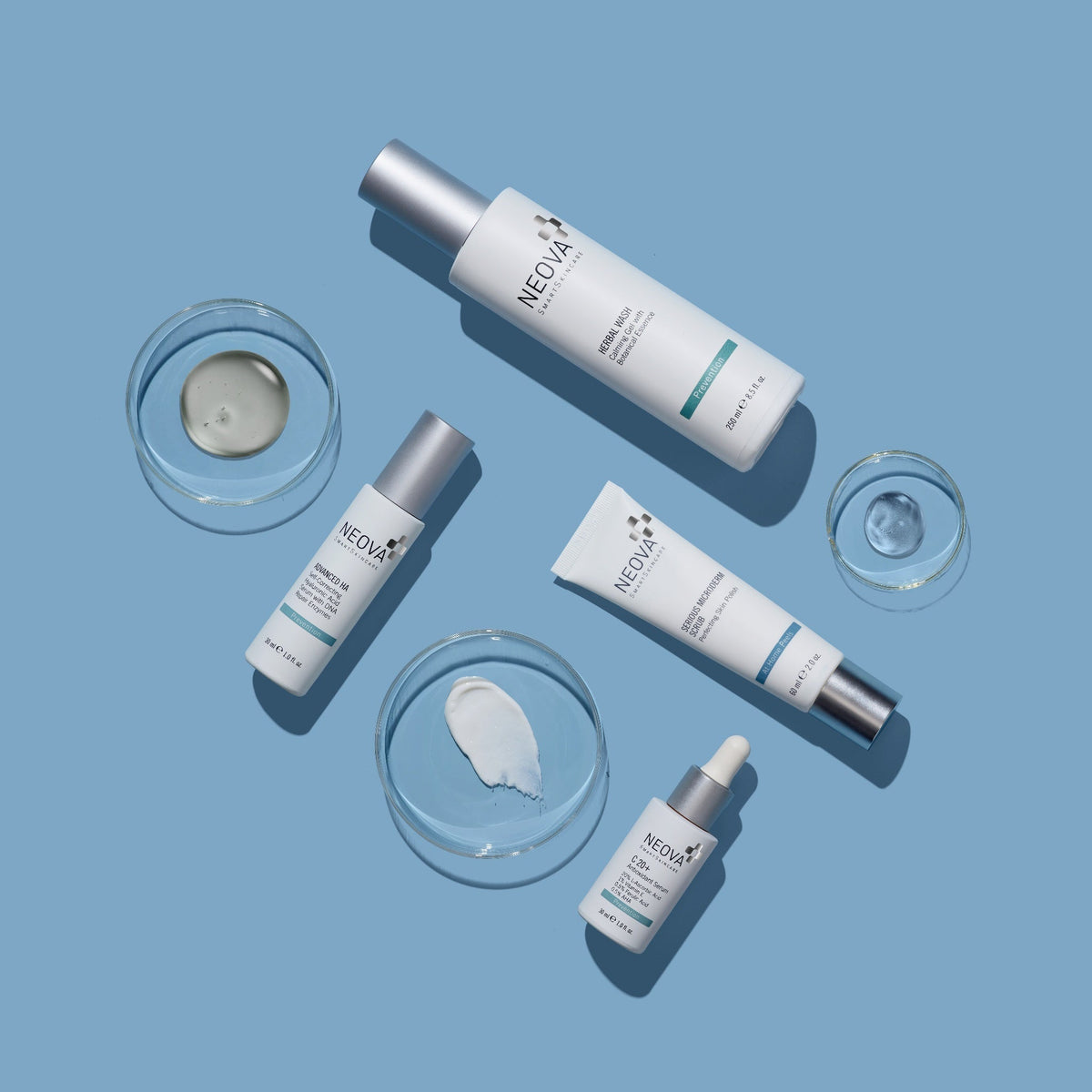
For a longevity-focused routine, a cleanser like Radiant Wash, which gently exfoliates with buffered fruit acids to help remove dead skin cells, excess oil and buildup, can help keep skin clean and conditioned without making cleansing unnecessarily aggressive.
Explore NEOVA's cleansers for options suited to different skin needs.

2. Treat
Long-term skin health does not mean ignoring visible concerns.
Retinoids, antioxidants, exfoliating ingredients and other evidence-supported actives can be used to address concerns such as fine lines, uneven tone and texture. The right treatment depends on individual skin needs, goals, and tolerance.
For example, the NEOVA Intensive Retinol Spray helps improve the appearance of lines, wrinkles and uneven texture, while the NEOVA C 20+ vitamin C serum combines 20% L-ascorbic acid with vitamin E and ferulic acid to brighten skin and help defend against oxidative stress.

3. Repair
The skin has its own repair mechanisms that respond to environmental stress and cellular damage. Supporting these natural processes also means maintaining hydration and reinforcing the skin barrier.
A repair-focused treatment can complement this natural process. NEOVA's DNA Total Repair line is formulated around DNA repair enzyme technology to support morning and night skincare routines.
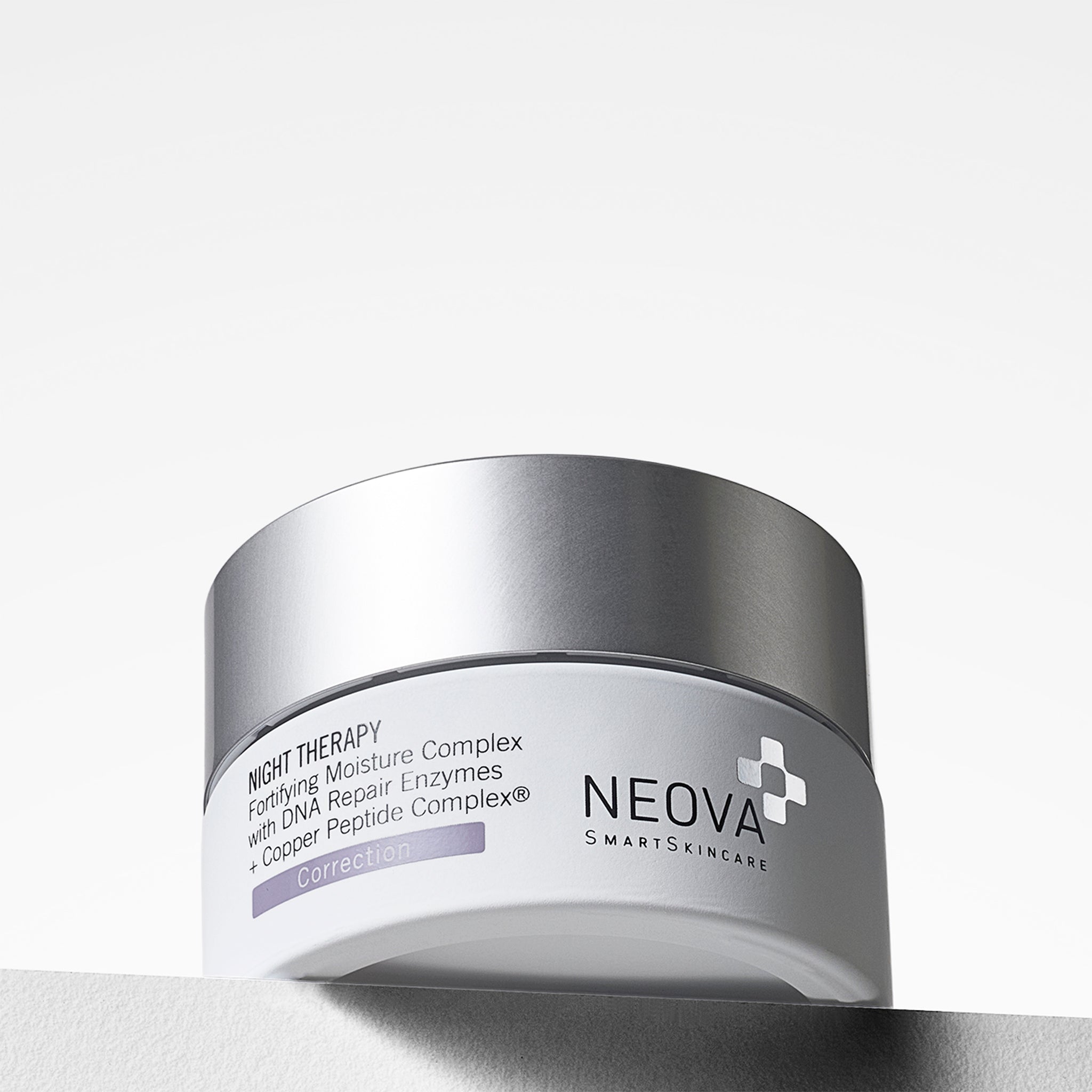
For those seeking barrier support, NEOVA Daily Moisture provides lightweight daily hydration with a copper-peptide formula, while Night Therapy, another peptide moisturizer, replenishes moisture overnight to help keep skin soft, smooth and comfortable.

4. Protect
Daily broad-spectrum sunscreen is foundational. UV exposure is a major contributor to photoaging, so reducing cumulative exposure is one of the most important ways to support long-term skin health. Use a sunscreen SPF 30+ each morning.
NEOVA's sun protection collection includes hybrid sunscreen formulas, such as Active (SPF 43) and Everyday (SPF 44), designed for daily use.

The result is a layered approach: protect skin from new environmental damage, maintain the barrier, address visible concerns and support the skin's natural repair processes.
Prevention and Correction Work Together
The distinction between anti-aging and longevity can sometimes make traditional skincare sound purely corrective. In reality, many established anti-aging practices are also preventive.
Daily sunscreen, for example, is both a foundational anti-aging step and a form of prevention. Retinoids may be used to improve existing fine lines and texture while also supporting longer-term improvements in skin appearance.
Brightening ingredients can address existing discoloration, while antioxidants can help defend against oxidative stress.
The most comprehensive approach is therefore not prevention instead of correction. It is prevention and correction together.
A longevity-focused routine considers what the skin needs today while also accounting for the cumulative effects of environmental exposure over time.
A Dermatologist's Perspective

These principles become particularly important when skin is recovering from professional treatments. Dr. Lesley Clark Loeser, board-certified dermatologist on the NEOVA Medical Advisory Council, emphasizes the importance of protecting the skin during recovery, noting that, “Photoprotection is the most important part of recovery”.
While post-procedure skin has unique needs, the principle extends to everyday skincare: minimizing UV exposure is an important part of protecting skin from cumulative environmental damage.

How to Choose Skin Longevity Products
Because “longevity” is increasingly used in skincare marketing, it is worth looking beyond the terminology.
Look for evidence-supported ingredients. Retinoids, antioxidants, peptides, exfoliating ingredients and barrier-supporting ingredients each have established roles in skincare.
Look for clinical testing. Ingredient research is only part of the picture. Clinical testing on the finished product can provide additional insight into how a formulation performs on skin. Before-and-after photography, instrumental measurements and consumer or clinician assessments can help demonstrate changes in specific, measurable skin concerns.
Evaluate the claim, not just the buzzword. Terms such as “cellular,” “regenerative” and “longevity” do not tell you how effective a product is. Look for specific ingredients, clearly defined benefits and evidence that supports the finished formulation's claims.
Prioritize consistency. A simple routine used consistently is more useful for long-term skin health than an elaborate routine that is difficult to maintain.
Address both prevention and visible concerns. Protecting the skin today and treating concerns that are already present do not have to be separate strategies. A comprehensive routine can support long-term skin health while addressing the changes you can see today.
Is Skin Longevity Only for Mature Skin?
No. Skin longevity is relevant at every stage of adulthood because environmental exposure and biological aging occur over time.
Younger skin may benefit from prioritizing daily UV protection, barrier support and prevention, while mature skin may place greater emphasis on concerns such as pigmentation, texture, firmness and accumulated environmental damage.
The underlying principle remains the same: protect healthy skin, address concerns as they arise and maintain a consistent routine over time.

Frequently Asked Questions
What does skin longevity mean in skincare?
Skin longevity refers to maintaining healthy skin structure and function over time. It emphasizes prevention, protection, repair and resilience alongside the treatment of visible signs of aging.
How is skin longevity different from anti-aging?
The two approaches overlap significantly. Anti-aging skincare often focuses on visible concerns such as wrinkles, pigmentation and loss of firmness, while skin longevity places greater emphasis on maintaining skin health and preventing cumulative damage over time.
Is skin longevity just another name for anti-aging skincare?
Not exactly. Many ingredients used in longevity-focused skincare, including sunscreen, antioxidants, peptides and retinoids, have long been part of anti-aging routines. Skin longevity is better understood as a broader framework that combines prevention and long-term maintenance with treatment of visible concerns.
Why is DNA repair important for skin longevity?
UV exposure can damage skin cell DNA, and cumulative environmental damage can contribute to photoaging. Supporting the skin's natural repair processes is one component of a broader approach to protecting and maintaining skin health.
Can skincare actually slow biological aging?
Advanced skincare can help protect skin from environmental damage and improve the appearance of many visible signs of aging, but it should not be assumed to stop or reverse biological aging. Claims about altering biological aging require evidence specific to the ingredient, formulation and intended benefit.
Can a skincare routine support skin longevity?
Yes. A consistent routine that combines daily broad-spectrum sun protection, barrier-supporting care and appropriate treatment ingredients can help protect skin from ongoing environmental stress while addressing visible concerns and supporting healthy-looking skin over time.
Is skin longevity skincare only relevant for older skin?
No. Prevention and protection are relevant at every stage of adulthood. The specific priorities of a routine may change with age, but maintaining healthy skin and minimizing cumulative environmental damage are long-term goals.

The Takeaway
Skin longevity is not about abandoning anti-aging skincare. It is about taking a broader view of what healthy skin needs over time.
Visible signs of aging are influenced by both intrinsic biological changes and cumulative environmental exposure. A comprehensive skincare routine can address the concerns that are already visible while also focusing on prevention, protection, barrier health and the skin's natural repair processes.
For a longevity-focused approach, start with the fundamentals: protect skin from daily UV exposure, maintain the skin barrier, use evidence-supported treatments for specific concerns and choose formulations designed to support healthy skin function over time.
NEOVA's approach centers on the relationship between environmental protection and DNA repair, bringing repair-focused technology into a broader routine built around long-term skin health.
Explore NEOVA's DNA Repair collection to build a routine centered on repair, protection and healthy-looking skin at every stage.