
Article: Dark Spots After Summer? How to Address Uneven Tone Without Overdoing It
Dark Spots After Summer? How to Address Uneven Tone Without Overdoing It
Post-summer dark spots usually fall into a few different categories, and the right approach depends on what caused them. Rather than attacking pigmentation as aggressively as possible, the smarter move is reducing excess pigment while minimizing the inflammation that can make discoloration more persistent. That distinction matters more than any single product, and it's the foundation of NEOVA's Brightening Skincare Collection, built to fade uneven skin tone gradually without pushing already-stressed skin into a worse state.
Here's what's actually causing post-summer discoloration, why more products usually aren't the answer, and what to use instead.

What Causes Dark Spots After Summer?
Before treating a dark spot, it helps to know roughly what kind it is. Not every darker area after summer counts as a "dark spot" in the clinical sense. Some of it is simply tanning, and the rest usually falls into one of three categories.
General tanning isn't the same as a dark spot. After months of sun exposure, skin can look generally darker or less even without developing discrete areas of hyperpigmentation. This diffuse change tends to fade on its own as skin naturally turns over. More established pigmentation, on the other hand, can persist well past summer.
Sun-induced pigmentation (solar lentigines). These are the flat brown spots that show up after cumulative UV exposure, often on the cheeks, chest, and backs of the hands. They tend to develop gradually and darken further with continued sun exposure.
Post-inflammatory hyperpigmentation (PIH). This is a mark left behind after inflammation, whether from a blemish, a scrape, or an irritating product. UV exposure stimulates melanocytes, the pigment-producing cells, and any inflammatory trigger can do the same. That's why a healed pimple from July can leave a dark spot that lingers into September.
Melasma. This tends to appear as broader, more symmetrical patches, often across the cheeks, forehead, or upper lip, and is frequently influenced by hormonal shifts in addition to sun exposure. Treating melasma typically requires a different, more targeted approach than a single sun spot or PIH mark.
If a spot isn't fading after several months of consistent care, or its pattern doesn't match a specific sunburn or blemish, that's a reasonable signal to check in with a dermatologist rather than keep adjusting products on your own.

Why Over-Exfoliating Can Make Dark Spots Worse
When a dark spot shows up, the instinct is often to hit it hard: stronger acids, more frequent exfoliation, a harsher spot treatment applied nightly. That instinct tends to backfire. Over-exfoliation and aggressive at-home routines are common triggers for irritation, and irritation is exactly what activates the same pigment-producing response you're trying to fade [1]. For skin already dealing with late-summer sun exposure, an over-exfoliated routine can end up creating fresh discoloration in the same week it's supposed to be treating the old spots.
A few adjustments make a meaningful difference here:
-
Introduce one brightening active at a time. Layering vitamin C, a new acid, and retinol simultaneously makes it hard to tell what's helping and what's causing irritation.
-
Scale back exfoliation if skin starts stinging, tightening, or flaking. Those are signs the barrier is under more stress than the treatment is worth.
-
Don't apply acids or spot treatments to skin that's already irritated. Let redness or sensitivity calm down first.
-
Give one approach several weeks before escalating. Pigment correction is slow by nature, and switching products every week rarely speeds it up.
The pattern to avoid: Dark spot leads to more acids, which leads to irritation, then inflammation, then more visible discoloration.
The consistent approach that actually works: Dark spot leads to targeted, consistent treatment, then barrier support, then daily SPF, then time.

Ingredients That Help Fade Dark Spots and Uneven Tone
Vitamin C
Vitamin C supports brighter, more even-looking skin while providing antioxidant protection against the oxidative stress associated with UV exposure. It can also influence melanogenesis by affecting the activity of tyrosinase, the enzyme involved in melanin production.

Retinoids
Retinoids support cell turnover and pigment management. Retinoids, including alpha-beta-retinol, can also cause dryness and irritation, so it's worth introducing them gradually and avoiding stacking them with multiple exfoliating treatments when skin is already sensitized.

Exfoliating Acids
Exfoliating acids help remove pigmented surface cells. AHAs such as glycolic and lactic acid increase surface cell turnover. In clinical evaluation, they've been associated with visible improvement in post-inflammatory hyperpigmentation and tone homogeneity over about 4 to 12 weeks of consistent use[2]. More frequent use isn't necessarily better, though. Excessive exfoliation can compromise the barrier and increase irritation, particularly when combined with other active ingredients.
DNA Repair Enzymes
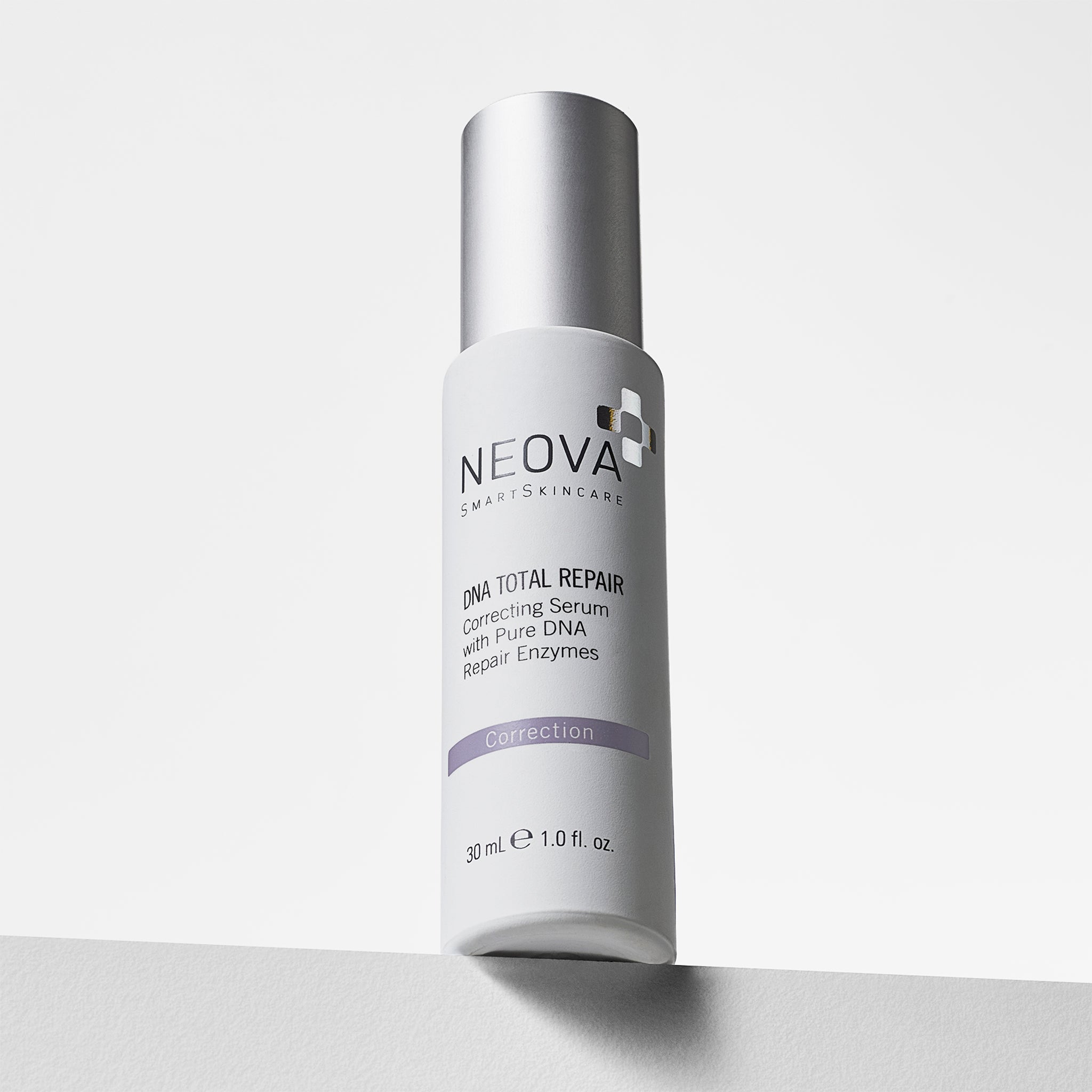
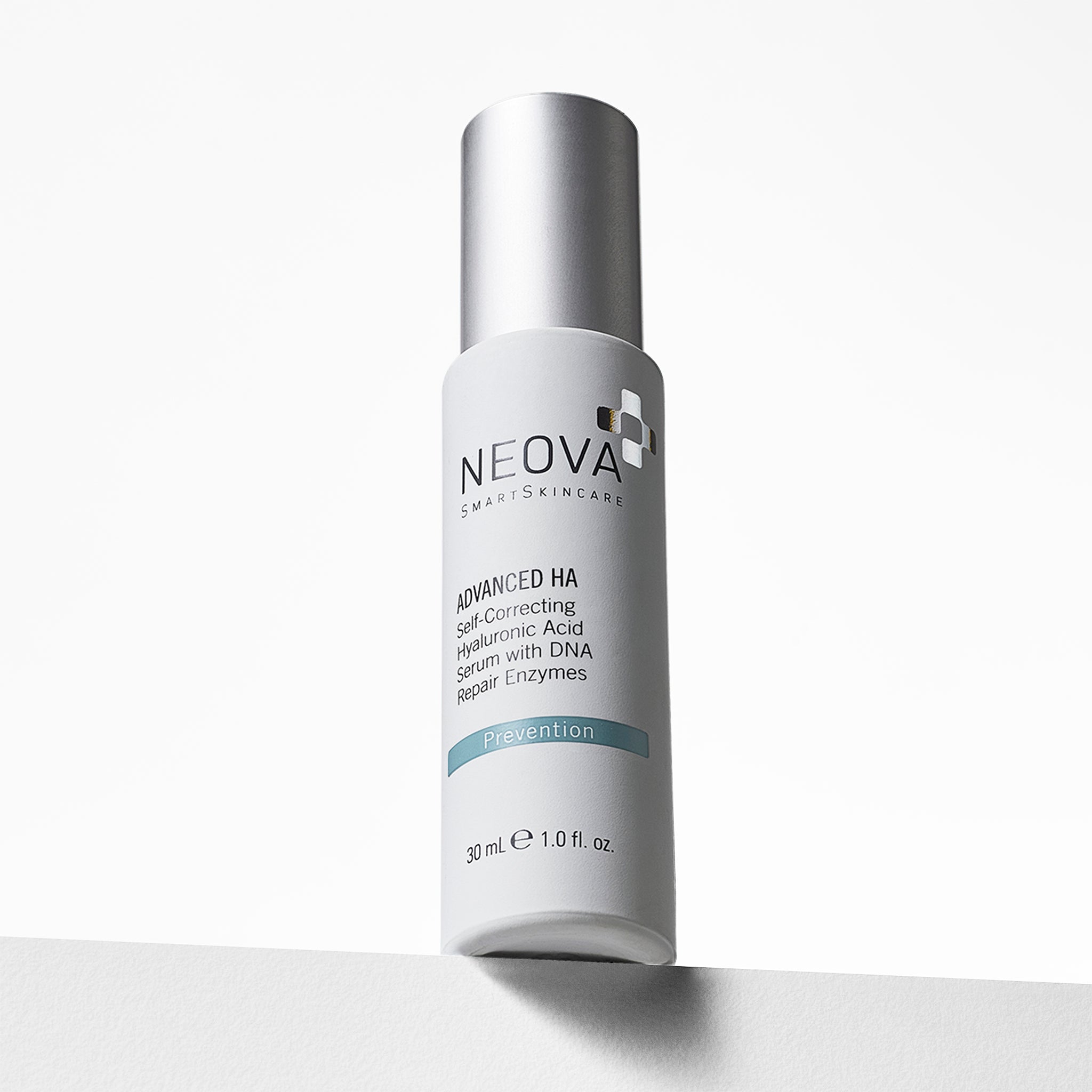
DNA repair enzymes address a different consequence of UV exposure. UV radiation can damage cellular DNA, contributing to the cumulative effects of photoaging. Brightening ingredients and pigment-targeting treatments address the appearance and formation of excess pigment, while DNA repair enzymes target UV-induced DNA damage. These work as complementary approaches rather than interchangeable ones, which is why NEOVA pairs its DNA Repair enzyme line with brightening actives instead of expecting either to do both jobs alone.

Why Your Barrier Matters
A compromised, dry barrier is more prone to irritation, and irritation is exactly what restarts the pigment cycle described above. Pairing brightening actives with a barrier-supportive moisturizer from the Barrier Defense Collection helps skin handle treatment instead of reacting to it.
Daily SPF Is Part of Pigment Correction
UV exposure is one of the main triggers behind both sun-induced spots and PIH, and this holds even on cloudy or cooler days[1]. Skipping SPF while treating dark spots is one of the more common reasons results stall. For pigmentation-prone skin, broad-spectrum UV protection is foundational.
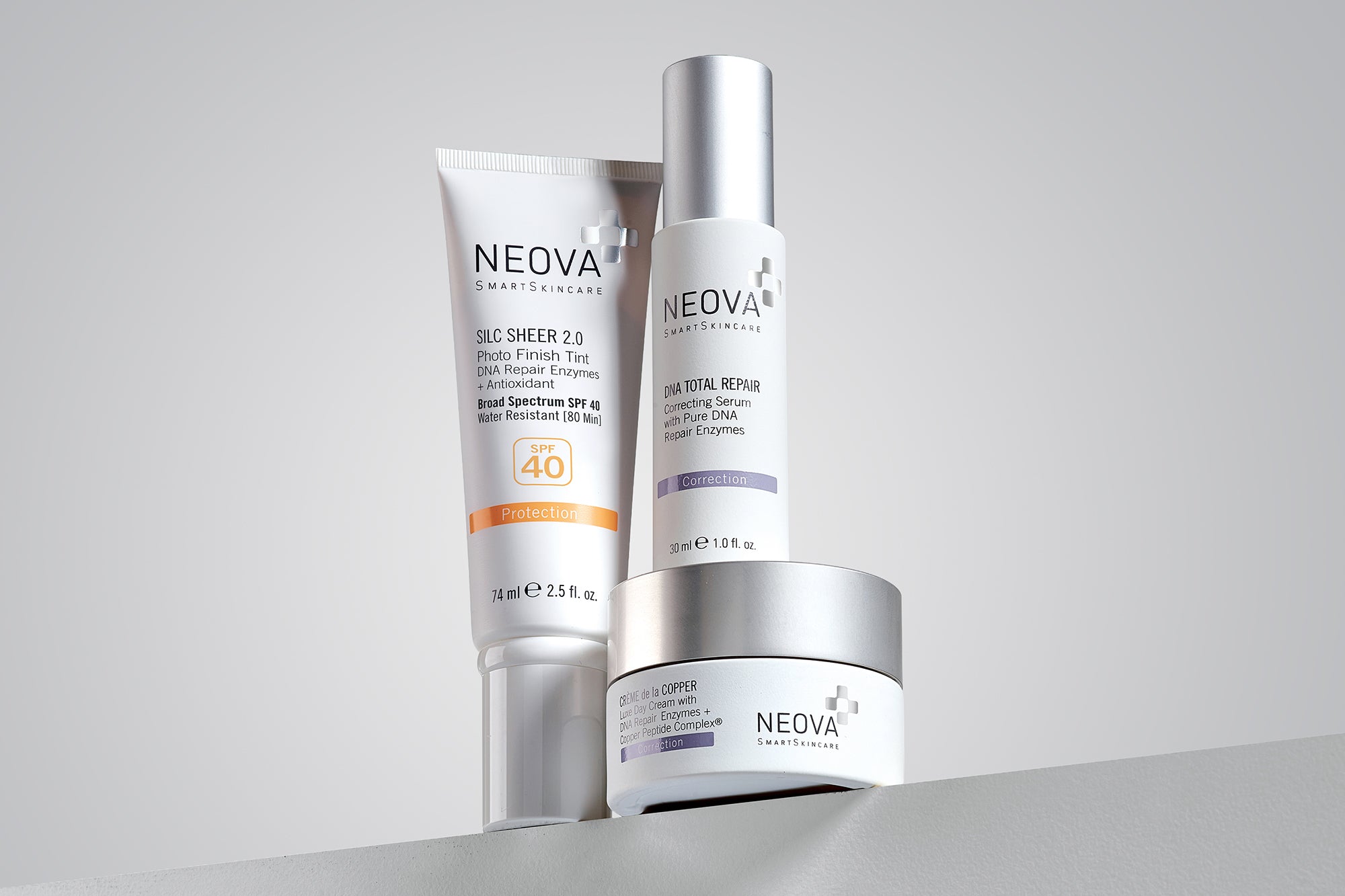
For skin prone to melasma, protection against visible light may also be relevant. Research on iron oxide-containing sunscreens has found that visible light, particularly high-energy blue light, can worsen pigmentary conditions like melasma and PIH. Tinted formulations offering visible-light protection have outperformed UV-only sunscreens on measures of melasma severity in clinical studies[3]. That's a useful distinction for anyone who has kept up a UV-only sunscreen habit but still sees melasma resurface, and it's worth considering a tinted, iron oxide-containing formula, like Silc Sheer 2.0, rather than a standard white sunscreen.

How to Build a Routine for Post-Summer Pigmentation
A simple structure makes it easier to build a routine without stacking too much at once:
-
Morning: Cleanser, antioxidant serum, eye treatment (optional), moisturizer, SPF 30+
-
Evening: Cleanser, one brightening or repair treatment, moisturizer
-
Exfoliation: One to three nights a week after cleansing, depending on tolerance
-
Retinol: Alternate nights with exfoliation rather than using both on the same night
Within NEOVA's lineup, each product has a specific job rather than overlapping functions:
| Role in the Routine | Some NEOVA Options |
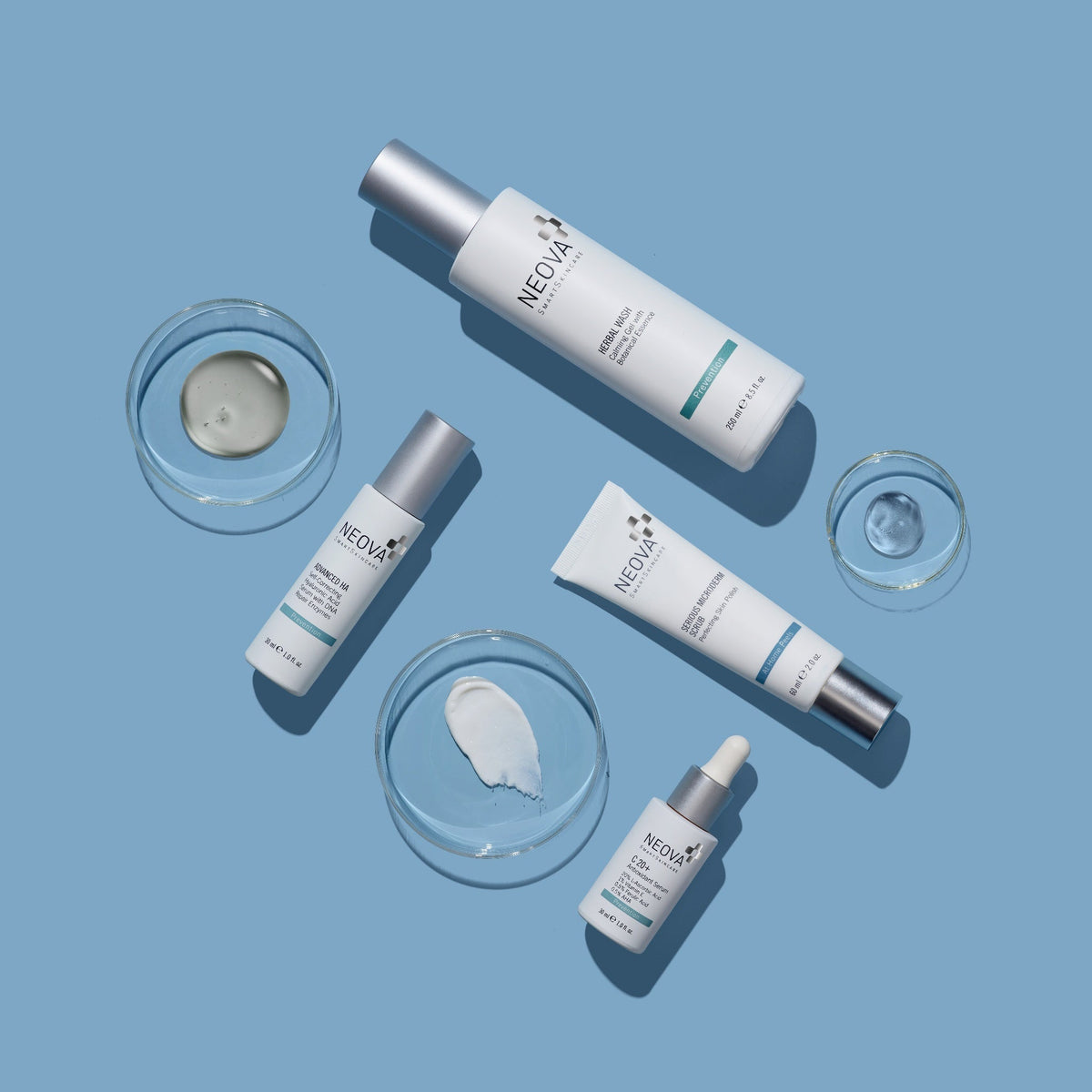
| Cleanser | Radiant Wash, Herbal Wash |
| Antioxidant Serum | C 20+, Serious Clarity 4X |
| Eye Treatment | Illuminating Eye Serum, Super Eye Lift Serum |
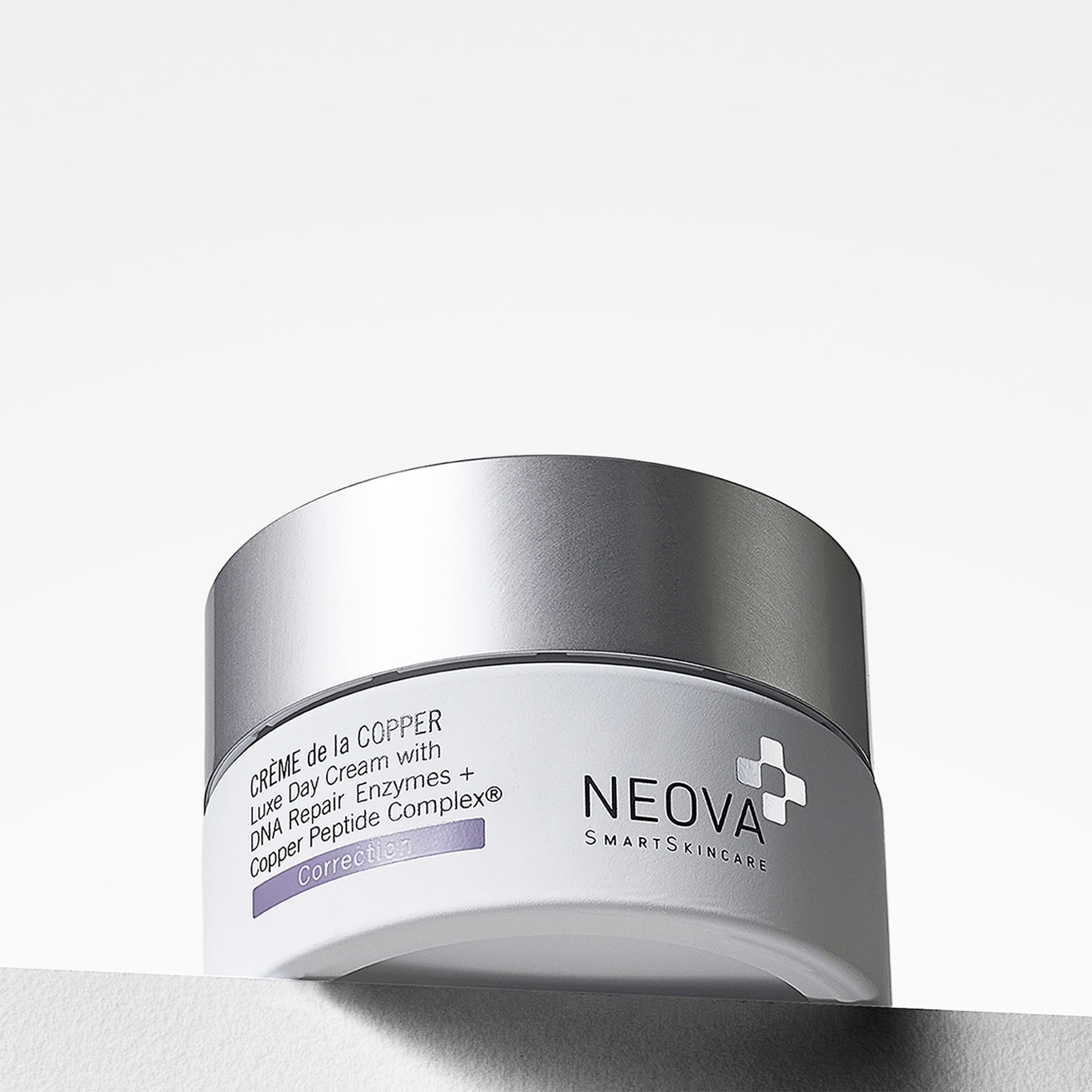
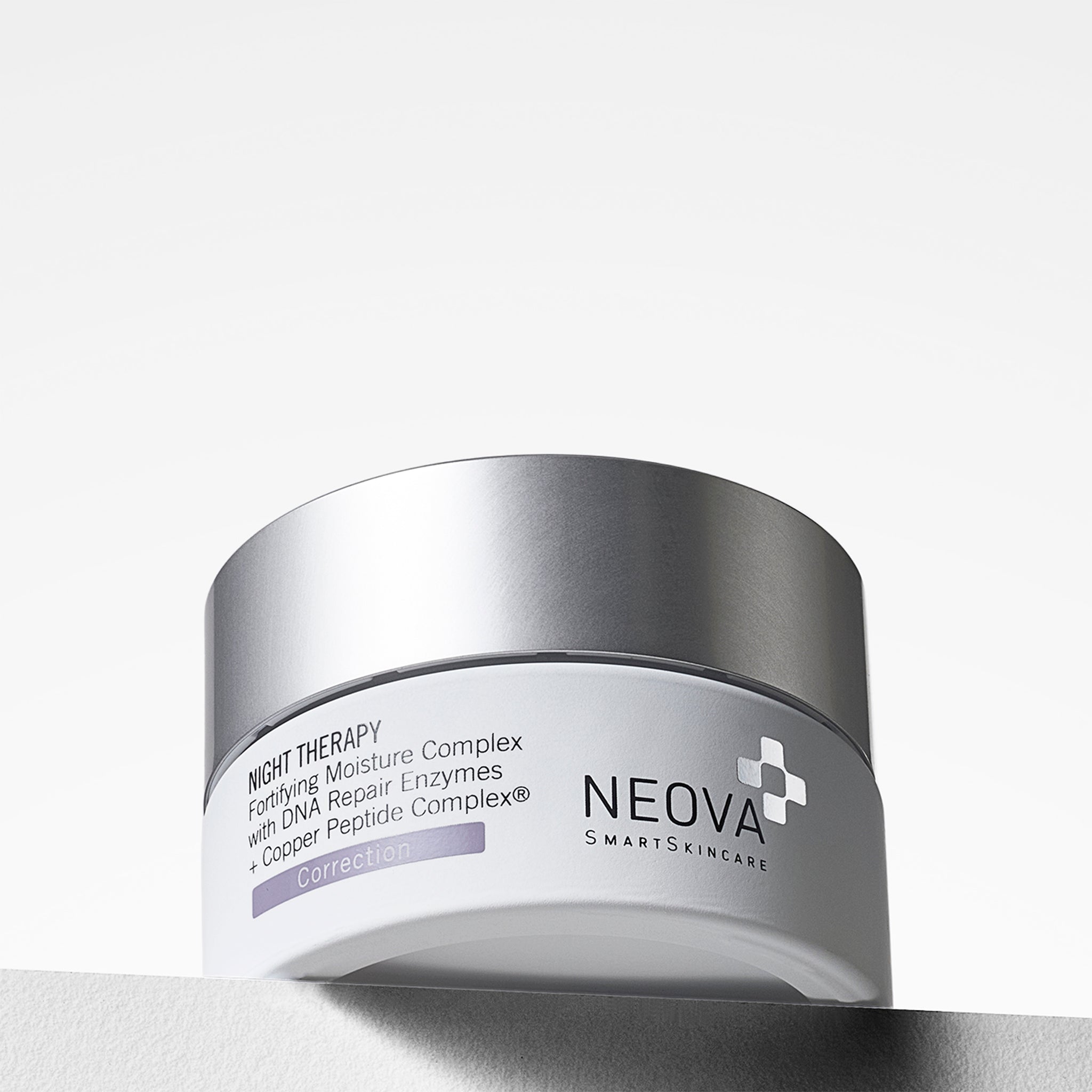
| Reparative Moisturizer | Night Therapy, Crème de la Copper |
| Sun Protection | Silc Sheer 2.0, Everyday |
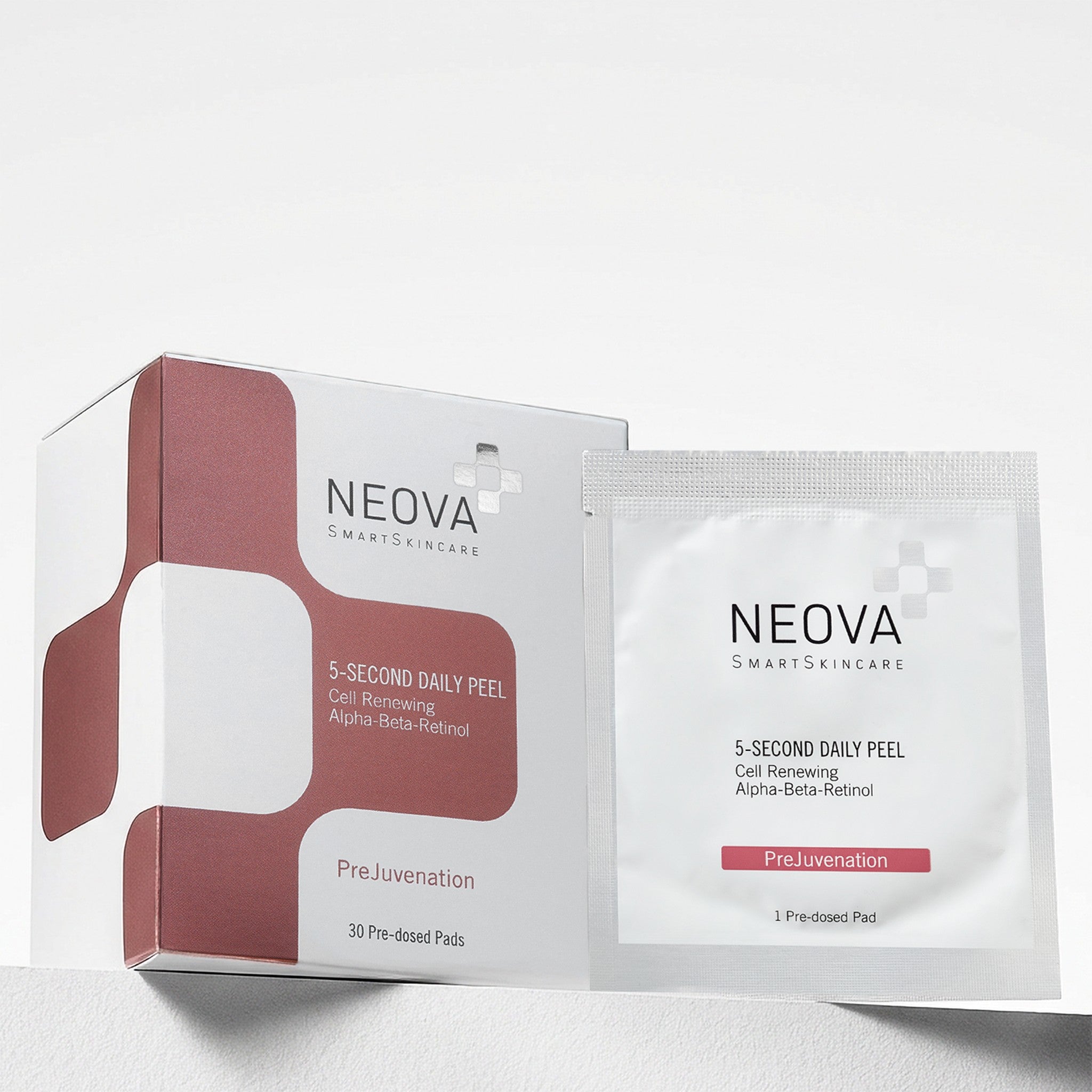
| Exfoliation | 5-Second Daily Peel, Serious Glypeel, 15-Minute Reset Mask |
| Retinol Treatment | Retinol Rapid Tx, Intensive Retinol Spray, Cell Renewal |
Together, they cover different parts of the process instead of asking one product to do everything. Give a consistent routine at least several weeks before evaluating whether it's helping. Some superficial discoloration may improve within that window, while more established pigmentation can take considerably longer.
When Should You Have a Dark Spot Checked?
A new or changing pigmented spot shouldn't automatically be treated as cosmetic discoloration. If a spot changes in size, shape, color, or texture, bleeds, crusts, or looks noticeably different from the others on your skin, have it evaluated by a dermatologist before treating it at home.

Frequently Asked Questions About Post-Summer Dark Spots
How long does it take for post-summer dark spots to fade?
It varies by cause, depth, and skin tone. Some superficial, sun-related darkening can improve within several weeks of consistent care, while more established pigmentation, such as melasma or deeper PIH, can take considerably longer.
It also helps to distinguish sun-related changes from normal skin aging. Not every change in tone or texture that becomes more noticeable with age is caused by sun exposure. Learn more in Sun Damage vs. Normal Aging.
Can over-exfoliating make dark spots worse?
Yes. Too much exfoliation can cause irritation and inflammation, which may contribute to post-inflammatory hyperpigmentation.
If you have sensitive skin, start with an exfoliating pad treatment 1-2 times a week for more controlled application and less friction. Scrubs rely on physical friction, so pressure and frequency matter more. Avoid aggressive rubbing or using them too often.
Is vitamin C good for uneven skin tone?
Yes. Vitamin C can help brighten the appearance of uneven skin tone and discoloration while supporting a more even-looking complexion. NEOVA C 20+ Antioxidant Serum combines 20% L-ascorbic acid with vitamin E and ferulic acid for antioxidant support and a brighter-looking complexion.

Should I use a brightening serum or exfoliating treatment for dark spots?
It depends on your skin and the type of discoloration you're addressing. A brightening serum, like Serious Clarity 4X, can be a good starting point for consistent daily pigment support, while exfoliants and peels can help with surface renewal. If your skin is already dry, sensitive, or irritated after summer, start with a gentler approach rather than adding multiple exfoliating products at once.
Vitamin C vs. Niacinamide: Which is better for uneven skin tone?
Both vitamin C and niacinamide can help improve the appearance of uneven skin tone, but vitamin C offers a more targeted approach for discoloration and environmental stress. As a topical antioxidant, vitamin C helps defend against free radicals while brightening the appearance of uneven tone. Niacinamide supports the skin barrier and can help reduce the appearance of discoloration over time. For a concentrated vitamin C treatment, try NEOVA C 20+ antioxidant serum, formulated with 20% L-ascorbic acid, vitamin E and ferulic acid.

A Smarter Approach to Uneven Tone
Consistent, targeted treatment fades post-summer pigmentation more reliably than an aggressive routine does, and avoiding new irritation matters as much as the actives themselves. Post-summer discoloration responds better to a smarter routine than to a stronger one.
Explore NEOVA's Brightening Collection for physician-backed formulas designed to correct tone while keeping skin's barrier intact.
Sources
[1] Ewa Markiewicz, Nevena Karaman-Jurukovska, Thomas Mammone &
Olusola C Idowu (2022) Post-Inflammatory Hyperpigmentation in Dark Skin: Molecular
Mechanism and Skincare Implications, Clinical, Cosmetic and Investigational Dermatology, 2555-2565, DOI: 10.2147/CCID.S385162
[2] Houshmand EB. Effect of glycolic acid, phytic acid, soothing complex containing Emulsion on Hyperpigmentation and skin luminosity: A clinical evaluation. J Cosmet Dermatol. 2021 Mar;20(3):776-780. doi: 10.1111/jocd.13950. Epub 2021 Feb 2. PMID: 33458927.
[3] Dumbuya H, Grimes PE, Lynch S, Ji K, Brahmachary M, Zheng Q, Bouez C, Wangari-Talbot J. Impact of Iron-Oxide Containing Formulations Against Visible Light-Induced Skin Pigmentation in Skin of Color Individuals. J Drugs Dermatol. 2020 Jul 1;19(7):712-717. doi: 10.36849/JDD.2020.5032. PMID: 32726103.