End of Summer Skincare: How to Reset and Repair Sun-Stressed Skin
The end of summer is a good time to take stock of your skin. Months of sun exposure, heat, humidity, and environmental stress can leave skin looking less even, feeling dehydrated, or showing more visible signs of UV exposure.
In the short term, sun exposure can cause redness or a short-lived tan. Over time, repeated exposure creates stress within your skin cells that can show up as changes in tone, texture, and hydration.
You may notice these changes more clearly as summer comes to an end. Even everyday, incidental exposure adds up over time and can contribute to dark spots, uneven skin tone, and a weakened skin barrier. Your skin has natural defense and repair processes in place, but with ongoing exposure and aging, they can become less efficient.
With consistent support, your skin can improve. Focusing on hydration, barrier support, and ingredients that support the skin’s natural renewal processes can help restore a healthier, more even-looking complexion over time.

What Does Sun Exposure Do to Your Skin?
Sun-stressed skin can show up in a few different ways, and it doesn’t always look the same for everyone. What you notice often depends on your skin type, age, and how much cumulative sun exposure you’ve had over time.
Dark spots and hyperpigmentation
One of the most common signs is dark spots or patches of uneven pigment. This may manifest in melasma or areas of hyperpigmentation, which occur when your skin produces extra melanin in response to UV exposure. These spots often become more noticeable after summer and usually fade slowly without consistent skincare support.

Uneven skin tone
Sun exposure can also disrupt your skin’s overall balance, leading to uneven tone or patchy areas of discoloration. This may show up as darkened areas, melasma, or a general loss of radiance. It can be influenced by a combination of pigmentation changes, dehydration, and surface texture shifts.
Dehydration and moisture loss
Sun exposure, heat, and environmental stress can increase transepidermal water loss (TEWL), making it harder for your skin to hold onto moisture. When this happens, skin can feel dehydrated, tight, look dull, or lose its natural suppleness, even if it normally feels oily.

Changes in skin texture
With repeated sun exposure, the skin’s surface can start to feel rougher or less smooth. You may notice a more fatigued appearance overall, which can be linked to slower cell turnover and cumulative UV stress.
Recognizing these changes is an important first step. Once you understand what your skin is showing you, it becomes easier to focus on the right steps to help repair sun-damaged skin and support a healthier, more even-looking complexion over time.
Why Sun-Stressed Skin Needs More Than One Approach
Repairing sun-stressed skin involves more than fading dark spots or restoring moisture. While those changes may be the most visible, UV exposure affects the skin at multiple levels, which is why recovery often requires a more comprehensive approach.
Your skin has natural defense and repair systems that work continuously to address environmental stress, including damage caused by UV exposure. At the cellular level, this includes DNA repair pathways that help identify and correct certain types of damage. However, these processes can become less efficient over time, particularly after years of cumulative sun exposure.
UV exposure also generates free radicals, which contribute to oxidative stress within the skin. When oxidative stress exceeds the skin’s antioxidant defenses, it can lead to visible concerns such as uneven tone, dullness, and other signs of photoaging.
The skin barrier plays an important role as well. This outer protective layer helps retain moisture and defend against environmental stressors. When it becomes compromised, skin may feel dry, sensitive, or less resilient, making it more difficult to recover from existing damage.
A post-summer reset, then, must support the skin from multiple angles. Antioxidant defense, hydration, barrier support, and ingredients that support the skin’s natural repair processes can all contribute to healthier-looking skin over time.

Ingredients to Look for in an End-of-Summer Skincare Routine
No single ingredient can address every sign of sun exposure. A thoughtful approach combines ingredients that help defend against oxidative stress, replenish lost moisture, support the skin barrier, and assist the skin's natural repair processes.
Antioxidants
Antioxidants help protect your skin from free radical damage caused by UV exposure. Ingredients such as vitamin C, vitamin E, ferulic acid, and niacinamide help reduce oxidative stress that can contribute to uneven tone, dullness, and other visible signs of photoaging.
Hydrating ingredients
Hydrating ingredients like hyaluronic acid, glycerin, and panthenol help attract and retain moisture within the skin. This is especially important after sun exposure, which can increase water loss and leave skin looking dry, tight, or fatigued.
Barrier-supporting lipids
Barrier-supporting lipids including ceramides, fatty acids, and squalane help restore the skin's protective barrier. When your barrier is healthy, your skin is better able to retain moisture, defend against environmental stressors, and recover from damage.
DNA repair enzymes
DNA repair enzymes support the skin's natural repair mechanisms at a cellular level. Ingredients such as photolyase and T4 endonuclease V are studied for their ability to help address certain forms of UV-induced DNA damage, supporting healthier-looking skin over time.
Look for skincare products that combine multiple approaches to support hydration, barrier function, antioxidant protection, and repair. Sun exposure affects the skin in several ways, and recovery often benefits from a comprehensive strategy.

How to Fade Dark Spots and Even Skin Tone After Summer
Dark spots and uneven skin tone are often the first signs of sun exposure people notice. If your complexion looks less uniform than it did before summer, increased melanin production is usually part of the reason. When your skin is exposed to UV radiation, it produces more pigment as a protective response. In some cases, that pigment can remain visible long after the initial exposure has ended.
Improving the appearance of dark spots takes time. Your skin naturally sheds and renews itself, but this process happens gradually. Consistent use of ingredients that support pigment regulation, cellular renewal, and overall skin health, like vitamin C, retinoids, and exfoliating acids (AHAs), can help promote a more even-looking complexion over time.
For persistent-looking discoloration, a targeted brightening formula can complement the rest of your routine. NEOVA's Serious Clarity 4X combines four pigment-targeting technologies to help improve the appearance of dark spots and promote a more even-looking complexion.
It's also important to remember that uneven skin tone is not always caused by pigmentation alone. Dehydration, a compromised skin barrier, and changes in skin texture can all make discoloration appear more noticeable. Addressing these factors together often produces better results than focusing solely on dark spots.
While improvements can be seen over time, preventing additional UV exposure remains just as important as correcting existing damage. Daily sunscreen use, combined with a targeted skincare routine, can help support a clearer, more even-looking complexion and prevent new discoloration from developing.

How to Restore Your Skin Barrier After Summer
Sun exposure can leave skin feeling dry, tight, and more sensitive than usual. This happens because UV rays, heat, and environmental stress can weaken the skin barrier, allowing moisture to escape more easily.
When the barrier is compromised, skin may feel uncomfortable, appear dull, or become more reactive to skincare products. Common signs include dryness, tightness, flaking, and sensitivity.
Supporting recovery starts with restoring hydration and reinforcing the skin barrier. Ingredients that help attract and retain moisture, such as hyaluronic acid, glycerin, and ceramides, along with barrier-supporting lipids, can help improve comfort and resilience.
As hydration levels improve and the barrier recovers, skin often looks smoother, healthier, and more balanced.

Your End-of-Summer Skincare Routine
Skin responds best when hydration, barrier support, and repair pathways are addressed in a steady, structured way.
A simple, repeatable routine helps your skin recover more effectively over time.
Morning Routine
Morning care focuses on protection and preparation. Gentle cleansing helps remove overnight buildup without disrupting the skin barrier, followed by hydration and antioxidant support to help defend against ongoing environmental stress.
-
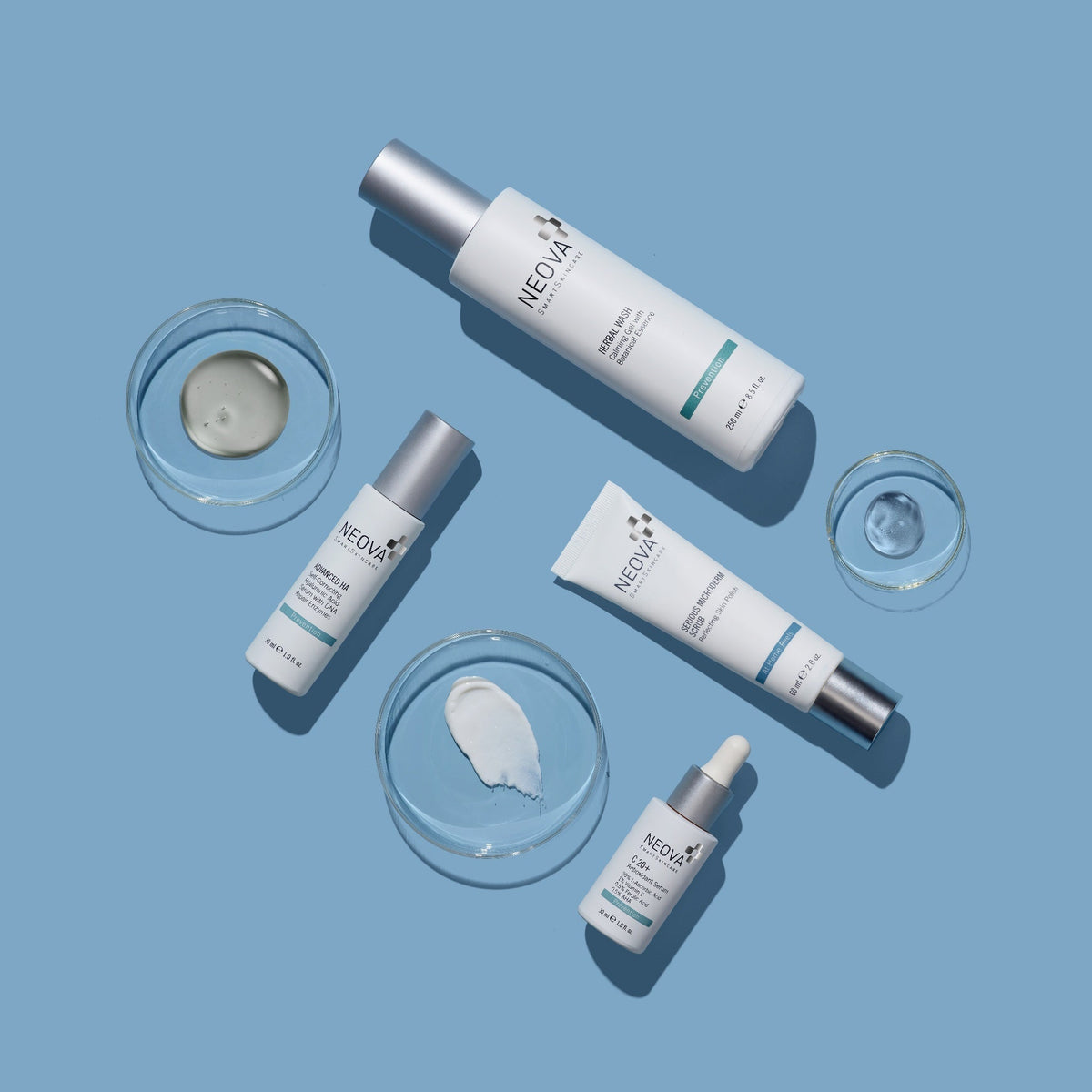
Radiant Wash – Gently cleanses without stripping moisture, helping keep skin comfortable and balanced.
-
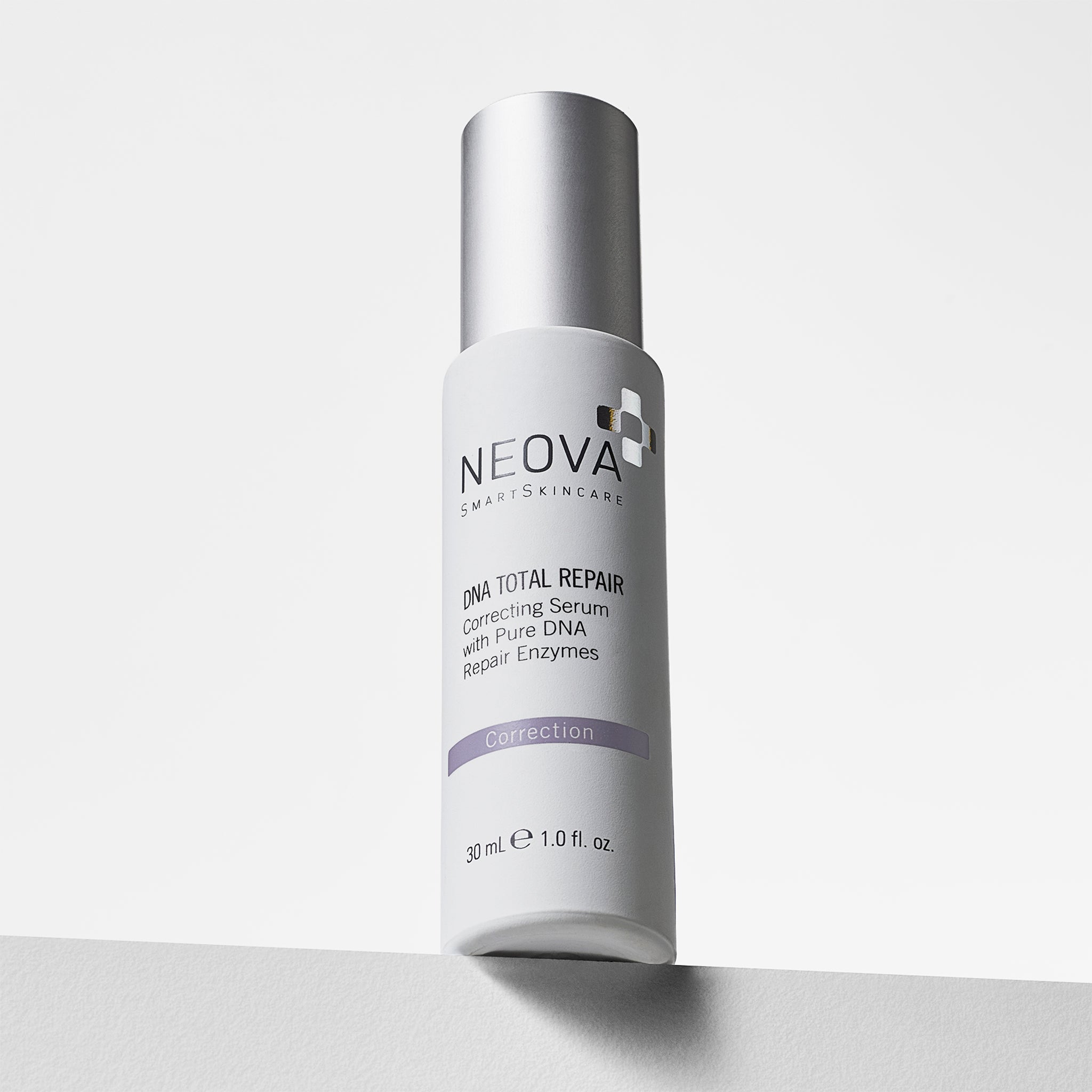
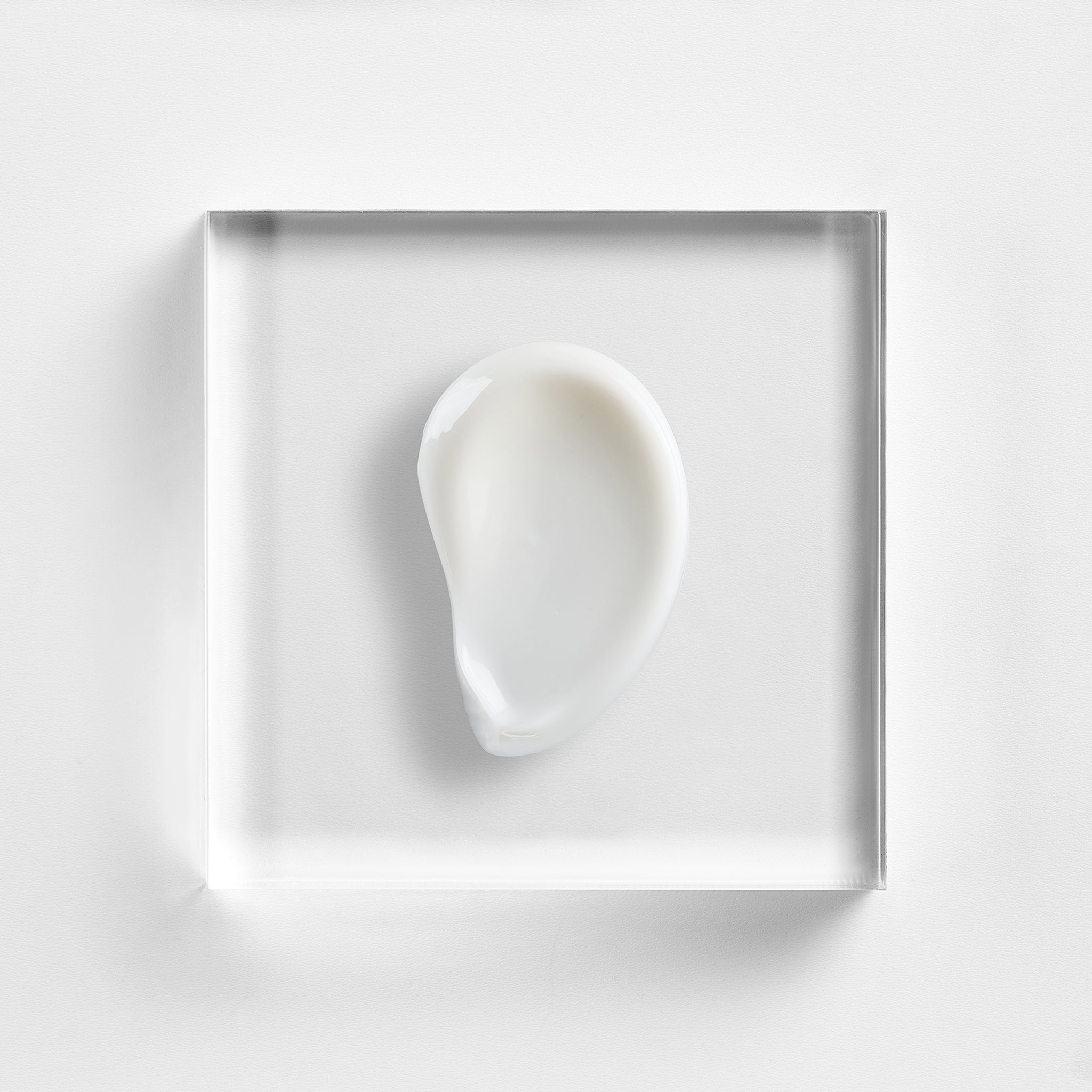
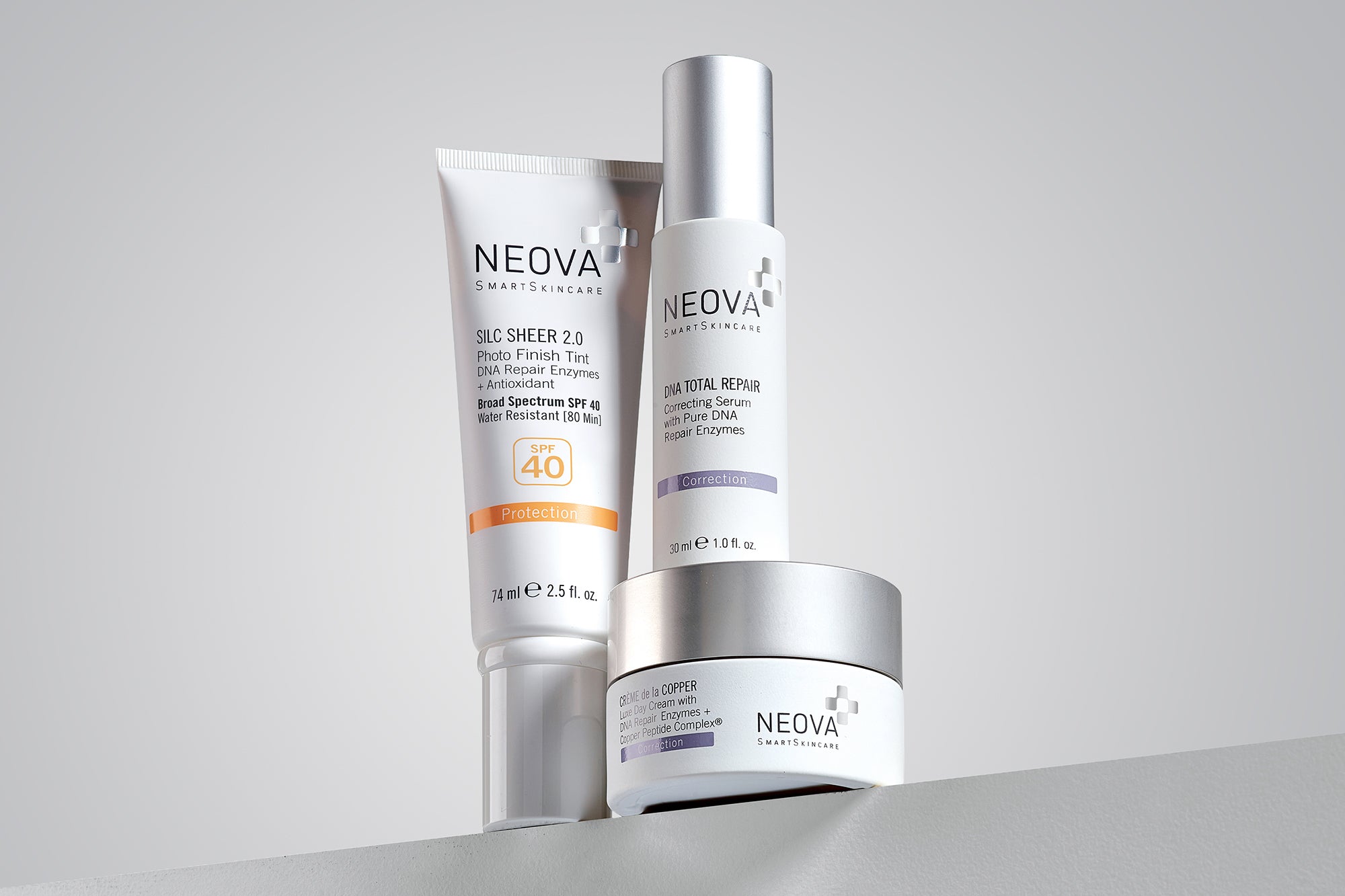
DNA Total Repair Serum – Supports the skin’s natural repair processes and helps address visible effects of cumulative sun exposure.
-
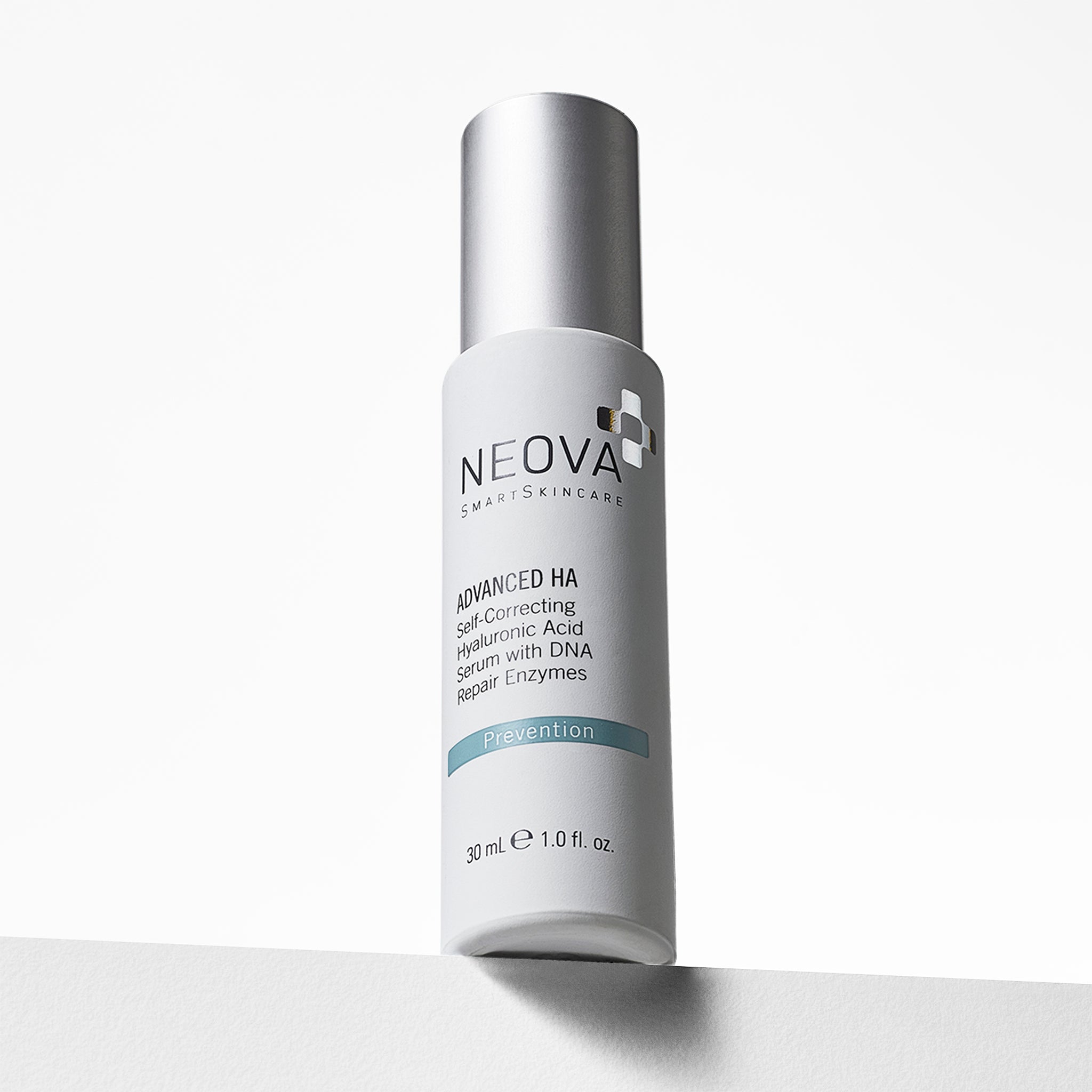
Advanced HA Serum – Provides lightweight hydration to help relieve dryness and support a smoother appearance.
-
Illuminating Eye Serum – Corrects delicate under eye areas with restorative copper peptides to reduce the appearance of dark circles and puffiness.
- Everyday SPF 44 – Daily broad-spectrum protection to help prevent further UV-related damage.

Evening Routine
Evening care shifts toward recovery and barrier support. Skin naturally engages in repair processes overnight, which makes this step especially important for reinforcing resilience and restoring balance.
-
Radiant Wash cleanser – Removes the day’s buildup while keeping skin calm and balanced.
-
DNA Total Repair serum – Works with the skin’s natural nighttime repair cycle.
-
Advanced HA serum – Restores hydration and helps ease dryness.
-
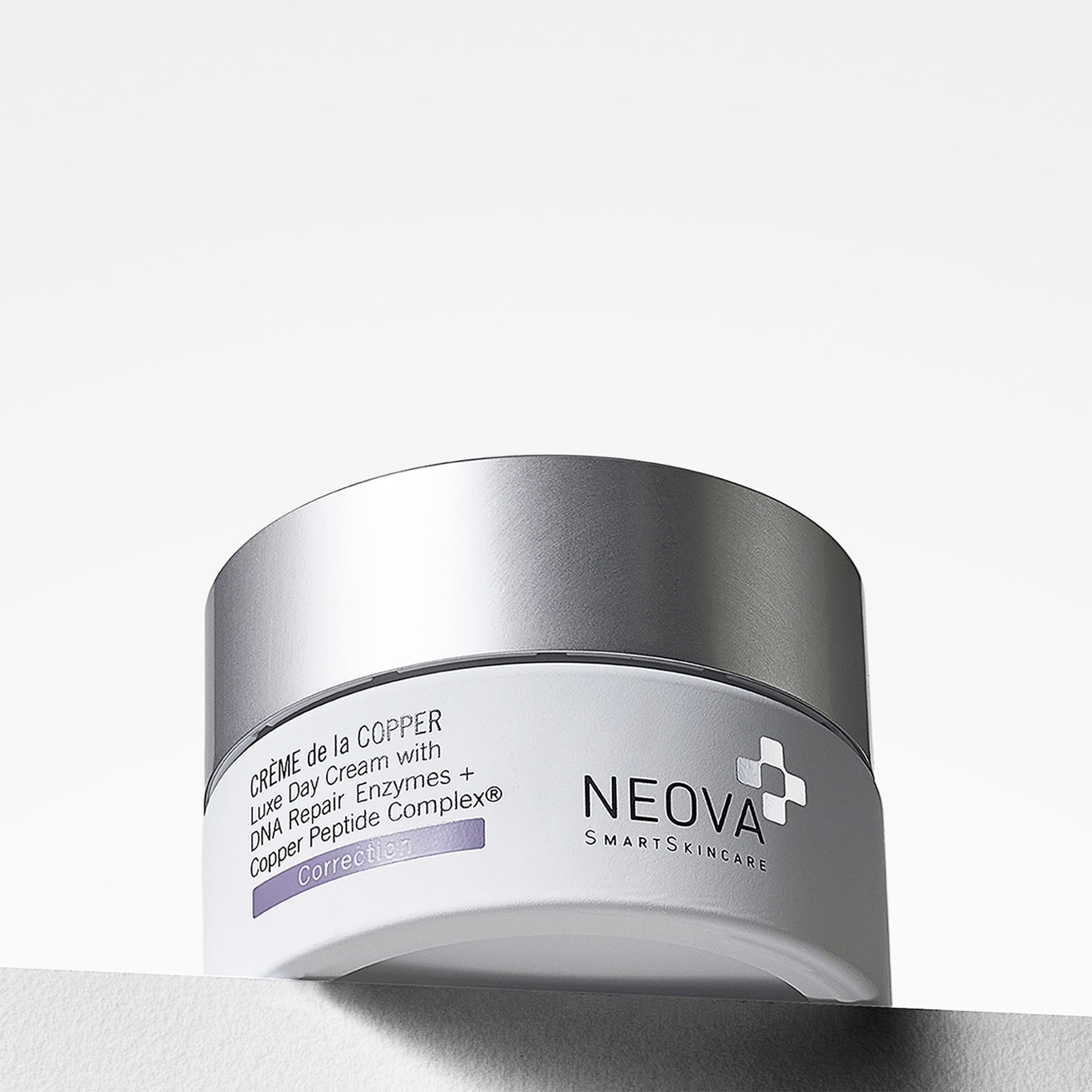
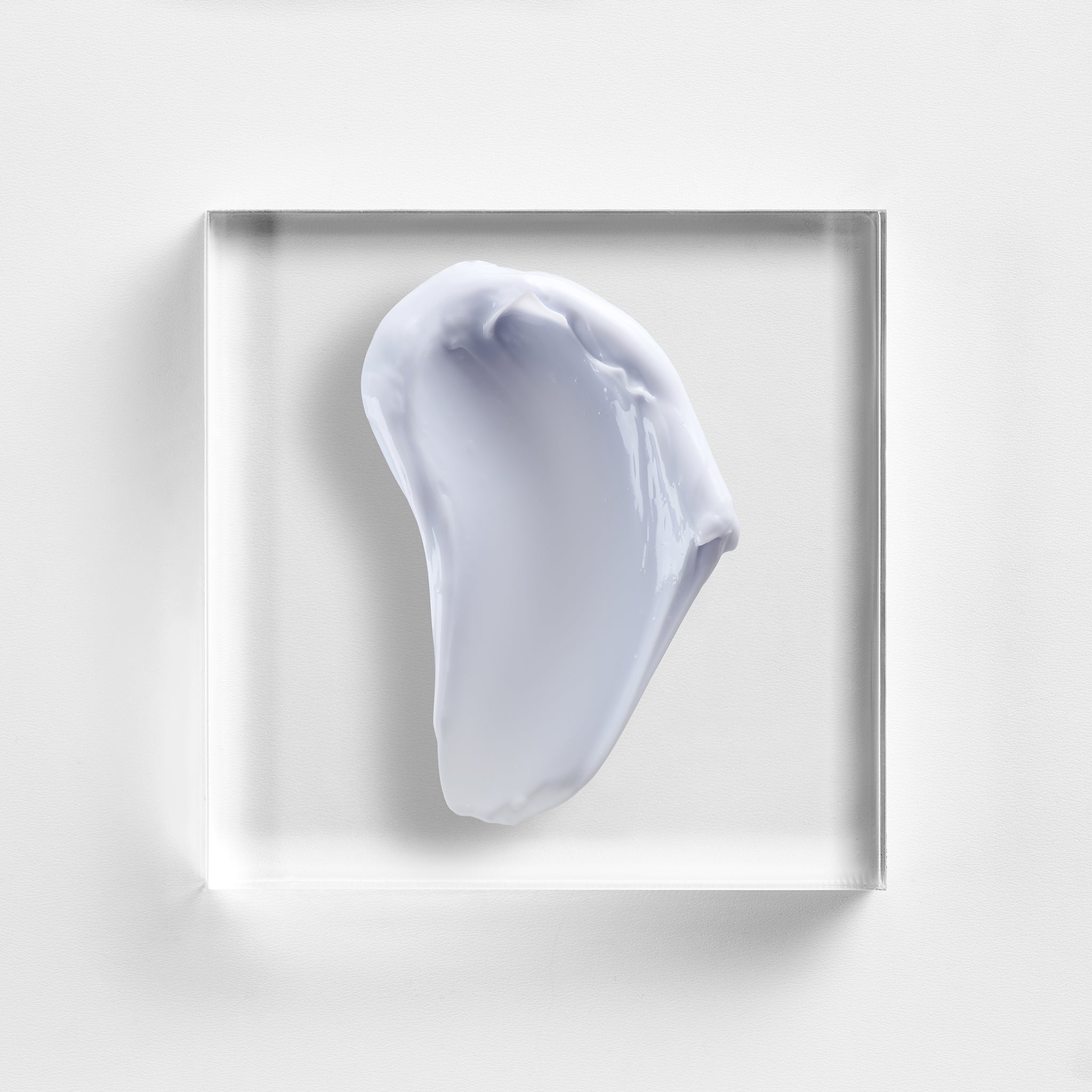
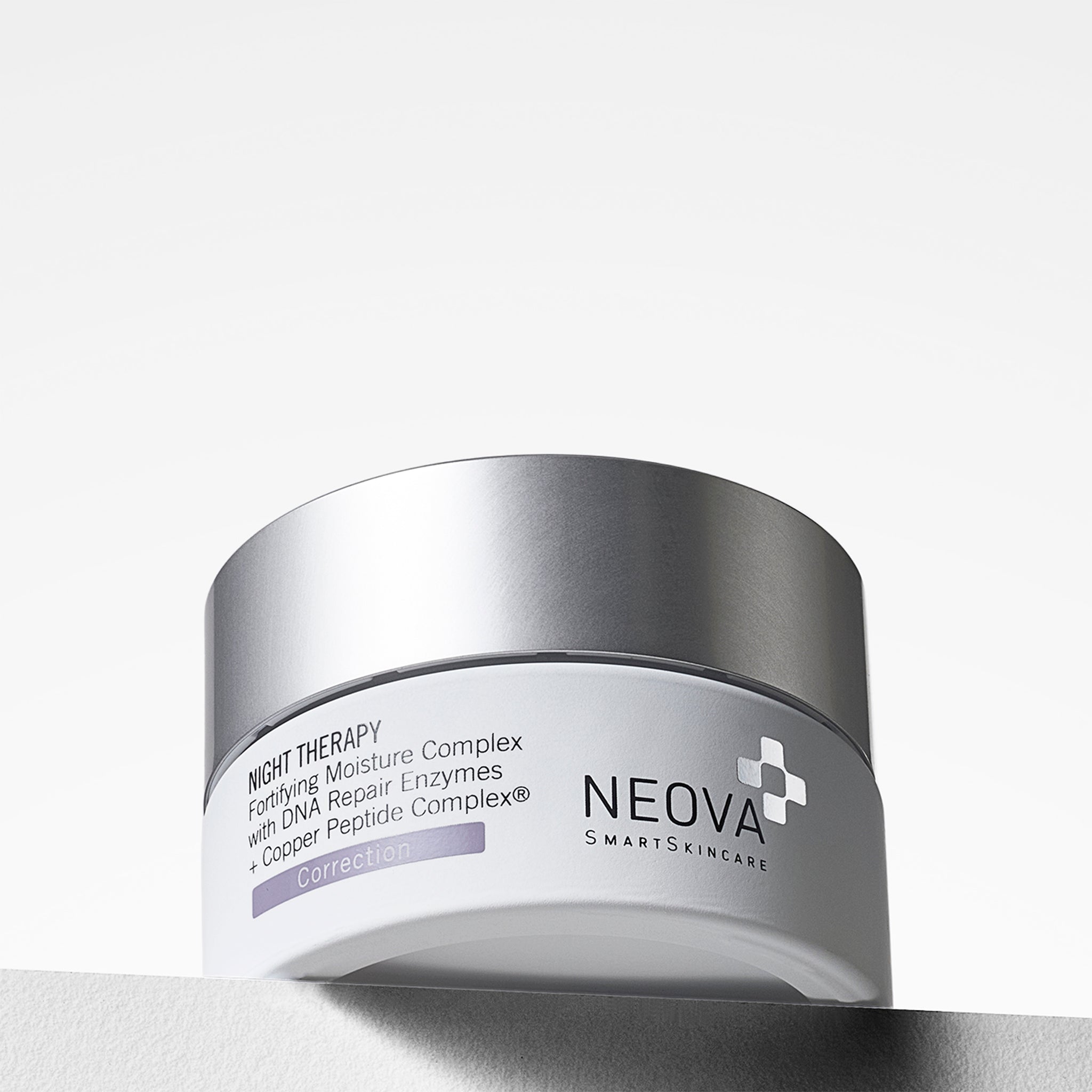
Crème de la Copper moisturizer – Supports barrier strength and helps improve overall skin resilience.
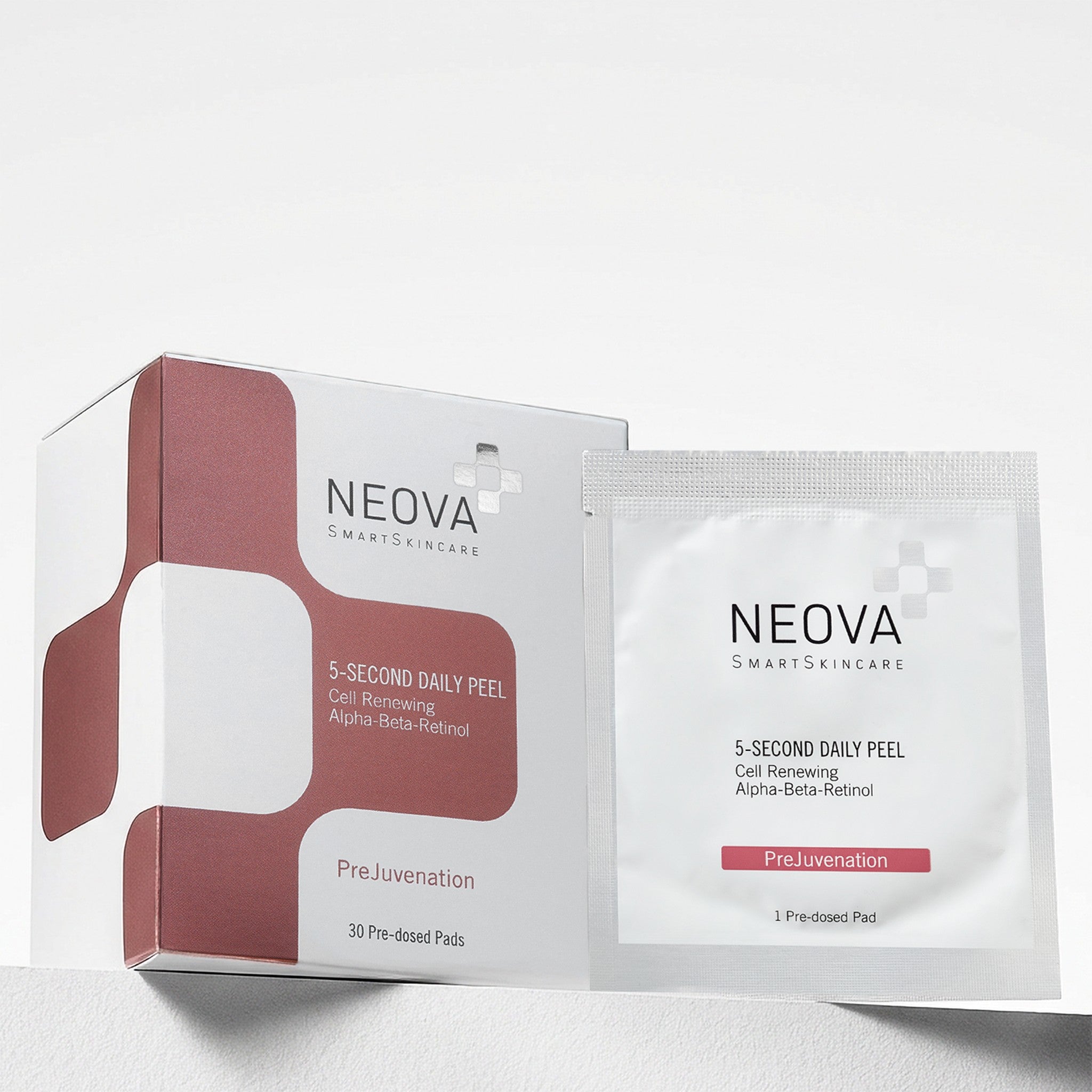
Exfoliation can be introduced occasionally depending on tolerance, but overuse tends to weaken the barrier and slow recovery. A gradual, consistent approach typically produces more stable improvement over time.
Most importantly, understanding how to repair sun damaged skin comes down to repetition and support rather than intensity. When your skin is given time to stabilize, improvements in tone, texture, and hydration tend to follow more predictably.

How Long Does It Take to Repair Sun Damaged Skin
The timeline for skin improvement depends on the type and severity of the damage.
Dehydration and surface dullness can often improve within days to weeks once the barrier is supported and hydration is restored. These changes are typically the fastest to respond to treatment.
Dark spots and pigmentation changes take longer. Because they are tied to melanin production and cellular turnover, visible improvement may take several weeks to months of consistent care.

Deeper structural changes in the skin, such as those related to collagen and elastin, require longer periods of support. These changes develop gradually and are influenced by ongoing lifestyle and environmental exposure.
It is important to recognize that repairing sun damaged skin is an ongoing process. Your skin is constantly responding to both damage and recovery, and results build progressively over time.

Protect Your Skin as Summer Ends
Preventing further sun damage is essential for maintaining improvements achieved through repair. UV exposure is cumulative, meaning that even small daily exposures can contribute to long-term changes in the skin.
Daily sunscreen use remains one of the most effective ways to reduce ongoing damage. In addition, antioxidant support can help reduce oxidative stress caused by environmental exposure.
Keeping your skin barrier strong plays a key role as well. When the barrier is functioning properly, your skin is better able to retain hydration and resist external stressors.
Repair and prevention work together. As you transition out of summer, maintaining daily protection while supporting hydration, barrier function, and the skin’s natural repair processes can help promote more stable, healthier-looking skin over time.

FAQs About End-of-Summer Skincare
Can sun-stressed skin be repaired?
Yes. Sun-stressed skin can often be improved over time, especially in terms of dark spots, dehydration, and uneven tone. While UV damage cannot be fully reversed, consistent skincare can improve visible signs of photoaging.
How can I reset my skin after summer?
Start by focusing on hydration and barrier support while continuing daily sun protection. Once skin feels balanced, targeted ingredients such as antioxidants, retinoids, and exfoliating acids can be incorporated according to your skin’s tolerance.
What is the best skincare routine after summer?
A thoughtful post-summer routine combines daily sunscreen with hydration, barrier support, antioxidant protection, and ingredients that support the skin’s natural repair processes. Consistency is more important than using an aggressive routine.
What is the difference between sun damage and sunburn?
Sunburn is an acute reaction to intense UV exposure, usually causing redness, heat, and irritation that resolves within days. Sun damage develops gradually from repeated exposure and includes dark spots, uneven skin tone, dehydration, and loss of elasticity. Unlike sunburn, sun damage accumulates over time.

End-of-Summer Skincare: Final Thoughts
The end of summer is a natural time to reassess what your skin needs. Months of sun exposure can leave behind visible changes in tone, texture, and hydration, while ongoing UV exposure continues to contribute to cumulative skin stress.
A thoughtful reset focuses on consistency rather than intensity. Hydration, barrier support, antioxidant protection, daily sunscreen, and ingredients that support the skin’s natural repair processes can help your complexion gradually look clearer, more even, and more resilient.
Shop NEOVA® SmartSkincare to explore clinically developed formulas designed to support repair, hydration, and daily protection for sun-stressed skin.