Repair Summer Skin Damage: Why Fall Is the Best Time to Start
Summer leaves more behind than a tan. Months of UV exposure, heat, humidity, sweat, and higher oil production can contribute to cumulative photodamage, much of which may not become obvious right away. As summer conditions fade, dark spots, dullness, and rougher texture can become more noticeable.
That makes fall an important season to repair summer skin damage. With less intense UV exposure and cooler, drier conditions ahead, it is an opportunity to shift your skincare routine from primarily protecting against summer conditions to addressing the damage accumulated over the season.
For skin showing the effects of summer, a fall skincare routine built around DNA repair enzymes, antioxidants, barrier support, and daily SPF can help address existing concerns while protecting against further damage.


What's Still Sitting in Your Skin from Summer
UV exposure doesn't simply disappear once summer ends. UVA and UVB radiation can cause cellular and oxidative damage that contributes to visible changes in skin over time. The effects of cumulative exposure may become more apparent weeks or months later.
Summer UV exposure also contributes to oxidative stress, a process in which unstable molecules called free radicals can damage cellular structures. Over time, this can contribute to uneven pigmentation, dullness, and changes in skin texture.
That's why you may notice solar lentigines (sun spots), uneven tone, or rougher-looking skin in early fall that wasn't as apparent in July. A tan, higher oil production, and increased humidity can temporarily change the way skin looks and feels. Once those effects fade, underlying signs of photodamage may become easier to see.
If your skin looks different after a summer spent outdoors, fall is a good time to repair summer skin damage rather than simply waiting for those changes to resolve on their own.

Why Fall Is a Strategic Time to Repair Sun Damage
Repairing existing sun damage while continuing to accumulate significant UV exposure can make the process more challenging. Fall brings lower UV intensity, shorter days, and generally less direct sun exposure, creating a more favorable environment for a repair-focused skincare routine.
Cooler temperatures can also mean less heat and sweat than during peak summer. At the same time, the transition into colder weather brings its own challenge: declining humidity can increase dryness and place additional stress on the skin barrier.
Research on stratum corneum lipids supports the importance of this seasonal transition. The outermost layer of skin plays an important role in moisture retention and barrier function, and seasonal changes can affect its lipid composition¹. Fall therefore offers a useful window to begin supporting the skin barrier before winter conditions become more demanding.
For anyone looking to repair summer skin damage, use fall as a transition period to address accumulated UV-related concerns while strengthening the barrier for the season ahead.

The Pigmentation and Texture Fallout from Summer
Hyperpigmentation is one of the most visible consequences of cumulative UV exposure. UV radiation stimulates melanin production as part of the skin's natural defense response. With repeated exposure, that activity can contribute to dark spots and uneven skin tone that become more apparent after summer.
Texture can change, too. Oxidative stress and cumulative environmental exposure can contribute to changes in collagen and normal skin turnover, leaving skin looking or feeling less smooth.
Age can add another layer. Ceramides are important components of the skin barrier, and research has associated changes in ceramide levels with skin aging². As skin matures, maintaining barrier lipids becomes increasingly important for moisture retention and overall skin resilience.
Hormonal changes associated with perimenopause and menopause can also affect skin thickness, hydration, lipid composition, and barrier function³. For mature skin, the combination of cumulative summer exposure and age-related changes makes a deliberate fall routine especially valuable.
This is where the strategy to repair summer skin damage becomes more than treating one visible concern. The goal is to address pigmentation and texture while also supporting the barrier that helps skin remain resilient.

Shifting Into Repair Mode
A repair-focused routine means adding targeted products that address existing concerns while continuing to protect skin from new damage.
Keep SPF in the routine. Broad-spectrum sun protection remains essential even after summer ends. Preventing additional UV exposure helps protect the progress made by a repair-focused routine.
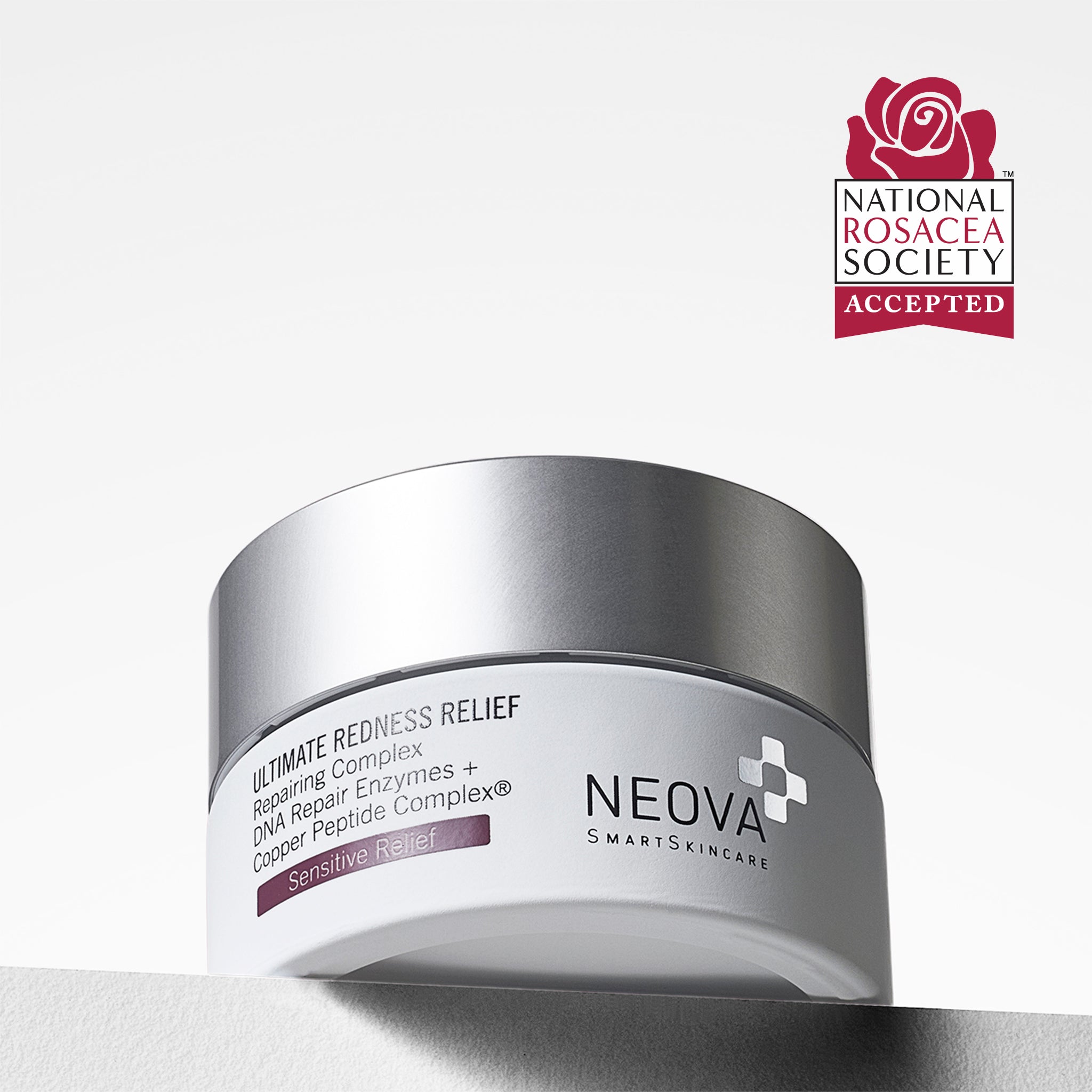
Add a dedicated repair treatment. A moisturizer can support hydration and barrier function, but a treatment formulated with DNA repair enzymes, antioxidants, or other targeted actives can address concerns beyond basic moisturization.
Support the skin barrier. Repair-focused routines work best when the skin is adequately hydrated and the barrier is supported. Ceramides, emollients, and barrier-supportive ingredients can help maintain moisture and reduce the effects of seasonal dryness.
Be consistent with pigmentation concerns. Dark spots and uneven tone generally take longer to change than surface dehydration. A consistent routine matters more than aggressively layering multiple actives.
Introduce or maintain active ingredients thoughtfully. Retinoids and vitamin C can play a role in addressing visible signs of photodamage, but they should be incorporated according to your skin's tolerance rather than simply adding more products at once.

A NEOVA Fall Repair Routine
Morning
1. Cleanse
Start with an oil-free cleanser that removes oil, sunscreen, and impurities without leaving skin feeling stripped. A simple surfactant cleanser, like Cu3 Gentle Cleanser, is effective and rinses off easily in water without leaving residue.


2. Hydrate and support the barrier
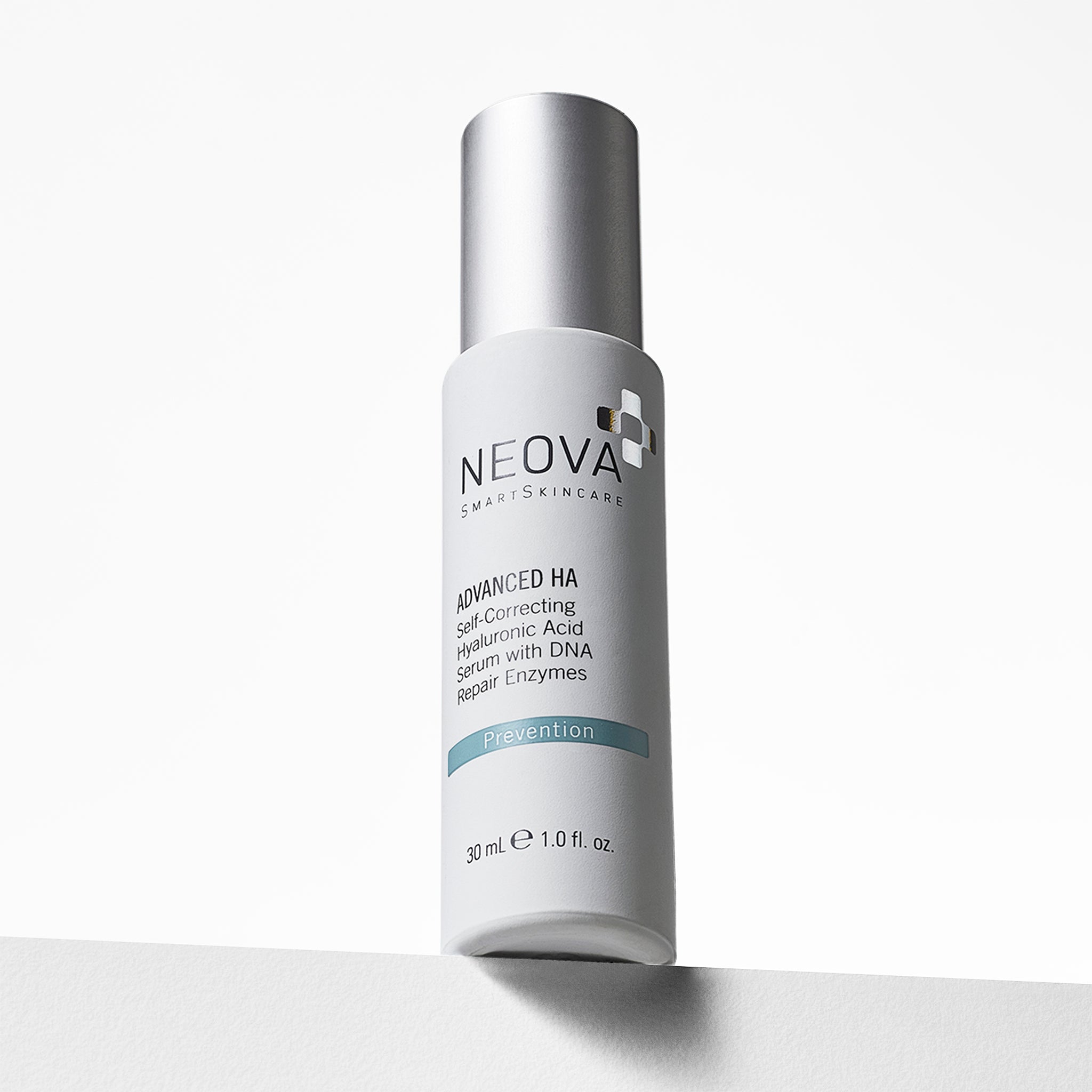
Apply a targeted hydration treatment with hyaluronic acid, vitamin C, or antioxidants to replenish moisture, support skin’s suppleness, and improve the look of dry, depleted skin. Advanced HA serum delivers multi-weight hyaluronic acid for lasting hydration, while C 20+ supports brighter, more even-looking skin with 20% L-ascorbic acid (vitamin C) and antioxidant vitamin E.

3. Lock it in with a dedicated moisturizer
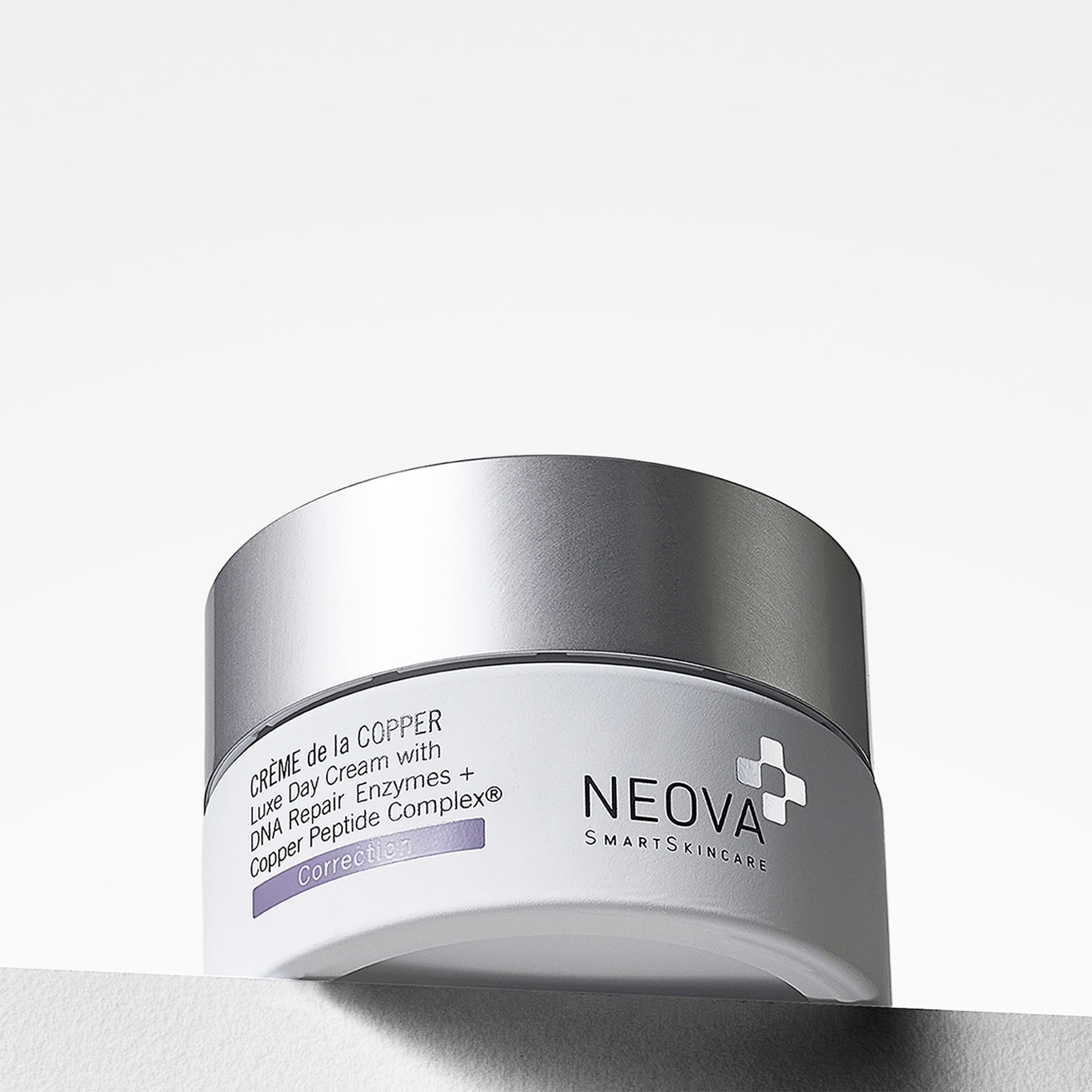
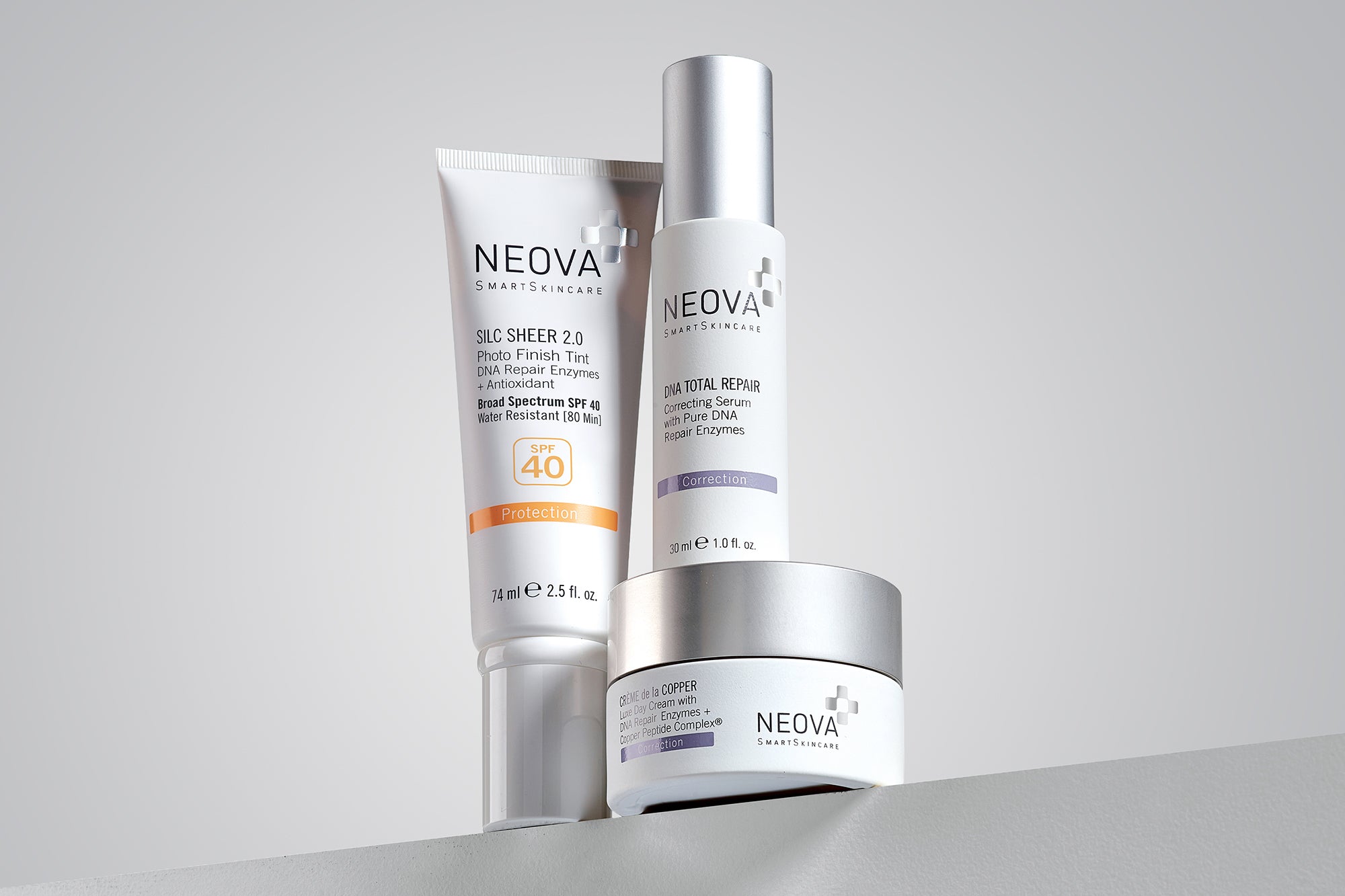
Follow with a dedicated cream moisturizer formulated with Copper Peptide Complex®, like Crème de la Copper, to help support the skin barrier, replenish moisture, and maintain skin’s resilience as it transitions from summer exposure into cooler, drier conditions.

4. Protect
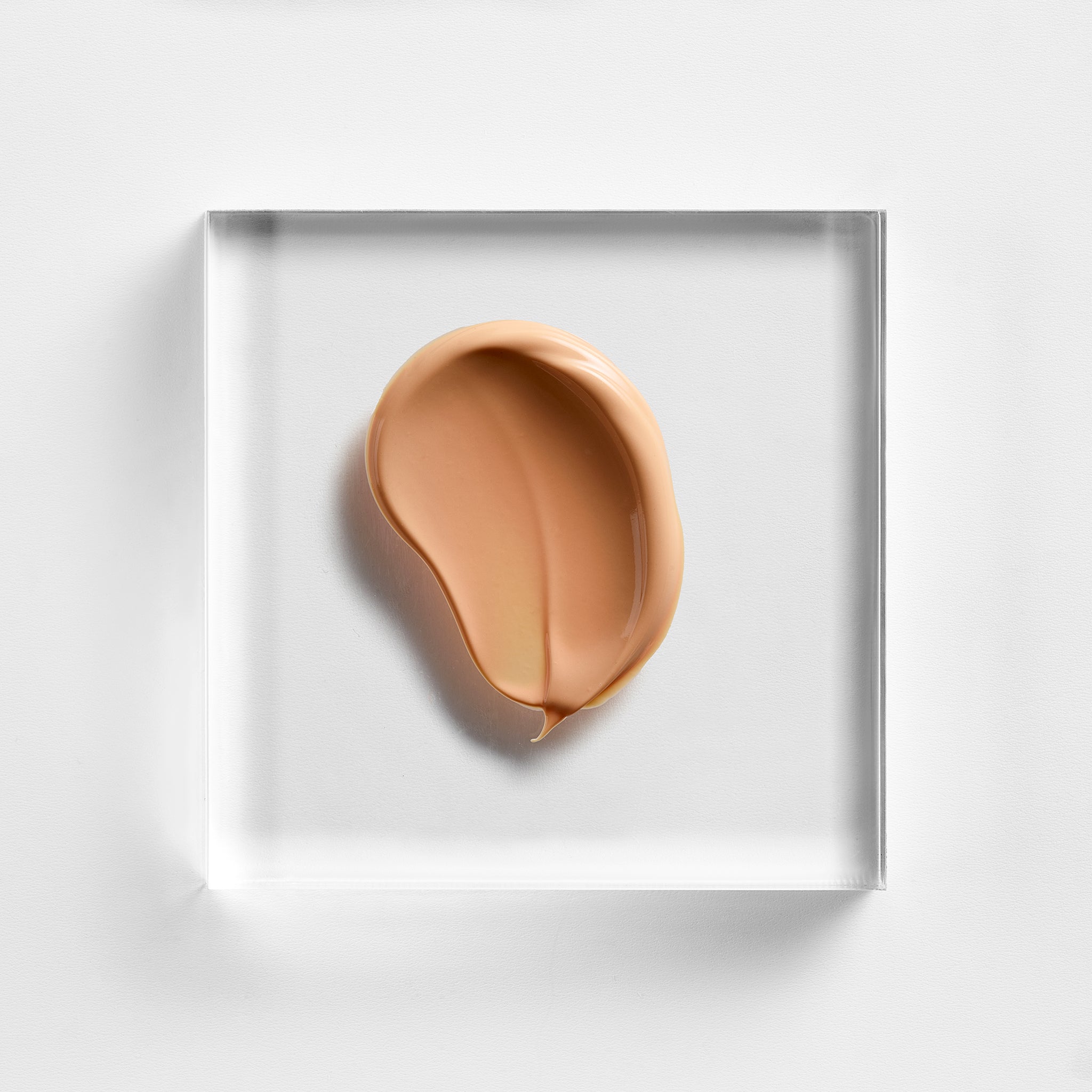
Finish with a broad-spectrum SPF 30+ every morning. In Silc Sheer 2.0, repair and protection work together. The tinted SPF helps prevent additional UV exposure from adding to existing photodamage while the DNA repair enzymes help correct the damage already done.

Evening
1. Cleanse
Use the same gentle cleansing approach to remove sunscreen, makeup, and daily buildup without unnecessarily disrupting the skin barrier.
2. Target accumulated damage
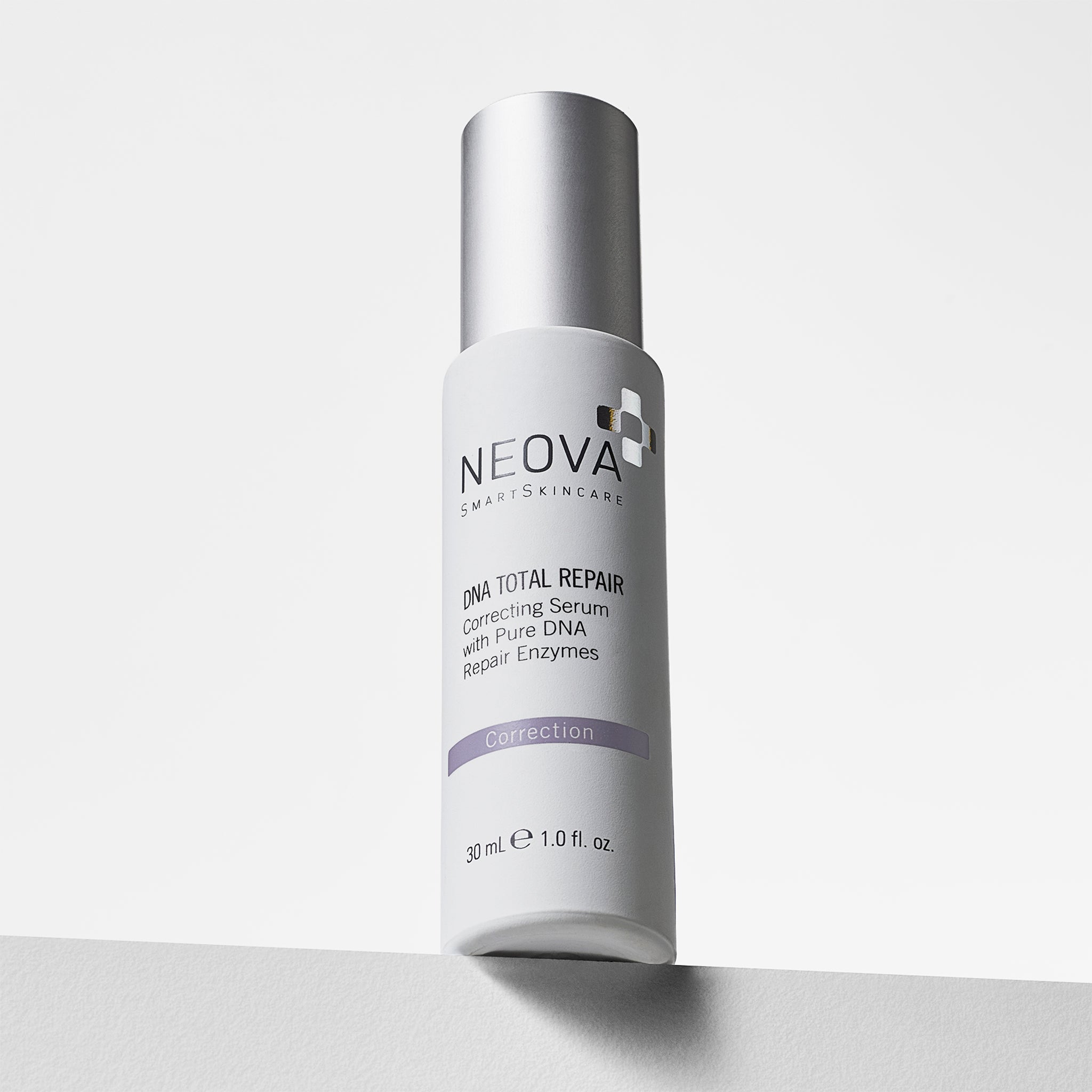
Apply one of NEOVA's DNA repair products, such as DNA Total Repair. Its DNA repair enzyme technology is designed to address the effects of environmental and UV exposure while supporting healthier-looking skin.

3. Reinforce the barrier
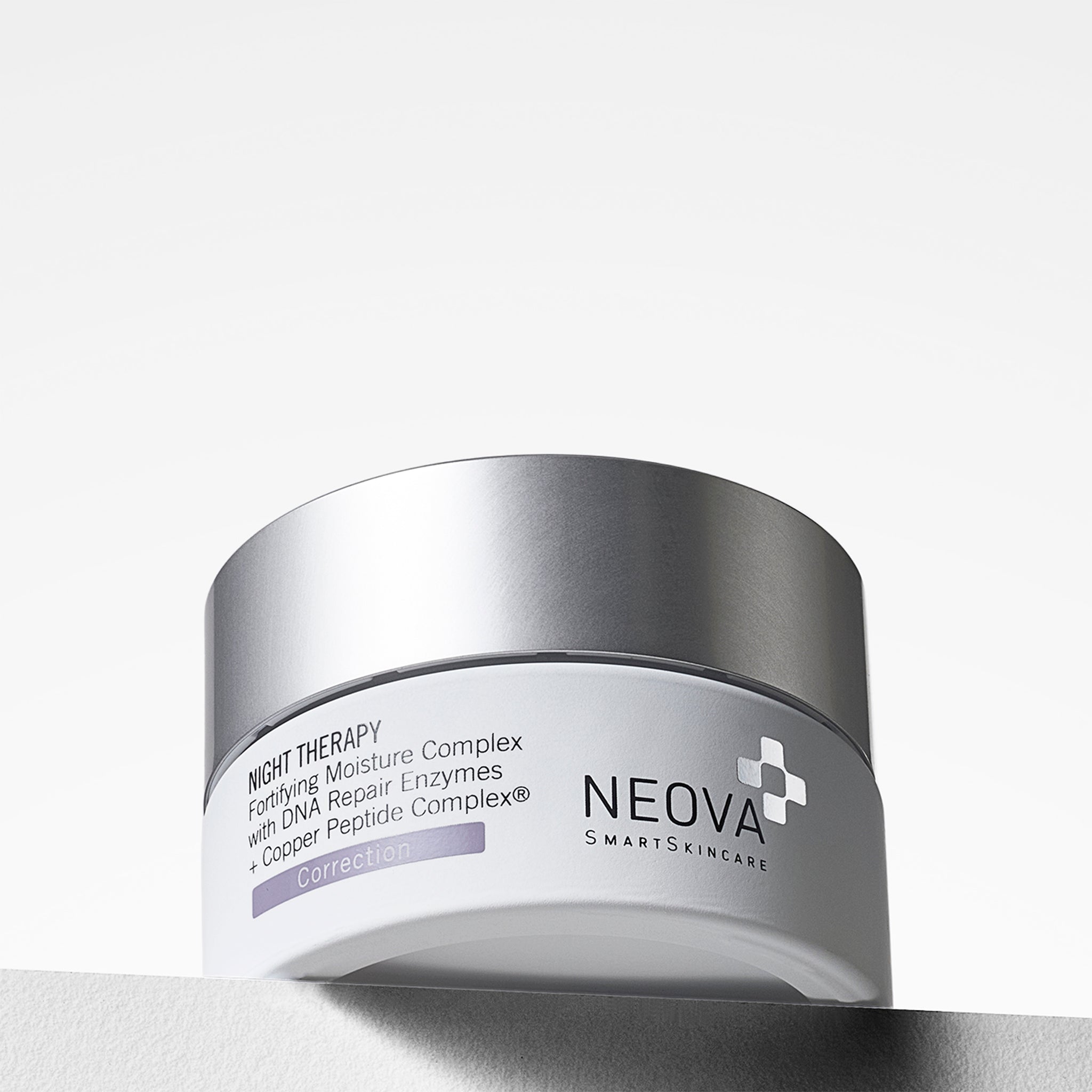
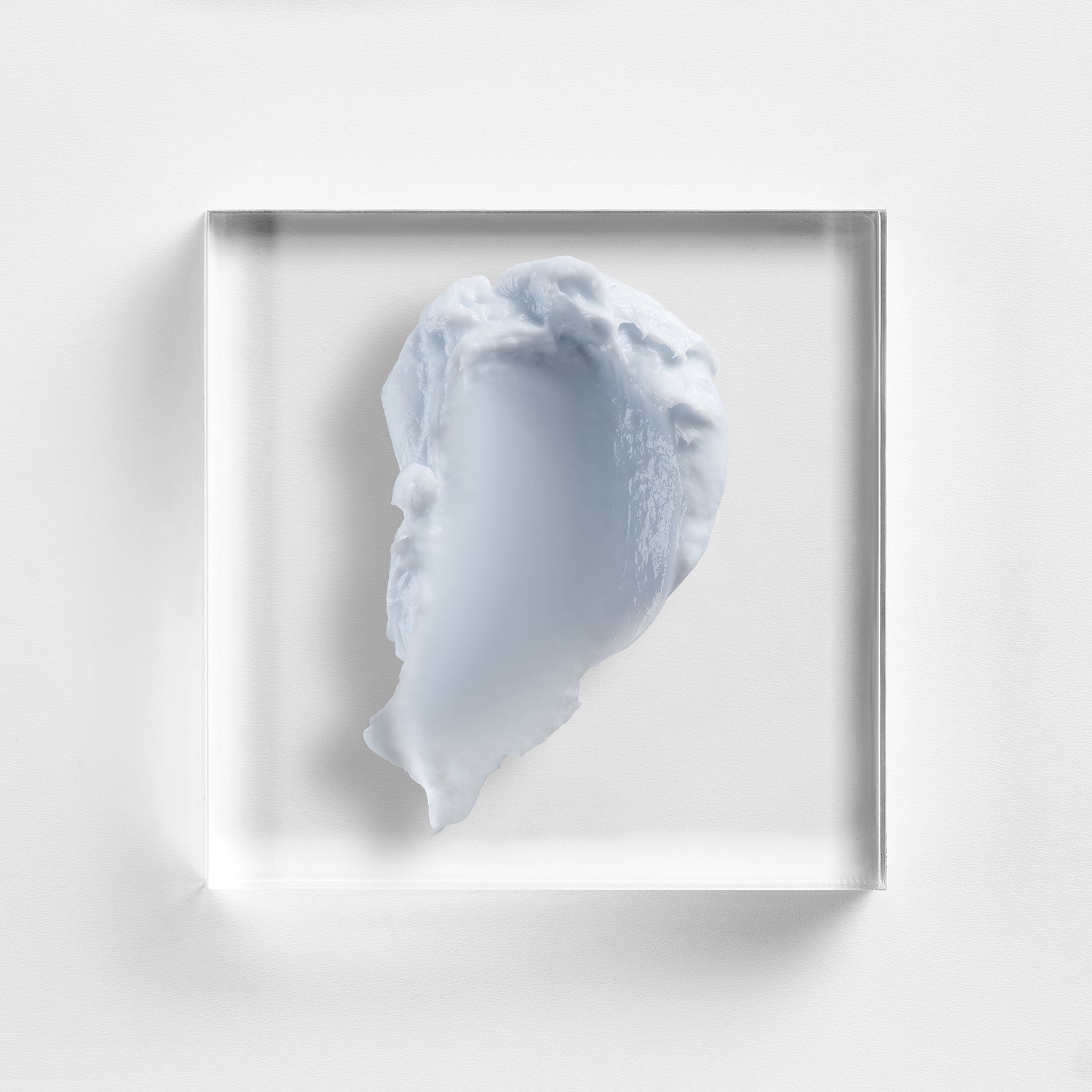
Follow with a barrier-supportive moisturizer. A ceramide-rich formula, such as Night Therapy, can help replenish moisture and support the skin's protective outer layer.

If retinol or vitamin C is already part of your routine, fall can also be an appropriate time to continue using these ingredients as tolerated. Introduce active ingredients gradually and avoid overwhelming skin that is already dry or sensitized.
Frequently Asked Questions
Why is fall a good time to repair summer skin damage?
Fall typically brings lower UV intensity and less cumulative sun exposure than the height of summer, making it a practical time to shift toward a repair-focused routine. Daily SPF remains essential to prevent additional UV damage.
How long does it take to see results from a repair-focused routine?
Results vary. It depends on the concern and the products used. Hydration can improve relatively quickly, while changes in pigmentation and texture generally require more consistent use over time. Expect gradual improvement over a 4-12 weeks rather than an overnight transformation.

Does SPF still matter once I start a repair routine?
Yes. SPF is an essential part of any routine designed to repair summer skin damage. Continued UV exposure, even incidental, can contribute to additional photodamage, making consistent protection important year-round. Use a sunscreen with SPF protection 30+ for best results.
Is pigmentation from summer permanent?
Not necessarily. Some hyperpigmentation associated with UV exposure can fade over time as skin naturally turns over, although the timeline varies. Persistent or changing dark spots should be evaluated by a dermatologist.
Does age affect how skin repairs itself?
Skin changes with age, including changes in barrier lipids, hydration, collagen, and turnover. Hormonal changes can also affect skin during perimenopause and menopause. These factors make barrier support and consistent, targeted skincare increasingly important as skin matures.

The Takeaway
Summer doesn't end when the calendar turns to September. The effects of months of UV exposure can remain visible well into fall, appearing as dark spots, uneven tone, dullness, and changes in texture.
That's why fall is an important opportunity to repair summer skin damage. Lower UV intensity creates a practical window to focus on targeted repair while continuing to protect skin and reinforce the barrier before winter arrives.
NEOVA's collection is designed to work together as part of a science-driven approach to addressing the visible effects of environmental exposure while supporting the skin barrier.
Shop NEOVA's Fall Skincare Collection and make fall the season you address what summer left behind.
Sources
[1] Rogers, J., Harding, C., Mayo, A. et al. Stratum corneum lipids: the effect of ageing and the seasons. Arch Dermatol Res 288, 765–770 (1996).
[2] Leo TK, Tan ESS, Amini F, Rehman N, Ng ESC, Tan CK. Effect of Rice (Oryza sativa L.) Ceramides Supplementation on Improving Skin Barrier Functions and Depigmentation: An Open-Label Prospective Study. Nutrients. 2022; 14(13):2737.
[3] Peart, J. Skin changes during perimenopause and menopause. Boulder Medical Center. Published January 10, 2026. Accessed September 9, 2026.