

Build Your Best SPF Morning Routine Before SPF Season Peaks
An effective SPF morning routine is one of the most powerful preventive health decisions you can make for your skin and May, not July, is the moment to start building it.
As UV index levels climb across most regions, longer daylight hours and incidental sun exposure accumulate faster than most people realize. Add to that May's designation as Skin Cancer Awareness Month, with National Sunscreen Day on May 27 as a timely annual checkpoint, and the case for locking in consistent daily sun protection has never been more compelling.
This guide walks through the science behind why late spring is a critical inflection point for UV exposure, how to structure a complete morning skincare routine with SPF, and the common mistakes that quietly undermine even well-intentioned habits.

SPF Season Starts Now
Most people associate sunscreen with beach trips, outdoor concerts, and peak summer heat. That association is understandable but it's also one of the most persistent misconceptions in skincare: UV exposure doesn't wait for the first day of summer.
In reality, SPF season starts much earlier and continues year-round. While late spring often signals a shift into longer days and higher UV index levels across much of the Northern Hemisphere, UV radiation is present and biologically active in every season. Spring simply makes its presence more noticeable.
As daylight hours extend, total daily UV exposure increases even before temperatures feel intense. While UVB rays fluctuate more seasonally and are most associated with sunburn during peak summer months, UVA rays remain consistently present throughout the year and can penetrate cloud cover and glass. This means exposure occurs during everyday activities such as driving to work, sitting near a window, or walking outside between errands long before summer officially begins. Over time, this ongoing exposure contributes to visible changes in the skin, including uneven tone, hyperpigmentation, fine lines, and textural shifts, often developing gradually long before they are noticeable.
By the time these changes become noticeable, UV damage has already accumulated for years. This is why SPF is not a seasonal step but a daily, year-round baseline for skin health regardless of month or weather.

Why Daily Sunscreen Should Be Part of Every Morning Routine
Framing sunscreen as a seasonal product fundamentally misrepresents how UV exposure works and, more importantly, how skin damage accumulates. The most accurate model treats a daily sunscreen routine the same way as brushing your teeth: as a non-negotiable baseline habit.
Modern sunscreen formulations have made daily compliance far more achievable across the full skin type spectrum. Gone are the heavy, pore-clogging textures that once made users with oily or combination skin choose between protection and comfortable wear. Today's formulas offer lightweight hydration for those with normal or oily skin, barrier-reinforcing moisture for dry and dehydrated skin types, and cosmetically elegant, calming finishes that don't aggravate redness-prone or reactive complexions.
For anyone using active skincare ingredients, like retinoids, exfoliating acids, professional treatments, or brightening serums, daily SPF is not optional. These ingredients increase photosensitivity across the board: dry and dehydrated skin becomes more vulnerable to barrier disruption, oily or combination skin is still fully susceptible to UV-induced collagen breakdown, and redness-prone skin faces compounded inflammatory risk from unprotected sun exposure. Every session of professional resurfacing or months of consistent retinoid use can be significantly compromised without a daily protective SPF layer.
NEOVA's clinical approach extends further, pairing broad-spectrum sun protection with DNA repair skincare and antioxidant support addresses not just prevention, but recovery from cumulative UV stress already present in the skin. Whether your concern is excess shine, sensitivity, flaking, or visible redness, there is a sunscreen formulation and texture designed to integrate seamlessly into your specific morning routine.

The Ideal Morning Skincare Routine for Spring and Summer
Building an effective SPF morning routine is about sequencing the right steps so each one amplifies the next. Learn how to layer sunscreen in this clinically grounded framework:
Step 1: Cleanse Without Stripping
Morning cleansing removes overnight oil buildup, residual skincare products, and environmental debris that settled on the skin overnight. The key is selecting a gentle cleanser formula gentle enough to preserve the skin barrier rather than compromise it. Over-cleansing or using harsh surfactants dehydrates the skin, increases sensitivity, and ultimately undermines how well subsequent products, including sunscreen, perform and adhere.
Think of your cleanser as the first act of barrier preservation, not just removal: a healthy, intact barrier is the foundation on which every other morning step depends.

Step 2: Add Antioxidant Protection
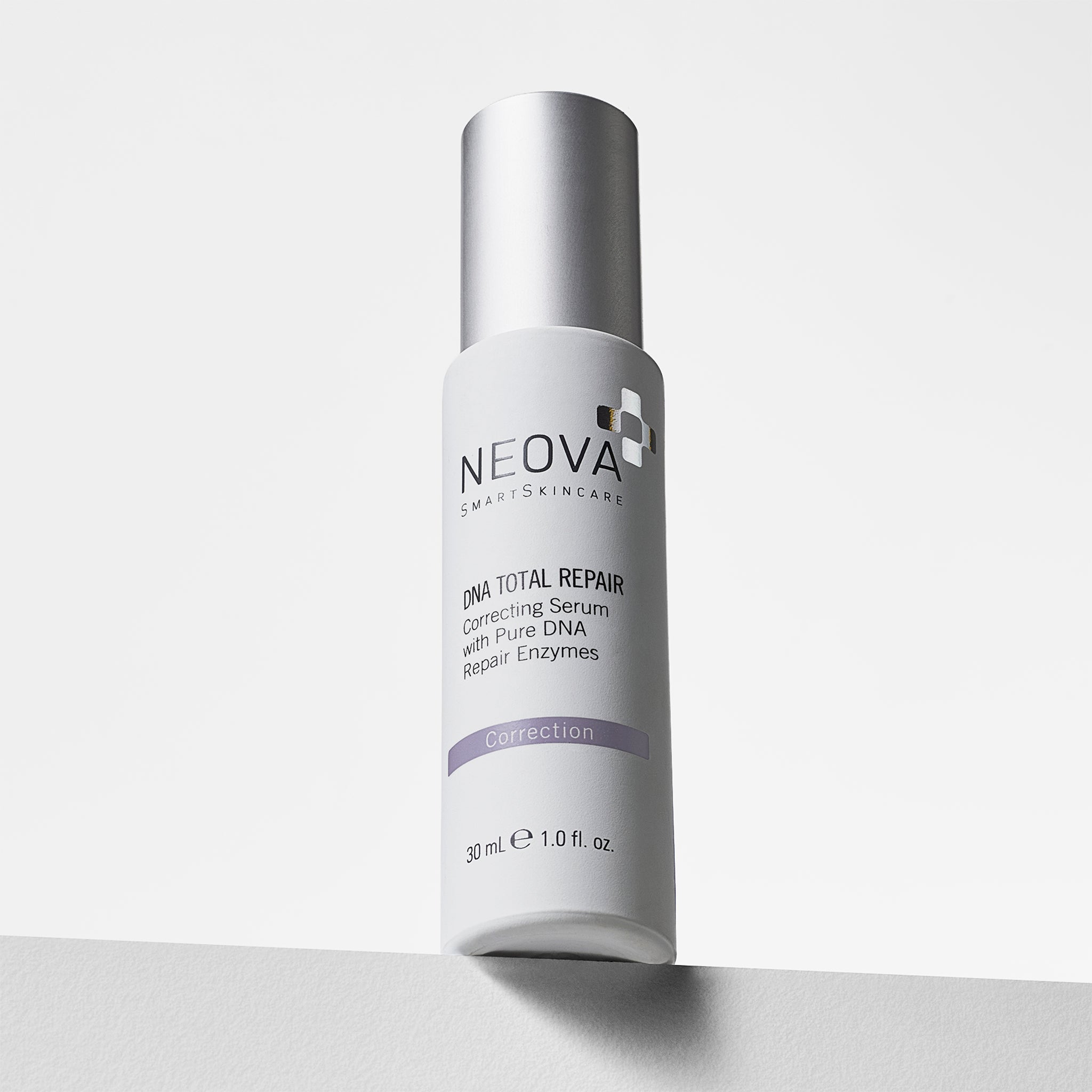
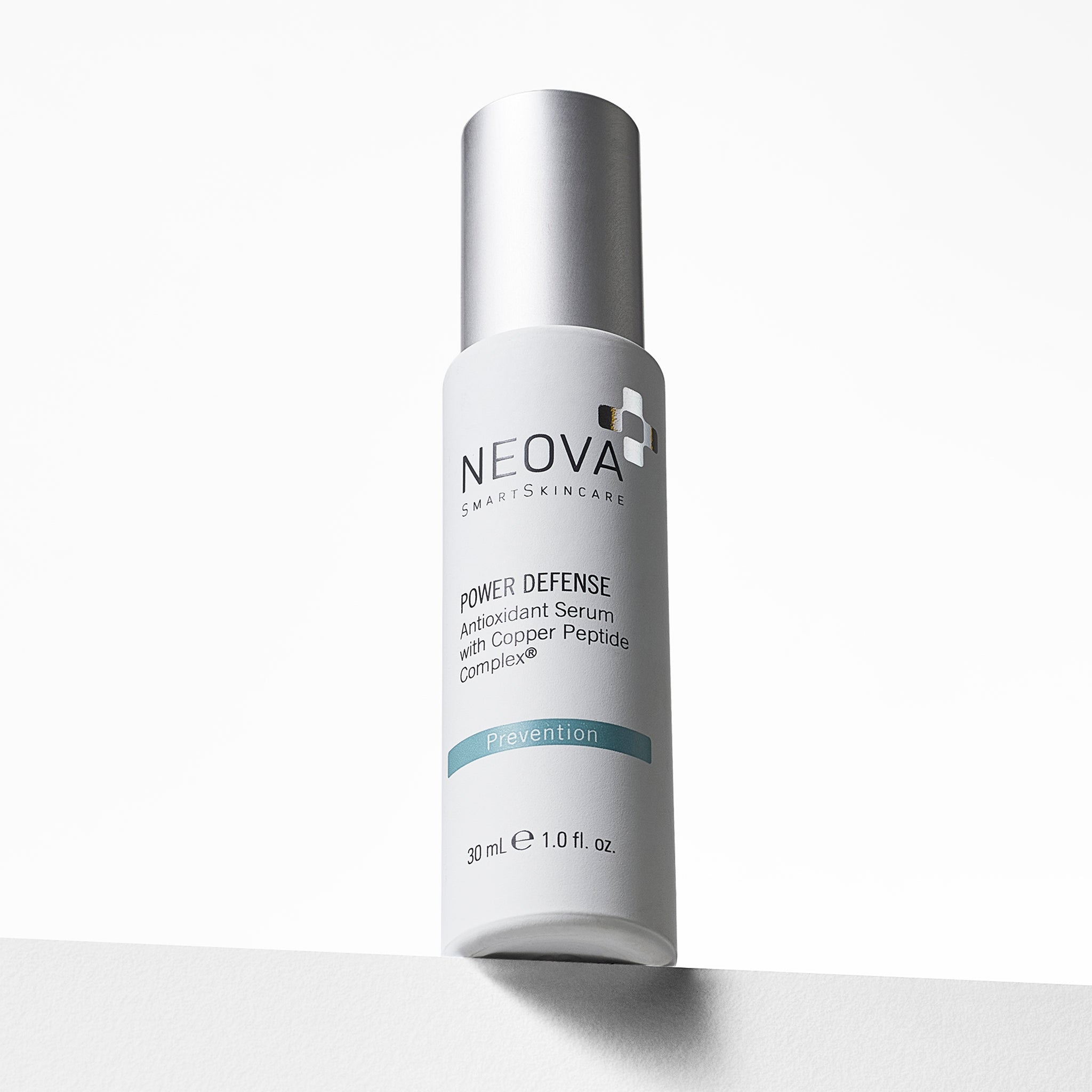
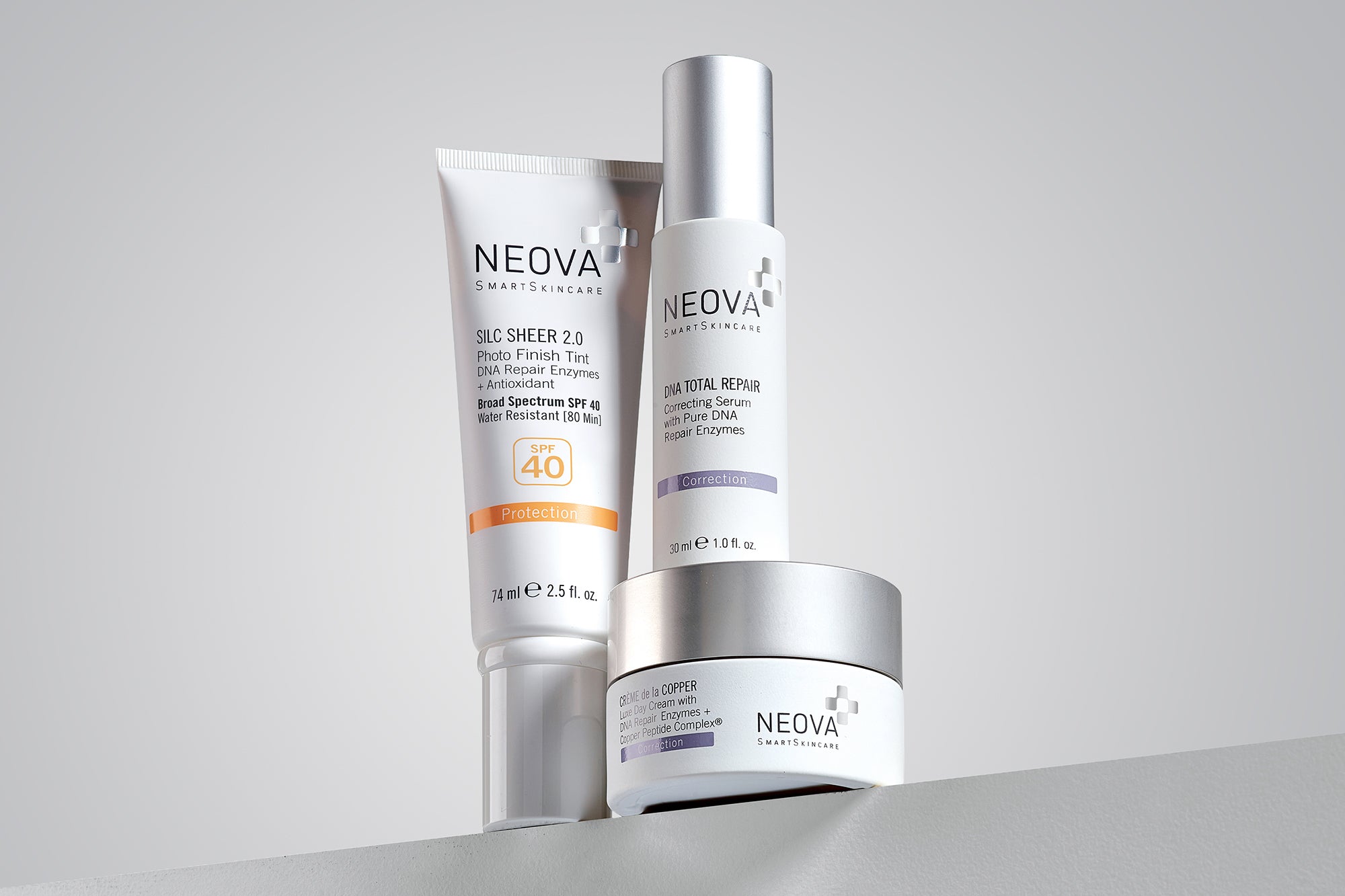
Antioxidants are essential partners to SPF. UV radiation generates free radicals that SPF alone cannot fully neutralize. Vitamin C, green tea extract, and DNA-supportive ingredients found in NEOVA's DNA Total Repair serum help quench oxidative damage before it progresses into visible skin aging or cellular stress. Applied after cleansing and before moisturizer, a targeted antioxidant serum slots naturally into the routine and meaningfully amplifies the protective effect of the SPF applied over it.

Step 3: Hydrate Strategically
Well-hydrated skin maintains better barrier integrity, which in turn supports more uniform sunscreen application and reduces the risk of pilling or uneven coverage. In spring and summer, prioritize lightweight moisturizers and hyaluronic acid serums over heavy occlusives. This matters especially for oily and combination skin types who may be tempted to skip moisturizer entirely in warmer months, inadvertently compromising their skin barrier and their sunscreen's performance.

Step 4: Apply Broad-Spectrum SPF Every Morning
Broad-spectrum SPF is the cornerstone of the morning routine, applied as the final skincare step after serums and moisturizer, before any makeup. It protects against both UVA and UVB radiation (aging and burning) which is why the broad-spectrum designation matters more than a high SPF number alone.
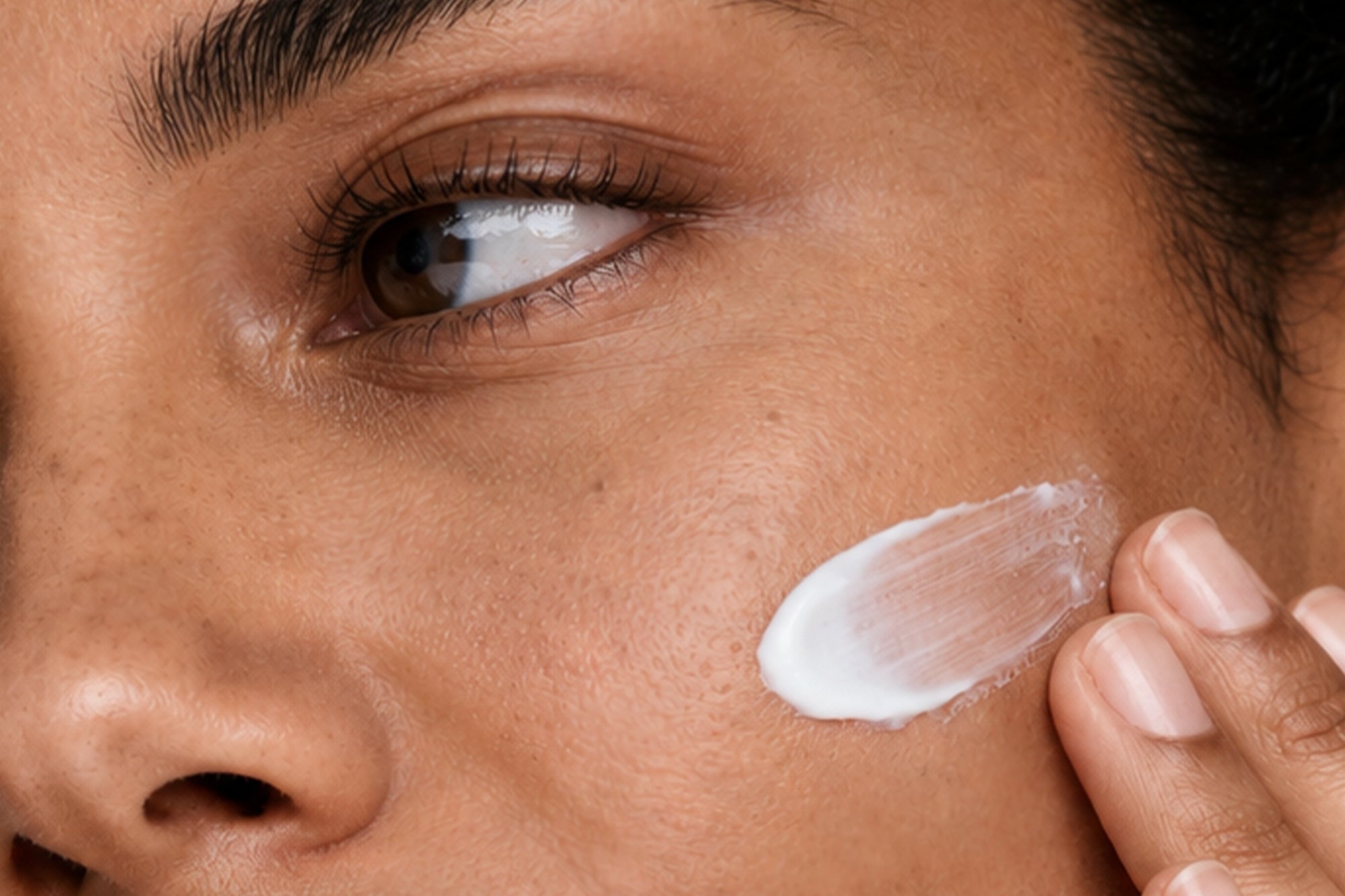
Application amount is equally important: most users significantly under-apply. A general guideline for face and neck coverage is approximately two finger lengths of product. When choosing the best SPF for everyday use, the formula needs to be one you'll actually apply consistently and in the right amount. NEOVA Everyday Sunscreen and Active SPF are both formulated to deliver full protection for this kind of daily use.

Daily SPF application applies regardless of weather, planned outdoor activity, or skin tone. UV exposure occurs indoors near windows, in vehicles, and on overcast days. Melanin provides some protection but does not eliminate UV-induced DNA damage or photoaging risk for any skin type, making a dedicated broad-spectrum sunscreen a universal, year-round step rather than a seasonal one.

Choose the Right SPF Finish for Your Lifestyle
Consistent SPF use depends partly on selecting a formula that suits your daily context. For active or outdoor lifestyles, sweat-resistant sunscreen formulations maintain coverage during exercise or extended outdoor time. For those wearing cosmetics, lightweight or tinted sunblock integrate seamlessly without adding texture or disrupting makeup application.
NEOVA Silc Sheer 2.0 exemplifies the tinted sunscreen category: a mineral-based option that visibly minimizes redness, provides broad-spectrum protection, and simplifies the daily routine by offering a cosmetic finish in one step. When sunscreen also serves a visible cosmetic purpose, you are more likely to apply it consistently.

The Most Common Sunscreen Mistakes
Even with good intentions, many people unknowingly leave significant gaps in their UV protection. These are the mistakes most likely to allow cumulative damage to progress:
- Only applying SPF on beach or outdoor days. Incidental exposure like commuting, taking brief outdoor walks, and working in close proximity to windows, accounts for a substantial portion of lifetime UV accumulation. The beach represents an intensified version of exposure that happens daily at lower levels.
- Not reapplying. SPF degrades with time, sweat, and UV exposure itself. For outdoor activity, extended time in daylight, or sweating, reapplication every two hours maintains effective coverage. Indoor routines generally require less reapplication, but any meaningful outdoor period warrants it.
- Applying too little. The gap between the SPF number on a label and the protection actually delivered by typical application amounts is significant. Under-application is the norm, not the exception. Use a generous amount and apply evenly.
- Forgetting the neck, chest, and hands. These areas receive as much incidental UV exposure as the face but are frequently neglected. They also tend to show photoaging earliest, often before the face does, precisely because of this oversight.
-
Relying on makeup SPF alone. Foundation or tinted moisturizer with SPF provides a supplemental layer, not a primary one. The amount of makeup typically applied delivers a fraction of the labeled SPF value. A dedicated sunscreen underneath remains essential.

May Is Skin Cancer Awareness Month And Prevention Starts Daily
Skin cancer is the most commonly diagnosed cancer in the United States, with more than 9,500 people diagnosed each day [1][2]. Consistent broad-spectrum sunscreen use has been recognized as one of the most effective skin cancer prevention behaviors, helping to reduce cumulative UV damage and support long-term skin health, including the preservation of collagen, elasticity, and overall skin tone.
May's designation as Skin Cancer Awareness Month, and National Sunscreen Day on May 27 in particular, offers a useful annual reset: check expiration dates on existing sunscreens, assess whether current SPF habits account for actual daily exposure patterns, and update your AM routine to reflect the increased UV levels of late spring and summer.
Preventive skincare is fundamentally about long-term skin health maintenance. The visible benefits of consistent SPF use, such as preserved firmness, reduced hyperpigmentation, maintained treatment results, compound over years. Starting in May, rather than waiting for June or July, means meaningful added protection during months of rising UV intensity that often go underestimated.

Frequently Asked Questions About SPF + Morning Routines
Do I need sunscreen indoors?
Yes, particularly if you spend time near windows or in a vehicle. UVA rays, which drive photoaging and contribute to DNA damage, penetrate glass. Extended proximity to windows, even in an office setting, generates cumulative UV exposure over time. A daily SPF morning routine should be applied regardless of whether you plan to go outside.
What SPF level should I use every day?
Dermatologists generally recommend a minimum of SPF 30 for daily use, with SPF 40 or 50 preferred for extended outdoor exposure. More important than the number is consistent, adequate application and choosing a broad-spectrum sunscreen formula that addresses both UVA and UVB radiation.
Does tinted sunscreen provide enough protection?
A well-formulated tinted broad-spectrum sunscreen, such as a mineral tinted SPF, provides full protection when applied in the correct amount. The tinted pigments themselves may offer a small additional layer of defense against visible light. The key is that the product carries a broad-spectrum rating and is applied as the final skincare step in sufficient quantity.
How often should sunscreen be reapplied?
For continuous outdoor activity or sweating, reapplication every two hours is recommended. Apply more frequently if you’re spending a lengthy time outdoors or in water. For primarily indoor days with limited outdoor exposure, morning application as part of a consistent SPF morning routine is typically sufficient. Powder SPF formulas and SPF sprays can facilitate midday reapplication over makeup without disrupting wear.
Can sunscreen help prevent premature aging?
Yes. Photoaging, driven predominantly by UVA radiation, accounts for the majority of visible skin aging including fine lines, loss of elasticity, hyperpigmentation, and textural changes. Using daily broad-spectrum sun protection is the single most effective topical step for preventing and slowing this process.

Ready to build your complete SPF morning routine?
Explore NEOVA's Sun Protection Collection, including NEOVA Everyday Sunscreen, Active SPF, and Silc Sheer 2.0—formulated to deliver broad-spectrum protection alongside DNA repair support for comprehensive daily skin defense.
References
[1] American Cancer Society. (2026). Cancer facts & figures 2026 (p. 23). https://www.cancer.org/content/dam/cancer-org/research/cancer-facts-and-statistics/annual-cancer-facts-and-figures/2026/2026-cancer-facts-and-figures.pdf. Accessed May 18, 2026.
[2] Rogers, H. W., Weinstock, M. A., Feldman, S. R., & Coldiron, B. M. (2015). Incidence estimate of nonmelanoma skin cancer (keratinocyte carcinomas) in the U.S. population, 2012. JAMA Dermatology, 151(10), 1081–1086. https://doi.org/10.1001/jamadermatol.2015.1187.