

What Are Pores? Understanding Their Function, Types, and Role in Skin Health
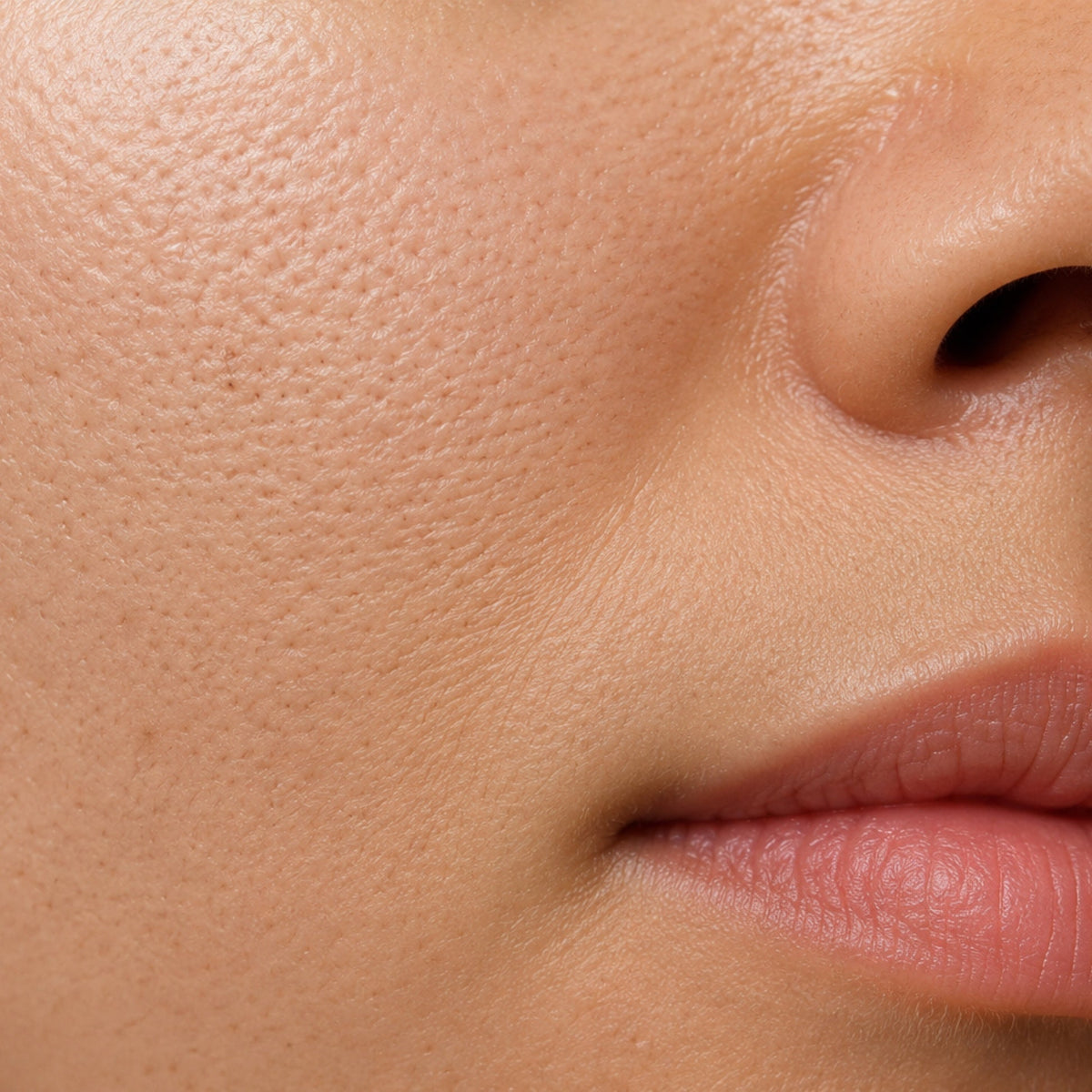
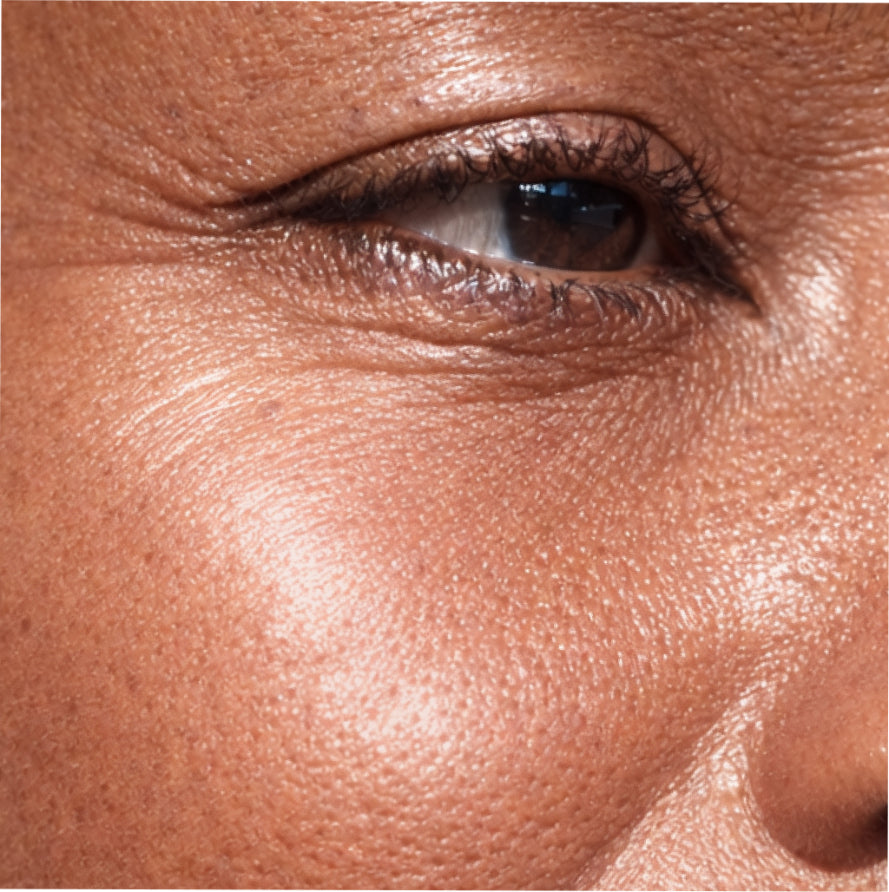
What are pores? Pores are small openings in the skin connected to hair follicles and sebaceous glands, which release oil (sebum) to keep skin lubricated. Everyone has them, they can't be permanently closed. Their size is largely genetic, though excess oil, dead skin buildup, and sun damage can make them look more enlarged over time.
Pores are present across nearly the entire body but are most visible on the face, particularly in the T-zone, including the nose, forehead, and chin. While often associated with shine, texture, or congestion, pores are essential structures that support sebum transport, perspiration, and overall skin barrier function. Genetics, sebum production, sun exposure, and age-related changes in skin elasticity all influence how enlarged or visible pores appear. While pores cannot be eliminated or permanently “closed,” their appearance can be refined through consistent, targeted skincare.
This guide explores pore anatomy, function, major types, and the clinical factors that influence congestion and visible enlargement.

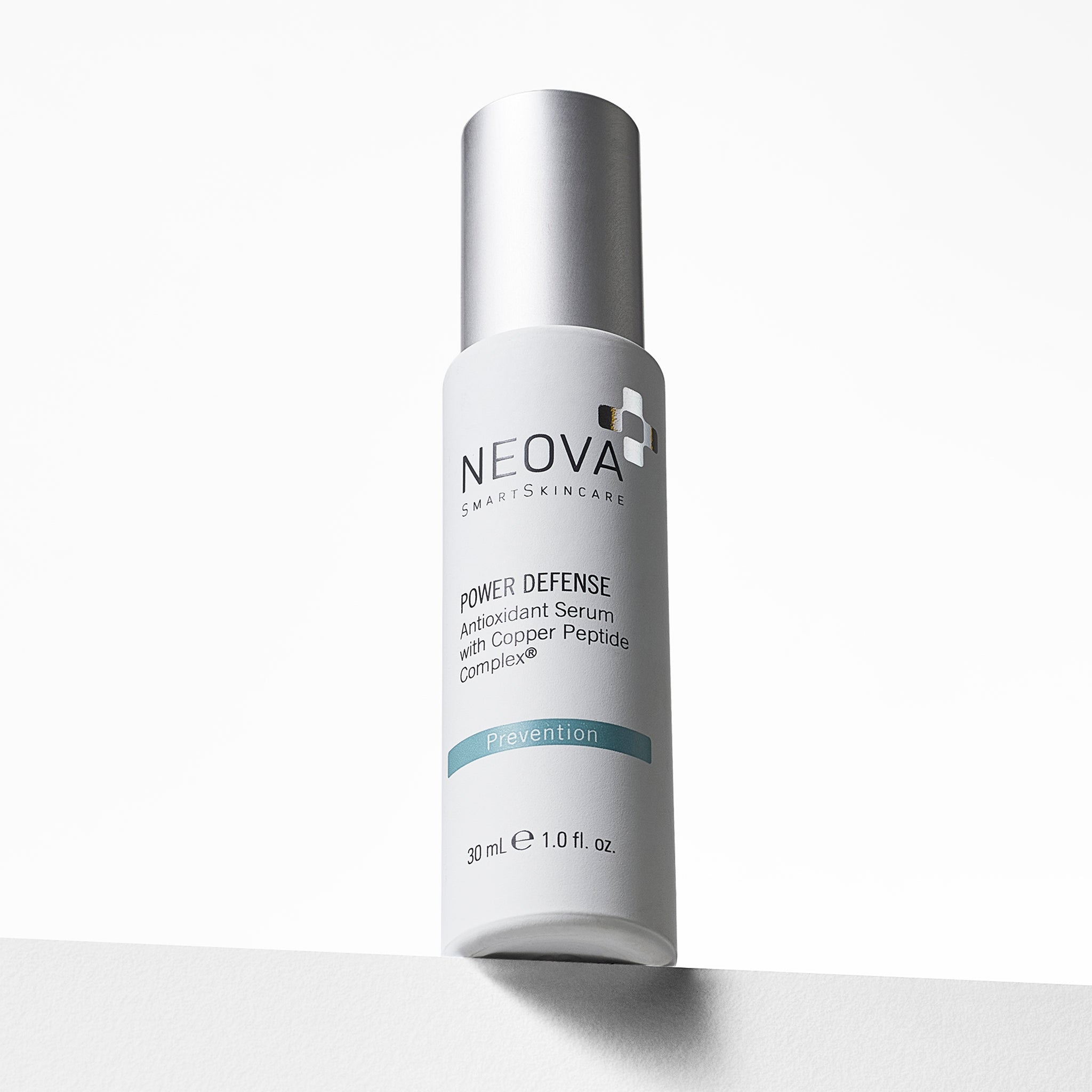
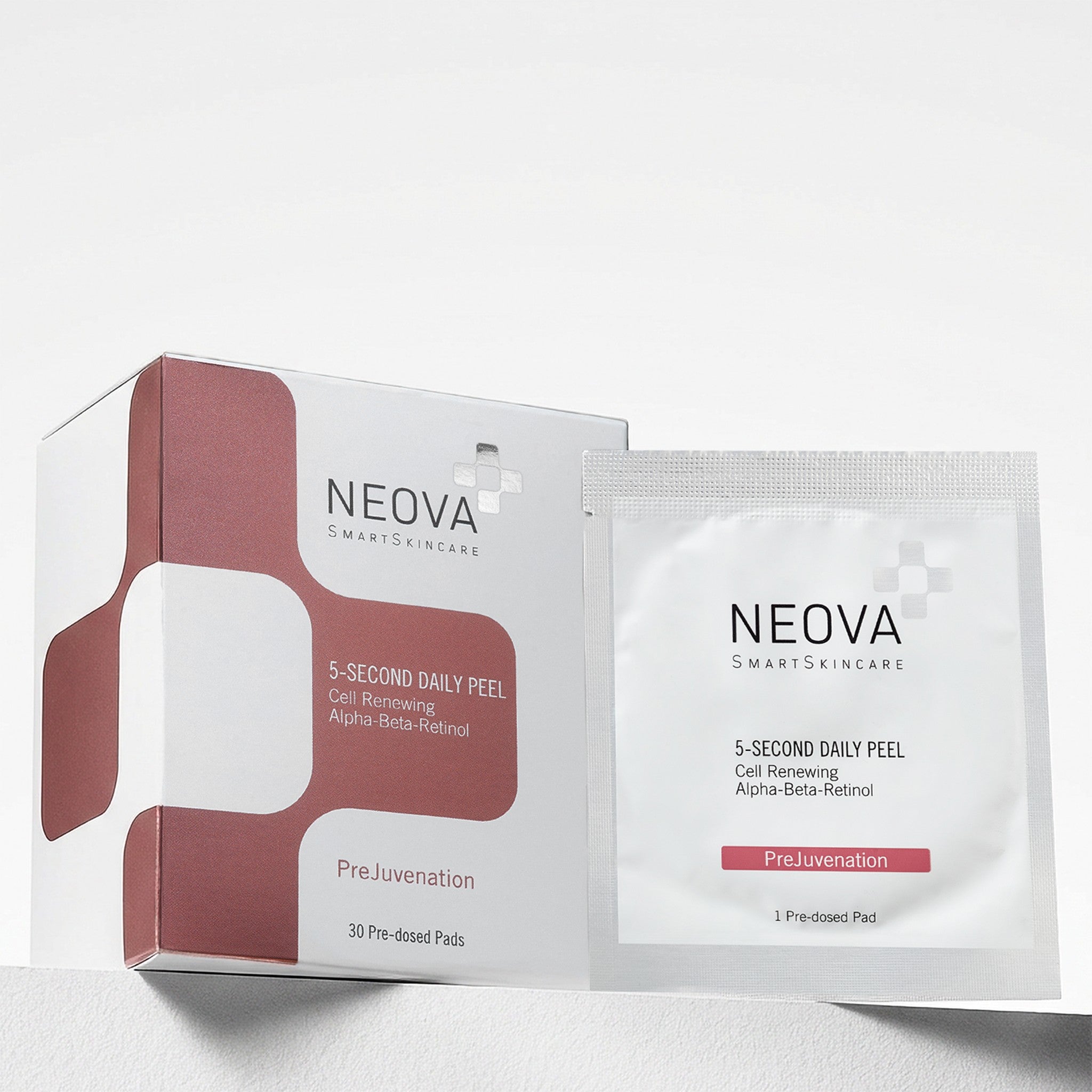
NEOVA’s Prejuvenation Collection is designed to support collagen and skin elasticity, helping reduce the visible appearance of enlarged pores as skin ages over time.
The Anatomy of Pores
In dermatological terms, pores are defined as openings that allow substances to move between internal skin structures and the external environment. Although often discussed as a cosmetic concern, pores are part of a highly regulated system that supports skin homeostasis.
There are two primary categories of pores: hair follicle (sebaceous) pores and sweat pores.
Hair follicle pores are the structures most commonly referenced in skincare. Each is connected to a hair follicle and a sebaceous gland located within the dermis. These glands produce sebum, a lipid-rich substance that travels through the follicle canal and reaches the skin’s surface. Sebum plays a key role in maintaining the acid mantle, hydration balance, and barrier protection.
Sweat pores function independently of oil production. They are connected to eccrine or apocrine sweat glands and regulate temperature through perspiration. Eccrine glands are widely distributed across the body and are essential for thermoregulation, while apocrine glands are concentrated in areas such as the underarms and become active after puberty. Sweat pores are typically smaller and less visible than follicular pores.

How Pores Function in the Skin
Pores serve multiple biological roles that are critical to skin health.
Sebaceous pores regulate the delivery of sebum to the skin surface, where it contributes to the acid mantle, a protective film that helps maintain hydration and defend against environmental stressors. This system is essential for preventing excessive moisture loss and maintaining barrier integrity.
Sweat pores support thermoregulation. When body temperature rises, eccrine glands release sweat through the skin surface. As this moisture evaporates, it cools the body and helps maintain internal temperature stability (homeostasis).
In addition, perspiration carries small amounts of metabolic byproducts to the skin’s surface. While not a primary detoxification pathway, this function reflects the skin’s role in broader physiological regulation.

Types of Pores and Where They Are Found
Hair follicle pores (sebaceous pores) are most concentrated on the face, particularly the T-zone. These pores are directly involved in sebum production and are most relevant in discussions of oily skin, congestion, and acne. Their visibility is influenced by genetics, oil output, collagen integrity, and the accumulation of debris within the follicle canal.
Sweat pores are distributed across nearly the entire body, with higher concentrations on the palms, soles, and forehead. Their function is primarily physiological rather than cosmetic, and they are generally not visible without magnification.
In skincare terminology, “oil pores” refers specifically to sebaceous follicle pores. These are the pores most closely linked to skin texture, shine, blackheads, and breakouts.
Understanding the distinction between facial and body pores is important for treatment strategy. Facial skin is more sebaceous, more exposed to environmental stressors, and more prone to visible pore changes over time, requiring more targeted care approaches.

What Causes Enlarged Pores?
Enlarged pores are influenced by multiple structural and environmental factors:
-
Excess sebum production: Increased oil output can stretch the follicle opening, making pores appear more visible. This is most common in oily skin types.
-
Loss of skin elasticity: Age-related declines in collagen and elastin reduce structural support around pores, allowing them to appear more enlarged.
-
Congestion within the follicle: Build-up of sebum, dead skin cells, and environmental debris can distend the pore and contribute to visible enlargement. This is closely linked to comedones and acne formation.
-
Sun exposure: UV radiation breaks down collagen and thickens the outer skin layer, both of which can exaggerate pore visibility over time.
- Hormonal fluctuations: Androgen activity increases sebum production, which is why pore enlargement is often more noticeable during puberty, menstrual cycles, and hormonal shifts.
Because pore structure is biological, enlargement cannot be reversed permanently. However, its appearance can be significantly improved with consistent skincare that addresses congestion, oil balance, and skin support.

Skincare Strategies for Pore Appearance
Effective pore care focuses on maintaining follicular clarity and supporting skin structure over time.
- Double cleansing in the evening: An oil-based cleanser dissolves sebum, sunscreen, and makeup, while a gentle water-based cleanser removes residual debris. This helps reduce congestion without disrupting the skin barrier.
- Chemical exfoliation: Salicylic acid (BHA) is oil-soluble and penetrates into the follicle to help clear buildup. Glycolic acid (AHA) supports surface cell turnover, improving texture and clarity.
- Non-comedogenic products: Using formulations that do not clog pores reduces the risk of congestion-related enlargement.
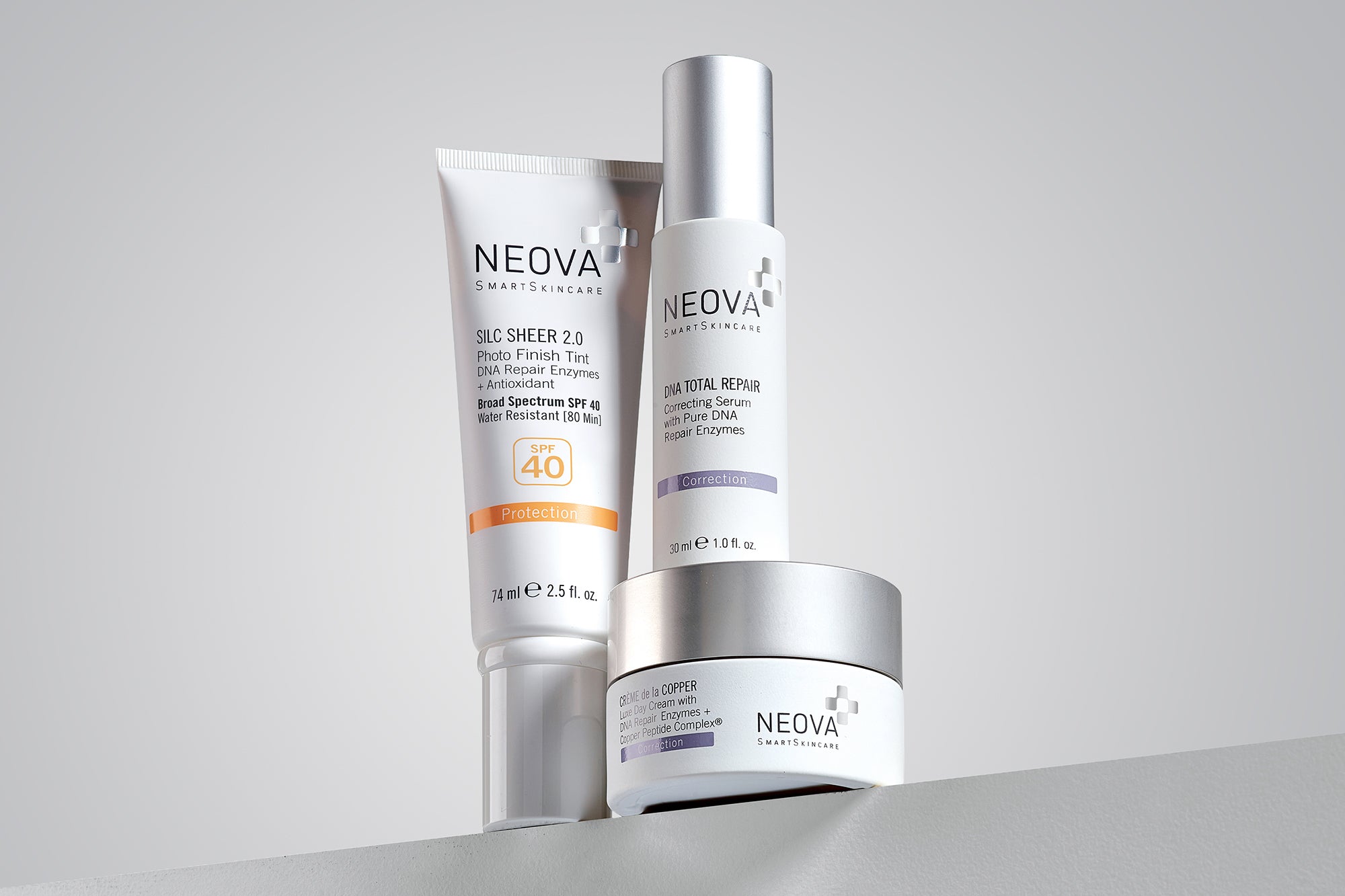
- Daily sun protection: Broad-spectrum SPF, like Silc Sheer 2.0, helps preserve collagen and elastin, maintaining structural support around pores.
- Avoiding mechanical irritation: Picking or excessive touching can worsen inflammation and contribute to long-term pore enlargement.
Long-term pore appearance is driven by consistency rather than isolated treatments. Improvements occur gradually as skin function becomes more balanced.

SHOP CLARIFYING & BALANCE SYSTEM
Pores and Acne: The Biological Connection
Pores are directly involved in the development of acne through their role in the sebaceous follicle.
Acne occurs when a follicle becomes obstructed by a combination of excess sebum, dead skin cells, and naturally occurring skin bacteria. When trapped within a blocked follicle, bacteria can increase and trigger an inflammatory response.
This inflammation produces the redness, swelling, and discomfort associated with papules, pustules, nodules, and cysts.
Non-inflammatory acne, such as blackheads and whiteheads, forms when pores become clogged without significant inflammation. Blackheads occur when the blockage is exposed to air and oxidizes. Whiteheads form when the follicle remains closed beneath the skin surface.
Because acne is multifactorial, effective management requires addressing sebum regulation, follicular turnover, bacterial balance, and inflammation simultaneously.

Frequently Asked Questions About Pores
Can pores actually open and close?
No. Pores do not contain muscles and cannot open or close. This is a common skincare myth. Heat or steam may soften debris inside the follicle, making it easier to remove, but they do not change pore size. Cold water also does not “shrink” pores. Pore appearance is influenced by sebum production, congestion, and skin quality around the follicle.
Why do pores look larger on the nose than elsewhere on the face?
The nose has a higher density of sebaceous glands, leading to increased sebum output and more visible follicle activity. It also has less structural support from surrounding tissue compared to areas like the cheeks. Together, this makes pores appear more prominent. Oil control and regular exfoliation are most effective for improving their appearance.
At what age do pores typically become more noticeable?
Pores often become more visible during puberty due to increased androgen-driven sebum production. They may also become more noticeable in adulthood during hormonal shifts. A second increase typically occurs in the 30s and beyond as collagen declines and skin loses firmness. Early use of collagen-supporting skincare and daily SPF can help maintain a more refined appearance. The NEOVA Prejuvenation Collection supports this preventative approach.
Does skin type affect how visible pores are?
Yes. Oily and combination skin types produce more sebum, which makes pores appear more visible due to increased follicular activity. Dry skin typically has finer-looking pores, though they can still enlarge with age. For oilier skin, sebum-regulating routines such as the NEOVA Clarifying & Balance Acne System can help improve pore appearance over time.

LEARN MORE ABOUT PROFESSIONAL CHEMICAL PEELS
Build a Routine That Works With Your Pores, Not Against Them
- Acne + Oil Control Collection for sebum regulation and congestion
- Prejuvenation Collection for proactive collagen and firmness support
- Chemical Peels for accelerated resurfacing and pore refinement
- All About Pores for a deeper read on pore-focused skincare
This article is intended for informational purposes only and does not constitute medical advice. Consult a board-certified dermatologist for personalized guidance.


%20to%20keep%20skin%20lubricated.%20Everyone%20has%20them,%20they%20can't%20be%20permanentl...)