
Article: GLP-1s and Your Skin: What Rapid Weight Loss Can Change
GLP-1s and Your Skin: What Rapid Weight Loss Can Change
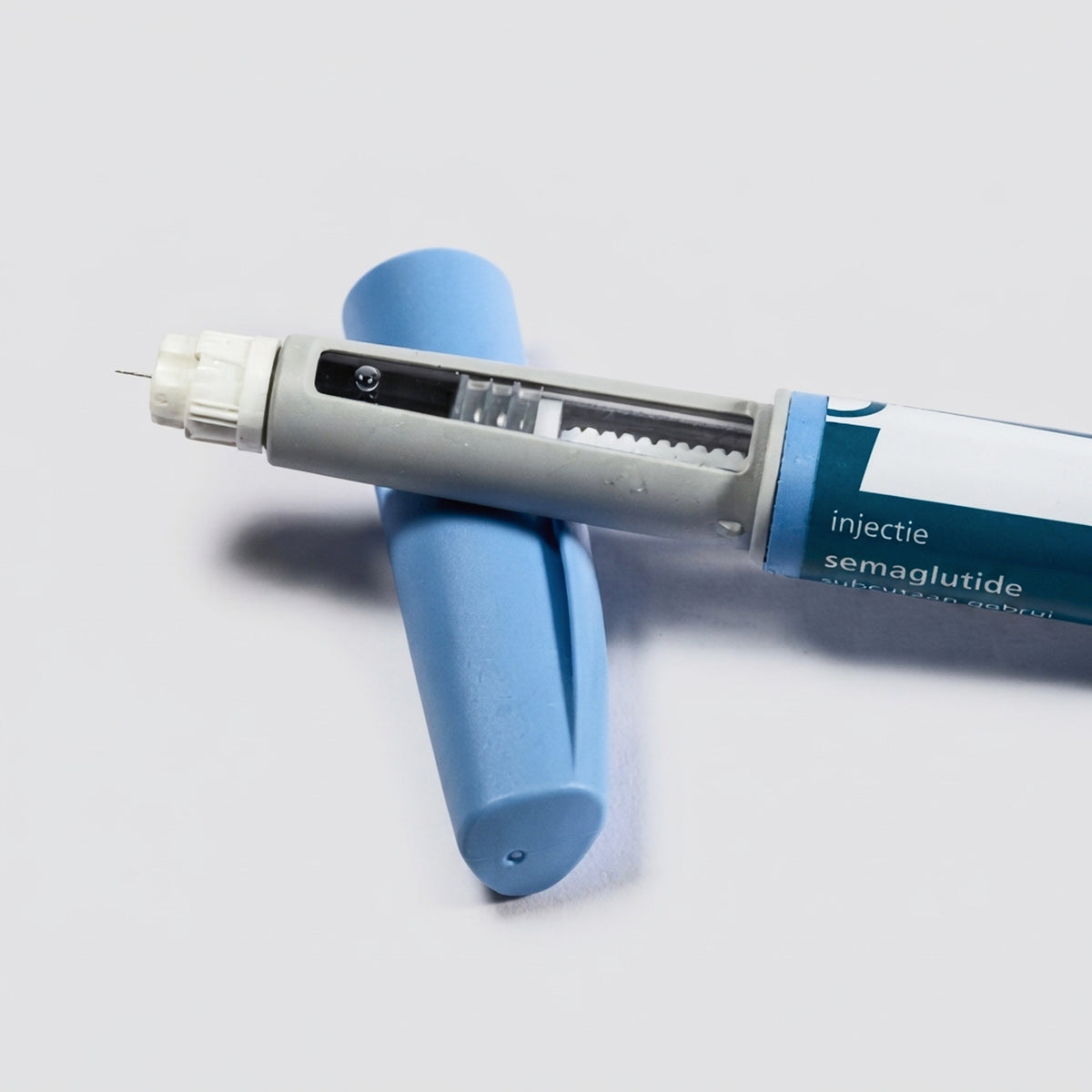
GLP-1 medications and skin changes have become an increasingly common topic as more people experience significant weight loss with medications such as semaglutide and tirzepatide. While these medications work primarily by affecting appetite, blood sugar regulation and digestion, the resulting changes in body composition can also change the way skin looks and feels.
When a substantial amount of weight is lost over a relatively short period, the skin has to adapt to a smaller underlying volume. Depending on age, genetics, skin quality, the amount of weight lost and other factors, that adaptation may involve visible laxity, changes in facial contours, fine wrinkling or differences in skin texture.
These changes are not necessarily a direct effect of the medication itself. In many cases, they are a consequence of significant weight loss and the resulting reduction in subcutaneous fat, which is important to know when considering what skincare can realistically do to help.

How GLP-1 Medications Can Lead to Changes in Skin Appearance
GLP-1 receptor agonists, including semaglutide and tirzepatide, are used to treat certain metabolic conditions and, depending on the medication and indication, support weight management. They work through pathways involved in appetite, blood glucose regulation and digestion, which can result in reduced food intake and substantial weight loss for some people.
The skin changes associated with that weight loss are primarily related to changes in the tissue beneath the skin.
Skin does not simply sit on top of the body as a fixed covering. Its appearance is influenced by the amount and distribution of subcutaneous fat, as well as the collagen, elastin and connective tissue that provide structural support.
When underlying volume decreases significantly, the skin may not immediately conform to the new contours. Some people notice this most clearly in the face, while others notice loose or crepey skin on the abdomen, arms, thighs or other areas where substantial fat loss has occurred.
This phenomenon is not unique to GLP-1 medications. Similar changes can occur following substantial weight loss from lifestyle changes, bariatric surgery or other causes. What has changed recently is the number of people experiencing significant weight loss through GLP-1-based therapies, bringing greater attention to its effects on appearance.

Why Rapid Weight Loss Can Affect Skin Elasticity
The skin's ability to adapt to changes in underlying volume depends on several factors, including collagen and elastin, age, genetics, cumulative sun exposure and the degree of weight change.
Collagen provides much of the skin's structural framework, while elastin contributes to its ability to stretch and return toward its original shape. Both are affected by intrinsic aging and environmental exposure, particularly ultraviolet radiation.
Research examining skin after substantial weight loss has found measurable changes in the organization of these structural proteins. In one histological study of people who experienced massive weight loss following bariatric surgery, researchers found a reduction in thick, organized collagen fibers and changes in the organization of the dermal collagen and elastic fiber network [1]. These findings help explain why significant weight loss can be accompanied by changes in skin quality and laxity.
When a significant amount of weight is lost over a shorter period, there may be a mismatch between the skin's surface area and the volume beneath it. How noticeable that difference becomes varies considerably from person to person.
Age is another important variable. Cumulative changes in collagen and elastin can affect the skin's ability to adapt to changes in underlying tissue. Previous sun exposure, genetics, the amount of weight lost and how long the skin has been stretched can also influence the outcome.
Importantly, the available research on skin structure largely examines massive weight loss rather than GLP-1 medications specifically. The evidence supports the relationship between substantial weight loss and changes in skin structure, while individual responses to GLP-1-associated weight loss can vary.

Common Skin Changes Associated With GLP-1-Related Weight Loss
There is no single pattern of skin change that applies to everyone taking a GLP-1 medication. However, several changes can become more noticeable following substantial weight loss.
Facial Volume Loss and “Ozempic Face”
“Ozempic face” is an informal term used to describe facial changes that some people notice after significant weight loss, including reduced facial fullness, more noticeable hollows and increased skin laxity.
The term can be misleading because these changes are not necessarily unique to Ozempic or GLP-1 medications. When substantial weight is lost, the amount and distribution of subcutaneous facial fat can change, altering the contours of the cheeks, temples, under-eye area and jawline.
A 2024 systematic review examining facial changes following massive weight loss found the most significant regional fat-volume loss in the mid-cheek area, along with increased laxity of the central neck. The review concluded that massive weight loss was associated with changes in facial soft tissue that can contribute to an older-appearing facial contour [2]
The American Academy of Dermatology similarly notes that people taking GLP-1 medications may notice less facial fullness, sagging skin, wrinkles and crepe-like texture, with dermatologists identifying rapid weight loss as an important contributor. The AAD also emphasizes that more research is needed to distinguish the effects of weight loss from effects directly attributable to the medications themselves [3].
For some people, these changes are subtle. For others, reduced facial volume can make existing lines, folds or laxity more apparent.
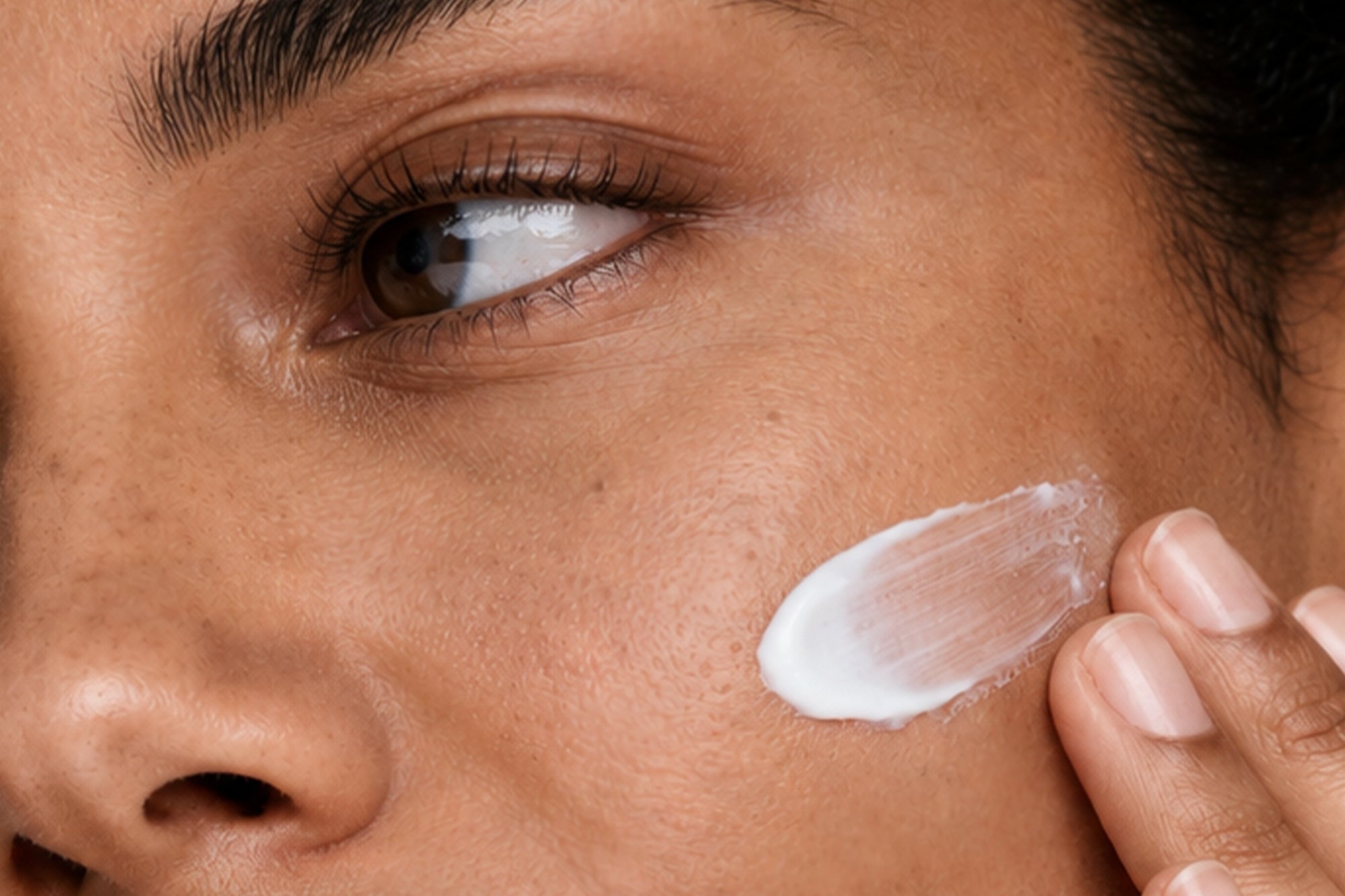
Skincare cannot replace lost facial fat. It can, however, help support the condition and appearance of the skin that remains by maintaining hydration, supporting the skin barrier and protecting against environmental factors that contribute to collagen degradation.

Loose or Crepey Skin
Loose skin can occur when the skin does not fully retract after substantial underlying volume is lost. The abdomen, upper arms and thighs are common areas where this may become noticeable.
The degree of laxity depends on factors such as the amount of weight lost, how long the skin was stretched, age, genetics and baseline skin elasticity.
Topical skincare, in forms like moisturizers or hydrating serums, may improve hydration and the appearance of surface texture, but significant excess skin is a structural concern that topical products cannot remove. People with more pronounced laxity may want to discuss treatment options with a dermatologist or qualified medical provider.
Dryness and Changes in Skin Texture
Some people also notice changes in skin texture or dryness during periods of significant weight loss.
Reduced appetite can make it more difficult to maintain adequate intake of fluids, protein and other nutrients. GI side effects associated with some GLP-1 medications can also affect food and fluid intake.
Dry skin does not necessarily mean that a GLP-1 medication has directly impaired the skin barrier. Rather, changes in nutrition, hydration, skincare habits and overall health can influence how the skin feels and looks during a period of weight change.
A dry skin routine centered on gentle cleansing, hydration and barrier support can help maintain skin comfort while the body adjusts.

Changes in Skin Tone and Radiance
Some people describe their skin as looking duller or more tired during periods of rapid weight loss. There can be several potential contributors, including dehydration, changes in nutrition, disrupted routines and the visual effect of reduced facial volume.
These changes should not automatically be attributed to the medication. Persistent changes in skin appearance, particularly when accompanied by fatigue, hair changes or other symptoms, are worth discussing with the healthcare provider overseeing treatment.
Potential Improvements in Skin Health
Not all skin changes associated with GLP-1 treatment are negative. For some people, improvements in metabolic health and reductions in inflammation may be reflected in the skin.
Inflammation is involved in a range of skin conditions, including acne, psoriasis and other inflammatory disorders. As overall health changes, some people may notice less redness, irritation or inflammation, although responses vary and GLP-1 medications are not established treatments for these skin conditions.
The takeaway is that skin changes during GLP-1 treatment are not universally positive or negative. Some reflect physical changes associated with losing weight, while others may accompany improvements in overall health. A consistent skincare routine can help support hydration, barrier function, texture and protection while the body adapts.

What Happens to Collagen and Elastin During Weight Loss?
Collagen and elastin are important components of the skin's support system, but they are only part of the picture.
Collagen provides tensile strength and structural support. Elastin contributes to elasticity. With age, collagen production and the skin's ability to maintain its extracellular matrix decline. Ultraviolet radiation can accelerate the breakdown of collagen and contribute to visible signs of photoaging.
When substantial weight is lost, the skin must accommodate a reduction in the volume beneath it. Whether it can retract effectively depends partly on the condition of the existing connective tissue.
This is why protecting collagen before and during weight loss matters. It is also why expectations around skincare should remain realistic: topical products can support skin quality, but they cannot recreate significant amounts of lost subcutaneous tissue or remove substantial excess skin.

What Can Skincare Actually Do?
A thoughtful skincare routine does not to stop weight-loss-related volume changes, but maintains the health and appearance of the skin while those changes are occurring.
Three priorities are particularly relevant: hydration and barrier support, environmental protection and consistent skin maintenance.
Support Hydration and the Skin Barrier
A healthy skin barrier helps reduce water loss and supports the skin's ability to function as a protective interface with the environment.
During periods when the skin feels drier or more sensitive, a routine built around gentle cleansing and effective moisturization may be preferable to repeatedly introducing aggressive exfoliants or multiple high-strength actives.
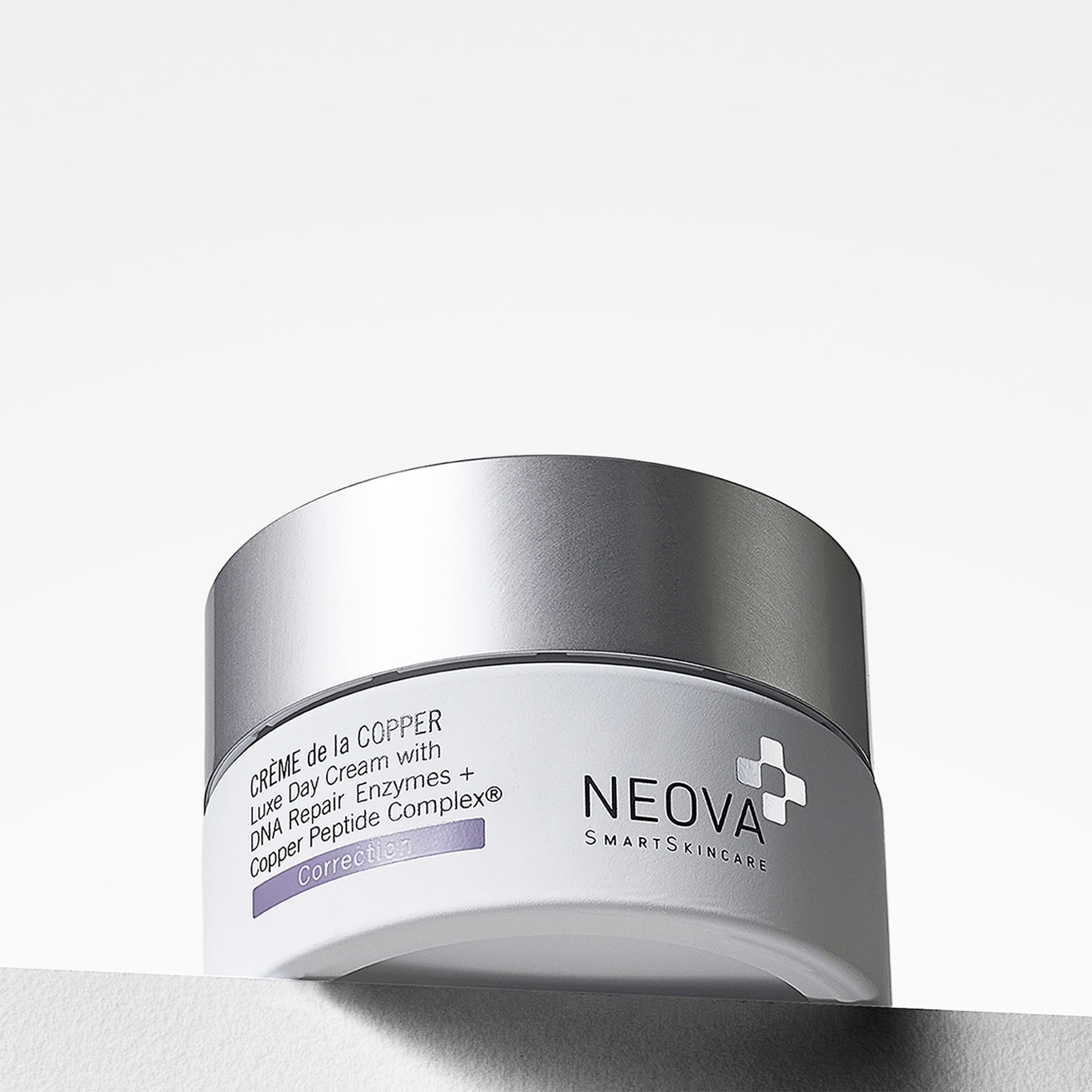
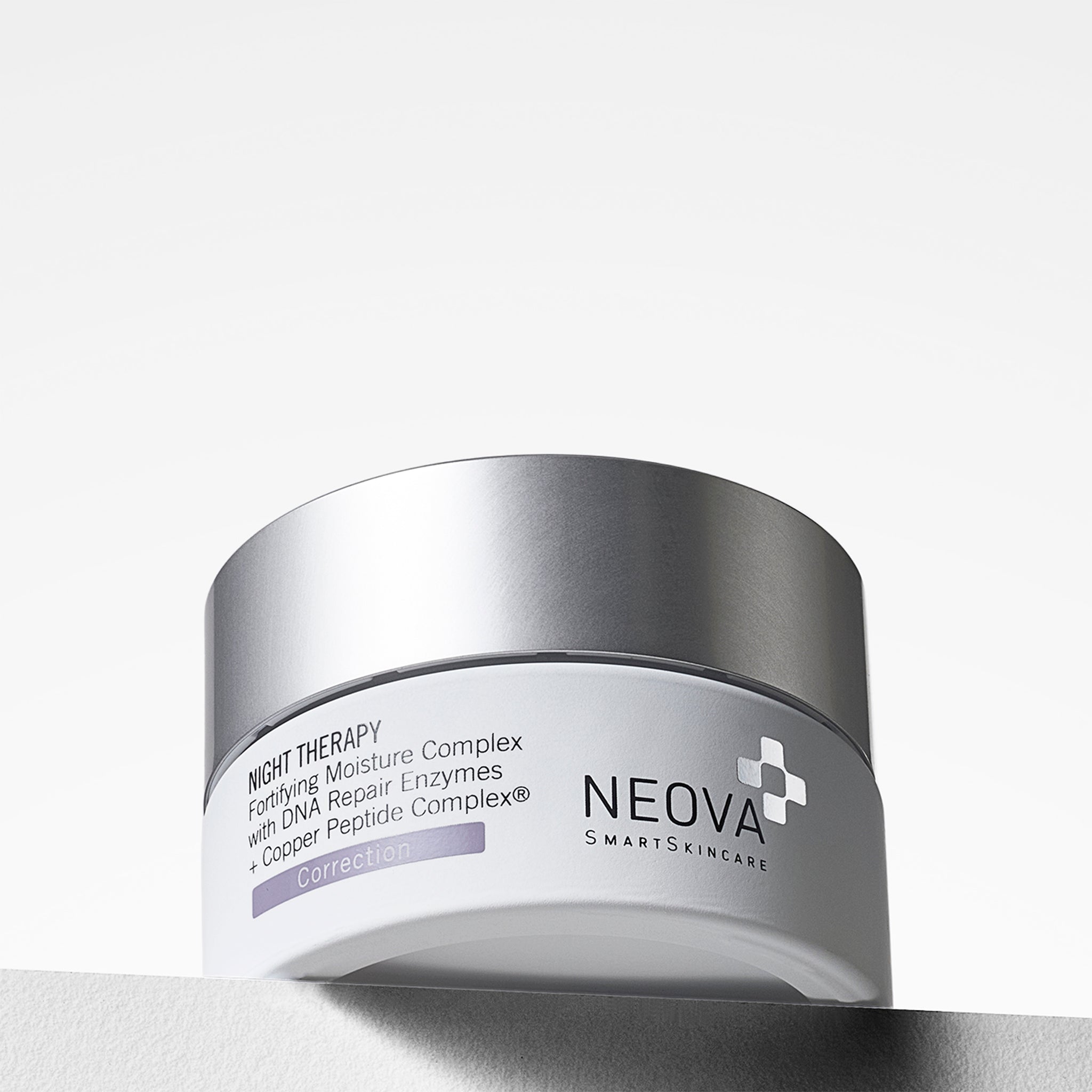
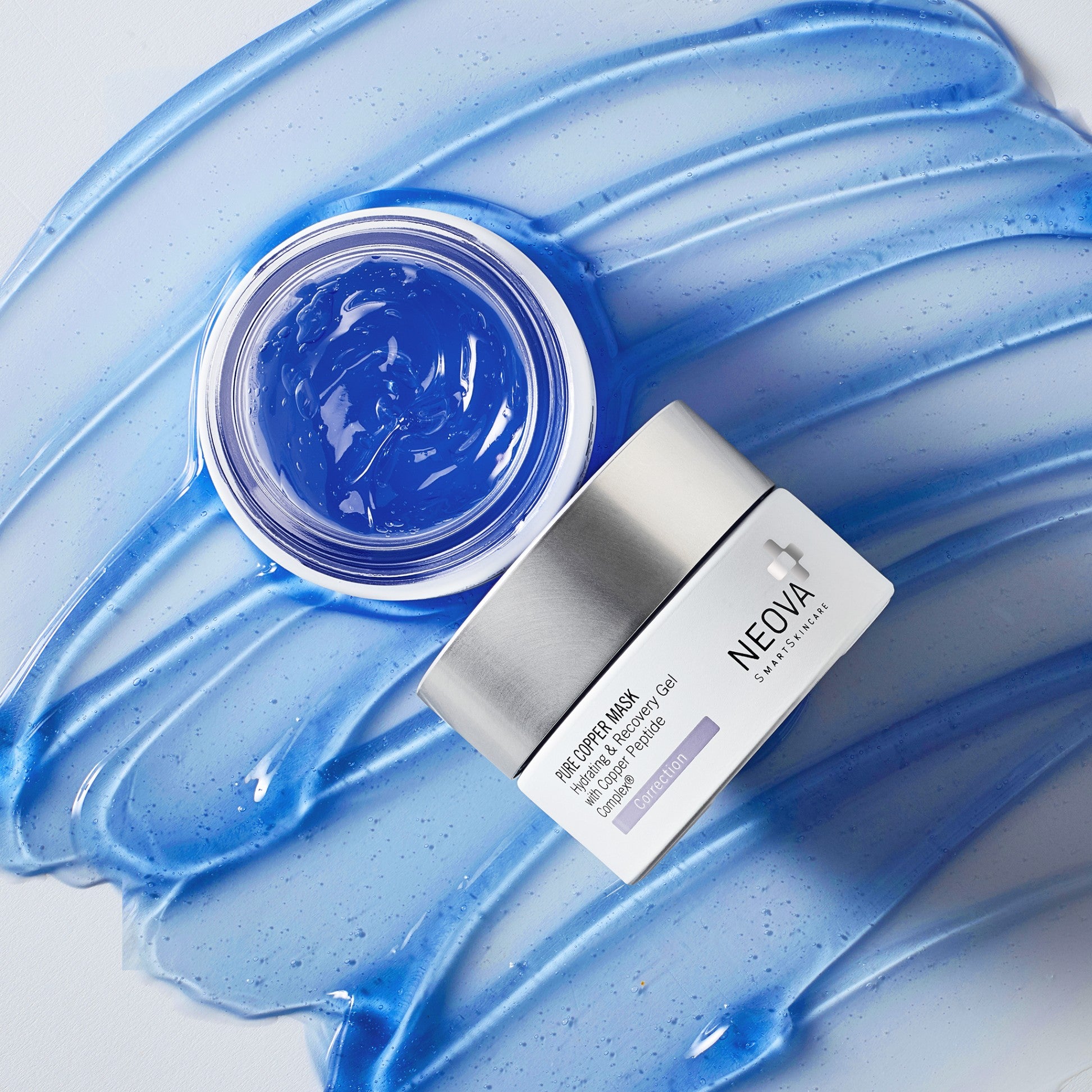
Hydrating ingredients such as hyaluronic acid can help increase the skin's water content and temporarily improve the appearance of fine lines associated with dehydration. Moisturizers, especially moisturizers with ceramides or copper peptides, help support the barrier and maintain skin comfort.
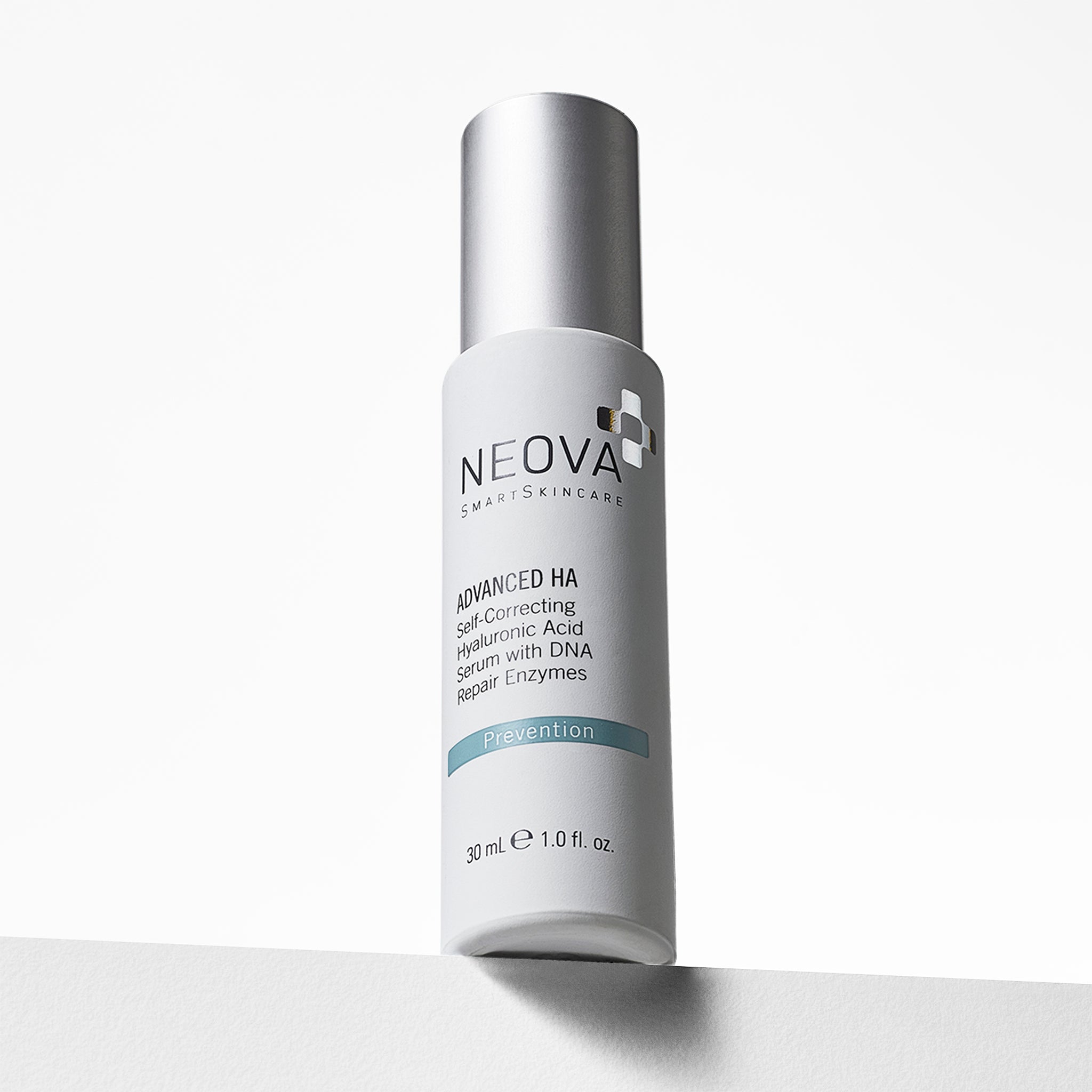
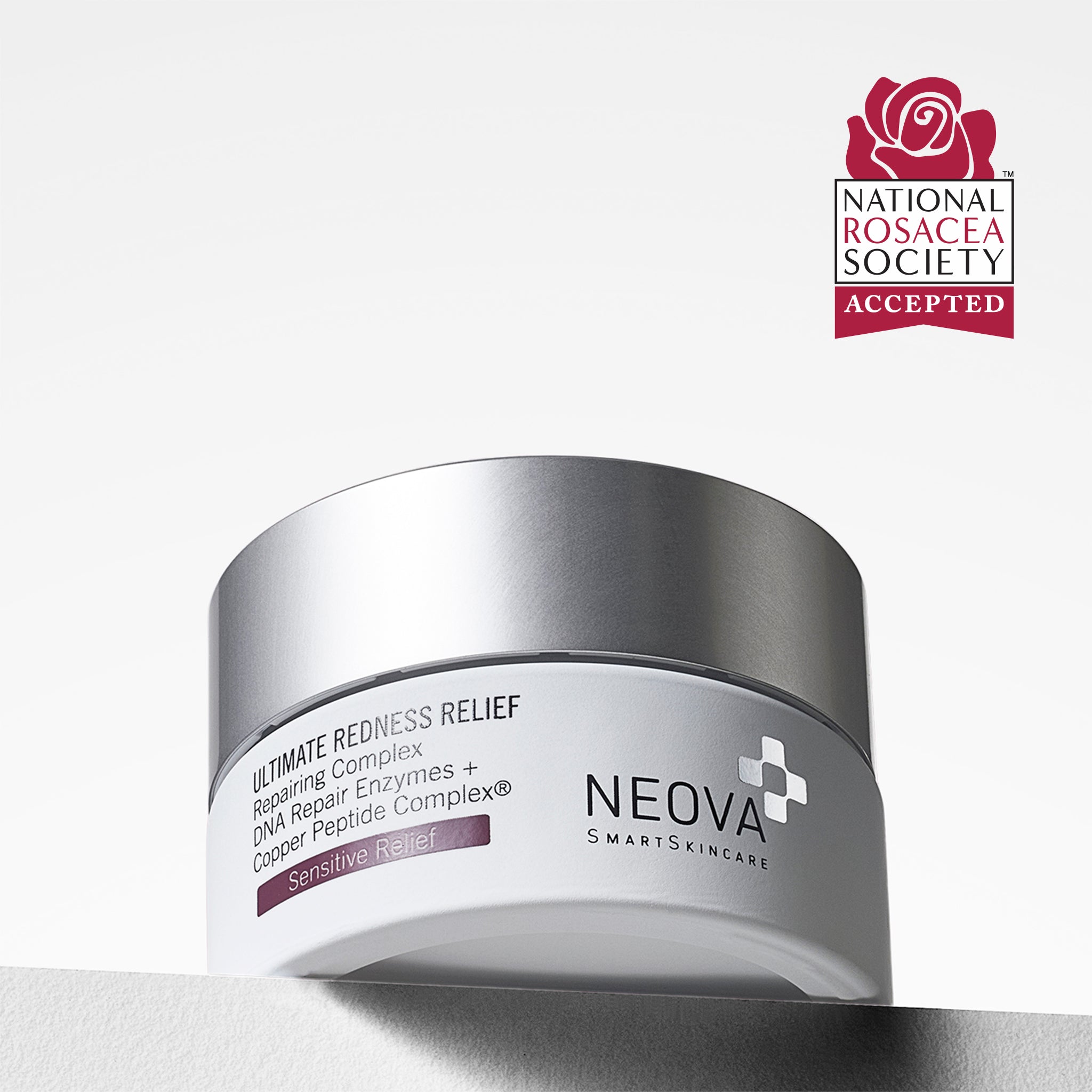
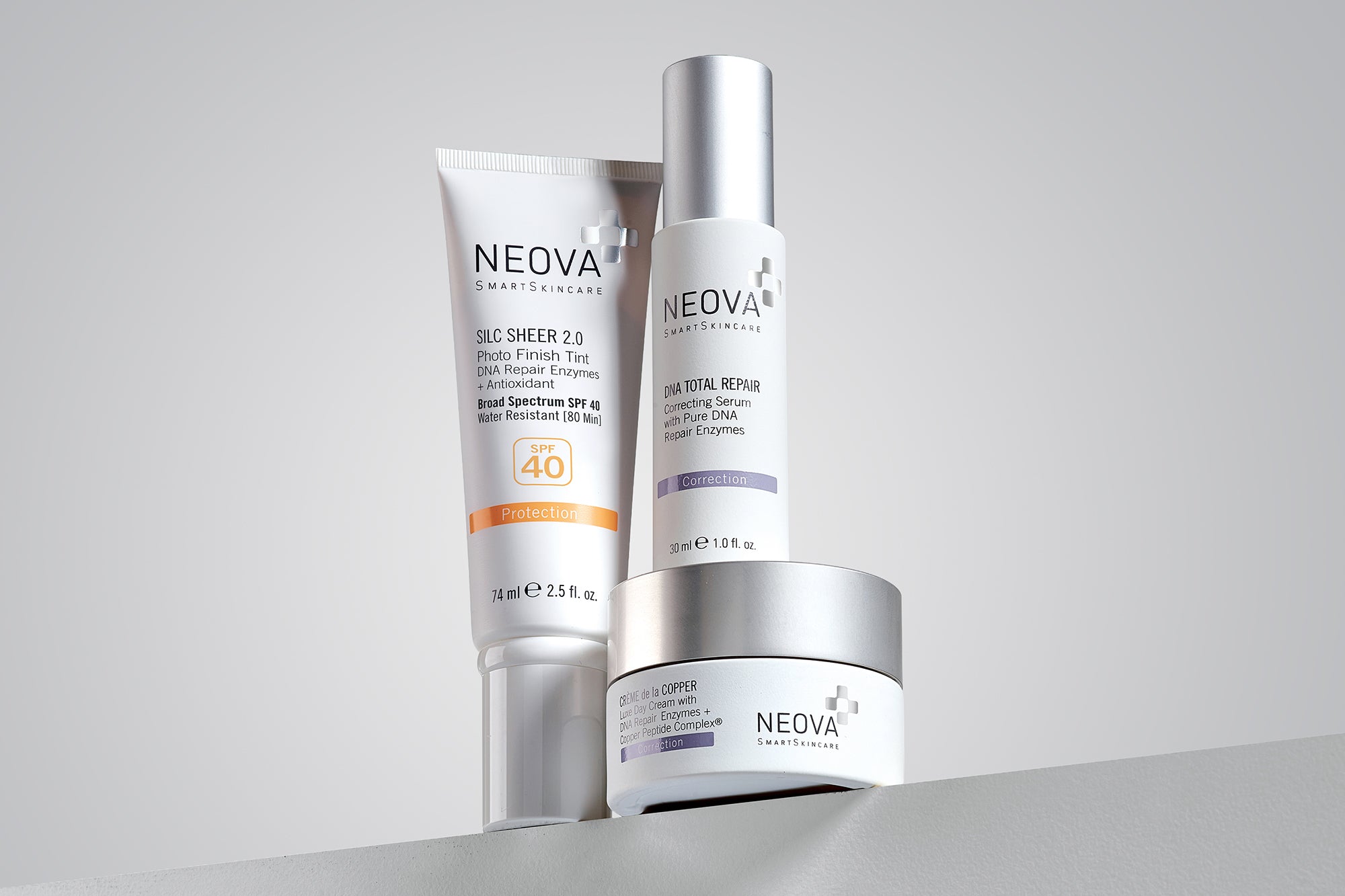
For a more targeted approach, NEOVA Advanced HA combines multiple forms of hyaluronic acid to support hydration, while the Crème de la Copper peptide moisturizer can be incorporated according to individual skin needs.


Protect Against UV-Related Collagen Degradation
Sun protection becomes particularly important when the goal is to preserve the quality of existing collagen and elastin.
UV exposure contributes to photoaging and collagen degradation independently of weight loss. Minimizing that additional source of structural damage is one of the most important long-term steps for maintaining skin quality.
A broad-spectrum sunscreen should therefore remain part of a daily routine year-round, not only during periods of increased outdoor exposure.
NEOVA Silc Sheer 2.0 (SPF 40) provides broad-spectrum SPF 40 protection in a tinted hybrid formula and incorporates our signature DNA repair enzyme science. It can serve as the daily protective step in a routine focused on maintaining skin quality during and after significant weight loss.

Support Overall Skin Quality
Once hydration and sun protection are established, targeted formulations can address concerns such as uneven tone, visible signs of photodamage, texture and the appearance of fine lines.
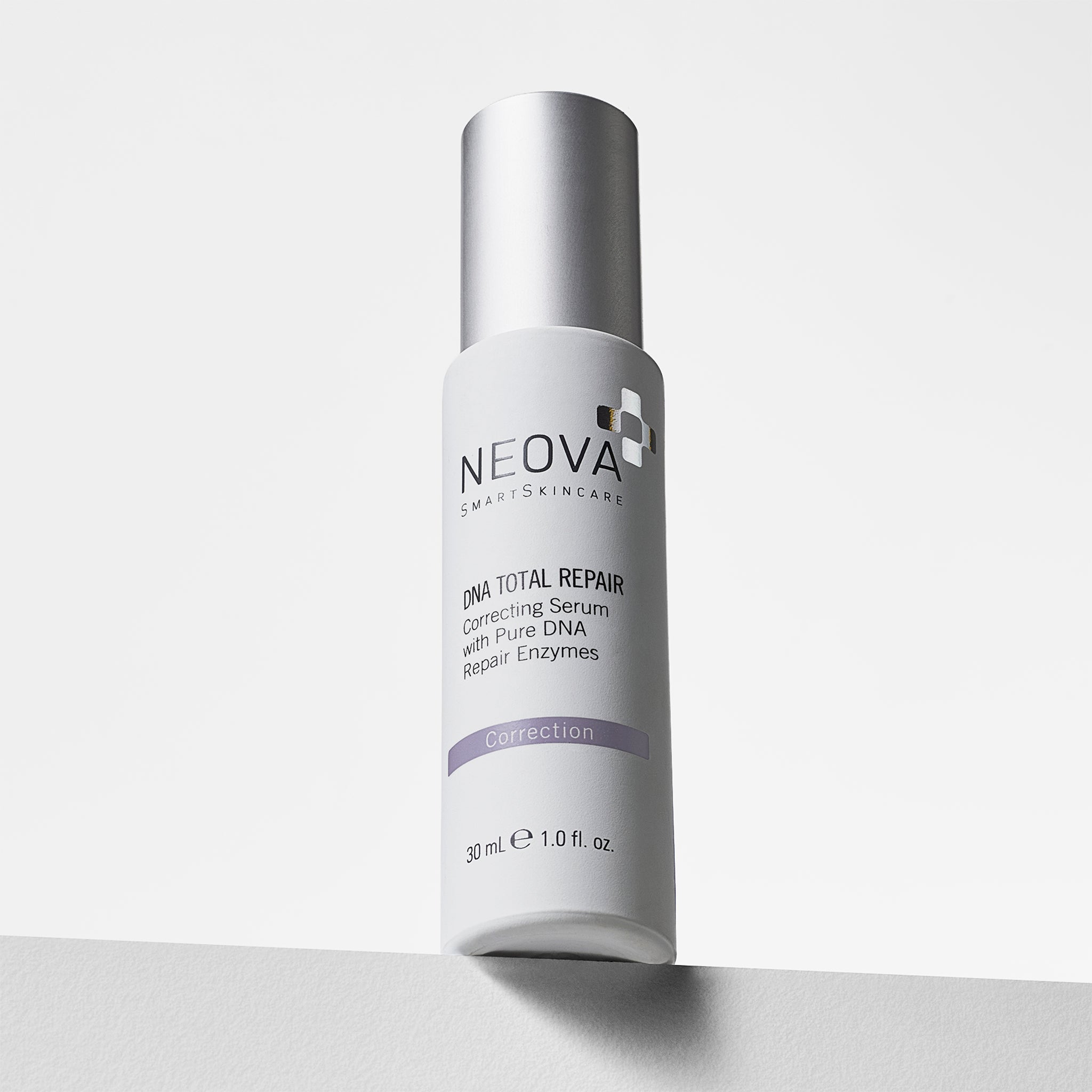
NEOVA's DNA Repair Collection is built around DNA repair enzymes designed to support the skin's response to UV-induced damage deep within the dermis. These products can complement a broader skin-health routine, but they should be viewed as supporting skin quality rather than treating the underlying loss of facial or body volume associated with weight loss.
That distinction matters. Skincare can help optimize the condition of the skin; it cannot replace tissue that has been lost beneath it.

Nutrition Matters During Significant Weight Loss
Skincare is only one part of maintaining healthy-looking skin during a period of substantial weight loss.
Because GLP-1 medications can reduce appetite, some people may find it more difficult to consume enough protein and other nutrients. Protein provides amino acids needed for the body's normal production of collagen and other structural proteins.
Adequate hydration and a nutritionally complete diet are also important for overall health and skin function.
This does not mean that taking additional supplements will prevent loose skin or facial volume loss. There is no skincare product or nutritional strategy that can guarantee that outcome. Instead, the focus should be on meeting nutritional needs while weight loss is taking place.
Anyone experiencing substantial appetite reduction, difficulty eating, persistent GI symptoms, unusual fatigue or other concerns should discuss them with their healthcare provider managing their treatment.

What About Treatments for Significant Skin Laxity?
When weight loss results in substantial skin laxity or facial volume loss, topical skincare has clear limitations.
A dermatologist or other qualified medical provider can evaluate whether the concern is primarily related to skin laxity, loss of underlying volume, or a combination of both. Depending on the individual and the area being treated, options may include energy-based skin-tightening procedures, collagen-stimulating treatments, injectables or surgical approaches.
The appropriate treatment depends on the extent and location of the change, your health and goals, and whether additional weight loss is expected.
For this reason, significant or persistent concerns are best evaluated medically rather than addressed solely through increasingly aggressive skincare.

When to Talk to a Dermatologist or Healthcare Provider
Skin changes following significant weight loss are usually an aesthetic concern, but they can also provide an opportunity to evaluate whether the pace of weight loss and nutritional intake are appropriate.
Consider speaking with a dermatologist if you are concerned about:
-
Significant facial volume loss or skin laxity
-
Persistent changes in skin texture or sensitivity
-
Excess or loose skin that affects your comfort or quality of life
-
Skin concerns that are not improving with basic skincare
-
Treatment options for more pronounced laxity or volume loss
It is also important to speak with the healthcare provider managing your GLP-1 medication if weight loss is unexpectedly rapid or if it is accompanied by persistent nausea, vomiting, significant fatigue, difficulty maintaining adequate food or fluid intake, hair changes or other symptoms.
The right approach is not necessarily to stop the medication or change the dose. Those decisions belong with the prescribing provider, based on the individual's medical circumstances.

Frequently Asked Questions About GLP-1s and Skin
Can GLP-1 medications cause acne or other skin problems?
Acne is not considered one of the primary skin changes associated with GLP-1 medications. However, changes in diet, hydration, stress, hormones and skincare habits during weight loss can affect how skin behaves. New or persistent breakouts should be evaluated based on their underlying cause rather than automatically attributed to the medication.
Does everyone experience “Ozempic face” after taking a GLP-1 medication?
No. Facial changes vary considerably between individuals. The amount and speed of weight loss, age, genetics, baseline facial volume, skin elasticity and cumulative sun exposure can all influence how noticeable changes in facial fullness or laxity become.
Can losing weight too quickly cause loose skin?
Rapid or substantial weight loss can contribute to loose skin because the skin may not fully retract around the body's reduced underlying volume. However, there is no specific rate of weight loss that guarantees loose skin. Individual factors, including age, genetics, the amount of weight lost and how long the skin was stretched, all play a role.

Does GLP-1 weight loss make you look older?
Significant facial volume loss can make some age-related features more noticeable, including hollows, folds and skin laxity. This does not necessarily mean the skin itself has biologically aged faster. Changes in facial fat distribution can alter facial contours and make existing signs of aging more apparent.
Can GLP-1 medications affect hair as well as skin?
Some people experience hair shedding during periods of substantial or rapid weight loss. This is often associated with the physiological stress of weight loss or inadequate nutritional intake rather than evidence that GLP-1 medications directly damage hair. Persistent hair changes should be discussed with a healthcare provider. Explore Tricomin Hair Care for a targeted approach with AHK-Cu.

How long does skin take to adjust after weight loss?
There is no single timeline because skin retraction depends on factors such as age, genetics, the amount of weight lost and the condition of the skin before weight loss. Some changes may become less noticeable as weight stabilizes, while significant excess skin may persist. A dermatologist can help determine whether additional treatment may be appropriate.
Can retinol help with GLP-1-related skin changes?
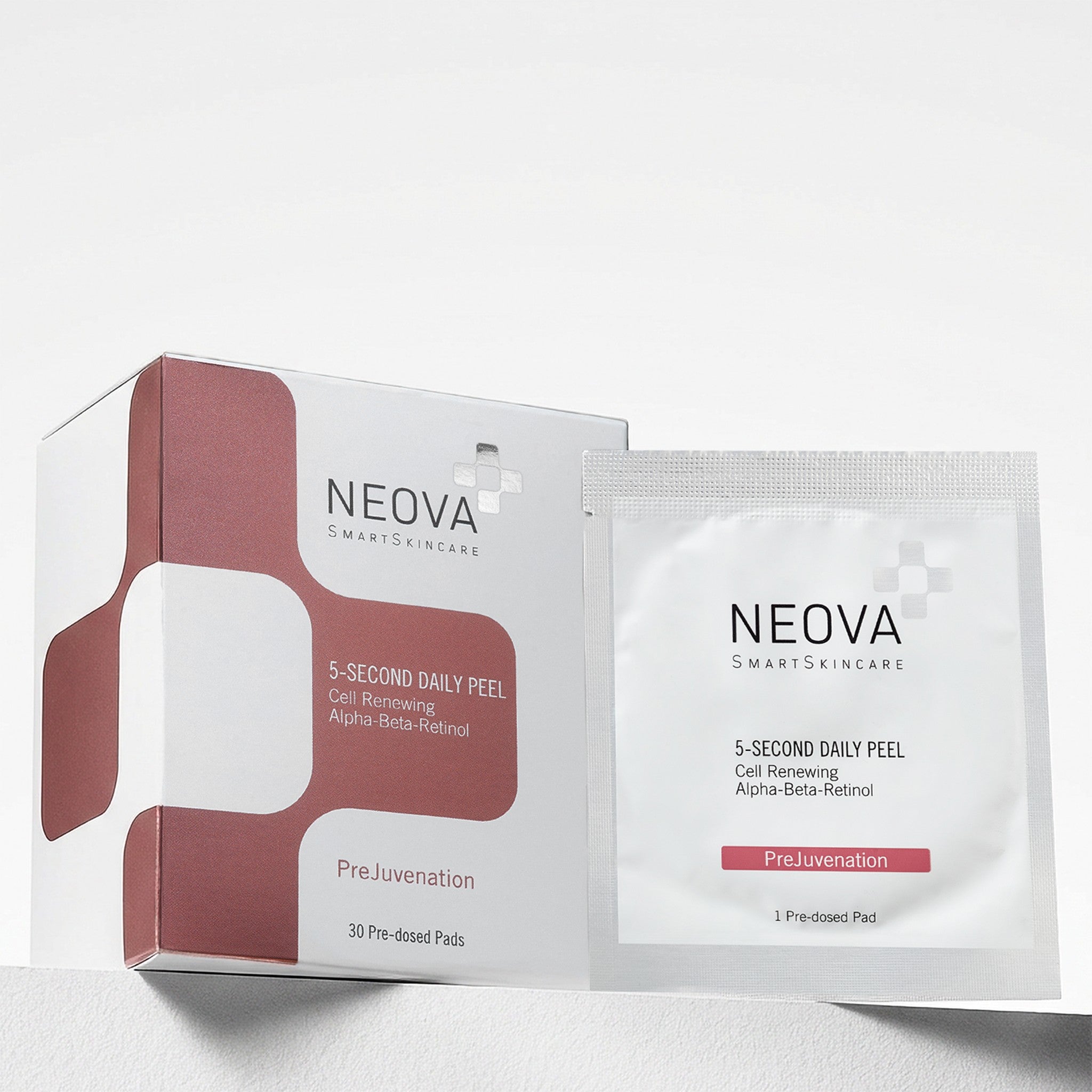
Retinoids, including NEOVA's signature alpha-beta-retinol, can support the appearance of fine lines, uneven texture and other signs of photoaging, but they cannot replace lost facial or body volume or remove excess skin. If skin becomes particularly dry or sensitive during weight loss, introducing or increasing a retinoid should be done gradually and with appropriate moisturization and sun protection.

The Bottom Line on GLP-1s and Skin
GLP-1 medications can be an effective tool for weight management, but substantial weight loss can change more than the number on the scale. As underlying fat volume decreases, the skin has to adapt to a new structure, and the visible result can vary considerably from person to person.
For some, the most noticeable change is facial volume loss. For others, it may be laxity, crepey texture or changes in skin hydration.
The most realistic skincare strategy is not to try to replace lost volume with topical products. It is to maintain the quality of the skin you have through consistent hydration, barrier support, targeted care and daily broad-spectrum sun protection.
Support Your Skin Through Every Change
Explore NEOVA SmartSkincare, developed with dermatologist expertise to support skin hydration, barrier function, visible texture and daily environmental protection. Find targeted skincare to help maintain healthy-looking skin as your body changes.
Sources
[1] Rocha RI, Cintra Junior W, Modolin MLA, et al. Skin changes due to massive weight loss: histological changes and the causes of the limited results of contouring surgeries. Obes Surg. 2021;31(4):1505-1513. doi:10.1007/s11695-020-05100-3.
[2] Ali B Jafar, Jerril Jacob, Wee Katherine Kao, Tang Ho, Soft Tissue Facial Changes Following Massive Weight Loss Secondary to Medical and Surgical Bariatric Interventions: A Systematic Review, Aesthetic Surgery Journal Open Forum, Volume 6, 2024, ojae069, https://doi.org/10.1093/asjof/ojae069.
[3] American Academy of Dermatology Association. How can GLP-1 drugs affect my skin, hair, and nails? American Academy of Dermatology. Accessed September 18, 2026. https://www.aad.org/public/everyday-care/skin-care-secrets/prevent-skin-problems/glp1-drugs-and-side-effects.