What Are Ceramides? The Skin Barrier Lipids That Keep Skin Healthy
Understanding what ceramides are is a valuable starting point for anyone interested in building a skincare routine grounded in barrier science. These lipids play a central role in how the skin maintains hydration, resilience, and overall stability.
Ceramides are naturally occurring lipids found in high concentrations in the outermost layer of the skin, the stratum corneum. Alongside cholesterol and fatty acids, they form the structural lipid matrix that fills the spaces between skin cells and holds the barrier together.
In clinical dermatology, ceramides are defined as a class of sphingolipid molecules essential for maintaining the skin’s protective function. Their importance is structural rather than cosmetic. When ceramide levels decline, the skin barrier becomes more permeable, leading to dryness, irritation, and increased sensitivity.
This guide explains what ceramides are, how they function in the skin, what happens when levels decline, and how they fit into NEOVA’s approach to barrier-focused skincare.

The Science of Ceramides: Structure and Function in the Skin Barrier
Ceramides exist within a highly organized lipid structure in the stratum corneum. This structure acts as a layered seal between skin cells, where the cells provide structural support and the lipids fill the surrounding spaces.
This arrangement is essential for barrier function. It regulates how much water is retained in the skin and how effectively the skin blocks irritants from entering.
Ceramides are continuously produced and broken down as part of the skin’s natural renewal process. With age and environmental exposure, including UV radiation, harsh cleansing, and over-exfoliation, ceramide levels gradually decline. As this happens, the barrier becomes less efficient and more reactive.
In skincare formulations, ceramide blends may be derived from plant sources or synthesized to replicate those naturally found in human skin. Common types include Ceramide NP (sometimes listed as Ceramide 3), Ceramide AP (Ceramide 6-11), and Ceramide EOP (Ceramide 1). These correspond closely to the ceramides present in healthy skin, making them highly compatible and well tolerated in topical skincare products.

What Ceramides Do for Your Skin
Ceramides support skin function in three primary ways: reinforcing the barrier, regulating water loss, and improving overall comfort.
Barrier Reinforcement
Ceramides act as the “mortar” between skin cells, helping maintain a structured and cohesive barrier. This structure limits the penetration of irritants such as pollutants, allergens, and microbes, while also helping the skin resist everyday mechanical stress.
When ceramide levels are sufficient, the barrier is more organized and resilient. Topically applied ceramides integrate into the existing lipid matrix, helping restore structural gaps and reinforce barrier integrity. This is why ceramides are commonly recommended in routines designed for compromised or reactive skin.
Water Retention
Healthy skin relies on its barrier to regulate water movement. This process, known as transepidermal water loss (TEWL), refers to the natural evaporation of water through the skin.
Ceramides are a key component in controlling TEWL. When levels are low, water escapes more easily, and the skin may feel dry, tight, or rough even when moisturizers are used. Replenishing ceramides helps restore the barrier’s ability to retain moisture, improving hydration and overall skin texture over time.
Skin Comfort and Sensitivity
Skin sensitivity is often linked to barrier dysfunction rather than inherent reactivity. When the barrier is weakened, environmental triggers can more easily reach nerve endings in the upper layers of the skin, leading to sensations such as stinging, redness, or discomfort.
By restoring barrier integrity, ceramides reduce exposure to these triggers and help normalize skin reactivity. Over time, this can improve tolerance and reduce the frequency of reactive episodes.

Ceramides at NEOVA: A Multi-Level Approach to Skin Health
NEOVA's clinical focus is on skin recovery, resilience, and long-term repair. Ceramides are an important part of our approach because they support the skin’s outer barrier where environmental stress is first encountered and protection begins.
Barrier Repair as a Foundation for Advanced Actives
Our history of developing skincare is based on biological results. Ceramides play a foundational role in maintaining the barrier that other actives depend on to function effectively. By replenishing key lipids, the ceramide blend helps stabilize the outer skin barrier. When this barrier is compromised, transepidermal water loss (TEWL) increases, penetration efficiency decreases, and inflammation can interfere with repair processes.
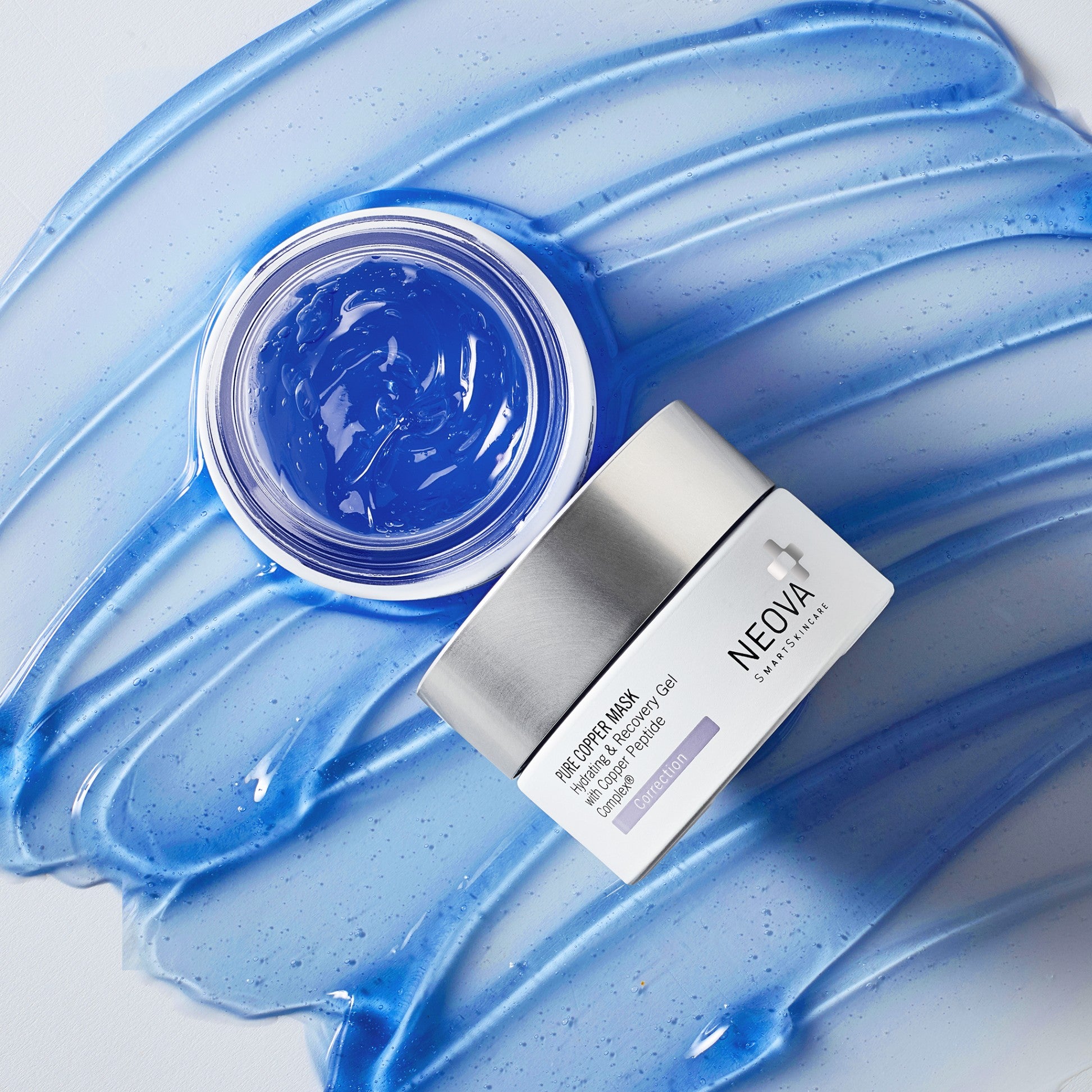
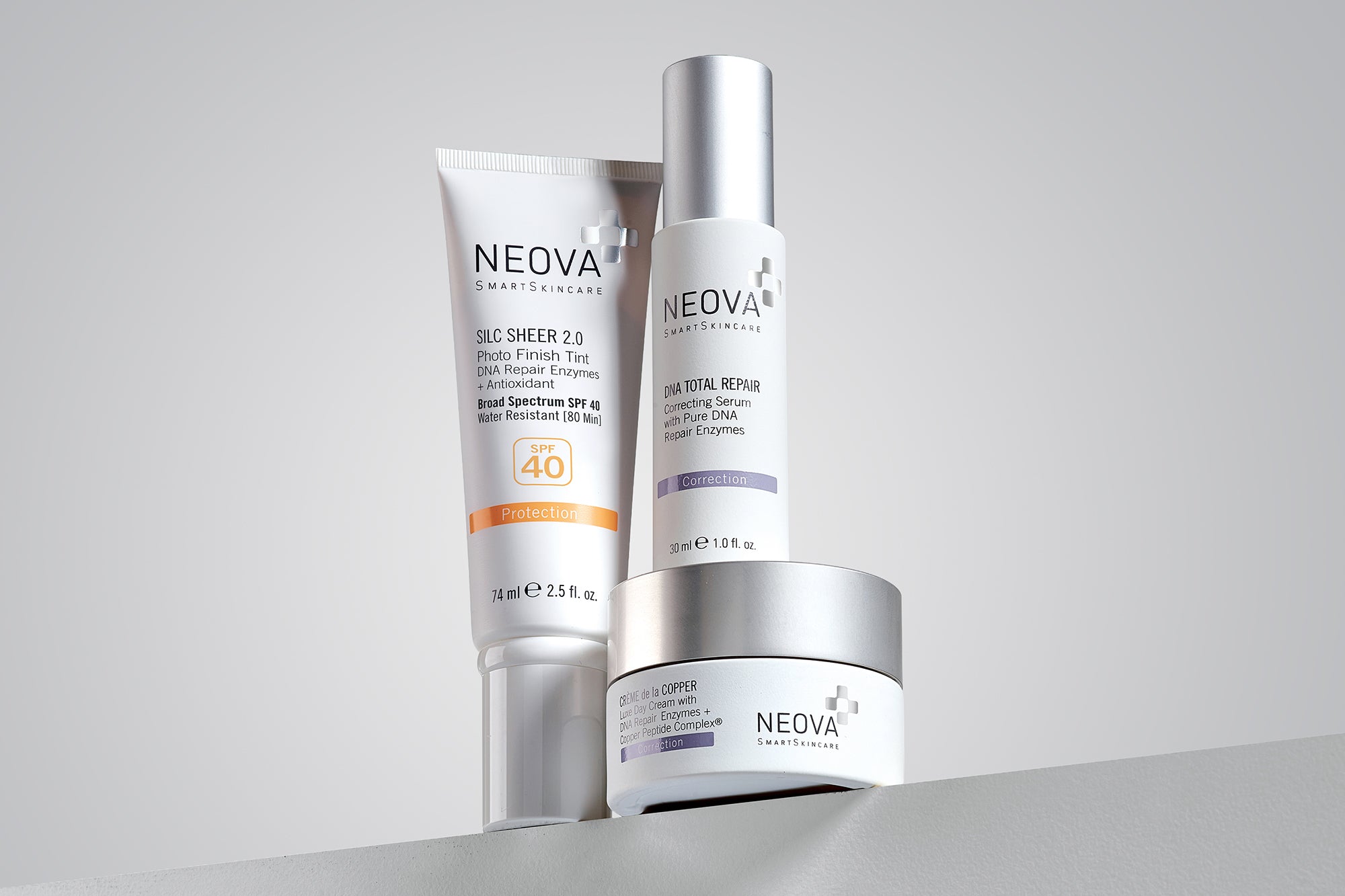
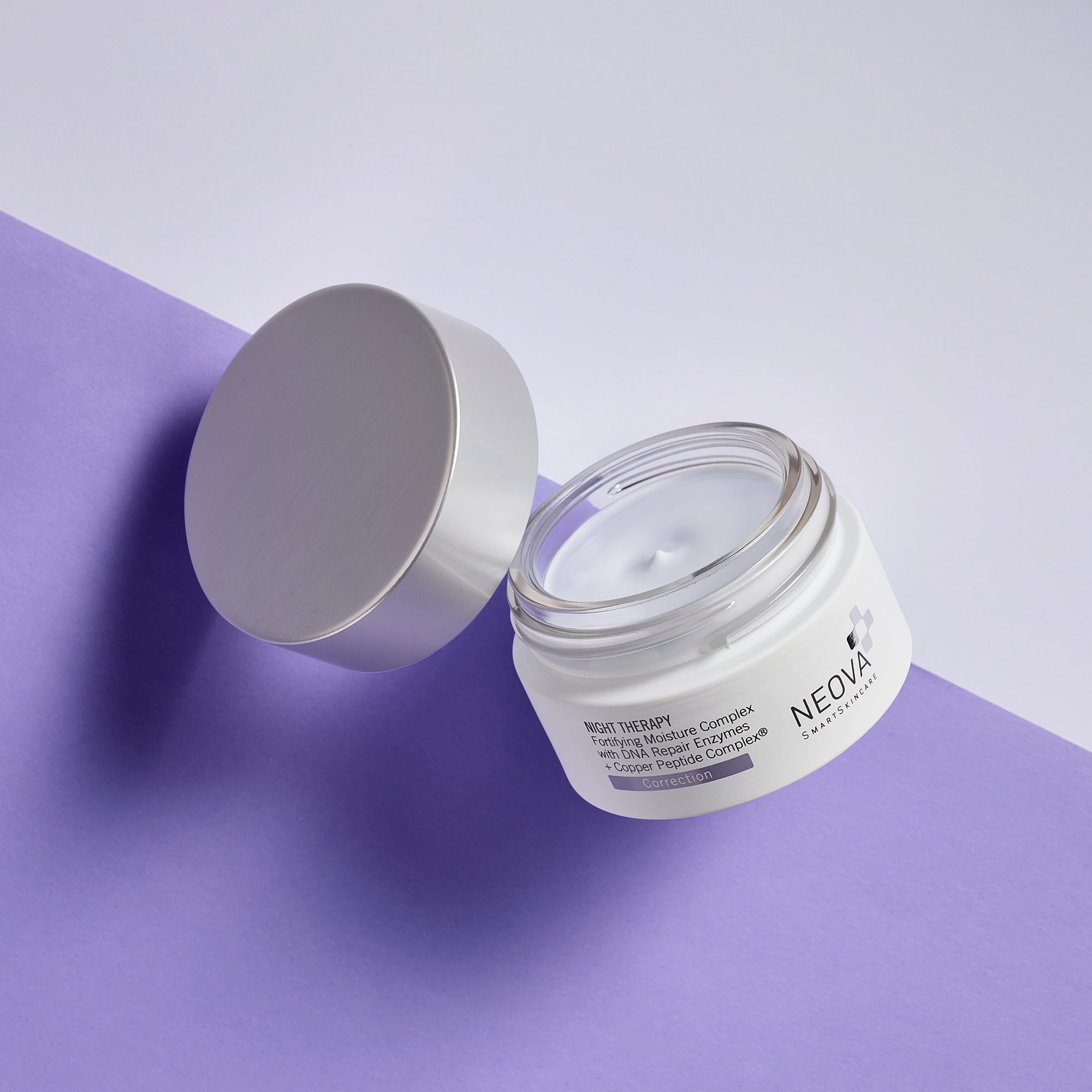
This barrier-first approach is reflected across our core treatment products. Creme de la Copper and Night Therapy both rely on a stable, well-functioning barrier to support their copper peptide and repair-driven technologies. When ceramides help reinforce the skin’s surface, these actives can perform more consistently and with less environmental interference.

Relevance to Post-Procedure and Compromised Skin
Our skincare is also often recommended in clinical settings following procedures such as laser resurfacing, chemical peels, or microneedling. In these cases, the skin barrier is temporarily disrupted and ceramide levels are reduced. Reintroducing ceramides post-procedure helps normalize TEWL, reduce post-procedure irritation, and support a more stable environment for skin recovery and regeneration.
This is where Ultimate Redness Relief becomes especially relevant. It is designed for skin experiencing visible inflammation or heightened sensitivity, conditions that often overlap with barrier disruption. Ceramides help calm reactivity by restoring surface stability.

Hydration and Recovery Synergy
Hydration depends not only on adding water to the skin but on retaining it. NEOVA moisturizers reflect this principle. Ceramides work alongside humectants like hyaluronic acid by reinforcing the barrier that helps keep water in the skin. This leads to more sustained hydration and improved skin texture over time.
Products like Illuminating Eye Serum also benefit from this same principle. The delicate eye area has a thinner barrier and is more prone to moisture loss and visible dehydration. Ceramide-supported barrier integrity helps improve hydration retention and supports a smoother, more resilient appearance in this region.

Signs Your Skin Needs Ceramides
The skin communicates barrier insufficiency in several ways. Recognizing these signals early allows for targeted intervention before more significant barrier dysfunction develops. Common signs include:
-
Persistent dryness that does not improve with standard moisturizers
-
Tightness or rough texture after cleansing or in low-humidity environments
-
Increased sensitivity to products that previously caused no irritation
-
Redness, uneven skin tone, or a dull surface appearance
-
Sensitivity to temperature changes or wind
-
Frequent breakouts in otherwise non-acne-prone skin
If several of these apply, browsing NEOVA's full range of barrier-supporting formulas is a practical starting point for rebuilding skin healthy systematically.

How to Use Ceramides in a Skincare Routine
Ceramides are highly versatile and are commonly found in moisturizers, barrier creams, cleansers, and serums.
For best results, they should be applied consistently rather than sporadically. Applying ceramide-containing products to slightly damp skin, immediately after cleansing or toning, improves absorption and helps ceramides integrate more effectively into the lipid barrier.
They pair well with humectants such as glycerin and work best in routines that prioritize gentle cleansing and barrier preservation to build long-term resilience rather than simply masking dryness.

How to Identify Ceramides in Ingredient Lists
On ingredient labels, ceramides appear under names such as Ceramide NP, Ceramide AP, and Ceramide EOP. Older naming systems may list them as Ceramide 1, Ceramide 3, or Ceramide 6-II.
Position in the ingredient list can indicate concentration. Ceramides listed higher in the formulation are generally present at more meaningful levels, while those near the end may be included in smaller amounts. The most effective ceramide products typically list at least one ceramide type within the first ten to fifteen ingredients.
Also look at what surrounds the ceramides on the list. Formulas that pair ceramides with cholesterol and fatty acids (such as linoleic acid or oleic acid) replicate the complete lipid profile of the stratum corneum and are considered more physiologically complete than those that use ceramides alone. This combination is sometimes described as a multi-lamellar emulsion and is the format most often used in professional skincare.

Frequently Asked Questions About Ceramides
Ceramides vs hyaluronic acid: which do you need?
They serve different but complementary roles. Hyaluronic acid attracts water into the skin, while ceramides help prevent that water from escaping. Used together, they provide more effective and longer-lasting hydration.
What are examples of ceramides in skincare?
Common forms include Ceramide NP, Ceramide AP, and Ceramide EOP. These are structurally similar to the ceramides found naturally in human skin, which is why they are well tolerated and effective across a wide range of skin types. Check product ingredient lists for these names, or look for the broader term "ceramide" followed by a letter or number designation.
Can diet support ceramide levels?
Certain foods, including soy products, sweet potatoes, brown rice, and leafy greens, may support the body’s natural lipid production. However, topical application is more direct for addressing barrier concerns.
How can ceramide levels be supported naturally?
Beyond topical products, gentle cleansing, UV protection, avoiding over-exfoliation, and maintaining a balanced diet can all help preserve the skin’s natural lipid barrier. Staying well hydrated and managing chronic stress, which elevates cortisol and indirectly impairs barrier function, also plays a role in maintaining ceramide levels over time.
Are ceramides suitable for sensitive or aging skin?
Yes. In aging skin, replenishing ceramides reduces TEWL, softens rough texture, and improves the skin's tolerance to external stressors. In sensitive skin, restoring barrier integrity reduces the frequency and severity of reactions to everyday triggers.

Final Thoughts: Ceramides as the Foundation of Skin Health
Ceramides are a structural necessity: the molecular cement that holds the skin barrier together and enables everything else in a skincare routine to work as intended. Without adequate ceramide levels, even the most advanced active ingredients face a compromised delivery environment and reduced efficacy.
For anyone using NEOVA's copper peptide or DNA repair formulations, maintaining ceramide levels creates the stable barrier environment that allows those actives to penetrate, perform, and produce visible results.
Whether your skin is compromised by age, environmental exposure, a recent procedure, or chronic sensitivity, ceramides represent a clinically supported, well-tolerated intervention that underpins lasting recovery.
Explore NEOVA's Ceramide Blend Skincare to find formulas that incorporate barrier-supportive science into every step of your routine.
This article is intended for informational purposes and does not constitute medical advice. Consult a licensed dermatologist or skincare professional for individualized guidance.